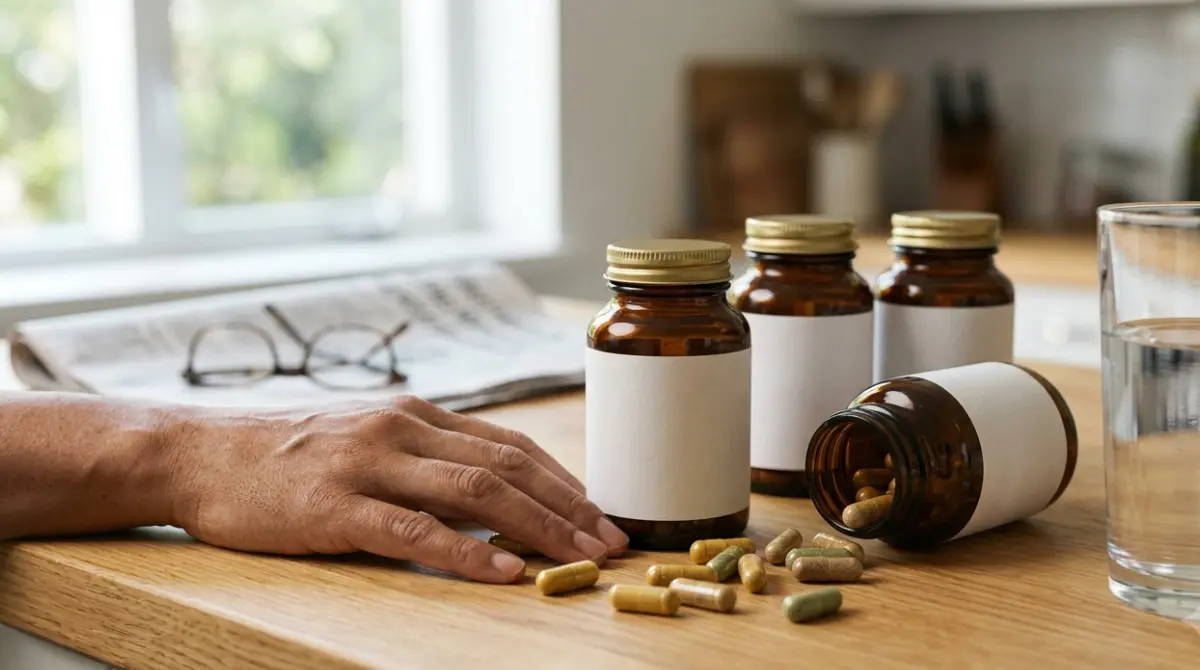
Which Supplements Raise Liver Enzymes and How Labs Make It Clear
Supplements raise liver enzymes differently: high-dose vitamin A can scar the liver while AST stays only 1 to 4 times the upper limit.

Supplements raise liver enzymes differently: high-dose vitamin A can scar the liver while AST stays only 1 to 4 times the upper limit.

When statins raise AST, rises above 3× normal affect under 1% on atorvastatin. Here's what that threshold triggers, and what it doesn't.

Tylenol and a high AST don't always mean overdose: at 4 grams a day, liver enzymes rose above three times normal in 39% of people, mostly without symptoms.
Hepatitis AST and ALT can look reassuring when they aren't: in one study, 9% of people
with hepatitis C and near-normal ALT had bridging fibrosis.

MASLD AST ALT patterns tell two stories. In a Hiroshima study of non-drinkers with fatty liver, the median AST/ALT ratio was 0.73. Here's when that flips.
Alcohol and AST don't reset overnight. Half of AST clears in about 17 hours, yet ongoing liver injury can keep it high for days. Here's the timeline.

Liver enzyme limits by sex differ: 33 U/L tops the ACG's healthy ALT range for men, 25 for women. So why might your lab print a higher number?

Rhabdomyolysis raises AST because muscle holds the enzyme too, yet dark urine or severe muscle pain, not the lab number, is what sends you to the ER.

An AST/ALT ratio below 1 says little alone: in a 515-patient fatty liver biopsy study, advanced scarring was similarly common with normal enzymes.

FIB-4 calculator math is simple, yet in one US study 10% of low-risk results were not low risk on stiffness testing. See what that means.