
Sleep Calculator for Bedtime and Wake-Up Times by Age
The sleep calculator puts a 7 a.m. wake-up at an 11:15 p.m. bedtime on five 90-minute cycles, or 10:25 p.m. if your cycles run 100 minutes.

Free health calculators and self-checks, such as BMI, BMR, due date and sleep. Each tool explains what it measures and its limits. Results are for education only and are not a diagnosis.
The sleep calculator puts a 7 a.m. wake-up at an 11:15 p.m. bedtime on five 90-minute cycles, or 10:25 p.m. if your cycles run 100 minutes.

A weight loss calculator by date turns a 500 to 750 calorie daily deficit, the 2026 guideline range, into a goal date and month-by-month targets.

Keto targets here treat fat as a limit when you cut calories, and the fiber field shows total label carbs, since the FDA has no net carb definition.

This intermittent fasting calculator times your meals around sleep. In a 12-week trial, eating only from noon to 8 PM changed weight by less than 1 kg.

Pregnancy weight gain by week starts slowly: IOM rates assume 1.1 to 4.4 lb in the first 13 weeks, then a steady weekly rate set by your BMI.
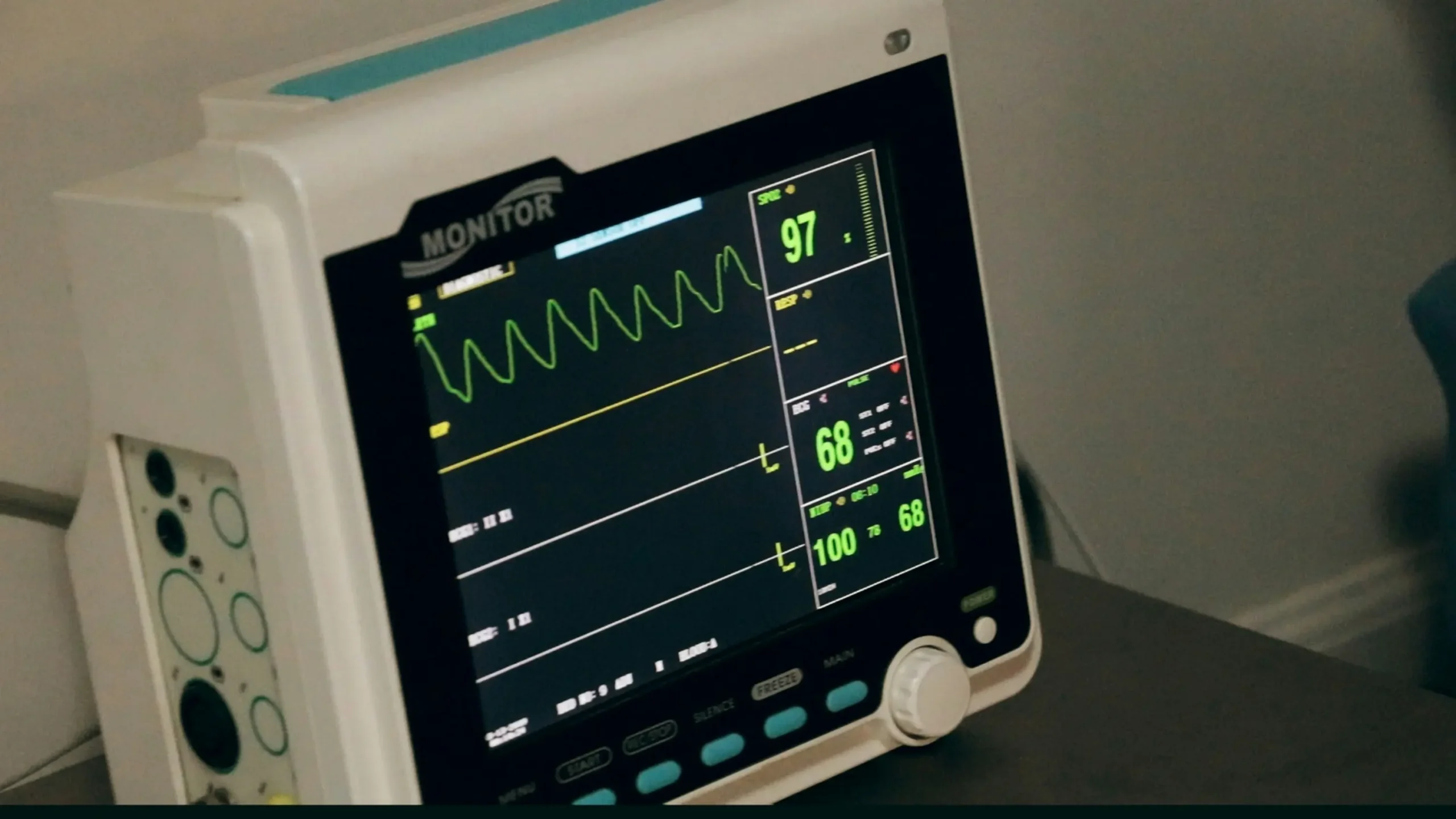
Heart rate zones in bpm from your age and resting pulse, with three maximum heart rate formulas side by side and what changes if you take a beta blocker.

Pace calculator for goal races: a 25:00 5K estimates a 3:59:47 marathon, yet a 4-hour goal needs 5:41 per km. See the pace you need and the gap.

One rep max formulas agree closely at about 5 reps and drift apart past 10. Enter one hard set for a median estimate, the full range and starting loads.

Macro math for a 165-lb woman cutting 500 calories: 1,700 calories a day, split into 106 g protein, 191 g carbs and 57 g fat, with each step shown.

Body fat and waist size both count at any BMI. NICE puts a waist-to-height ratio of 0.5 or more in its increased-risk band. Four tape measures check both.
