
When Alcohol ALT Levels Settle After You Stop Drinking
Alcohol ALT levels settle only as the liver heals. ALT's half-life is about 47 hours, but fatty liver can keep it raised. Here's how to read your retest.

Alcohol ALT levels settle only as the liver heals. ALT's half-life is about 47 hours, but fatty liver can keep it raised. Here's how to read your retest.

Hard exercise raises ALT because the enzyme also lives in muscle. At the Leadville 100, runners' average ALT jumped from 23 to 117 U/L.
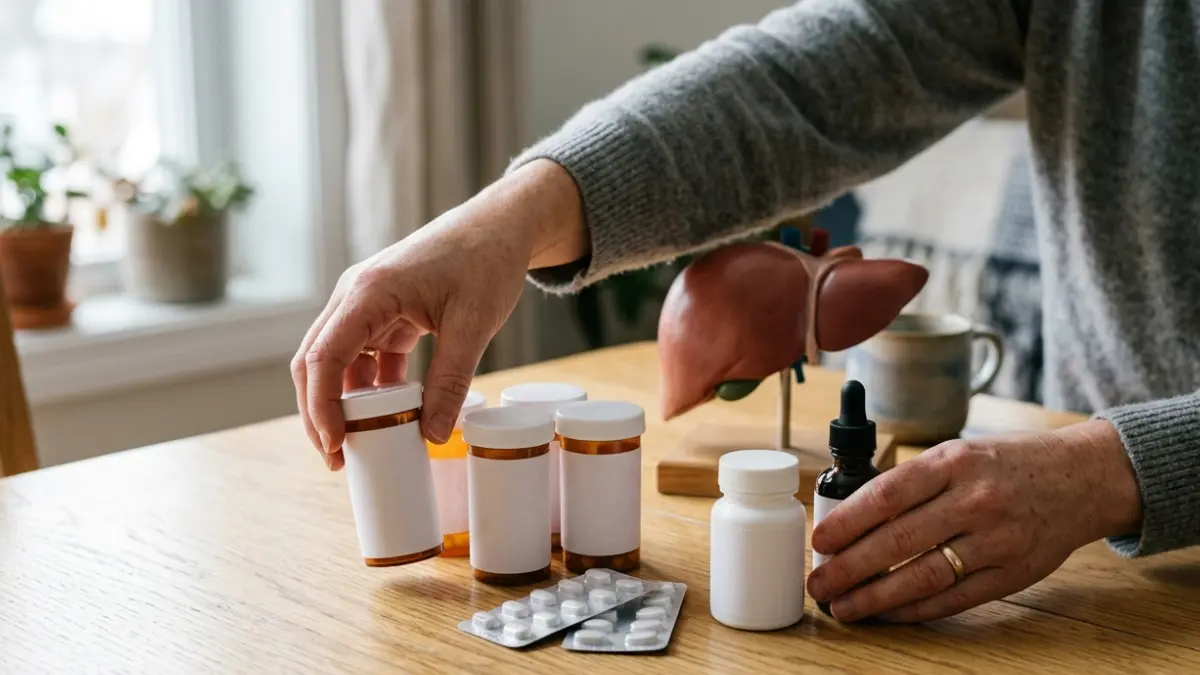
Medications that raise ALT range from Tylenol to supplements, yet the FDA found serious statin liver injury rare. Here's how to tell which rises matter.

Fatty liver and high ALT often travel together, yet ACG sets a healthy ALT at 19–25 IU/L for women—lower than many labs print. Here's what that means.

A normal ALT can miss liver scarring. Over 65, guidelines use a FIB-4 cutoff of 2.0, not 1.3, because age alone raises the score—here's what yours means.

An AST ALT ratio of 2 or more isn't a drinking verdict: in one study, 64% of heavy drinkers in withdrawal scored 1.0 or lower. Here's what it signals.

An ALT over 1000 runs roughly 30 to 50 times the ACG's healthy range. Here's what usually causes it and why acetaminophen can't wait.

ALT 50 to 100 falls in the ACG's borderline or mild tier. One study found a single weightlifting session kept ALT raised for at least seven days.
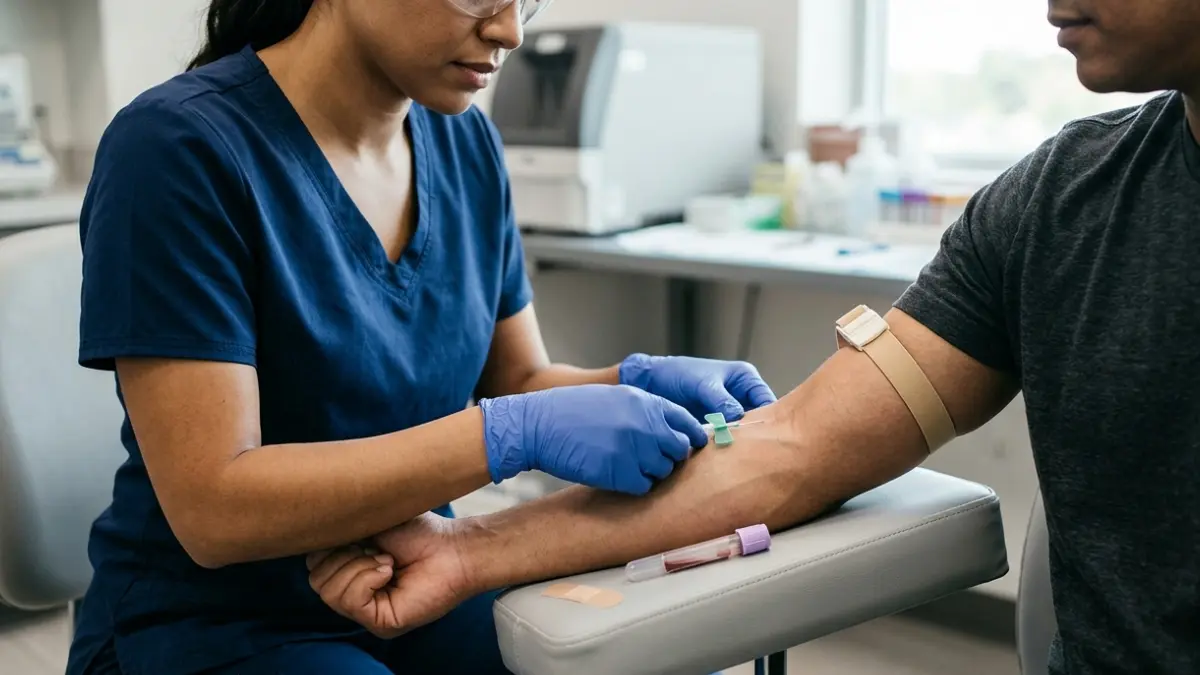
Your ALT normal range depends on who sets it: labs often print up to 36–40 U/L, while a 2002 study found healthy limits of 30 (men) and 19 (women).

ALT blood test flagged high? One weightlifting session raised ALT for 7+ days in a study, one of several causes to rule out first.