
On This Page – Quick Medical Summary
If someone has told you your TSH must be under 2.5 before you conceive, the answer depends on one thing — whether you already take thyroid medication.
If you already take levothyroxine
Your target is a treatment goal your prescriber works toward, and guidelines set it below 2.5 mU/L. Sections two and six are yours.
If you don’t take thyroid medication
Your laboratory’s ordinary adult range applies, and a result inside it is normal. The TSH levels chart by age shows that range; what a TSH test measures covers the blood test.
ℹ️ Medical Disclaimer: This explains how clinicians read thyroid results before pregnancy. It does not diagnose or adjust medication. Before changing levothyroxine, timing conception around a result, planning fertility treatment or taking iodine, consult your prescriber or a board-certified endocrinologist.
What TSH level you actually need before trying
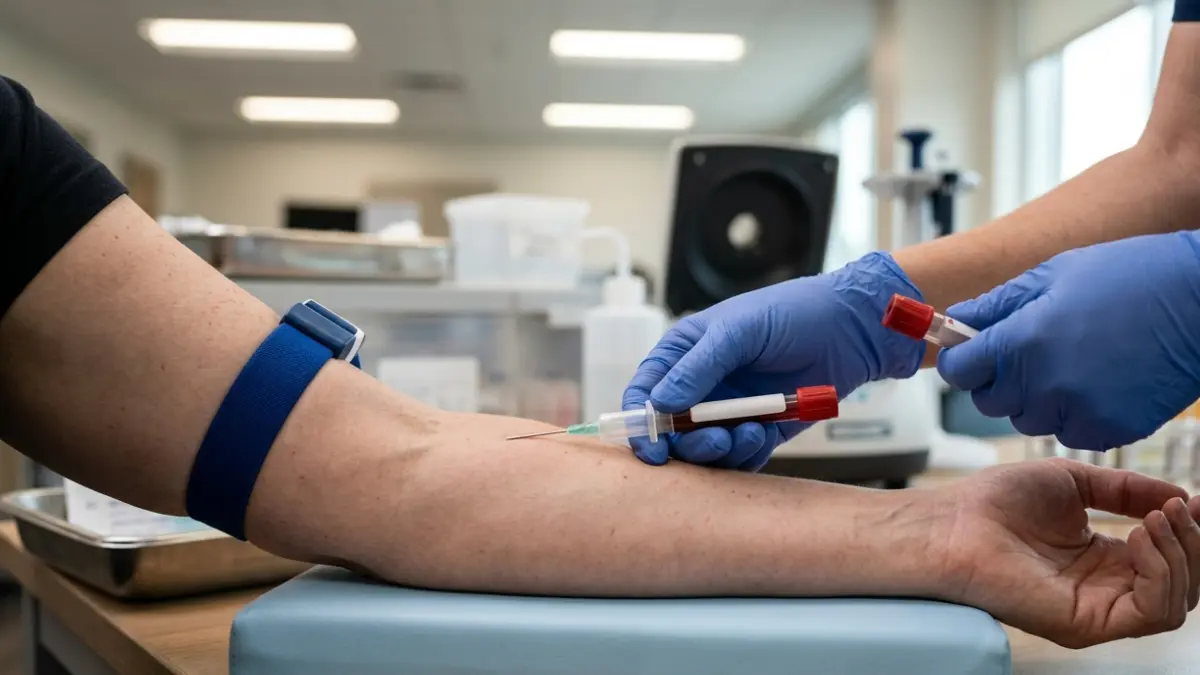
For a woman already taking levothyroxine, the American Thyroid Association’s 2026 guideline on thyroid disease in preconception and pregnancy calls a TSH between 0.5 and 2.5 mU/L a reasonable treatment target before conception. The lower ceiling builds a safety margin, because thyroid demand climbs in early pregnancy.
The 0.5–2.5 target, and who it’s for
This is a treatment target — a number a prescriber adjusts a dose toward. It is not a diagnostic threshold, and was never written for women on no medication.
If you’re not on medication, your normal range is the normal range
Before pregnancy, thyroid function is judged against the general-population reference interval your laboratory uses. The same guideline states that variation inside that range does not affect fertility or pregnancy outcomes to a clinically relevant extent — and ranges differ between labs.
What to do if your TSH comes back high
A single mildly raised TSH is not a diagnosis. The 2026 guideline sets out a sequence:
- Repeat the test after four to six weeks, alongside antibody status.
- Expect it may normalise without any treatment.
- Treat if it persists — or sooner, if your timeline can’t absorb the wait.

Why one high result isn’t a diagnosis
At least half of mild abnormalities settle within weeks, and no established evidence shows a short delay before starting levothyroxine causes harm. Testing follows risk factors rather than covering everyone, because evidence is insufficient for universal screening.
The 6 mU/L line
Above roughly 6 mU/L, or alongside positive antibodies, waiting makes less sense — normalisation is less likely. What follows is covered in when subclinical hypothyroidism is treated.
When waiting isn’t worth it
The guideline names its own exception: repeat testing isn’t always practical when age narrows the window to conceive.
✅ Patient Action: Ask your GP, obstetrician or an endocrinologist: “Should we repeat this TSH with a free T4 and TPO antibodies first — or does my age make waiting the wrong call?”
How much a high TSH really changes your odds
Most pages say a raised TSH “may reduce fertility” and stop. The guideline puts numbers on it, as absolute differences.
| What’s raised | Conceiving | Miscarriage | Key clinical detail |
|---|---|---|---|
| Subclinical hypothyroidism, TSH under 10 mU/L | 1.4–4.5 points lower | 0.4–0.7 points higher | Percentage points, not a multiple of your odds |
| Antibodies with normal TSH | Not established | 2–8 points higher | Levothyroxine does not reduce this |
Source: American Thyroid Association 2026 guideline (Thyroid, May 2026), which reports absolute risk.
The effect on conceiving
A few percentage points is real, and small — not the difference between fertile and infertile.
The effect on miscarriage
Antibodies carry the larger difference here, and it’s the one treatment doesn’t shift.
How common this actually is
Overt hypothyroidism affects about 0.2% of women of childbearing age; subclinical hypothyroidism, 2.4–6.0%.
📊 Clinical Data Point: Undiagnosed subclinical hypothyroidism appears in about 2.4% of women investigated for infertility or recurrent miscarriage — close to the background rate. Source: American Thyroid Association, 2026.
Trouble conceiving does not, by itself, make a thyroid problem likelier. The guideline is candid that much of this evidence is low to moderate quality.
Thyroid antibodies: what changed in 2026
Thyroid peroxidase antibodies appear in 5–15% of women of childbearing age. Those with normal thyroid function were long offered levothyroxine to protect a pregnancy.
Why levothyroxine isn’t recommended for antibodies alone
Three randomised trials retired that practice. In the largest, a randomised trial of levothyroxine before conception, 952 women with antibodies and normal function received levothyroxine or placebo, and live birth rates did not differ. Nothing supports selenium, glucocorticoids or immunoglobulin either.
What to do instead
Antibody status still earns its place: it predicts who develops thyroid disease later. Around 7–9% develop hypothyroidism within a year, so rechecking TSH every three to six months while planning is reasonable. Between tests, know the symptoms of an underactive thyroid.
The day your pregnancy test is positive
This handover is planned in advance, not improvised.
⚠️ Clinical Warning: Do not change your own levothyroxine dose on a positive pregnancy test. The right adjustment depends on your dose, your last TSH and why you take it — and a standard increase risks overtreatment in some women.
If you’re treated for overt hypothyroidism
Most women taking levothyroxine for overt hypothyroidism need roughly 25% more by week 12 and about 50% more by week 20. Clinicians plan that ahead and confirm it with thyroid function tests.
🔬 How It Works: hCG stimulates the thyroid, oestrogen raises the protein that binds thyroid hormone, and the placenta breaks more of it down — so a dose that was right in March falls short by June.
If you were treated for subclinical hypothyroidism
The guideline is explicit that no data support a standard 25% increase here. It describes testing roughly every four weeks through the first half of pregnancy instead — see TSH targets during pregnancy.
Call before you change anything
✅ Patient Action: Before conceiving, ask your prescriber: “What do I do with my dose the day I test positive, and when do you want my first blood test?”
Four things worth sorting out before you start trying
If you take T3 or desiccated thyroid
Liothyronine and desiccated thyroid extract aren’t recommended when planning pregnancy, because the developing brain depends on maternal T4. Guidelines advise discussing a switch with your prescriber — never change thyroid medication on your own.
If you’re starting IVF
Ovarian stimulation raises TSH by an average of 1.5 mU/L in women taking levothyroxine, sometimes calling for an earlier adjustment.
Iodine, before not during
Guidelines advise 150 mcg of iodine daily when planning pregnancy, ideally starting three months ahead. More is not better: sustained intake above 500 mcg daily should be avoided. Background: NIDDK on thyroid disease and pregnancy.
✅ Patient Action: Ask your prescriber, or a reproductive endocrinologist if you’re having fertility treatment: “Does my medication need to change before we try, and does IVF change my monitoring?”
Common questions about TSH before pregnancy
1. What should my TSH be before pregnancy?
If you take levothyroxine, aim for 0.5–2.5 mU/L. Otherwise your lab’s normal range applies.
2. Is a TSH of 3.0 too high to get pregnant?
Not if you take no thyroid medication. A TSH of 3.0 sits inside most normal ranges.
3. Does the 2.5 target apply if I’m not on levothyroxine?
No. It’s a treatment target for women already taking levothyroxine, not a threshold for everyone.
4. Can a high TSH stop me from conceiving?
Untreated subclinical hypothyroidism lowers the chance of conceiving by roughly 1.4 to 4.5 percentage points.
5. Should I take levothyroxine if I have thyroid antibodies but a normal TSH?
Guidelines advise against it; three randomised trials found no benefit. Ask your clinician about monitoring.
6. How often should I check TSH while trying to conceive?
If you’re antibody-positive with normal thyroid function, guidelines suggest rechecking every three to six months.
7. Do I need a repeat test before starting levothyroxine?
Usually yes — at least half of mildly raised results normalise. Ask your clinician about timing.
8. How much should I increase levothyroxine when I get pregnant?
About 25% more by week 12 is typical for overt hypothyroidism. Never adjust it yourself.
9. Is desiccated thyroid or T3 safe when trying to conceive?
Guidelines advise switching to levothyroxine alone beforehand. Discuss any change with your prescriber first.
10. Does everyone need a thyroid test before pregnancy?
No. Evidence is insufficient for universal screening; testing follows risk factors your clinician assesses.
11. Does IVF change my TSH?
Yes. Ovarian stimulation raises TSH by about 1.5 mU/L on average in women on levothyroxine.
What to do next
If you take levothyroxine, book a preconception review and leave with a written plan for the positive-test day.
If you don’t, and your TSH sits inside your lab’s range, that is your answer.
If it sits above the range, ask for a repeat before anything else changes.
About this content
How this article was put together: researched from recognised health sources, drafted with the help of AI tools, and edited by hand, with sources linked throughout.

Sameer Patel is the founder and editor of My Medicine Advisor. He is not a doctor or medical professional — before starting this site he worked in banking,…
Medical disclaimer
The content on MyMedicineAdvisor is provided for general informational and educational purposes only and is not a substitute for professional medical advice, diagnosis, or treatment. Health information on this website should not be used to diagnose, treat, cure, or prevent any condition without guidance from a qualified healthcare professional. Always seek the advice of your doctor, physician, or another licensed healthcare provider with any questions you may have regarding a medical condition, symptoms, medications, or treatment decisions.