
Which Schedule Sets How Often You Need a Lipid Panel
How often a lipid panel is needed runs on two clocks, not one — and every five-year figure in circulation carries a qualifier readers drop.

How often a lipid panel is needed runs on two clocks, not one — and every five-year figure in circulation carries a qualifier readers drop.

New cholesterol guidelines brought back LDL treatment goals in March 2026. Which one applies to you depends on your risk level, not on the panel result.
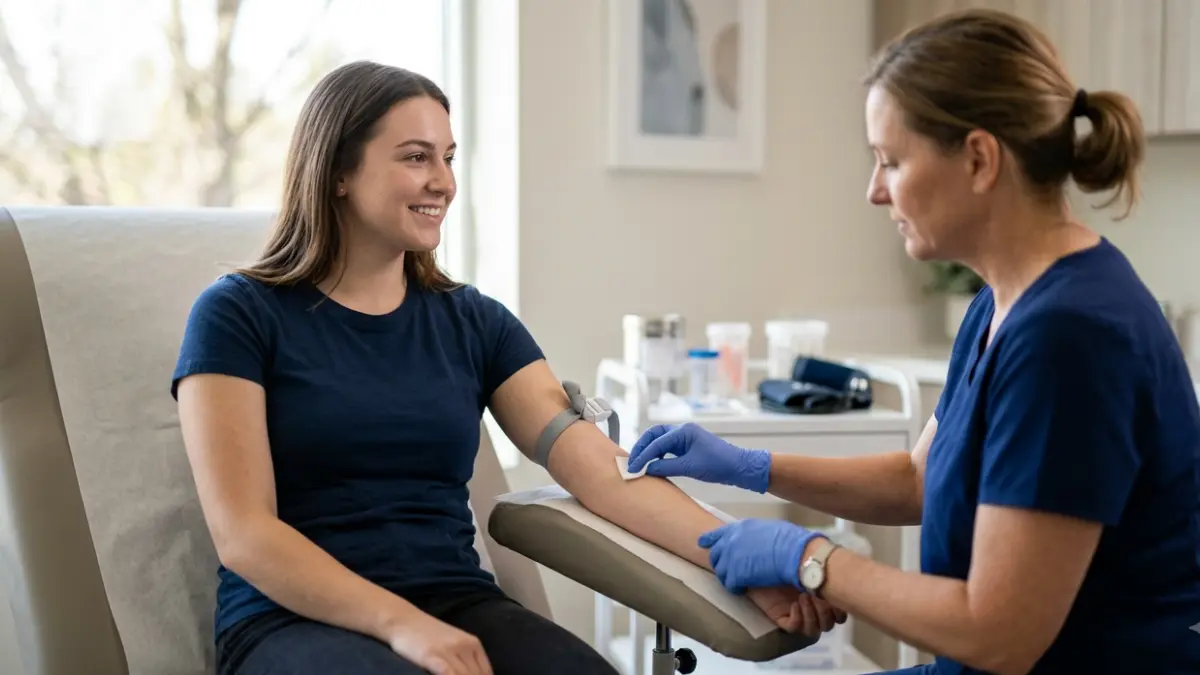
Cholesterol screening age is now 19 for adults, but screening does not begin there. Three ages sit inside one guideline, and US sources still differ.

Low HDL cholesterol causes sit on two federal lists, and most are checkable at one visit: a medication review, a blood sugar result, a family history.

High triglycerides are rarely a fat-on-your-plate problem. Excess calories, sugar and alcohol drive the liver to make them, and that changes what to ask.

Abnormal lipid panel results are graded against a population level, not your own. Only one of the five flags works in days rather than years.

Normal lipid panel results are three different numbers. Only one of them was written with you in mind, and it is not the one on the chart.

Coffee before a lipid panel hides two questions: whether today's cup changes today's reading, and whether your brewing method changes the number itself.

How long to fast for a cholesterol test? Three federal sources, three different windows. Only the Medicare one actually binds you, and only for a claim.

Fasting for a lipid panel became optional for most people in March 2026, and eating lifts triglycerides by only about 27 mg/dL on average.