
On This Page – Quick Medical Summary
If you have a comprehensive metabolic panel scheduled, the short answer is usually yes — most providers ask you to fast for 8 to 12 hours beforehand, mainly so food doesn’t raise your blood glucose and cloud the results. But not every CMP requires fasting, and the instructions on your lab order are the final word.
Use this page based on your situation:
- Your order says to fast → go to how long to fast and how to prepare.
- Your order doesn’t mention fasting → don’t assume; a quick call to the ordering office settles it.
- You have diabetes or are pregnant → read the safety section before skipping meals.
- You already ate or had coffee → see what to do if you didn’t fast.
Your provider’s instructions always take priority over any general range you read online.
ℹ️ Medical Disclaimer: This article explains general preparation for a comprehensive metabolic panel. It does not diagnose conditions, interpret your results, or replace your provider’s instructions about fasting and medications — those decisions belong to the clinician who ordered your test. If you have diabetes, take insulin, or are pregnant, speak with your primary care physician or endocrinologist before changing your eating or medication routine for a lab test.
Do you have to fast for a CMP blood test?
In most cases, yes. Providers commonly ask for an 8-to-12-hour fast before a CMP, mainly because eating temporarily raises blood sugar — but fasting isn’t required for every CMP, and why the test was ordered decides it.
When fasting is required
Fasting is typically requested when your provider wants a clean fasting blood glucose reading — during a routine checkup, or when screening for prediabetes or diabetes. If you’re also due for other blood work, requirements differ by test — a CBC, for example, usually doesn’t require fasting.
When a CMP may not need fasting
Not every CMP is a fasting test. In a hospital stay or urgent visit, a provider may order one on the spot to check kidney and liver function, where fast results matter more than a fasting sample. Some follow-up panels tracking electrolytes or liver enzymes are also drawn without fasting.
✅ Patient Action: Before you skip breakfast, check your lab order or ask the ordering office, “Is this CMP a fasting test, and if so, how many hours should I fast?”
Why fasting matters for a CMP
Fasting protects the accuracy of one marker more than any other: glucose.
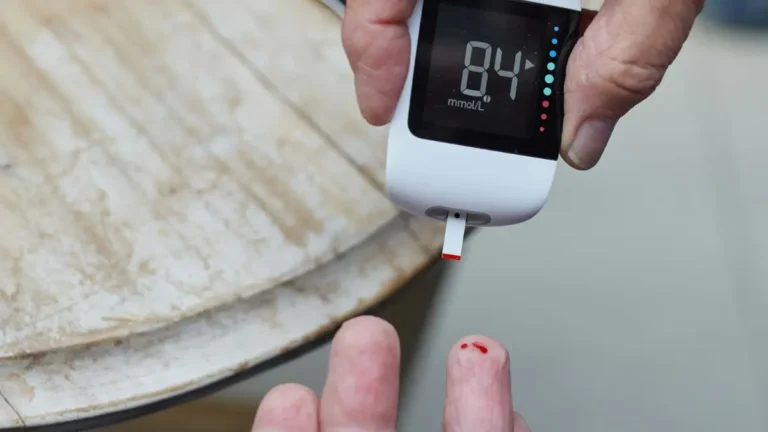
🔬 How It Works: When you eat, your body breaks food into sugars that enter your bloodstream within minutes, temporarily raising blood glucose. A draw taken then can show a glucose level that looks high simply because you ate — not because anything is wrong. Fasting gives a baseline that reflects how your body handles sugar at rest.
Glucose is the main reason
A CMP measures 14 substances, and glucose is the one most sensitive to a recent meal. You can see the full list of what a CMP measures in our components guide.
Because an accurate fasting glucose is what flags prediabetes and diabetes, most fasting rules exist to protect that number — a point MedlinePlus makes in its CMP overview and the CDC echoes for blood-sugar testing.
Which CMP markers food can affect
Most other markers — kidney measures like BUN and creatinine, electrolytes like sodium and potassium, and liver enzymes like ALT and AST — are far less affected by a single meal than glucose is. That’s why the fasting rule is built around blood sugar.
If you track glucose in different units, our blood sugar converter can help, and seeing what a normal fasting result looks like puts the number in context.
How long to fast and how to prepare for a CMP
For most people, fasting for a CMP means no food or drinks other than water for 8 to 12 hours before the draw; some providers ask for 10 to 12. Because most of that window can pass while you sleep, an early-morning appointment is easiest.
How many hours to fast
The usual range is 8 to 12 hours, and your provider gives the exact number, per MedlinePlus guidance on fasting for blood tests. A simple way to hit it: finish dinner by about 8 p.m. and have blood drawn at 7 a.m.
The easiest way to time your fast
- Schedule the draw for early morning.
- Eat a normal dinner the night before, then stop eating.
- Keep drinking plain water — hydration makes the draw easier. Our water intake calculator can help you gauge daily needs.
- Bring a snack for right after, since some people feel light-headed.
What to avoid during the fast
During the fasting window, skip coffee, tea, juice, soda, and alcohol — and avoid chewing gum, mints, smoking or vaping, and strenuous exercise, since these can affect results. Plain water is the only thing that’s fine.
✅ Patient Action: If you’re unsure how long to fast, follow the number on your lab order — it overrides any general range — and ask the office if none is listed.
What you can and can’t have during the fast
Yes — plain water is allowed and even encouraged before a CMP, because staying hydrated keeps your veins fuller and makes the draw easier.
Can you drink water?
Plain water is fine and helpful throughout the fast. Skip flavored, sweetened, or carbonated water, since added sugars or sweeteners can affect results.
Can you drink coffee?
No. Coffee and tea — even black, with nothing added — can change some results, so plain water is the only safe choice during the fasting window.
Can you take your medications?
Ask the clinician who ordered your test whether to take your usual medications before the draw, and don’t stop any prescribed medicine on your own. Some are fine with a sip of water; others may be timed differently for testing.
✅ Patient Action: List your medications and supplements and ask the office, “Which of these should I take or hold the morning of my CMP?”
What happens if you eat or forget to fast
If you ate before a CMP that was meant to be fasting, the most likely casualty is your glucose reading, which can look falsely high — and sometimes that means repeating the draw.
How eating affects your results
A recent meal raises blood sugar, so a non-fasting glucose result may not reflect your true baseline. Most other CMP markers are less affected, but glucose is often the reason the test was ordered.
Should you reschedule or go anyway?
Tell the phlebotomist or front desk exactly what you ate or drank and when. The office that ordered your test decides whether to draw anyway or reschedule — and rescheduling is routine, not a failure.
✅ Patient Action: If you slipped up, don’t cancel silently — tell the staff what and when you ate so the ordering clinician can judge whether your results will still be usable.
Fasting safely if you have diabetes or other conditions
Fasting is usually simple, but for some people skipping meals needs a plan made with a provider first.
If you have diabetes
⚠️ Clinical Warning: In people with diabetes, 8 to 12 hours without food can trigger hypoglycemia — low blood sugar that can cause shakiness, dizziness, trouble concentrating, and, in severe cases, fainting. If you take insulin or other glucose-lowering medicines, don’t simply skip meals and doses on your own; your provider will tell you how to handle the fasting window safely.
Ask before you fast, not after — your provider may adjust timing, medications, or the test itself.
Pregnancy and other situations
For most healthy pregnancies, fasting for a blood test is generally considered safe, but your provider guides how to prepare and whether extra hydration helps.
✅ Patient Action: If you have diabetes or take insulin, ask your primary care physician or endocrinologist, “Given my medications, how should I handle eating and my doses during the fasting window before this CMP?”
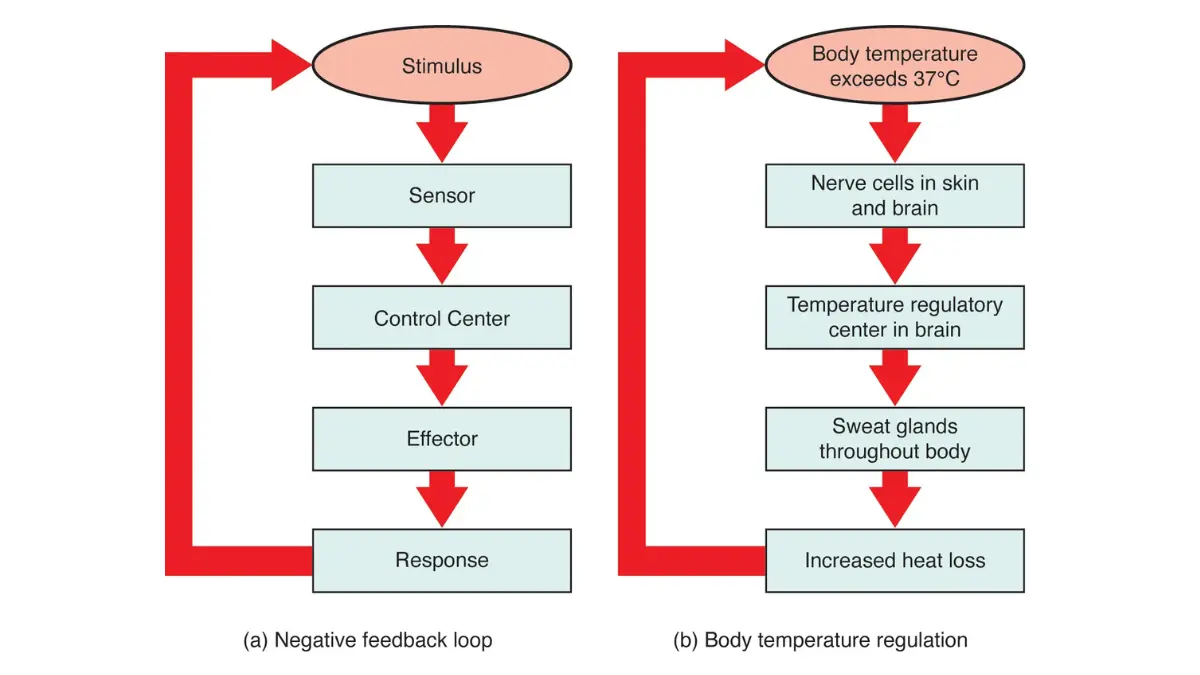
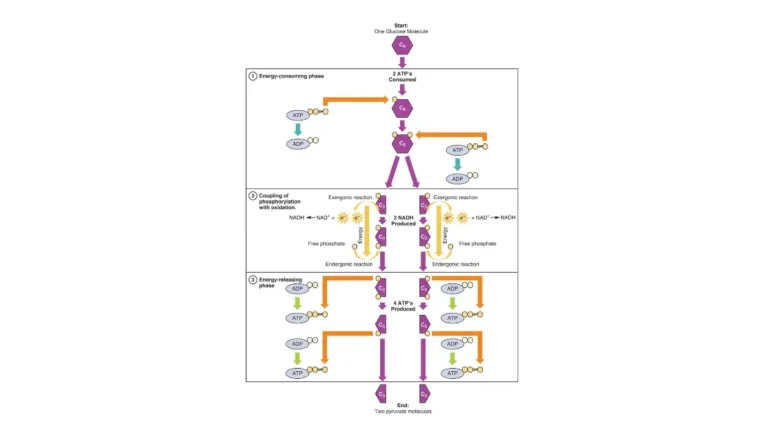
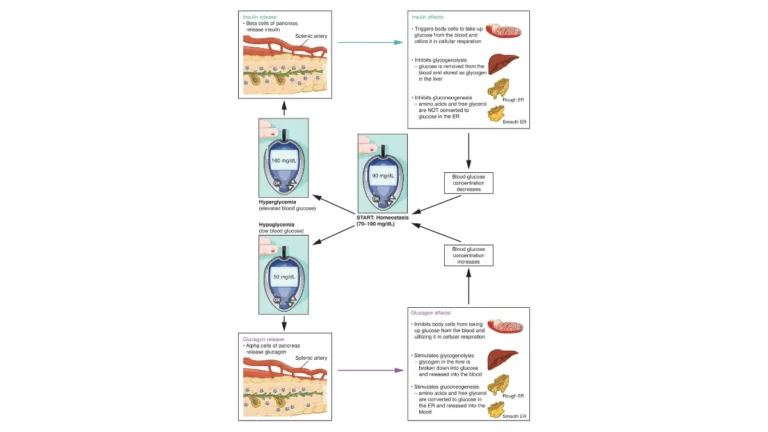
Adapted from OpenStax Anatomy and Physiology 2e Figure 1.10, licensed under CC BY 4.0.
Frequently asked questions
1. Do you have to fast for a CMP blood test?
In most cases, yes. Providers usually ask for an 8-to-12-hour fast before a comprehensive metabolic panel, mainly so food doesn’t raise your blood glucose. But not every CMP requires fasting — why the test was ordered decides it, so follow your lab order.
2. How many hours do you need to fast before a CMP?
Usually 8 to 12 hours, though some providers ask for 10 to 12. Your provider sets the exact number based on your test.
3. Can you drink water before a CMP?
Yes. Plain water is allowed and even encouraged, because staying hydrated keeps your veins fuller and makes the blood draw easier. Avoid flavored, sweetened, or carbonated water, since added sugars or sweeteners can affect results.
4. Can you drink coffee before a CMP?
No. Coffee and tea — even black with nothing added — can change some results, so plain water is the only safe choice during the fasting window.
5. Why do you have to fast for a CMP?
Fasting mainly protects your blood glucose reading. Eating raises blood sugar within minutes, so a non-fasting result can look high simply because you ate. Because an accurate fasting glucose is what flags prediabetes and diabetes, most fasting instructions exist to keep that number reliable.
6. What happens if you eat before a CMP?
A recent meal can push your glucose higher than your true baseline, and sometimes that means repeating the draw. Tell the phlebotomist or front desk what you ate and when, and let the ordering office decide whether to reschedule.
7. Can you take your medications before a CMP fast?
Sometimes — but ask the clinician who ordered your test, and never stop a prescribed medication on your own. Some medicines are fine with a sip of water; others may be timed differently for testing. Confirm which of yours to take or hold on the morning of your CMP.
8. Does a CMP always require fasting?
No. In a hospital stay or urgent visit, a provider may order a CMP on the spot to check kidney and liver function, where fast results matter more than a fasting sample. Your lab order is the final word.
9. Can you chew gum or smoke while fasting for a CMP?
No. Chewing gum, mints, smoking, and vaping can all affect your results during the fasting window, as can strenuous exercise. Stick to plain water only.
10. Is fasting the same for a CMP and a CBC?
Not usually. A CMP often requires fasting, mainly for glucose, while a CBC usually does not — which is why requirements can differ even when both are drawn from the same sample. You can see how the two tests compare, and always check your specific lab order.
11. Should you fast for a CMP if you have diabetes?
Talk to your provider before fasting. Going 8 to 12 hours without food can trigger low blood sugar in people with diabetes, especially those on insulin. Your primary care physician or endocrinologist can tell you how to handle meals and doses safely — don’t adjust them on your own.
The bottom line on fasting for your CMP
For most people, preparing for a comprehensive metabolic panel comes down to a few steps: if your order calls for fasting, go 8 to 12 hours without food, drink only plain water, and skip coffee, gum, and smoking during that window. Confirm the exact instructions with the office that ordered your test — especially if you have diabetes or take insulin, where skipping meals needs a plan first.
Once your blood is drawn, you can eat right away. When your results come back, our guide to understanding your CMP results explains what each of the 14 markers means, and here’s what to expect while waiting for results.
About this content
How this article was put together: researched from recognised health sources, drafted with the help of AI tools, and edited by hand, with sources linked throughout.

Sameer Patel is the founder and editor of My Medicine Advisor. He is not a doctor or medical professional — before starting this site he worked in banking,…
Medical disclaimer
The content on MyMedicineAdvisor is provided for general informational and educational purposes only and is not a substitute for professional medical advice, diagnosis, or treatment. Health information on this website should not be used to diagnose, treat, cure, or prevent any condition without guidance from a qualified healthcare professional. Always seek the advice of your doctor, physician, or another licensed healthcare provider with any questions you may have regarding a medical condition, symptoms, medications, or treatment decisions.