
On This Page – Quick Medical Summary
Waiting for blood test results and feeling anxious? You’re not alone
The stretch between a blood draw and the results can feel longer than almost any other wait. If you’re refreshing your patient portal, lying awake, or replaying every “what if,” you’re having a normal reaction to uncertainty.
This guide meets you wherever you are. Want to know how long results take? Start with the timeline below. Results late and you’re spiraling? Skip to why delays happen. Numbers already in your portal with no explanation? There’s a section for that, plus a guide to how to read the numbers on a CBC report. And if the worry is hard to carry, the last section covers when to reach out.
You can’t speed up the lab, but you can change how you move through the wait.
ℹ️ Medical Disclaimer: This is general educational information about waiting for blood test results and ways to cope — not a diagnosis, an interpretation of your results, or a substitute for care. Turnaround times, result meanings, and any treatment or medication decision depend on your situation; consult the clinician who ordered your test, or a licensed mental-health professional for persistent anxiety, before acting on anything here.
How long do blood test results actually take?
Most routine blood tests come back quickly. A complete blood count (CBC) or basic metabolic panel is usually available to the ordering provider within about 24 hours, while specialized tests take longer.
Realistic ranges, drawn from how U.S. labs and health systems describe their own turnaround:
- Routine panels (CBC, basic metabolic panel): often within about 24 hours, commonly 24–48 hours.
- Specialized or “send-out” tests (some hormone panels, tumor markers, genetic tests): several days to a week or more.
- Biopsy or tissue pathology: a few days to a few weeks.
📊 Clinical Data Point: A complete blood count’s results are typically available to the ordering doctor within about 24 hours. — Source: Norton Healthcare (U.S. academic health system), 2024.
Knowing what a complete blood count actually measures helps while you wait, and if a CBC is what you’re expecting, here’s how long a CBC specifically takes. One distinction matters: “available to your doctor” isn’t “released to you.”
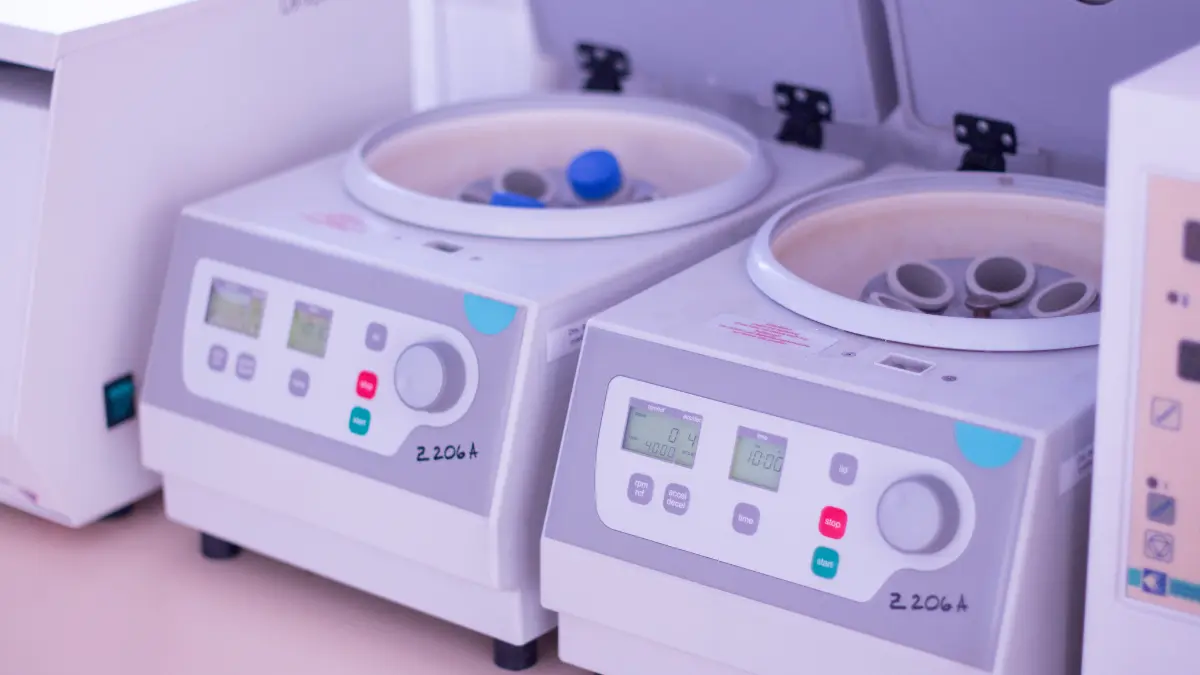
🔬 How It Works: After your blood is drawn, the lab logs the sample, runs it on automated analyzers, and — if a result looks unusual — sometimes re-checks it by hand before release. The clock usually starts when the lab receives your sample, not when you leave the clinic; weekends, send-outs, and busy periods stretch it.
Why your results might be taking longer than expected
No — a delayed result usually reflects lab logistics, not bad news. When results run past the window you expected, the cause is almost always the process, not the finding.
Common, ordinary reasons a result is slow:
- The sample was batched or sent to an outside lab that runs certain tests on a schedule.
- Lab workload, staffing, or a weekend pushed processing back.
- An unusual value triggered a re-check or manual review before release.
- The sample needed a redraw — for example, if it was insufficient or affected by not fasting.
Clinicians who field this question agree: a slower turnaround does not, by itself, mean a worse result. If your numbers already look off to you, that fear is understandable — but out-of-range values have many non-serious explanations, and even a normal CBC when you’re worried about cancer is reassuring on several fronts. The NLM explains how blood tests are collected and processed.
✅ Patient Action: If your expected timeframe has passed, call the office that ordered the test: “Have my results come back yet, and if not, when should I expect them?”
Evidence-based ways to cope while you wait
Try these strategies while you wait for blood test results — each is recommended by clinicians or supported by research on coping with uncertain medical waits:
- Interrupt the spiral with distraction. Read, put on a podcast, step outside, or move your body — attention elsewhere leaves anxious thoughts less room.
- Slow your body down. Deep breathing (three slow breaths, counting to three on each), counting to ten, picturing a calm place, or relaxing your muscles one group at a time eases the physical edge of anxiety.
- Protect your sleep and routine. Keeping your usual rhythm steadies you; a consistent wind-down routine that protects your sleep helps.
- Lean on people. Telling one trusted person how you feel, instead of carrying it alone, lightens the load.
- Limit portal-refreshing. Constant checking feeds the loop — pick a couple of set times to look, then close the app.
For day-to-day calm, see natural ways to reduce anxiety, and the NLM has plain guidance on coping with medical test anxiety. One reframe worth practicing: waiting does not mean bad news.
What to do when you can see results before your doctor explains them
Patient portals often post your numbers before your provider reviews them, so you may be first to see a result you can’t fully interpret. Seeing raw values isn’t the same as understanding them.
🔬 How It Works: An “H” (high) or “L” (low) marks a value outside your lab’s reference range — what that lab treats as typical. Ranges vary between labs and by age and sex, so you can’t reliably compare your number to one you found elsewhere. A value slightly outside the range often has harmless explanations.
A flag is common and rarely an emergency on its own. An above-range white cell count often reflects something ordinary like a recent infection, and a low platelet result has many non-serious causes. Trends and your full clinical picture matter more than any single value; it helps to see where a number sits on your lab’s normal ranges.
Resist plugging your numbers into a search engine to self-diagnose — it amplifies worry without adding accuracy. Instead, learn how to read the reference ranges on your report and bring specifics to whoever ordered the test.
✅ Patient Action: For any flag, ask the ordering provider: “My [value] is marked high/low — what does that mean given my history and symptoms, and does it need follow-up?”
Is it normal to feel this anxious? What the research says
Feeling intensely anxious while waiting is common and well documented — many people call it one of the hardest parts of any medical process. There’s even an informal name for it.
🔬 How It Works: Scanxiety is the worry that builds before, during, and after a test or scan, driven by not knowing the outcome. It’s a normal response to uncertainty, not a sign something is wrong with you.
It can show up in your body, not just your thoughts: trouble sleeping, nausea, and a restless, keyed-up feeling are recognized signs, and stress that lingers for weeks can have cumulative physical effects.
Waiting is hard partly because the outcome is outside your control — and difficulty tolerating uncertainty tends to intensify anxiety. That’s why coping works best when it targets the feelings, not the result. Researchers have tested structured coping strategies for exactly this situation.
🩺 Physician Note: Clinicians counseling patients through this emphasize a steadying, evidence-based reframe: uncertainty is uncomfortable, but it doesn’t automatically point to a bad outcome.
When waiting anxiety is more than normal — and when not to wait
Most waiting-anxiety eases once results arrive — but sometimes it needs more support, and sometimes a physical symptom means you shouldn’t wait at all.
If the worry is overwhelming, disrupting your sleep, work, or relationships, or making you want to avoid testing or care, that’s worth addressing. Avoiding needed medical tests can itself put your health at risk. Effective help exists, including talk therapy such as cognitive behavioral therapy.
⚠️ Clinical Warning: Waiting on routine or pending results should never delay urgent care. If you develop severe or alarming symptoms — such as chest pain, difficulty breathing, or another sudden, serious change — seek emergency care right away rather than waiting for lab results.
✅ Patient Action: If test-related anxiety is interfering with daily life, tell your primary care provider or a licensed mental-health professional: “This worry is affecting my sleep and functioning — can we talk about support or treatment?” If you ever have thoughts of harming yourself, call or text the 988 Suicide & Crisis Lifeline (US) for immediate, confidential support.
If the timeframe you were told has passed, don’t hesitate to contact the ordering office to check on your results.
Waiting for blood test results: frequently asked questions
1. How long does it take to get blood test results?
Most routine results, including a CBC, reach the ordering provider within about 24 hours, and many routine panels within 24–48 hours. Specialized or send-out tests can take several days to a week or more, and biopsies a few days to a few weeks.
2. Why are my blood test results taking so long?
Waiting for blood test results past the expected window usually comes down to logistics: batching, an outside lab, workload, weekends, a re-check of an unusual value, or a redraw. A longer wait reflects the process, not your result.
3. Does a delay in results mean bad news?
Usually not — delays typically reflect processing and staffing rather than a health problem, so a slower turnaround doesn’t by itself signal a worse result. If your expected timeframe has passed, it’s reasonable to call the ordering office.
4. Is it normal to feel anxious while waiting for blood test results?
Yes. Anxiety is a normal response to uncertainty while waiting for blood test results — common enough to have an informal name, “scanxiety.” Many people describe the wait as one of the hardest parts of a medical process.
5. How can I stop worrying while I wait?
Evidence-backed strategies include distraction (reading, podcasts, exercise), slow breathing and muscle relaxation, keeping your routine and protecting sleep, leaning on someone you trust, and limiting how often you refresh the portal — all aimed at the anxiety rather than the unchangeable result.
6. Should I look at my results in the portal before my doctor calls?
You can, but portals often post numbers before a clinician reviews them, and raw values need context. Reviewing them yourself isn’t a substitute for discussing them with your provider, so ask the clinician who ordered the test what your results mean.
7. What does a “high” or “low” flag on my result mean?
An “H” or “L” means the value falls outside your lab’s reference range, which varies by lab and by age and sex. Out-of-range values often have harmless explanations, and trends matter more than one number; ask your provider to interpret it in context.
8. Can waiting anxiety cause physical symptoms?
Yes — waiting-related stress can bring on trouble sleeping, nausea, and a restless, keyed-up feeling, and stress that lingers for weeks can have cumulative physical effects. These are recognized responses to an uncertain wait, not signs that something is medically wrong.
9. When should I call the office about pending results?
If the timeframe you were given for your blood test results has passed, contact the office that ordered the test and ask whether they’re back and when to expect them. You don’t need to wait past the expected window.
10. When should I get help for test-result anxiety?
Seek support if the anxiety is overwhelming, disrupts daily life, or makes you want to avoid tests or care — avoiding testing can harm your health. Talk with your provider or a licensed mental-health professional; if you have thoughts of self-harm, contact the 988 Suicide & Crisis Lifeline.
11. Should I use a symptom checker while I wait?
Usually better not to — searching your symptoms or numbers while waiting for blood test results tends to feed anxiety, and results need clinical context to interpret. Use the coping strategies above, and ask the clinician who ordered the test.
You’ve done your part — be gentle with the wait
You can’t make the lab move faster, but you now have a realistic timeline, ways to steady yourself, and a clear signal for when to reach out — enough to turn an open-ended, anxious wait into something more manageable.
Hold onto the throughline: a delay usually means logistics, not bad news; an out-of-range flag usually has ordinary explanations; and the anxiety you feel is a normal, well-documented response — not a verdict. When your results arrive, you’ll be readier to understand what a complete blood count can and can’t tell you. Be kind to yourself in the meantime — you’re handling something genuinely hard.
About this content
How this article was put together: researched from recognised health sources, drafted with the help of AI tools, and edited by hand, with sources linked throughout.

Sameer Patel is the founder and editor of My Medicine Advisor. He is not a doctor or medical professional — before starting this site he worked in banking,…
Medical disclaimer
The content on MyMedicineAdvisor is provided for general informational and educational purposes only and is not a substitute for professional medical advice, diagnosis, or treatment. Health information on this website should not be used to diagnose, treat, cure, or prevent any condition without guidance from a qualified healthcare professional. Always seek the advice of your doctor, physician, or another licensed healthcare provider with any questions you may have regarding a medical condition, symptoms, medications, or treatment decisions.