
On This Page – Quick Medical Summary
Got a normal CBC but still worried about cancer? Start here
Getting a normal CBC result back should feel like good news, and often it is. But if that “within range” number did not fully settle your worry about cancer — especially if you still feel unwell — you deserve a straight answer. The honest short version: a normal complete blood count is genuinely reassuring, but no single blood test rules cancer in or out on its own.
Where you go next depends on your situation. If you feel well and have no symptoms, the section on what a normal result covers is for you. If you have symptoms that have not gone away despite a normal CBC, the section on when to still see a doctor matters most. If you are worried mainly because of family history, the closing section on perspective will help.
This is one focused answer from our guide to what a complete blood count can and can’t tell you.
ℹ️ Medical Disclaimer: This is general health information, not a diagnosis or medical advice. It cannot tell you whether you personally have cancer, interpret your results, or replace a licensed clinician. If you have symptoms that concern you, or questions about your CBC or next steps, consult a board-certified physician — start with your primary care doctor, who can refer you to a hematologist or oncologist if warranted.
What a complete blood count actually measures
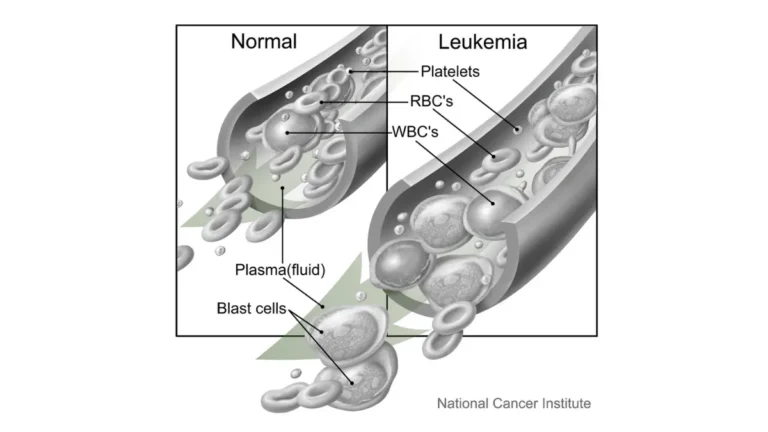
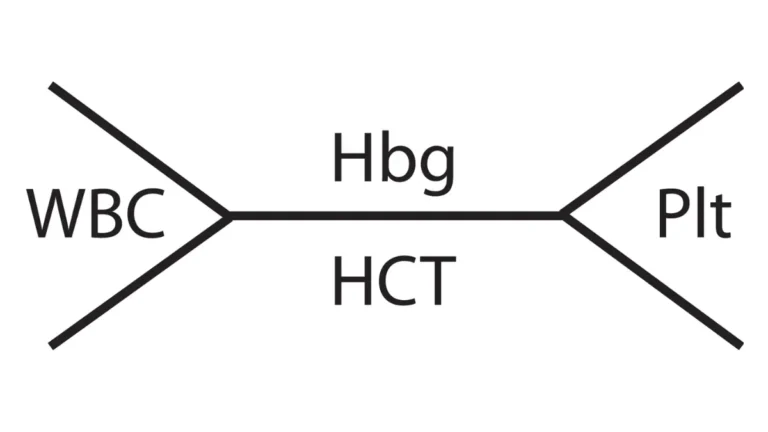
A complete blood count counts and sizes the cells in your blood: red blood cells, white blood cells, and platelets, plus hemoglobin, hematocrit, and red-cell size (MCV). MedlinePlus describes it as one tool your provider uses to check your health, not a standalone answer. The key idea: a CBC is a snapshot of your blood cells, not a scan of your organs.
🔬 How It Works: A lab machine streams your blood past a sensor that counts each cell type and measures its size. The result describes your blood itself — not the tissues around it.
What “normal” really means (and why ranges vary)
A “normal” result means your counts fall inside your lab’s reference range, which varies by lab, age, sex, and units. To see typical values and read your report line by line, see our guides to your lab’s normal range chart and how to read your CBC results.
What a CBC with differential adds
A CBC with differential counts the five white blood cell types separately, giving your doctor more detail when a result is abnormal.
What a normal CBC can — and can’t — rule out
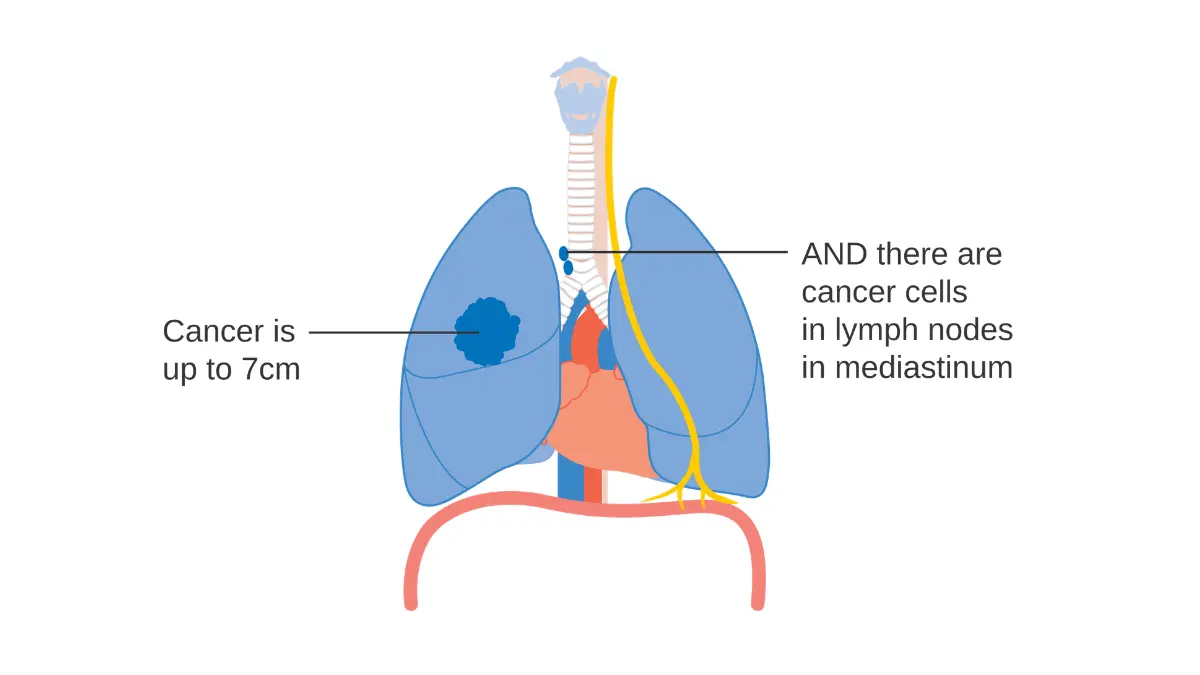
Here is the direct answer: a normal CBC does not rule out cancer on its own. It can help flag some blood cancers, such as leukemia or lymphoma, because those diseases usually disturb blood cell counts. But it cannot see solid-organ cancers like lung, breast, or colon cancer, which often produce a completely normal count.
| Type of cancer | Can a CBC help detect it? | Key clinical detail |
|---|---|---|
| Blood cancers (leukemia, lymphoma) | Sometimes — they often change blood cell counts | A clue that leads to more testing, not a diagnosis by itself |
| Multiple myeloma | Indirectly — through findings such as anemia | Usually needs added blood tests and a bone marrow biopsy |
| Solid tumors (lung, breast, colon, prostate, pancreatic) | No — a CBC cannot see them | Found with imaging, screening tests, and biopsy |
Source: Based on MedlinePlus (Complete Blood Count; Tumor Marker Tests) and the National Cancer Institute.
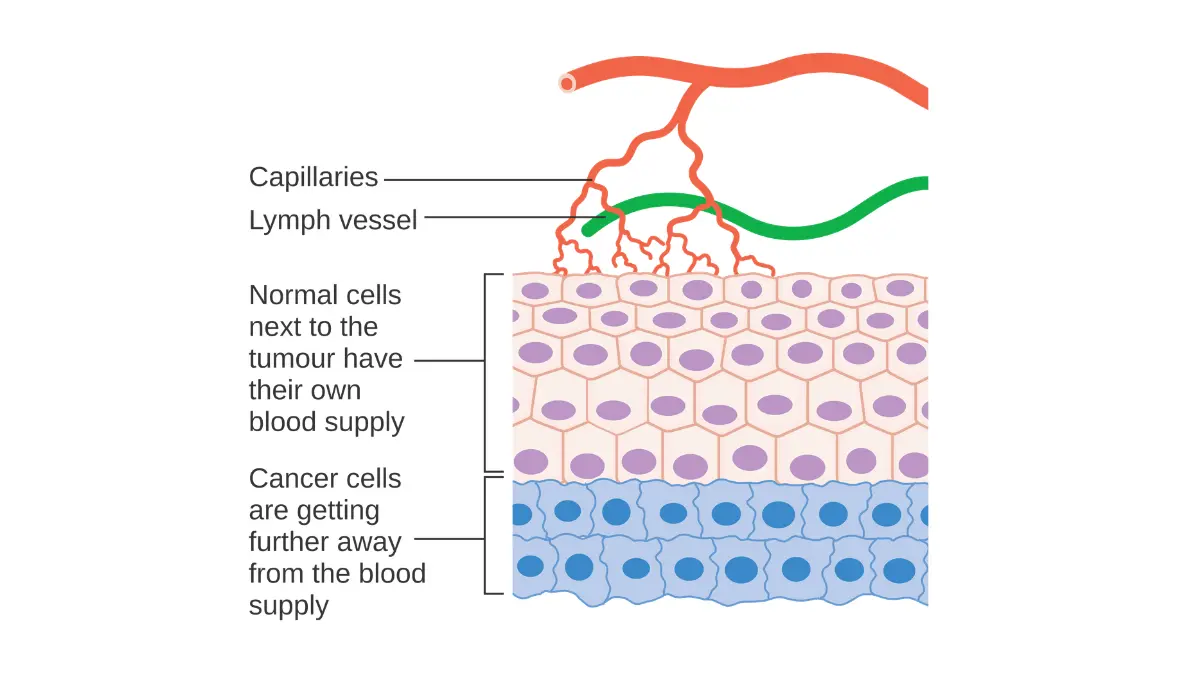
🩺 Physician Note: Major cancer authorities agree that most cancers cannot be diagnosed from routine blood work, and a biopsy is usually what confirms or rules out cancer. A normal CBC narrows the possibilities; it does not close the question. Our pieces on whether a CBC can detect cancer and a CBC can detect leukemia go deeper.
Why “normal” lowers the odds but isn’t an all-clear
A normal result is meaningful: because many blood cancers alter counts, a normal CBC makes several of them less likely. But “less likely” is not “excluded,” and a normal CBC says almost nothing about a tumor in an organ. As MedlinePlus explains, even blood tests built to look for cancer cannot confirm it — a biopsy is usually needed to diagnose or rule cancer out. So do not treat a normal CBC as proof you are cancer-free; if symptoms persist, the next section is for you.
When a CBC does show cancer clues (and when it doesn’t)
Sometimes people fixate on one value just outside the range. It helps to know which abnormalities can occasionally point toward cancer — and that each has far more common, non-cancer explanations. A normal result means these clues are not present.
Anemia (low red cells or hemoglobin)
Anemia — low red cells or hemoglobin — is usually caused by iron deficiency, a chronic condition, or benign blood loss. Occasionally it is an indirect clue to cancer.
🔬 How It Works: A digestive-tract cancer, such as a colon cancer, can bleed slowly. That unseen blood loss gradually lowers the red cell count, which is why new anemia is sometimes the first measurable sign while the tumor stays invisible to the CBC. Our guide to low hemoglobin and anemia covers the causes.
Abnormal white blood cell counts
A low white blood cell count can occasionally signal a marrow disorder or cancer, but more often reflects a virus, a medication, or an autoimmune condition. A high count usually points to infection. See our guide to a high white blood cell count.
Platelet changes — and why abnormal isn’t a verdict
Platelet counts drift for many reasons, most unrelated to cancer. The point is the same throughout: an abnormal number is a prompt for your doctor to look further, alongside your history — not a diagnosis.
Normal CBC but still have symptoms? When to see a doctor
This section matters most if you feel unwell. Because a complete blood count cannot detect most cancers, a normal result does not override symptoms that persist or worsen. Most symptoms turn out not to be cancer — the goal is to make sure a real concern is not dismissed because one test came back fine.
Symptoms worth getting checked even with a normal CBC
The National Cancer Institute notes that cancer can cause many symptoms, and only a doctor can tell whether a symptom is from cancer or something else. Changes worth raising, especially when they last or worsen, include:
- Unexplained weight loss you did not intend
- A cough, hoarseness, or trouble swallowing that does not clear
- A new lump anywhere on the body
- A lasting change in bowel or bladder habits
- Unusual bleeding or bruising
- Fatigue, fever, or night sweats that keep returning
Why a normal blood test doesn’t override persistent symptoms
The American Cancer Society notes most of these signs are more often caused by conditions other than cancer. That is reassuring — but “usually not cancer” is a reason to get an answer, not to wait, because a CBC cannot see the organs where these symptoms start.
⚠️ Clinical Warning: Treat any persistent, worsening, or new unexplained symptom as worth evaluating regardless of a normal CBC. Some — coughing up blood, major unexplained weight loss, a rapidly changing lump — warrant prompt attention.
✅ Patient Action: Book your primary care doctor and say: “My CBC was normal, but I still have [symptom, and how long] — what else should we check, and do I need imaging or a referral?” Our symptom checker helps you describe symptoms clearly, as a starting point, not a diagnosis.
How doctors actually check for cancer (beyond a CBC)
Knowing what happens next is often the antidote to lingering worry. Doctors diagnose cancer with a combination of tests, not a single blood count, and three tools work together.
- Imaging — a CT, MRI, or ultrasound sees suspicious areas a blood test cannot reach.
- Tumor markers — blood tests for substances linked to some cancers. The National Cancer Institute notes these cannot diagnose cancer alone, because non-cancer conditions raise them and not everyone with cancer has a high level — so they are paired with imaging or biopsy.
- Biopsy — the step that usually confirms or rules out cancer.
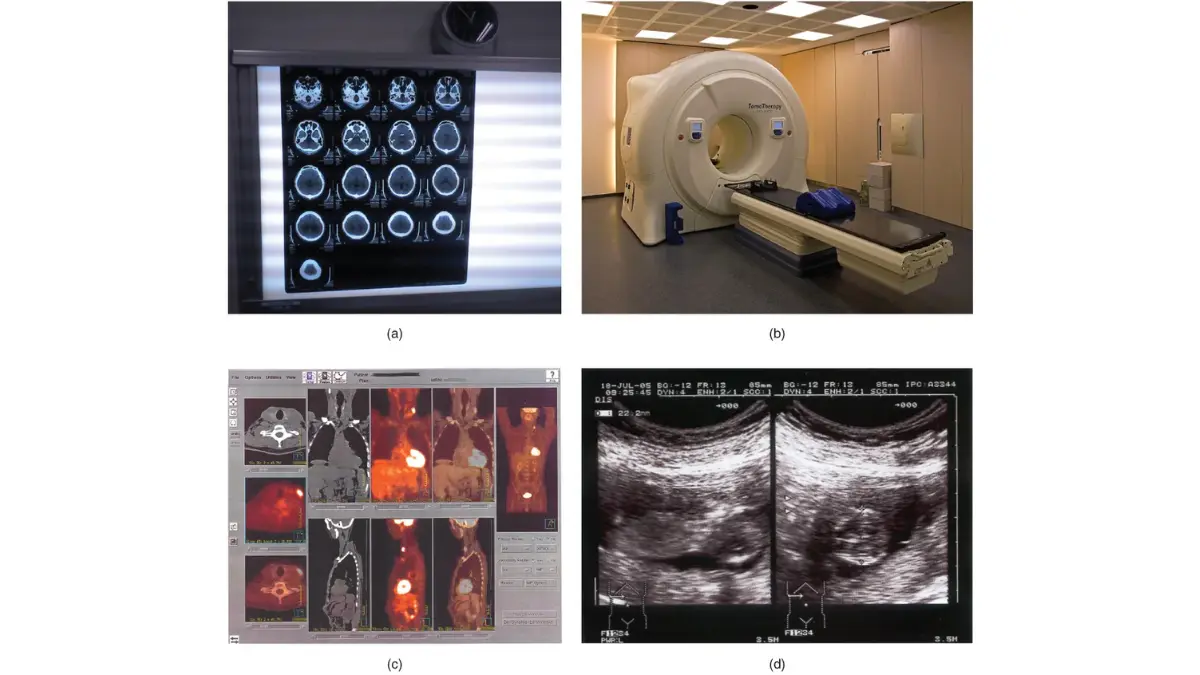
🔬 How It Works: In a biopsy, a doctor removes a small tissue sample and a pathologist examines the actual cells under a microscope. That direct look allows a definite answer — which is why a biopsy, not a blood test, is typically the deciding step. See our guide to biopsy results and timelines.
✅ Patient Action: Your doctor decides which tests you need based on your symptoms and history. Bring one question: “Do I need imaging, a referral, or a biopsy to rule this out?”
Making sense of the worry when your CBC is normal
Health anxiety is real and common, and a “normal” result that did not fully calm you is not a sign you are overreacting. Hold two true things at once.
Most symptoms turn out not to be cancer
Most symptoms people worry about are caused by something other than cancer, and a normal CBC does make several blood cancers less likely. That is real reassurance — though not a guarantee, which is why the honest response to a lingering symptom is to get it checked rather than to panic or ignore it.
How to advocate for yourself
You are the most reliable observer of what has changed in your body.
✅ Patient Action: Do three things — write down each symptom with its start date and whether it is worsening, book the appointment instead of waiting, and bring your notes and questions. With a family history, understanding your genetic risk factors can help you and your doctor decide about earlier screening.
Normal CBC and cancer: frequently asked questions
1. Can a normal CBC rule out cancer?
No — a normal CBC does not rule out cancer on its own. It can flag blood cancers like leukemia or lymphoma, which usually change blood counts, but it cannot see solid tumors like lung, breast, or colon cancer. If symptoms persist, see your primary care doctor.
2. What cancers can a CBC detect?
A CBC can help detect some blood cancers, mainly leukemia and lymphoma, and can hint at multiple myeloma through findings like anemia. It cannot detect solid-organ cancers such as lung, breast, colon, or pancreatic cancer. Even for blood cancers, it is a clue, not a diagnosis.
3. Can you have leukemia with a normal CBC?
Leukemia usually changes blood counts, so a normal CBC makes many blood cancers less likely — but not impossible, since some early cases show near-normal counts. Persistent unexplained fever, bruising, or fatigue still deserves evaluation by your doctor regardless of a normal result.
4. Does a normal CBC mean I don’t have lymphoma?
A normal CBC lowers the likelihood of some lymphomas but does not exclude them; lymphoma is often found through imaging and a lymph node biopsy, not a blood count. Ask your doctor about further testing if you have a persistent swollen node or night sweats.
5. What does a normal CBC actually tell you?
It tells you your blood cells — red cells, white cells, and platelets — fall within your lab’s reference range. A normal CBC is a snapshot of your blood, useful for spotting anemia, infection, and some blood cancers. It does not look at your organs.
6. Can a CBC detect colon or lung cancer?
No — colon and lung cancers are solid tumors a CBC cannot see. A slowly bleeding colon cancer can lower red cell counts, so anemia is sometimes an indirect clue, but anemia has many causes. Colonoscopy or low-dose CT, not a CBC, find these cancers.
7. My CBC is normal but I have symptoms — should I still see a doctor?
Yes. A normal CBC does not override symptoms that persist or worsen, because it cannot detect most cancers. Unexplained weight loss, a lasting cough, a new lump, or changed bowel habits should be evaluated regardless. Start with your primary care doctor and describe what changed.
8. What blood test actually detects cancer?
No single blood test diagnoses most cancers. Tumor marker tests can support a diagnosis but cannot confirm cancer alone, since non-cancer conditions raise them too. A biopsy — sampling and examining tissue — usually confirms or rules out cancer. Your doctor decides which tests fit.
9. Can anemia on a CBC mean cancer?
Occasionally — a gastrointestinal cancer that bleeds slowly can lower your red cell count. But anemia is common and usually caused by iron deficiency or chronic conditions. New or unexplained anemia should be checked by your doctor to find the cause.
10. How is cancer actually diagnosed?
Cancer is usually diagnosed with a combination of tests, not a CBC alone. Imaging such as CT, MRI, or ultrasound locates suspicious areas, tumor markers add information, and a biopsy provides the tissue needed to confirm it. What you need depends on your symptoms and history.
11. I’m anxious about cancer even though my CBC is normal — what should I do?
Health anxiety is common, and a normal CBC that did not fully calm you is familiar. Most symptoms turn out not to be cancer. Track anything that persists, book an appointment, and bring specific questions to your primary care doctor. A family history may warrant earlier screening.
The bottom line on a normal CBC and cancer worry
A normal CBC is real good news for what it measures — it makes several blood cancers less likely and rules out anemia and many infections. What it cannot do is see the organs where most cancers grow, so it is never a complete cancer all-clear. If you feel well, that is reassuring; if symptoms persist or worsen, the next step is your primary care doctor, not silence.
For the full picture, read our guide to what a complete blood count can and can’t tell you, and bring your written symptoms and questions to your next visit.
About this content
How this article was put together: researched from recognised health sources, drafted with the help of AI tools, and edited by hand, with sources linked throughout.

Sameer Patel is the founder and editor of My Medicine Advisor. He is not a doctor or medical professional — before starting this site he worked in banking,…
Medical disclaimer
The content on MyMedicineAdvisor is provided for general informational and educational purposes only and is not a substitute for professional medical advice, diagnosis, or treatment. Health information on this website should not be used to diagnose, treat, cure, or prevent any condition without guidance from a qualified healthcare professional. Always seek the advice of your doctor, physician, or another licensed healthcare provider with any questions you may have regarding a medical condition, symptoms, medications, or treatment decisions.