
On This Page – Quick Medical Summary
If you are holding a complete blood count (CBC) with a value marked “H” or “L,” start here: a flagged number is not a diagnosis. It is a signal that one result sits outside a typical range, and everyday things — hydration, a recent meal, your sex, your age, even altitude — can move it.
Use this guide by your situation. If a specific line is flagged, jump to its section: red cells and hemoglobin, the red cell indices, white cells, or platelets. If every value reads “normal” but you want to understand it, begin with the two columns on your report. If you are a caregiver reading a parent’s or partner’s results, the same line-by-line method applies. And if you are waiting on results and reading ahead, you’ll recognize each line when the numbers arrive.
A CBC is one of the most common blood tests, and it is only one tool your provider uses alongside your history and symptoms. For the wider view, our pillar guide covers what a complete blood count can and can’t tell you.
ℹ️ Medical Disclaimer: This article explains how to read CBC results for general education only. It is not a diagnosis, a treatment plan, or a substitute for medical advice, and it does not interpret your specific numbers. Reference ranges, medications, and any decision about further testing or treatment must be discussed with a board-certified physician — such as your primary care provider or a hematologist — who can interpret your results in the context of your health.
What the two columns on your report actually mean
Every CBC report has two parts that matter: your result and the reference range beside it. The reference range is the band of values a lab considers typical for a healthy adult, and anything above or below it is usually flagged “H” or “L.”
The same result can look alarming or fine depending on the units. A white cell count might be printed as “7.5” in one unit (thousands per microliter) or “7,500” in another (cells per microliter) — identical results, different notation. Check the unit column before you compare anything.
Ranges also differ by lab, sex, age, pregnancy, and altitude, which is why two reputable sources can list slightly different “normal” numbers. The number that matters for you is the one printed on your own report. The National Library of Medicine’s overview of the CBC explains what each part measures and why ranges vary.
🩺 Physician Note: Major references state plainly that normal ranges vary between laboratories and that you should compare your result only to the reference range on your own report. An online table is a general guide, never your personal benchmark.
Reading your red blood cell lines: RBC, hemoglobin, and hematocrit
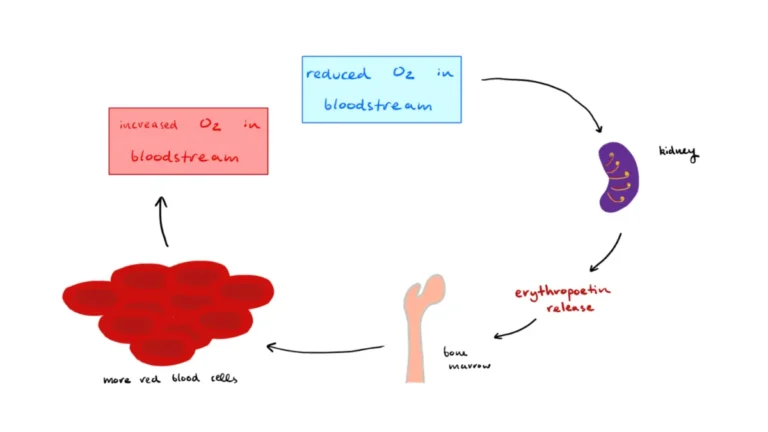
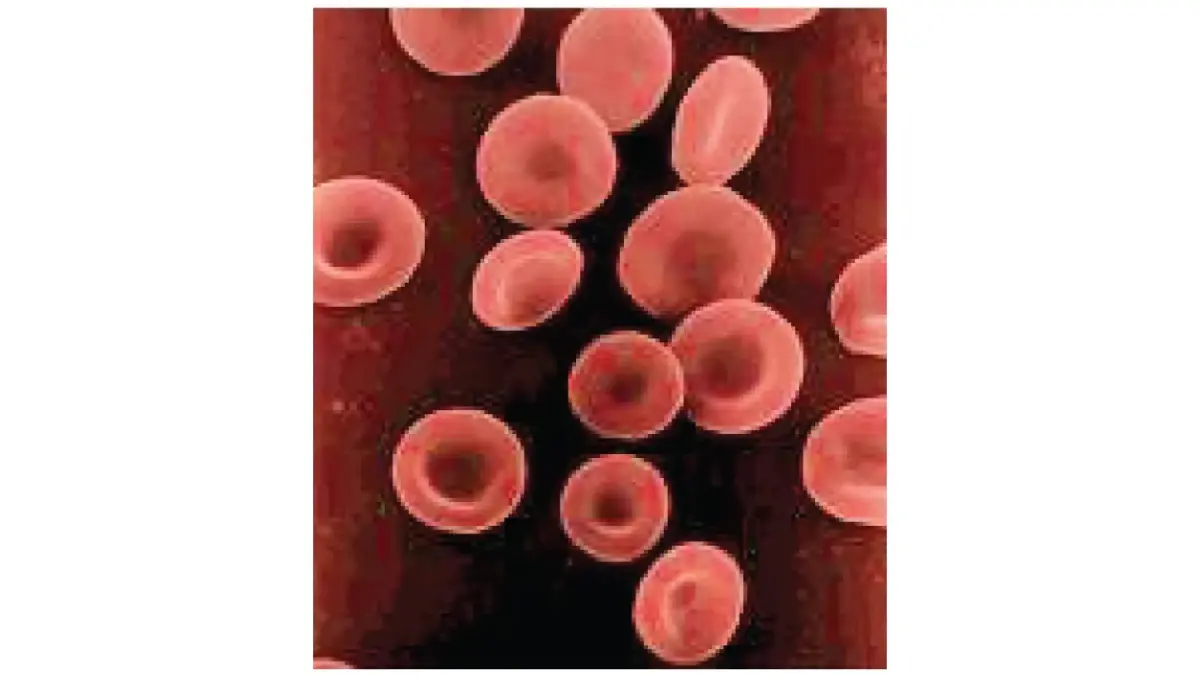
Three lines describe your red blood cells, and they usually move together. Here are the typical adult ranges, which your own lab may define slightly differently.
| Line | What it measures | Typical adult range | Key clinical detail |
|---|---|---|---|
| RBC | Number of red blood cells | Men 4.6–6.2M/mcL · Women 4.2–5.4M/mcL | Not used alone to diagnose anemia |
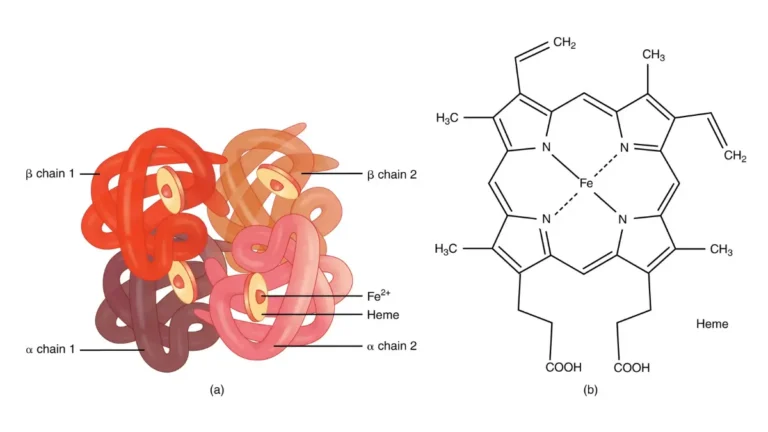
| Hemoglobin | Oxygen-carrying protein | Men 13–18 g/dL · Women 12–16 g/dL | The key red-cell value; low = anemia |
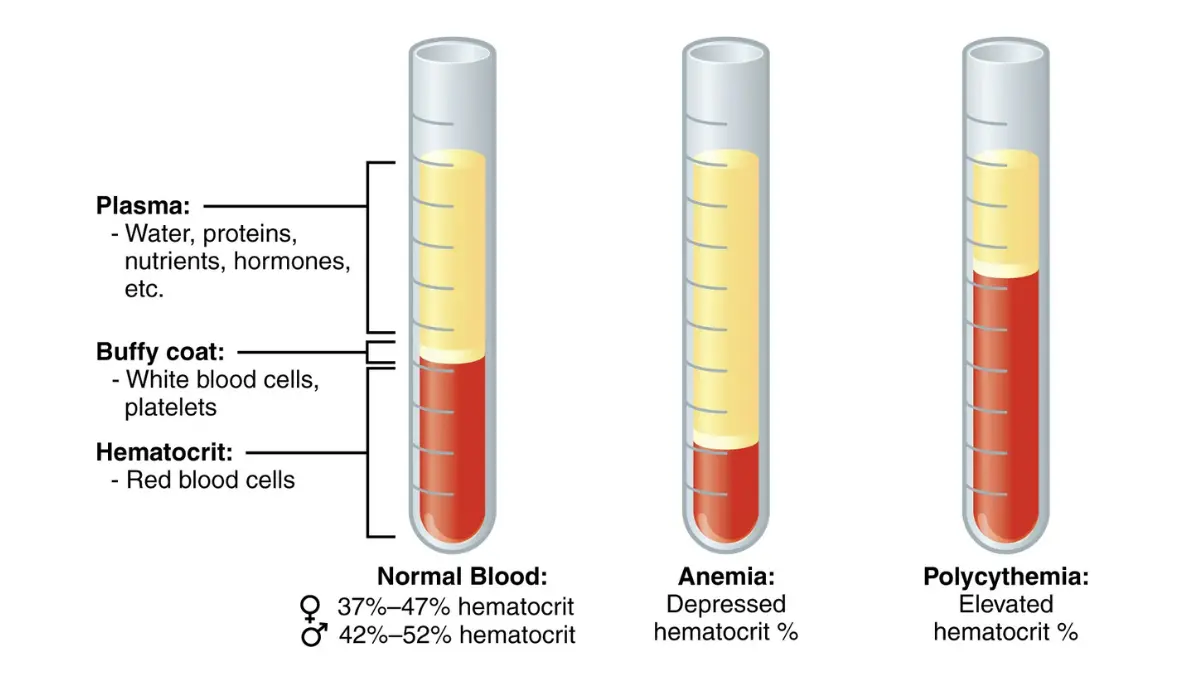
| Hematocrit | % of blood that is red cells | Men 40–55% · Women 36–48% | Tracks with hemoglobin; hydration affects it |
Typical ranges per MedlinePlus and NCBI StatPearls; your lab’s reference range may differ.
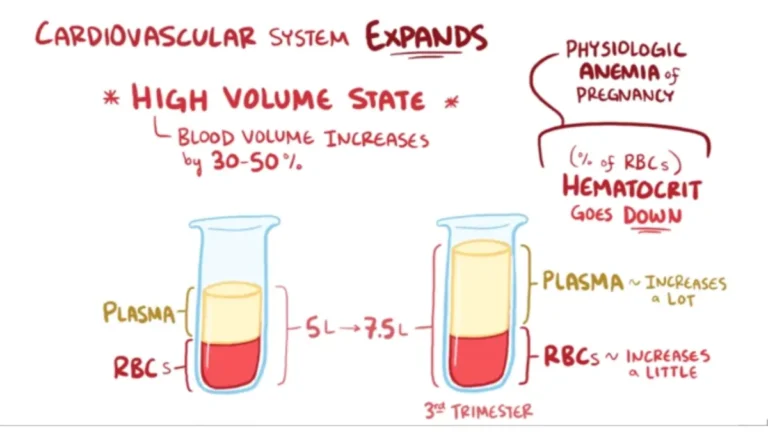
🔬 How It Works: Hematocrit is simply the share of your blood volume made up of red cells. If you are dehydrated, that share rises even though your red-cell production hasn’t changed — one reason hydration can nudge these numbers.
Low results across these lines signal anemia, which can stem from iron, B12, or folate deficiency, blood loss, or chronic conditions. High results can reflect dehydration, long-standing low blood oxygen, smoking, or a condition called polycythemia, per the MedlinePlus reference values for a CBC.
✅ Patient Action: If your hemoglobin or hematocrit is flagged low, ask your primary care provider whether iron studies, vitamin B12, or folate testing is the right next step for your situation.
What MCV, MCH, MCHC, and RDW tell you about your red cells
These four “indices” describe the size and content of your red cells, and they are the lines most people don’t recognize. They are calculated from the values above.
- MCV (average red-cell size): 80–100 fL — low is microcytic, high is macrocytic
- MCH (hemoglobin per cell): 27–32 pg/cell — tracks closely with MCV
- MCHC (hemoglobin concentration): 32–36 g/dL — low is hypochromic
- RDW (variation in cell size): ~11.5–15% — higher means more variation
Reference intervals per a clinical reference on the CBC and differential (NCBI StatPearls); lab-specific.
A high MCV means your red blood cells are larger than average, a pattern called macrocytic. Common causes include vitamin B12 or folate deficiency, and it is read alongside your other red-cell values, not on its own.
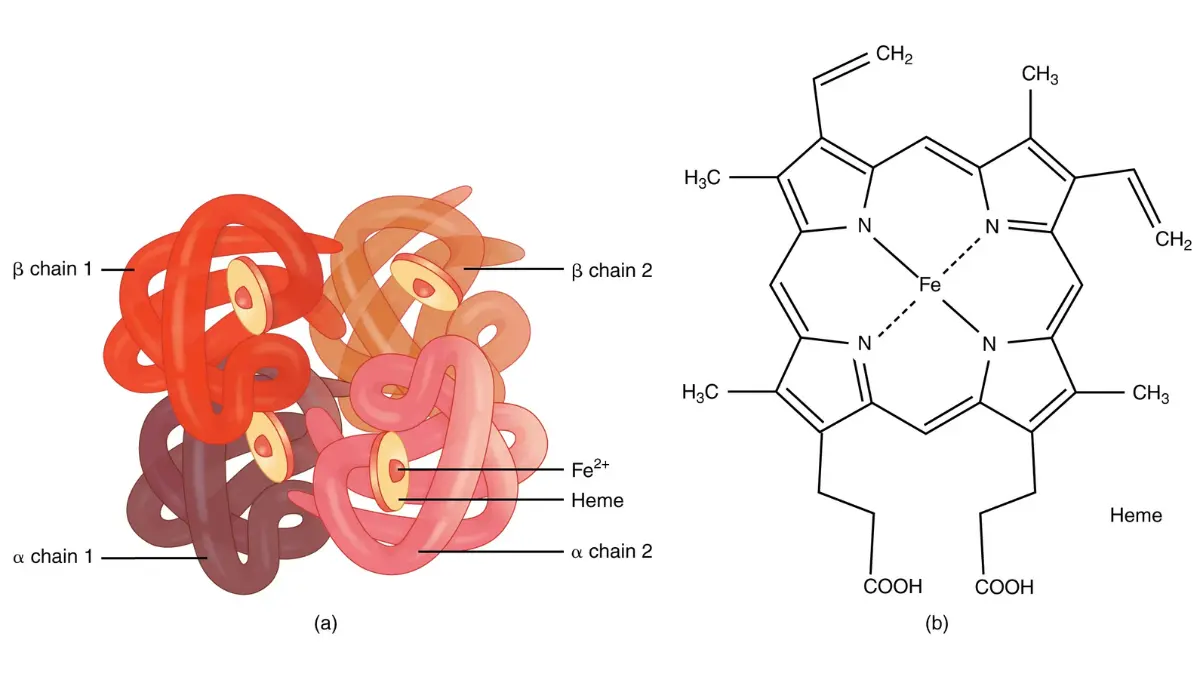
🔬 How It Works: MCV and RDW are most useful read together. A low MCV with a high RDW points toward a different cause than a low MCV with a normal RDW, which is why your provider looks at the pattern rather than any single index.
If your MCV is high and you’re also low on B12, those two lines connect — see how to read your vitamin B12 result.
Reading your white blood cell count and the differential
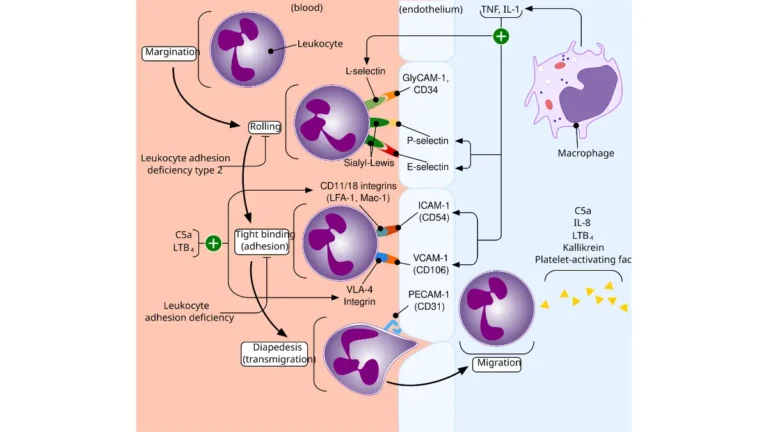
A normal white blood cell count in adults is generally 4,500 to 11,000 cells/mcL, though your lab’s range may differ. A high count is called leukocytosis; a low count, leukopenia.
📊 Clinical Data Point: White blood cell count — 4,500–11,000 cells/mcL in adults. Source: MedlinePlus and NCBI StatPearls (reference intervals are lab-specific).
The differential breaks that total into five cell types, shown as a percentage and often an absolute count. A percentage can read “high” while the absolute count stays normal — common, and often not meaningful on its own.
| Cell type | Typical adult range | What a shift can broadly suggest |
|---|---|---|
| Neutrophils | 40–60% (1,500–8,000/mcL) | Rise with infection, inflammation, stress |
| Lymphocytes | 20–40% (1,000–4,000/mcL) | Often rise with viral infections |
| Monocytes | 2–8% (200–1,000/mcL) | Rise in some longer-lasting infections |
| Eosinophils | 0–4% (0–500/mcL) | Rise with allergy or parasitic infection |
| Basophils | 0.5–1% (0–200/mcL) | Usually a small number; changes are non-specific |
Reference intervals per NCBI StatPearls; lab-specific. Causes shown are general categories, not diagnoses.
For flagged white-cell results, our guide on how to decode an abnormal CBC result goes deeper.
🩺 Physician Note: A single flagged cell type rarely means one specific thing. Clinicians read the whole differential together with your symptoms and history before deciding whether a repeat test or further evaluation is needed.
Reading your platelet count and judging whether a flag matters
A normal platelet count in adults is generally 150,000 to 400,000/mcL, though some labs use a slightly higher upper limit. Below the range is called thrombocytopenia; above it, thrombocytosis.
📊 Clinical Data Point: Platelet count — 150,000–400,000/mcL in adults. Source: MedlinePlus and NCBI StatPearls (some labs cite an upper limit up to 450,000).
You may also see MPV (mean platelet volume) on some reports. It is not part of every standard CBC and is usually meaningful only alongside the platelet count, so it isn’t worth over-reading on its own.
A high platelet count can follow iron deficiency, infection, or inflammation; a low count can reflect immune destruction, pregnancy, an enlarged spleen, or effects of treatments like chemotherapy. A value one or two points outside the range reads very differently from one far outside it — a slightly-off result on an otherwise normal report is often rechecked rather than acted on, but that judgment belongs to your clinician, in your units and your context. For more, see how to read your platelet count in detail.
When a flagged CBC result should prompt a call
Most flagged CBC results are followed up routinely, not urgently — but some situations warrant a prompt call. As a general guide, contact your provider when a value is markedly outside the range (not just slightly), when a flagged result appears alongside symptoms, or when a previously normal result has changed noticeably.
Symptoms worth mentioning with a flagged result include unusual fatigue, shortness of breath, easy bruising or bleeding, or signs of infection such as fever. These are reasons to be seen — not signs of a specific diagnosis, which only a clinician can determine.
⚠️ Clinical Warning: A markedly abnormal blood count combined with symptoms such as uncontrolled bleeding, severe shortness of breath, or a high fever is a reason to seek medical care promptly rather than waiting for a routine appointment. Only a clinician can interpret what your specific numbers mean for you.
If you have symptoms alongside a flagged result, our symptom checker can help you organize what you’re experiencing before your visit — a starting point, not a diagnosis.
✅ Patient Action: Bring your printed CBC to your primary care provider and ask two things: which specific line is flagged and by how much, and whether it needs rechecking or further testing given your symptoms and history.
Frequently asked questions about reading CBC results
1. What do the numbers on a CBC report mean?
Your CBC report shows each blood value beside a reference range. When learning how to read CBC results, the key is comparing your number to that range, not a universal figure. Values outside the range are flagged, but a flag signals a result to look into — not a diagnosis your clinician has made.
2. What does the reference range column mean?
The reference range is the band of values a lab considers typical for a healthy adult. Your result is compared to it, and anything above or below is flagged high or low. Because ranges vary by lab, sex, age, and altitude, the range printed on your own report is the one that applies to you.
3. Why is my lab’s normal range different from what I read online?
Ranges differ because labs use different equipment and populations, and values shift with sex, age, pregnancy, and altitude. That’s why two reputable sources can list slightly different numbers. When reading CBC results, treat online tables as a general guide and compare your value only to your own lab’s reference range.
4. What is a normal hemoglobin level?
Typical adult hemoglobin runs about 13–18 g/dL for men and 12–16 g/dL for women, though your lab’s range may differ. Low hemoglobin is called anemia and has many causes, from iron deficiency to blood loss. A flagged hemoglobin should be interpreted by your clinician alongside your symptoms.
5. What does a low hematocrit mean?
Hematocrit is the percentage of your blood made up of red cells, and low values often accompany low hemoglobin as a sign of anemia. Causes include iron, B12, or folate deficiency, blood loss, and chronic conditions; hydration affects it too. Ask your provider whether follow-up testing is appropriate for you.
6. What is MCV on a blood test?
MCV (mean corpuscular volume) is the average size of your red blood cells, typically 80–100 fL in adults. A low MCV means smaller cells (microcytic); a high MCV means larger cells (macrocytic). It helps point toward the type of anemia and is read alongside your other red-cell values, not alone.
7. What does a high RDW mean?
RDW (red cell distribution width), typically about 11.5–15%, measures how much your red blood cells vary in size. A high RDW means more variation, which can appear early in some anemias. It’s most useful read together with MCV, so your clinician interprets the pattern rather than either number alone.
8. What is a normal white blood cell count?
A normal adult white blood cell count is generally 4,500–11,000 cells/mcL, though your lab’s range may differ. A high count (leukocytosis) can follow infection, inflammation, or stress; a low count (leukopenia) has its own causes. The differential shows which cell types are driving a change and is read with your symptoms.
9. What does the WBC differential show?
The differential splits your white cells into five types — neutrophils (40–60%), lymphocytes (20–40%), monocytes, eosinophils, and basophils — as percentages and often absolute counts. Neutrophils often rise with infection, lymphocytes with viruses, eosinophils with allergy. A percentage can read high while the absolute count stays normal, so patterns matter more than one value.
10. What is a normal platelet count?
A normal adult platelet count is generally 150,000–400,000/mcL, with some labs citing up to 450,000. Below the range is thrombocytopenia; above it, thrombocytosis. Both have many causes, and a mildly abnormal value is often rechecked rather than acted on. Your clinician interprets the number in your context.
11. When should I worry about abnormal CBC results?
Most flagged results are followed up routinely. Contact your provider promptly when a value is markedly outside the range, when a flag appears with symptoms like unusual fatigue, bleeding, or fever, or when a normal result has changed noticeably. A markedly abnormal count with severe symptoms warrants urgent care. Only a clinician can interpret your specific results.
Putting your CBC results in context
Reading your CBC comes down to one habit: compare each line to the reference range on your own report, in your own units, and treat a flag as a prompt to look closer rather than a verdict. Red-cell lines speak to anemia and oxygen-carrying capacity, the indices describe the size and content of those cells, white cells reflect infection and immune activity, and platelets relate to clotting.
For a fuller walkthrough of specific findings, see our explainer on CBC blood test results. Then bring your printed report and your questions to your provider, who can read the whole picture — your numbers, your symptoms, and your history — together.
About this content
How this article was put together: researched from recognised health sources, drafted with the help of AI tools, and edited by hand, with sources linked throughout.

Sameer Patel is the founder and editor of My Medicine Advisor. He is not a doctor or medical professional — before starting this site he worked in banking,…
Medical disclaimer
The content on MyMedicineAdvisor is provided for general informational and educational purposes only and is not a substitute for professional medical advice, diagnosis, or treatment. Health information on this website should not be used to diagnose, treat, cure, or prevent any condition without guidance from a qualified healthcare professional. Always seek the advice of your doctor, physician, or another licensed healthcare provider with any questions you may have regarding a medical condition, symptoms, medications, or treatment decisions.