
On This Page – Quick Medical Summary
If a provider told you to get a complete blood count, or you just want to check your own blood, the question is the same: where can you actually get a CBC test? This guide routes you by situation.
- Have a doctor’s order? You have the most options — go straight to where to go.
- Want to order a CBC yourself? Check whether your state allows self-ordering first.
- Worried about cost? Jump to what a CBC runs with and without insurance.
- Here because of symptoms? Usually it’s best to see a clinician first — more on that near the end.
A CBC is one of the most common blood tests, used at checkups and to monitor many conditions, and it’s usually quick to get. Below is where to go, what it costs, and how to choose. For the clinical side, see what a complete blood count measures and what it can’t tell you.
ℹ️ Medical Disclaimer: This is general health information, not medical advice, and doesn’t replace care from a licensed clinician. A CBC is a screening test, not a diagnosis. Where you can get one, what it costs, and whether you can self-order vary by state, lab, and insurer and change over time — confirm specifics with the lab and your plan. If you have concerning symptoms, see a provider rather than relying on a self-ordered test.
Where you can get a CBC test
You can get a CBC test at more places than most people realize:
- Your doctor’s office or an affiliated clinic lab
- A standalone lab such as LabCorp or Quest Diagnostics
- A hospital outpatient lab
- Urgent care and many retail or pharmacy clinics
- Community health centers and free or low-cost clinics
- Online, through a service that sends you to a nearby lab for the draw
Your doctor’s office or clinic lab
If a provider ordered your CBC, the simplest path is often the lab attached to their office or health system — your order is on file and results flow back to your chart. It’s also the route most likely to be fully covered when the test is medically necessary.
Standalone labs and hospital outpatient labs
Standalone labs like LabCorp and Quest run thousands of patient service centers nationwide and accept Medicare assignment at most locations. Hospital outpatient labs work too but sometimes carry higher facility pricing; you can book with an order or, in many states, order the test yourself.
Urgent care, retail clinics, and community health centers
Urgent care and many retail or pharmacy clinics can draw a CBC, which helps if you want same-day service without a primary care visit. Community and free clinics are worth knowing about when cost is a barrier; to skip a lab entirely, compare an at-home CBC test versus a standard lab draw.
Do you need a doctor’s order for a CBC?
In most U.S. states you can order a CBC yourself, but the lab still needs a valid order on file — and a few states restrict consumer self-ordering. Whether you need a doctor depends on your state and the lab you choose.
When your doctor orders it
The traditional route is a provider writing the order, which is required at hospital and clinic labs and lets insurance treat the test as medically necessary. It’s also the right choice when the CBC is part of working up a symptom.
Ordering a CBC yourself (direct access testing)
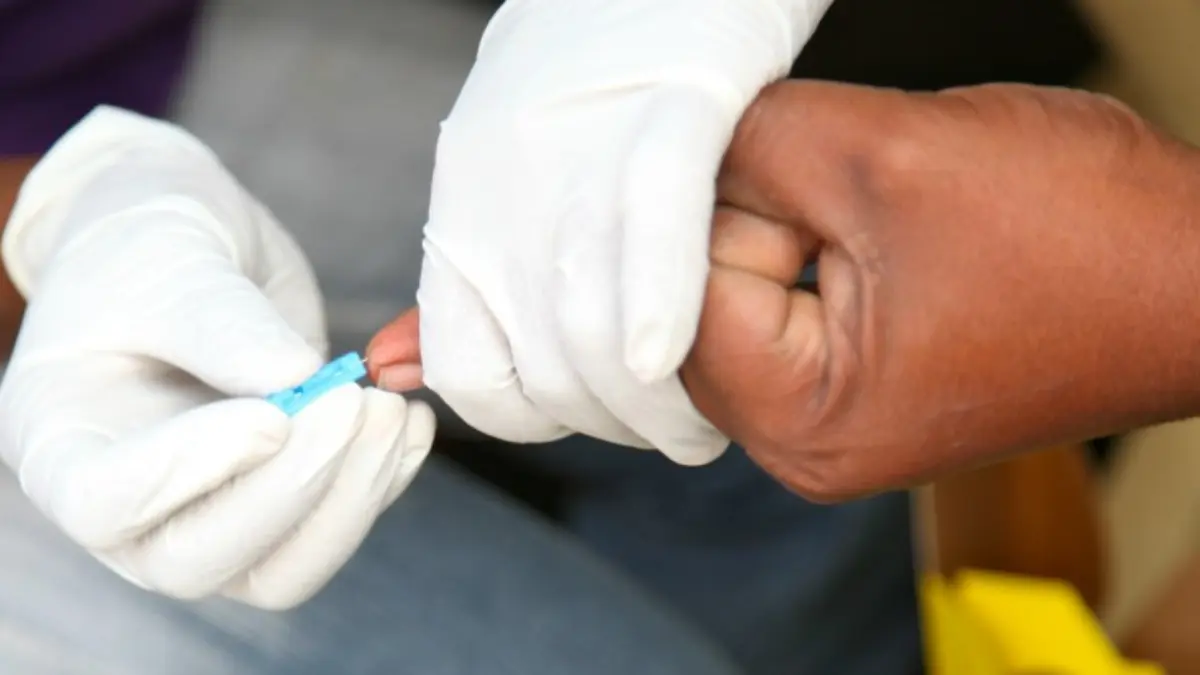
Many labs and online platforms offer direct access testing, letting you buy a CBC without seeing a doctor first.
🔬 How It Works: “No doctor needed” doesn’t mean no paperwork. A certified lab still needs a valid requisition to run and release results, so direct-to-consumer services attach a standing physician order behind the scenes at checkout. You pay up front, visit a partner lab for the draw, and get results through a portal, often within a couple of business days.
Where self-ordering isn’t allowed
A few states limit or bar consumer self-ordering, and the rules change — New York, for example, restricts direct access testing, and some national labs won’t self-order in certain states. Even where it’s allowed, self-ordering suits routine screening, not sorting out worrying symptoms.
How to get a CBC test near you, step by step
Getting a CBC is a short, predictable process:
- Find a nearby lab, clinic, or urgent care — and check whether you need an order or can self-order in your state.
- Book an appointment or confirm walk-ins; if ordering online, buy the test and pick a partner lab.
- Confirm any prep instructions — a CBC alone usually needs none.
- Go in for the blood draw, which takes only a few minutes.
- Get results through your provider or an online portal, usually within a couple of business days.
Find a location and book (or order online)
Match a location to your situation: your doctor’s lab if you have an order, a standalone lab for flexibility, or an online service if you’re self-ordering. Confirm the site accepts your insurance, and booking ahead usually beats walking in.
How to prepare for the draw
A CBC by itself usually needs no special preparation, so you can typically eat and drink normally. If it’s bundled with other tests, like a cholesterol or glucose panel, you may need to fast — check whether you need to fast beforehand — and bring your ID and insurance card.
The blood draw and getting your results
A technician draws a sample from a vein in your arm; per MedlinePlus, the draw usually takes under five minutes and carries little risk. Results are often ready within one to two business days, though timing varies — here’s how long a CBC and its results typically take.
How much does a CBC test cost?
What a CBC costs depends mostly on how you pay and where you go. With insurance or Medicare, a medically necessary CBC often costs little or nothing; paying cash, it’s typically one of the cheaper lab tests — commonly around $10 to $30 at discount online platforms, though prices vary and run higher at hospitals.
With insurance and Medicare
If a provider orders your CBC because it’s medically necessary, most plans cover it, though a deductible or copay can apply.
📊 Clinical Data Point: Medicare Part B covers medically necessary diagnostic laboratory tests, including a CBC, when a provider orders them — and most beneficiaries pay nothing. Source: Medicare.gov, Diagnostic Laboratory Tests. Labs billing under Medicare’s fee schedule must accept assignment, so there’s generally no separate charge to you.
One caveat: routine blood work at an annual physical isn’t automatically covered unless it’s tied to a medical reason. See Medicare’s coverage of diagnostic laboratory tests and how Medicare sets lab-test payment rates, or check whether your insurance covers a CBC.
Paying cash (without insurance)
Without insurance, self-pay CBCs are usually inexpensive, especially through online platforms with flat prices; hospital labs tend to charge the most and community clinics the least. Prices shift by location and over time, so compare a few — we break down what a CBC typically costs in more detail.
Why the same test costs different amounts
The identical test can carry very different prices because of contracted insurer rates, hospital facility fees, and cash-pay discounts — so confirm the price before you book to avoid a surprise bill.
Which option is right for you?
The best place to get your CBC depends on what matters most: speed, price, whether you need an order, or follow-up support.
| Where you go | Order needed? | Typical cost | Results speed | Best for patient profile |
|---|---|---|---|---|
| Doctor’s office / clinic lab | Yes | Often $0 when medically necessary | Via your chart, ~1–2 days | Anyone with an order who wants results in their record |
| Standalone lab (LabCorp/Quest) | Usually — or self-order in many states | Low–moderate cash price | ~1–2 business days | Flexibility and many locations |
| Hospital outpatient lab | Yes | Often highest (facility fees) | ~1–2 days | Those already in hospital care |
| Urgent care / retail clinic | No (walk-in) | Moderate; visit fee may apply | Same day to a few days | Same-day testing without a PCP visit |
| Community / free clinic | Sometimes | Free or low-cost | Varies | When cost is the main barrier |
| Online + local draw | No (platform provides order) | Often the lowest cash price | ~1–2 business days | Self-ordering routine screening on a budget |
Coverage figures per Medicare.gov and CMS; cost and timing bands are approximate and vary by lab, plan, and location.
Fastest and most convenient
For speed without a doctor visit, urgent care, a retail clinic, or an online order with a nearby draw are usually quickest, and same-day walk-ins exist at many urgent care sites.
Cheapest (with and without insurance)
Insured and medically necessary? Your doctor’s lab is usually cheapest, often nothing. Uninsured, an online self-pay platform or a community clinic typically beats a hospital lab by a wide margin.
When you want built-in clinical follow-up
Ordering through your own provider means someone who knows you reviews the results and plans next steps — cheapest cash options rarely include that, so pair them with a clinician if anything looks off.
When to see a doctor instead of self-ordering
Self-ordering a CBC is reasonable for routine screening or simple curiosity. But some situations call for a clinician first — not a do-it-yourself test you’ll interpret alone.
Symptoms that mean “see a clinician first”
A CBC is often ordered precisely because someone has symptoms — and those deserve a professional’s judgment, not just a number.

⚠️ Clinical Warning: If you have red-flag symptoms such as unexplained bleeding or bruising, a persistent fever, drenching night sweats, or unexplained weight loss, don’t rely on a self-ordered CBC and self-interpretation. Contact a clinician promptly, or seek urgent care, so the right tests are ordered and acted on together.
Not sure whether your symptoms warrant a visit? Our symptom checker can help you think it through, though it doesn’t replace medical advice.
A CBC is a screening test, not a diagnosis
A CBC counts and sizes your blood cells; on its own, it doesn’t diagnose a disease. Results outside the reference range are common and often benign — from a recent infection to dehydration — so what they mean depends on your full picture. Interpretation belongs with a clinician; here’s how to read your CBC results.
✅ Patient Action: If your CBC is abnormal, ask your primary care provider or the ordering clinician: “Given these results and my symptoms, what follow-up tests do I need, and what’s the timeline?” That turns a number into a plan.
Frequently asked questions about getting a CBC test
1. Where can I get a CBC test near me?
You can get a CBC test at your doctor’s office or clinic lab, a standalone lab like LabCorp or Quest, a hospital outpatient lab, urgent care, a retail or pharmacy clinic, or a community or free clinic. You can also order online through a service that sends you to a nearby lab for the draw.
2. Can I get a CBC test without a doctor’s order?
In most U.S. states you can order a CBC test yourself through direct access testing, though the lab still needs a valid order, which online platforms provide behind the scenes. A few states, such as New York, restrict self-ordering, and rules change — so confirm what’s allowed in your state first.
3. How much does a CBC blood test cost without insurance?
Without insurance, a CBC is usually one of the cheaper lab tests — commonly around $10 to $30 through discount online platforms, though prices vary by lab and location and run higher at hospitals. Community and free clinics may offer it at low or no cost. Confirm the current price before booking.
4. Does Medicare or insurance cover a CBC?
Medicare Part B covers medically necessary diagnostic laboratory tests, including a CBC, when a provider orders them, and most beneficiaries pay nothing. Labs billing under Medicare’s fee schedule must accept assignment. Routine blood work at an annual physical isn’t automatically covered unless it’s medically necessary. Private insurance usually covers an ordered CBC too.
5. Can I get a CBC at LabCorp or Quest?
Yes. LabCorp and Quest Diagnostics operate thousands of patient service centers nationwide and are common places to get a CBC test, whether your doctor orders it or you self-order where allowed. Both accept Medicare assignment at most locations, and you can usually walk in or book online.
6. Do I need to fast before a CBC?
A CBC test by itself usually needs no special preparation, so you can generally eat and drink normally beforehand. If your CBC is bundled with other tests, such as a cholesterol or glucose panel, you may need to fast. Check your specific order, and ask the lab if you’re unsure.
7. How long does a CBC take, and when will I get results?
The blood draw for a CBC usually takes under five minutes. Results are often ready within one to two business days, though the exact timing varies by lab and how the sample is processed. Your provider or an online portal will share the numbers once they’re ready.
8. Can I do a CBC test at home?
At-home CBC options exist, but a standard, complete CBC is typically run from a venous blood draw at a lab, which many finger-prick kits can’t fully replicate. If you’re weighing convenience against completeness, compare an at-home CBC test with a lab draw — and remember abnormal results still need a clinician to interpret.
9. Is a walk-in or self-ordered CBC the same as one my doctor orders?
Yes — a walk-in or self-ordered CBC test runs at the same certified laboratories your doctor uses, so the analysis and quality are the same. The main difference is oversight: with a self-ordered test, no clinician is automatically reviewing your results, so it’s best for routine screening rather than worrying symptoms.
10. What should I do if my self-ordered CBC is abnormal?
Don’t panic or self-diagnose — a CBC is a screening test, not a diagnosis, and mildly abnormal results are common and often benign. Contact a clinician to interpret them alongside your history and symptoms, and ask what follow-up is needed. If you have red-flag symptoms, seek care promptly rather than waiting.
11. Can I use urgent care or a retail clinic for a CBC?
Yes, many urgent care centers and retail or pharmacy clinics can draw a CBC test, which is useful for same-day testing without a primary care appointment. A visit or facility fee may apply, so it isn’t always the cheapest route. Call ahead to confirm they offer the test.
Getting your CBC: the bottom line
Getting a CBC test is usually easy and affordable. With an order, your doctor’s lab is the simplest and often cheapest route; without one, a standalone lab, urgent care, community clinic, or an online service with a local draw all work, and most states let you self-order for routine screening. Let cost, speed, and whether you want built-in follow-up guide your choice — and if symptoms brought you here, start with a clinician rather than a number. For the full clinical picture, see what a complete blood count shows.
About this content
How this article was put together: researched from recognised health sources, drafted with the help of AI tools, and edited by hand, with sources linked throughout.

Sameer Patel is the founder and editor of My Medicine Advisor. He is not a doctor or medical professional — before starting this site he worked in banking,…
Medical disclaimer
The content on MyMedicineAdvisor is provided for general informational and educational purposes only and is not a substitute for professional medical advice, diagnosis, or treatment. Health information on this website should not be used to diagnose, treat, cure, or prevent any condition without guidance from a qualified healthcare professional. Always seek the advice of your doctor, physician, or another licensed healthcare provider with any questions you may have regarding a medical condition, symptoms, medications, or treatment decisions.