
On This Page – Quick Medical Summary
An at-home CBC test is easy to misunderstand, because the name suggests the whole test happens on your kitchen counter. It doesn’t. Almost every at-home complete blood count has you collect a few drops of blood from a finger prick, then mail that sample to a certified laboratory that runs it on the same analyzer used for a standard blood draw.
That one distinction — home collection, lab analysis — shapes accuracy, cost, speed, and when the kit is the wrong tool. Where you go next depends on your situation: for convenience and routine, non-urgent tracking, the accuracy and cost comparison below is for you. If you’re a value shopper, skip to how the options compare on price and speed. And if a worrying symptom brought you here — fatigue, easy bruising, repeated infections, unexplained weight loss — read the section on when a home kit is the wrong choice first, because that calls for a clinician, not a mail-in kit. Our pillar guide covers what a complete blood count can and can’t tell you.
ℹ️ Medical Disclaimer: This article is general health education, not medical advice; it does not diagnose disease, interpret your results, or recommend a specific test. At-home and lab blood tests aren’t a substitute for a licensed clinician. Before acting on any result — or deciding whether to test — consult a board-certified physician who knows your history.
What an at-home CBC test actually measures
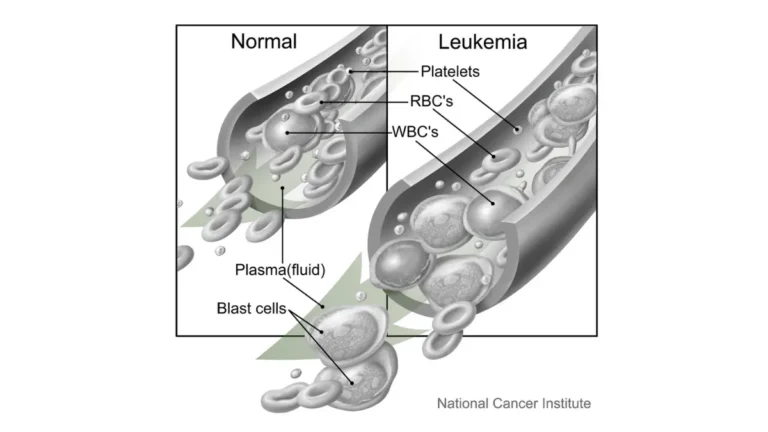
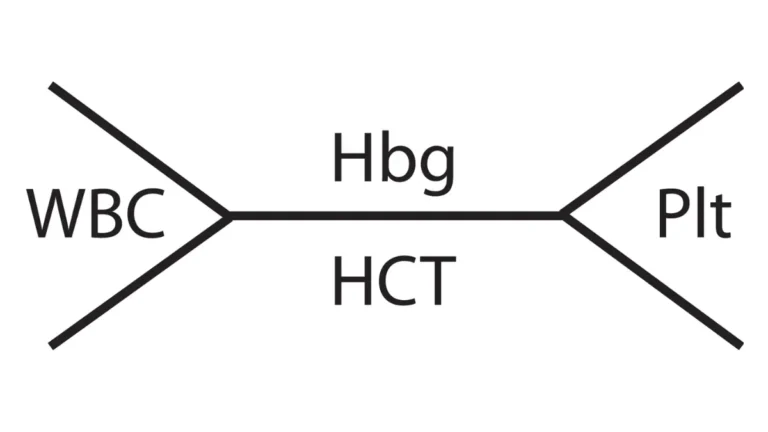
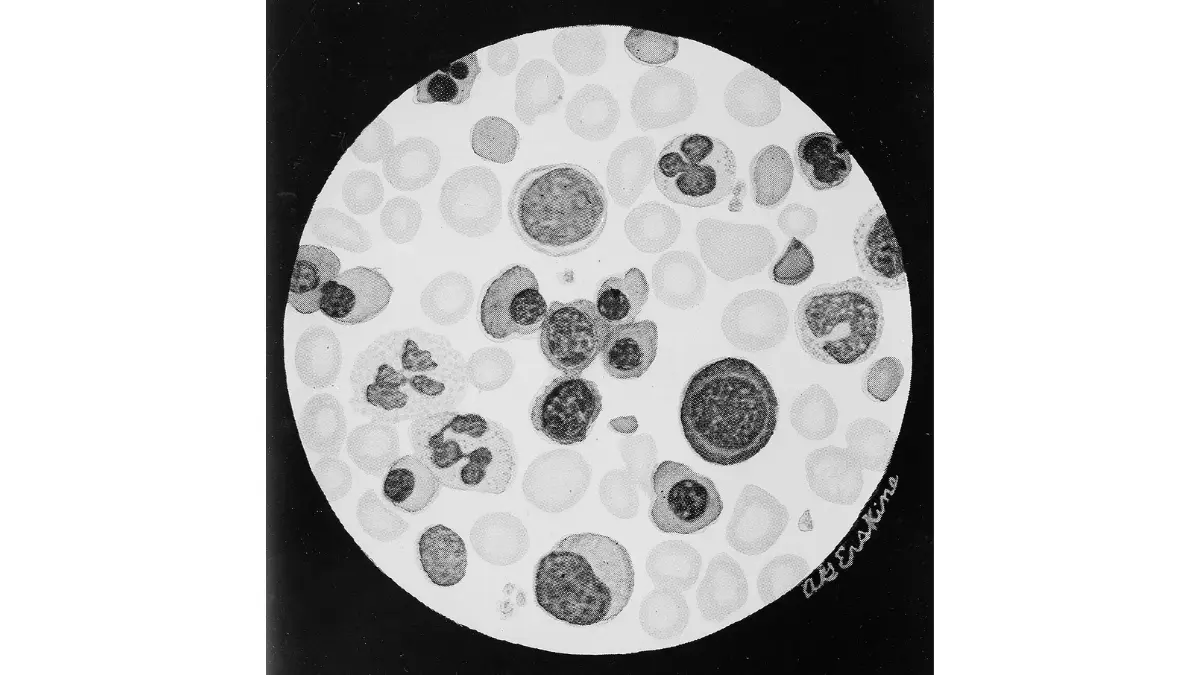
Whether collected by finger prick at home or drawn from a vein, a CBC counts the same core components: your red blood cells, white blood cells, and platelets, plus hemoglobin, hematocrit, and cell size, according to the National Library of Medicine’s overview of the CBC.
Red cells, white cells, and platelets
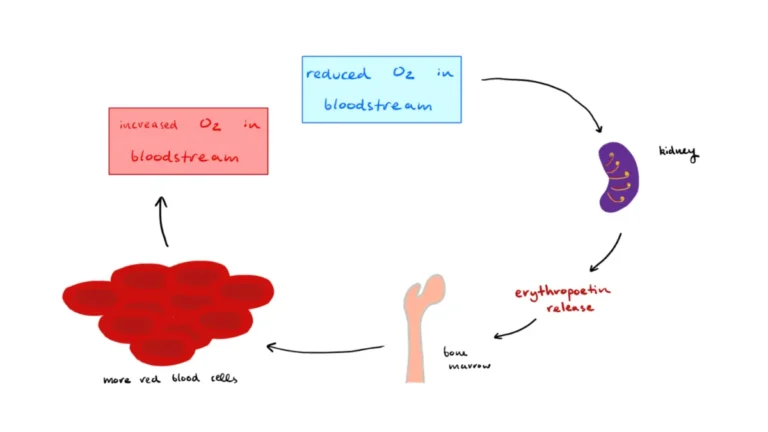
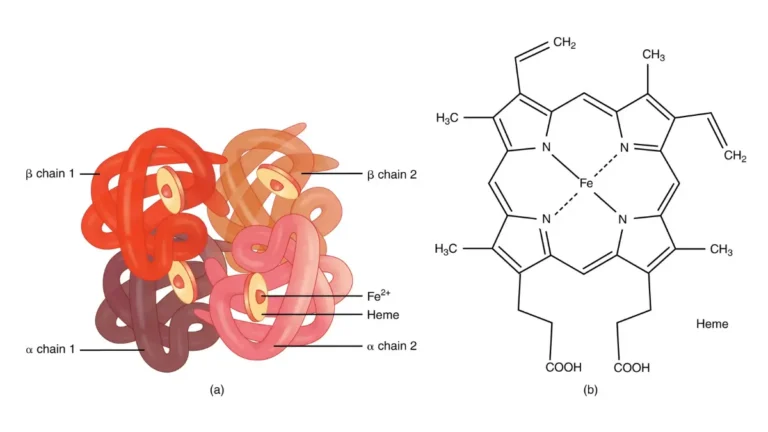
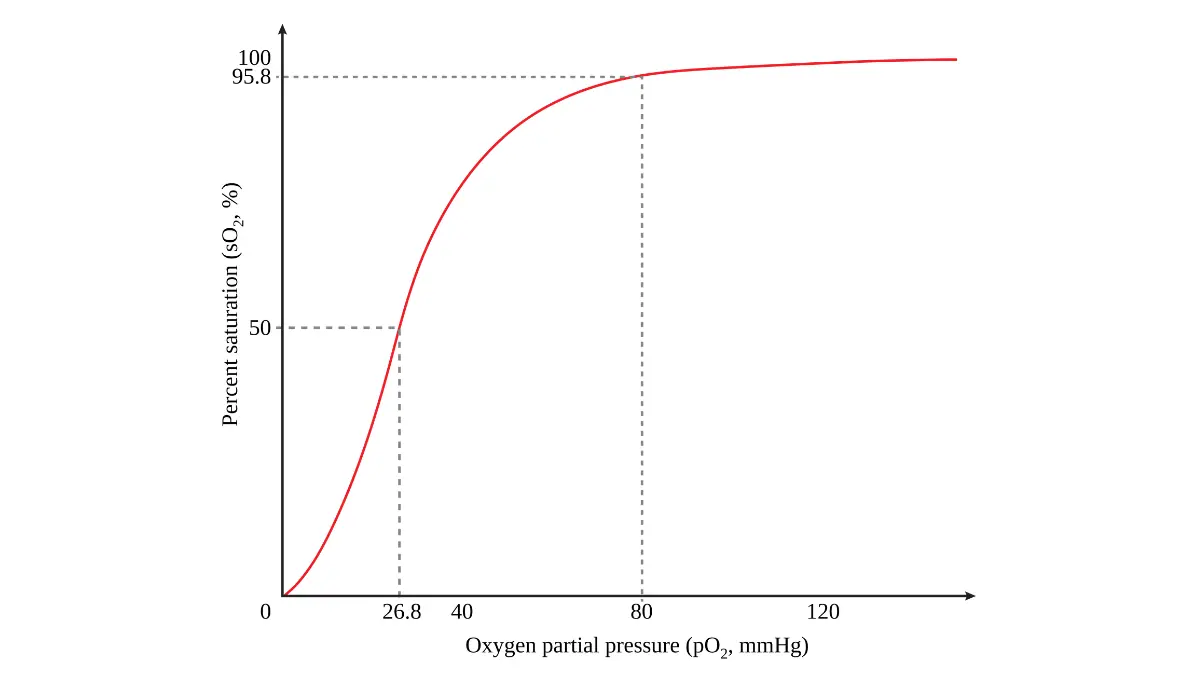
Red blood cells carry oxygen and hemoglobin is the protein inside them that binds it; hematocrit is the share of blood made of red cells. White blood cells fight infection, and platelets help blood clot.
The differential and the RBC indices
A CBC with differential counts each type of white cell — neutrophils, lymphocytes, monocytes, eosinophils, and basophils. It also reports indices such as MCV, the average red-cell size, which help explain an abnormal result — including the difference between hematocrit and hemoglobin.
What a CBC doesn’t cover
A CBC is not a metabolic panel, so it won’t measure blood sugar, kidney or liver values, or cholesterol — see how a CBC differs from a metabolic panel.
How at-home CBC testing works, step by step
The at-home part is collection, not analysis. The actual sequence:
- You order a kit online; it arrives with a lancet, a collection device, and instructions.
- You prick a fingertip and collect a few drops of blood into the tube or onto the card.
- You mail the sample the same day in prepaid packaging to the company’s laboratory.
- A CLIA-certified laboratory analyzes it and posts results online, usually two to three days after receiving the sample.
A standard lab CBC compresses this: a vein draw, with results often about a day after analysis. Here’s more on how long CBC results usually take.
Do you need to fast?
No — a CBC doesn’t require fasting, so eat and drink normally before collecting, unless it’s bundled with tests that need it. More on whether a CBC requires fasting.
Where home collection can go wrong
Fingerstick technique is unforgiving: squeezing too hard, a cold or wet fingertip, or too little blood can dilute or damage the sample. Warming your hands and following the fill line closely prevents the most common failures.
At-home CBC vs lab CBC: accuracy, cost, and speed compared
For most healthy people tracking a trend, a mailed-in fingerstick CBC is reasonable; for anything hinging on a precise number or a diagnosis, the venous lab draw remains the standard. The reason comes down to the sample.
Accuracy: how fingerstick and venous results differ
Studies comparing paired fingerstick and venous samples generally find strong agreement, with small, consistent differences. Capillary readings tend to run slightly higher for hemoglobin, hematocrit, white cells, and red cells, while venous sampling is more precise and repeatable.
📊 Clinical Data Point: In peer-reviewed research comparing fingerstick and venous hemoglobin, capillary readings run modestly higher — on the order of a few tenths of a g/dL — rarely enough to change the picture for a healthy person. — Source: PMC.
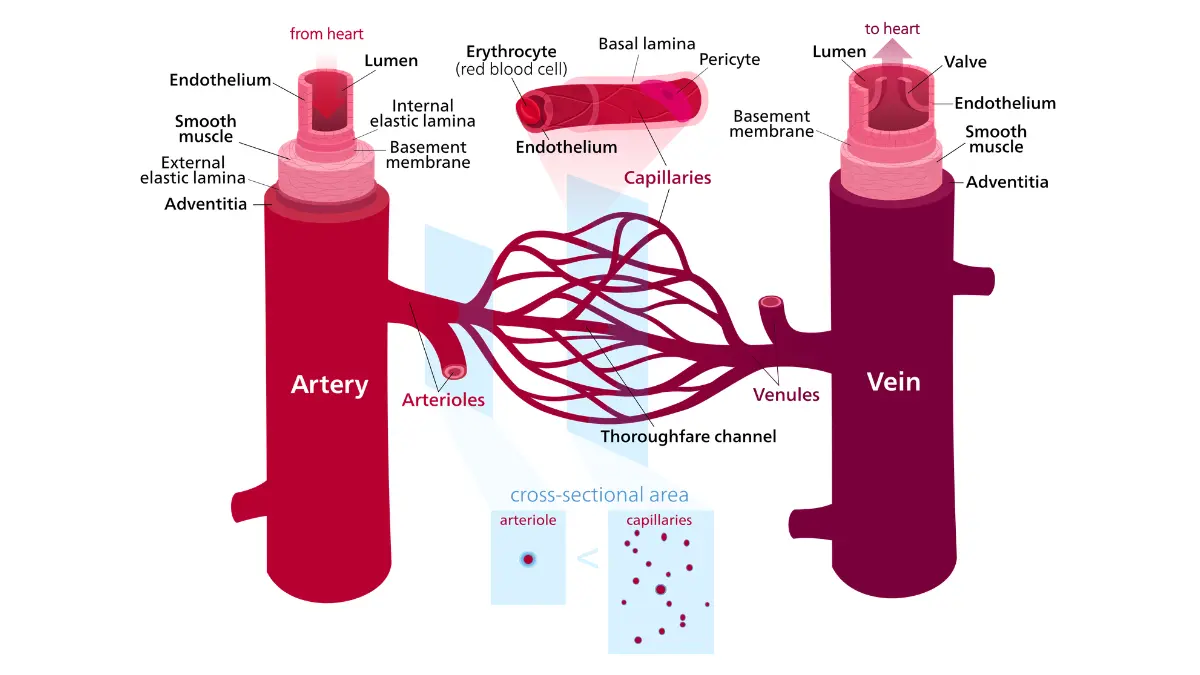
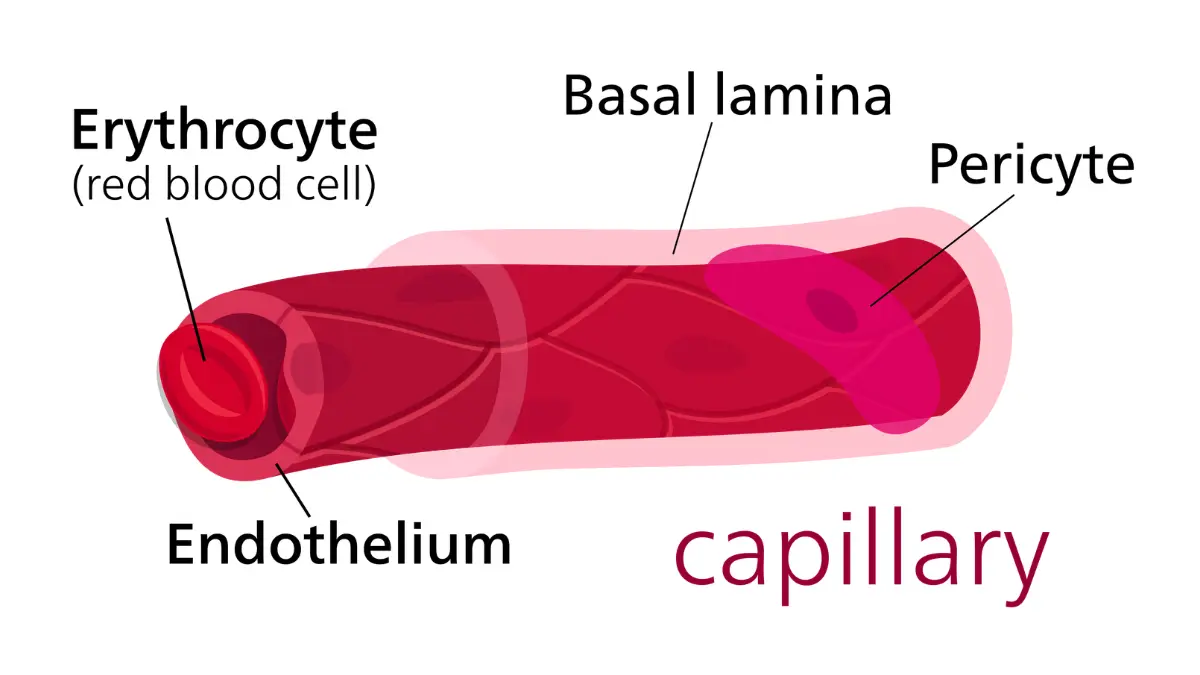
🔬 How It Works: A fingerstick doesn’t draw pure venous blood. The lancet opens capillaries, venules, and arterioles at once, and the drop can pick up interstitial fluid or partially rupture cells (hemolysis) — which is why capillary values scatter more than venous ones.
Which markers are least reliable at home
Platelets are most sensitive to technique: if the tiny sample begins to clot, the count can read falsely low, and some fragile markers may not be reported on capillary kits at all. That’s the main reason a home kit is a poor choice when a clinician needs a dependable platelet count.
Cost and convenience
Home kits trade a little accuracy for convenience and privacy, appealing to people who dislike needles or can’t easily reach a lab — worth weighing against what a standard venous draw feels like. Pricing isn’t standardized, so compare current prices directly rather than assuming a home kit is cheaper than an insured lab draw.
| Factor | At-home CBC (fingerstick) | Lab CBC (venous draw) | Best for |
|---|---|---|---|
| Where analyzed | CLIA-certified lab (mailed in) | CLIA-certified lab (on-site) | — |
| Sample | Capillary, a few drops | Venous, full tube | Precision to venous |
| Accuracy | Strong agreement; slightly higher, more variable | Reference standard; more precise | Diagnosis to venous |
| Platelets and fragile markers | More variable; some may not report | Reliably reported | Full panel to venous |
| Results speed | About 2 to 3 days after the lab receives it | About 1 day after analysis | Speed to on-site lab |
| Convenience | Collect at home, no arm draw | Requires a visit | Convenience to home |
Sources: Testing.com; peer-reviewed capillary-vs-venous comparisons; One Day Tests lab guidance. Pricing varies by provider — verify current cost directly.
When an at-home CBC makes sense (and when it doesn’t)
An at-home CBC is a screening and monitoring convenience, not a diagnostic tool — it can flag that something is worth discussing, but it can’t confirm or rule out a condition. Matching the tool to the situation is what matters.
Reasonable reasons to use a home kit
- Curiosity about your general blood-count picture when you have no urgent symptoms.
- Tracking a known, stable situation between clinician visits, with your doctor’s awareness.
- Convenience or needle avoidance for a routine, non-urgent check.
When a lab draw is the better choice
- When a clinician needs a reliable platelet count or a full differential to decide.
- Before surgery or a procedure, when precise values matter.
- When results must be interpreted alongside your history and other tests.
Symptoms that mean see a doctor, not order a kit
A CBC is often ordered to investigate symptoms such as persistent fatigue, unexplained weight loss, fever or repeated infections, easy bruising, or unusual bleeding. If any of these brought you here, the safest next step is a clinician who can decide what testing you need — not a mail-in kit that can’t diagnose and may take days.
⚠️ Clinical Warning: A normal-looking home result can create false reassurance. If you have new or worsening symptoms — especially bleeding that won’t stop, a high fever, severe fatigue, or breathlessness — seek medical care now rather than waiting on a mailed sample.
✅ Patient Action: If you’re unsure whether your symptoms need blood work, start with our symptom checker, then ask a primary care physician: “Given these symptoms, do I need a CBC now, and should it be a full venous draw rather than a home kit?”
Are at-home CBC tests accurate and FDA-regulated?
The oversight picture is more nuanced than “FDA-approved” or “not.” Two systems apply: one governs the laboratory, the other the test.
CLIA: what it does and doesn’t guarantee
Any lab that analyzes your sample must hold CLIA certification, the federal standard administered by CMS (with CDC and FDA support) for a lab’s competence and quality. It tells you the lab is qualified — not that the FDA independently validated the specific test you bought.
The FDA and “lab-developed tests”
The FDA regulates in-vitro diagnostics, including direct-to-consumer tests, as medical devices by risk level, and many at-home tests run as laboratory-developed tests it has generally not independently reviewed for accuracy, per the FDA’s guidance on direct-to-consumer tests. The FDA also categorizes test complexity as waived, moderate, or high, with home-use tests categorized as waived — see how the FDA categorizes test complexity under CLIA.
How to vet a provider
Confirm three things before buying: the analyzing lab is CLIA-certified, the company explains its methodology plainly, and it offers a way to discuss results with a clinician.
🩺 Physician Note: “The lab is certified” and “this exact test is FDA-validated” are not the same claim. Reputable at-home CBC services run in CLIA-certified labs, but the direct-to-consumer landscape is still evolving, so read closely what a company promises.
What at-home CBC results can’t tell you
Even a well-run CBC — home or lab — is one snapshot, not a diagnosis. A number outside the reference range doesn’t automatically mean disease, and a normal panel doesn’t guarantee nothing is wrong.
A number is not a diagnosis
Diet, hydration, medications, a recent menstrual period, and even the time of day can shift blood counts, which is why results must be read in context by a clinician. If a value comes back off, here’s what abnormal CBC results can mean.
The false-reassurance trap
A normal CBC can’t rule out every serious condition, and some diagnoses need tests a blood count can’t provide — for example, whether a normal CBC rules out cancer. If you’re using a home result to reassure yourself away from a symptom that’s bothering you, see a clinician instead.
✅ Patient Action: If your home CBC comes back abnormal, don’t self-diagnose from the numbers — ask your primary care physician: “What do these specific results mean for me, and do I need a confirmatory venous test?”
At-home CBC tests: frequently asked questions
1. Are at-home CBC tests accurate?
At-home CBC tests are generally accurate for common values, since a certified lab analyzes your sample. Studies show strong agreement with venous blood, though fingerstick readings run slightly higher and vary more. For a diagnosis or precise result, a venous draw is more reliable; discuss results with a clinician.
2. How does an at-home CBC test work?
An at-home CBC test uses a finger prick to collect a few drops of blood that you mail to a CLIA-certified lab. The lab runs it on standard equipment and posts results online, usually two to three days after arrival. Only the collection happens at home.
3. Do at-home CBC tests give the same results as a lab?
Nearly, but not identically. A fingerstick sample tends to read marginally higher for hemoglobin, hematocrit, and white cells, with more variability, than venous blood. The difference is small for most healthy people, but when exact numbers matter, a venous draw is the clinical standard.
4. How much does an at-home CBC test cost?
The cost of an at-home CBC test varies widely by provider and isn’t standardized, and may or may not beat an insured lab draw. Prices change often, so compare current costs directly and check whether insurance covers a conventional CBC first.
5. How long do at-home CBC test results take?
For an at-home CBC test, results are usually posted two to three days after the lab receives your mailed sample, plus shipping. A standard in-person CBC is often faster, about a day after analysis. Turnaround varies by company.
6. Can an at-home CBC test detect cancer or leukemia?
An at-home CBC test is not diagnostic and cannot confirm cancer or leukemia. A blood count may reveal abnormalities that prompt further testing, but diagnosis needs a clinician and more workup. If symptoms worry you, see a doctor rather than relying on a kit.
7. Is a finger-prick CBC as good as a blood draw?
A finger-prick CBC is convenient and generally reliable for routine tracking, but not quite as precise as a venous draw. Fingerstick samples pick up tissue fluid and are prone to platelet clotting, making some markers less dependable. For exact values, a vein draw is preferred.
8. Do I need to fast for an at-home CBC test?
No — an at-home CBC test doesn’t require fasting, so eat and drink normally before collecting. Fasting is only needed when a CBC is bundled with tests like glucose or a lipid panel. If unsure, confirm with the ordering provider.
9. Are at-home CBC tests FDA-approved?
It’s more nuanced than yes or no. The lab must be CLIA-certified, but many at-home CBC tests run as laboratory-developed tests the FDA hasn’t independently reviewed for accuracy. The FDA regulates them as devices by risk level, so check what a provider actually claims.
10. When should I get a lab CBC instead of an at-home test?
Choose a lab CBC when precision matters: before surgery, when a clinician needs a reliable platelet count or full differential, or when results must be read with your history. And with concerning symptoms like severe fatigue or unusual bleeding, see a clinician rather than testing at home.
11. Can I use an at-home CBC test to monitor a health condition?
Sometimes, but only with your clinician’s involvement. An at-home CBC test can track a known, stable situation between visits, but it can’t replace the monitoring your care team orders, and fragile markers may read less reliably. Never adjust treatment on a home result alone.
The bottom line on at-home vs lab CBC tests
An at-home CBC is best understood as a convenient way to collect a sample that a certified lab then analyzes — reasonable for routine, non-urgent tracking, and easier for anyone who dislikes a vein draw. For a precise result, a reliable platelet count, or anything approaching a diagnosis, the standard venous lab CBC remains the benchmark, and any worrying symptom is a reason to see a clinician rather than order a kit. Once you have results, learning how to read your CBC results will help you have a more informed conversation with your doctor.
About this content
How this article was put together: researched from recognised health sources, drafted with the help of AI tools, and edited by hand, with sources linked throughout.

Sameer Patel is the founder and editor of My Medicine Advisor. He is not a doctor or medical professional — before starting this site he worked in banking,…
Medical disclaimer
The content on MyMedicineAdvisor is provided for general informational and educational purposes only and is not a substitute for professional medical advice, diagnosis, or treatment. Health information on this website should not be used to diagnose, treat, cure, or prevent any condition without guidance from a qualified healthcare professional. Always seek the advice of your doctor, physician, or another licensed healthcare provider with any questions you may have regarding a medical condition, symptoms, medications, or treatment decisions.