On This Page – Quick Medical Summary
Abnormal CBC test results don’t automatically mean something serious is wrong. Most abnormalities reflect temporary conditions like dehydration, recent infections, or nutritional deficiencies that resolve on their own. Only 15-20% of abnormal results indicate a condition requiring immediate medical treatment, according to the National Heart, Lung, and Blood Institute.
When Michael Got His Results at 9 PM
Michael Chen, a 42-year-old accountant, checked his patient portal after dinner and saw red flags next to three values on his complete blood count. His white blood cell count was elevated at 12,500/μL, and his hemoglobin showed 13.2 g/dL—just below the normal range.
He spent two anxious hours searching online before remembering he’d had a cold the previous week. When he called his doctor the next morning, she explained that his blood test results were responding normally to the recent viral infection. A retest three weeks later showed everything back to normal.
60-Second Result Decoder
Here’s what abnormal really means:
| Result Type | Urgency Level | Likely Cause | Action Needed |
|---|---|---|---|
| Mild anemia (Hgb 11-12 g/dL) | 🟢 Low | Iron deficiency, menstruation | Schedule appointment in 1-2 weeks |
| WBC 11,000-15,000/μL | 🟡 Medium | Recent infection, stress | Monitor symptoms, call doctor if persistent |
| WBC <3,500 or >20,000/μL | 🔴 High | Possible immune issue | Contact doctor same day |
| Platelets <50,000/μL | 🔴 High | Bleeding risk | Seek medical attention today |
| Single abnormal value | 🟢 Low | Lab variation, temporary | Likely needs retest only |
What happens next depends on the pattern, not a single number. Your healthcare provider looks at all values together, considers your symptoms, and compares results to your previous tests. If you’re experiencing unexplained fatigue, bruising, or fever alongside abnormal results, use our symptom checker before your appointment to track what you’re feeling.
The Most Important Thing to Know
80% of first-time abnormal CBC results normalize on repeat testing within 4-6 weeks. The human body fluctuates naturally. Factors like hydration status, recent exercise, time of day, and even your menstrual cycle can temporarily shift blood counts outside the reference range.
Don’t panic—but don’t ignore it either. Follow up with your doctor, especially if you have symptoms or if multiple values are abnormal. Most abnormalities are your body’s temporary response to everyday stressors, not signs of serious disease.
Complete CBC Test Breakdown
Understanding Your CBC Test: Every Number Explained
A CBC test (complete blood count) measures the cells that make up your blood—red blood cells, white blood cells, and platelets. Doctors order this test more than any other blood work because it provides a snapshot of your overall health and can detect dozens of conditions from anemia to infections to blood disorders.
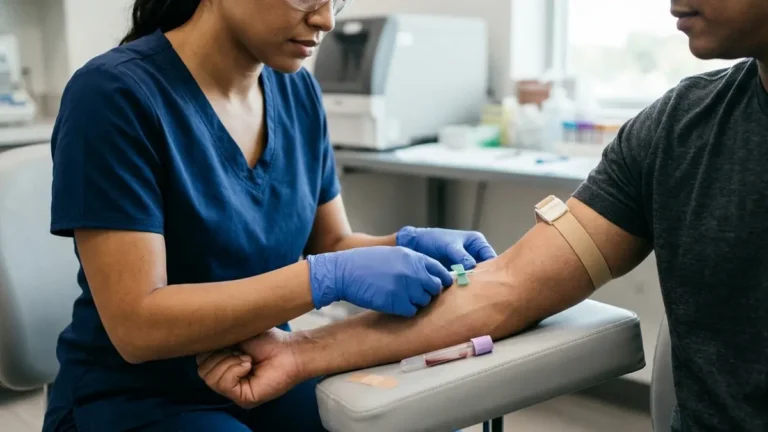
The test requires a simple blood draw that takes less than five minutes. No fasting is needed for a standard CBC blood test, though if your doctor orders additional tests simultaneously, you might need to skip breakfast.

What Your CBC Actually Measures
Your CBC report contains 8-15 different measurements, but six core values matter most:
Red Blood Cell Count (RBC) measures how many oxygen-carrying cells you have per microliter of blood. These cells pick up oxygen in your lungs and deliver it throughout your body. Low RBC count means your tissues aren’t getting enough oxygen, causing fatigue and weakness.
Hemoglobin (Hgb) is the protein inside red blood cells that actually carries the oxygen. Think of RBCs as delivery trucks and hemoglobin as the cargo. Low hemoglobin defines anemia and explains why you might feel tired or short of breath.
Hematocrit (Hct) shows what percentage of your blood volume is made up of red blood cells versus liquid plasma. If you’re dehydrated, this number rises artificially because you have less fluid in your blood. Maintaining proper water intake keeps this value in the normal range.
White Blood Cell Count (WBC) measures your immune system cells that fight infections. This number shoots up during bacterial infections and sometimes drops during viral illnesses. Your body produces five different types of white blood cells, each with specialized functions.
Platelet Count (PLT) indicates how many clotting cells you have. Too few platelets mean you might bruise easily or bleed longer than normal when cut. Too many can rarely increase clotting risk.
Mean Corpuscular Volume (MCV) calculates the average size of your red blood cells. This seemingly technical measurement helps doctors identify why you might be anemic—small cells suggest iron deficiency while large cells point to B12 or folate deficiency.
2026 Updated Normal Ranges
| Component | Men (Adults) | Women (Adults) | What It Measures |
|---|---|---|---|
| RBC Count | 4.7-6.1 million/μL | 4.2-5.4 million/μL | Number of oxygen carriers |
| Hemoglobin | 13.8-17.2 g/dL | 12.1-15.1 g/dL | Oxygen-carrying protein |
| Hematocrit | 40.7%-50.3% | 36.1%-44.3% | % of blood that’s RBCs |
| WBC Count | 4,500-11,000/μL | 4,500-11,000/μL | Infection-fighting cells |
| Platelets | 150,000-400,000/μL | 150,000-400,000/μL | Clotting cell count |
| MCV | 80-100 fL | 80-100 fL | Average RBC size |
Reference ranges from the Centers for Disease Control and Prevention and WHO guidelines. Individual labs may use slightly different ranges based on their equipment and local population.
Understanding CBC With Differential
When your doctor orders a “CBC with differential,” you get bonus information about your white blood cells. This enhanced test breaks down your WBC count into five specific types:
- Neutrophils (40-60% of WBCs) fight bacterial infections
- Lymphocytes (20-40%) combat viruses and produce antibodies
- Monocytes (2-8%) clean up dead cells and debris
- Eosinophils (1-4%) respond to allergies and parasites
- Basophils (0.5-1%) release histamine during allergic reactions
The pattern matters more than individual percentages. High neutrophils with low lymphocytes suggests bacterial infection, while the reverse pattern indicates viral infection. This helps your doctor decide whether you need antibiotics or just rest and fluids.
What This Means For You
Your CBC is a health report card, not a diagnosis. Abnormal results tell your doctor where to look next—they’re the starting point of investigation, not the final answer. Think of it like a car’s check engine light: it tells you something needs attention, but a mechanic needs to diagnose the specific problem.
Your doctor will always interpret your complete blood count alongside your symptoms, medical history, physical exam findings, and sometimes additional tests. Context is everything.
Abnormal Results – What They Really Mean
Decoding Abnormal CBC Results: High vs. Low Numbers
Each abnormal value tells a different story about what’s happening inside your body. Let’s break down the most common abnormalities and what they typically indicate.
High White Blood Cell Count (Leukocytosis)
When your WBC count exceeds 11,000/μL, your body is usually fighting something. This elevation is called leukocytosis, and it’s one of the most common CBC abnormalities.

Most common causes include:
- Bacterial infections (urinary tract infections, pneumonia, skin infections)
- Recent surgery or physical trauma
- Inflammatory conditions like rheumatoid arthritis
- Smoking (chronic elevation)
- Stress response from intense exercise
- Medications, especially corticosteroids like prednisone
- Allergic reactions
When to worry: A WBC count above 20,000/μL without an obvious infection, or counts that remain elevated after your infection resolves, warrants further investigation. Very high counts (>30,000/μL) can indicate bone marrow disorders and require prompt hematology consultation.
What to do: If you have a known infection and feel reasonably well, your elevated WBC is expected and actually shows your immune system is working. Schedule a follow-up test 2-4 weeks after your infection clears. If you have no symptoms or explanation, contact your doctor within 48-72 hours for evaluation.
Low White Blood Cell Count (Leukopenia)
A WBC count below 4,000/μL means your infection-fighting reserves are depleted. This condition, called leukopenia, requires more urgent attention than high counts because it leaves you vulnerable.
Common causes include:
- Viral infections (influenza, COVID-19, mononucleosis)
- Autoimmune diseases attacking bone marrow
- Nutritional deficiencies (severe vitamin B12 or folate deficiency)
- Chemotherapy or radiation treatment
- Certain medications (some antibiotics, anti-seizure drugs)
- Bone marrow disorders
When to worry: Any WBC count below 3,500/μL deserves medical evaluation, especially if you develop fever (>100.4°F), chills, or signs of infection. Counts below 1,000/μL represent a medical emergency—your body has almost no ability to fight bacteria.
What to do: Contact your doctor the same day if your count is below 3,500/μL. If you’re on chemotherapy and your count drops below 1,500/μL, your oncologist may adjust treatment timing. Avoid crowds and sick people while your counts are low.
Low Hemoglobin and Red Blood Cells (Anemia)
Anemia—defined as hemoglobin below 12 g/dL in women or 13 g/dL in men—affects approximately 30% of women of childbearing age worldwide, according to research from the National Institutes of Health. This makes it the most common CBC abnormality.
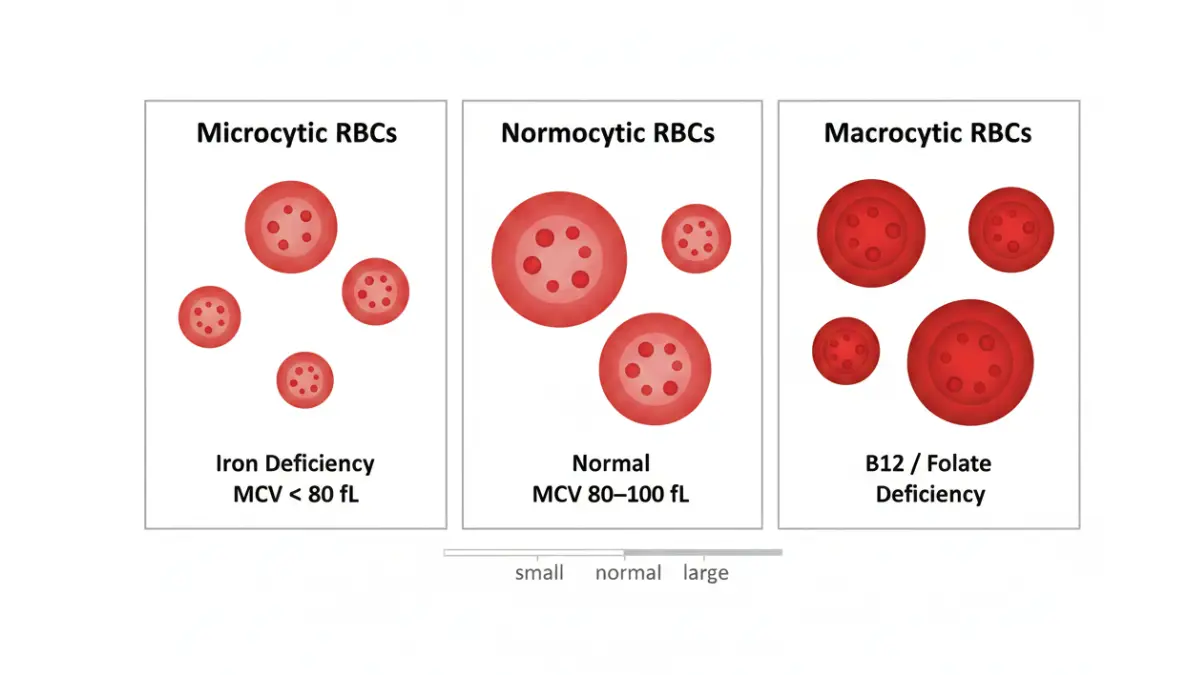
Your MCV value categorizes the type:
- Microcytic anemia (MCV <80 fL) = Iron deficiency, most common in menstruating women
- Macrocytic anemia (MCV >100 fL) = B12 or folate deficiency, common in older adults
- Normocytic anemia (MCV 80-100 fL) = Chronic disease, kidney disease, or acute blood loss
Symptoms you might notice:
- Persistent fatigue that doesn’t improve with sleep
- Shortness of breath during normal activities
- Dizziness or lightheadedness when standing
- Pale skin, especially visible in lower eyelids
- Cold hands and feet
- Rapid or irregular heartbeat
When to worry: Hemoglobin below 10 g/dL usually causes noticeable symptoms and requires investigation. Levels below 7 g/dL may necessitate blood transfusion, especially if you have heart disease risk factors or symptoms of inadequate oxygen delivery.
What to do: Schedule an appointment within 1-2 weeks for mild anemia (Hgb 11-12 g/dL). Your doctor will likely order iron studies, B12 levels, and possibly other tests to identify the cause. Meanwhile, focus on iron-rich foods and consider checking your protein intake to support red blood cell production.
High Hemoglobin Levels (Erythrocytosis)
Elevated hemoglobin (>17.5 g/dL in men, >15.5 g/dL in women) is less common but shouldn’t be ignored. Before worrying about serious causes, consider simple explanations.
Common causes:
- Dehydration (the most frequent cause—your blood is simply concentrated)
- Living at high altitude (normal adaptation)
- Chronic smoking (body compensates for poor oxygen delivery)
- Sleep apnea (intermittent low oxygen triggers more RBC production)
- Lung disease (COPD, pulmonary fibrosis)
- Polycythemia vera (rare bone marrow disorder)
What to do: Drink plenty of fluids and retest in 1-2 weeks. If elevation persists and you smoke, quitting may normalize your levels. Persistent unexplained elevation needs hematology evaluation to rule out polycythemia vera.
Abnormal Platelet Count
Platelets are your blood’s first responders when you get cut—they rush to the site and form a plug to stop bleeding. Normal counts range from 150,000 to 400,000/μL.
Low platelets (thrombocytopenia) below 150,000/μL:
- Mild (100,000-150,000): Usually no symptoms, found incidentally
- Moderate (50,000-100,000): Possible easy bruising, prolonged bleeding from cuts
- Severe (<50,000): Spontaneous bruising, blood blisters in mouth, dangerous bleeding risk
- Critical (<10,000): Medical emergency—risk of internal bleeding
Causes of low platelets: Viral infections, medications (especially heparin, sulfa antibiotics), alcohol abuse, autoimmune destruction, chemotherapy, or rarely leukemia.
High platelets (thrombocytosis) above 450,000/μL:
- Reactive (most common): Response to infection, inflammation, iron deficiency, or recent surgery
- Primary: Bone marrow disorder producing too many platelets
When to worry: Platelets below 50,000/μL or above 1,000,000/μL need prompt evaluation. Between these extremes, consider the clinical context—are you bleeding or clotting abnormally?
Expert Perspective
Dr. James Williams, hematologist at Johns Hopkins Medicine, explains: “I see panicked patients daily worried about a WBC of 11,200—just barely above normal. Context matters enormously. Did you have a cold last week? Are you on steroids? Did you exercise hard yesterday? These factors cause far more ‘abnormal’ results than actual blood disorders. When I see a stable patient with one mildly abnormal value and no symptoms, I almost always recommend watchful waiting with a retest in 4-6 weeks.”
Next Steps – Your Action Plan
What To Do After Getting Abnormal CBC Results
The time between seeing abnormal results and talking to your doctor feels endless. Here’s exactly what to do in those anxious hours or days, organized by urgency level.
Immediate Actions (Today)
Contact your doctor immediately if you have:
- WBC count below 2,000/μL or above 25,000/μL
- Hemoglobin below 8 g/dL with symptoms (severe fatigue, chest pain, shortness of breath)
- Platelets below 50,000/μL, especially with new bruising or bleeding
- Multiple abnormal values across different cell lines
- Fever (>100.4°F) combined with low WBC count
- Any abnormal result plus unexplained weight loss, night sweats, or enlarged lymph nodes
These combinations suggest conditions requiring urgent evaluation. Don’t wait for a callback—call the office and explain you have urgent lab results that need discussion today. After-hours services can review results and determine if you need emergency department evaluation.
Within 24-48 Hours
Schedule an appointment for:
- WBC count 15,000-20,000/μL without obvious infection
- Hemoglobin 8-10 g/dL with mild symptoms
- Platelets 50,000-100,000/μL
- Persistent abnormalities on repeat testing
- Any abnormal value that’s significantly changed from your previous baseline
Before your appointment, gather:
- List of all medications including supplements
- Recent illness history (even minor colds matter)
- Your previous CBC results if available
- Symptom diary using our symptom tracker
- Questions you want answered
Within 1-2 Weeks
Schedule a routine appointment for:
- Mild anemia (Hgb 10-12 g/dL in women, 11-13 g/dL in men) without symptoms
- Single mildly abnormal value with no other concerns
- WBC count 11,000-15,000/μL with recent illness
- High hemoglobin potentially due to dehydration
- Platelets 100,000-150,000/μL or 450,000-600,000/μL
These situations rarely represent emergencies. Your doctor will likely order additional tests and may simply recommend retesting your complete blood count in 4-6 weeks to see if values normalize.
Decision Matrix: How Urgent Is Your Result?
| Your Situation | Urgency | Call Doctor | What Happens Next |
|---|---|---|---|
| Mild anemia, no symptoms | Low | Within 2 weeks | Iron studies, possible diet changes |
| WBC 11,500 with recent cold | Low | Routine visit | Likely just retest in 4 weeks |
| WBC 18,000, no illness | Medium | Within 48 hours | Differential, infection workup |
| WBC <3,000 or >25,000 | High | Same day | Comprehensive evaluation, possible bone marrow test |
| Platelets 45,000, new bruising | High | Same day | Bleeding risk assessment, possible specialist referral |
| Multiple abnormal values | High | Same day | Comprehensive workup, imaging studies |

Questions to Ask Your Doctor
Come prepared to maximize your appointment time:
- What caused this abnormal result? (Don’t accept “we’ll watch it” without understanding the suspected cause)
- Do I need additional blood tests? (Iron studies, B12, folate, comprehensive metabolic panel)
- Should I modify my diet or lifestyle? (Specific to your type of abnormality)
- What symptoms should prompt me to call you before the next test? (Clear action thresholds)
- When should I retest my CBC? (Get specific timing)
- Could any of my medications be causing this? (Review your complete medication list together)
- Do I need to see a specialist? (Hematologist for blood disorders, gastroenterologist for GI bleeding)
- What’s the worst-case scenario we’re ruling out? (Understand what serious conditions are on the differential)
Follow-Up Testing You Might Need
Based on your CBC abnormality, expect these additional tests:
For anemia:
- Iron panel (serum iron, ferritin, total iron-binding capacity)
- Vitamin B12 and folate levels
- Reticulocyte count (measures young red blood cells to assess bone marrow response)
- Stool test for occult blood (checks for hidden intestinal bleeding)
- Possibly upper endoscopy or colonoscopy if bleeding suspected
For high or low white blood cell count:
- Peripheral blood smear (lab technician examines your cells under microscope)
- Comprehensive metabolic panel (kidney and liver function)
- C-reactive protein or ESR (inflammatory markers—learn more about CRP levels)
- Imaging studies if infection suspected (chest X-ray, CT scan)
- Bone marrow biopsy (only if serious disorder suspected)
For platelet abnormalities:
- Peripheral blood smear (evaluates platelet size and shape)
- Coagulation studies (PT, PTT, INR)
- Autoimmune panel if immune destruction suspected
- Iron studies (iron deficiency can elevate platelet count)
Lifestyle Factors That Affect Your Results
Many CBC abnormalities have simple explanations unrelated to disease:
Temporary factors that skew results:
- Dehydration increases hemoglobin and hematocrit by 5-10%
- Recent strenuous exercise can elevate WBC count for 24 hours
- Time of day (some people have natural morning-to-evening variations)
- Menstrual period temporarily lowers hemoglobin in women
- Recent alcohol consumption can temporarily drop platelet count
- Smoking chronically elevates WBC and RBC counts
- High altitude residence normally increases hemoglobin
- Stress or anxiety can raise WBC count
This is why doctors rarely panic about single abnormal values. Repeat testing after eliminating these variables often shows normal results.
If you’re working on weight loss goals, extreme calorie restriction can sometimes affect blood counts, particularly if it leads to nutritional deficiencies. Balanced nutrition supports healthy blood cell production.
Specific Conditions & Symptoms
CBC Results and Common Health Conditions
Your complete blood count provides clues about dozens of different conditions. Understanding which patterns suggest specific diagnoses helps you have more informed conversations with your healthcare provider.
Anemia: The Most Common Abnormality
Anemia affects 1.62 billion people globally, making it the most frequent finding on CBC testing, according to data from the World Health Organization. Not all anemias are the same—your MCV value determines which type you have.
Iron-Deficiency Anemia (Low MCV <80 fL):
This accounts for roughly 50% of all anemia cases worldwide. Your bone marrow can’t produce enough hemoglobin without adequate iron, so it makes smaller red blood cells that can’t carry sufficient oxygen.
Who gets it: Menstruating women, pregnant women, vegetarians/vegans, people with gastrointestinal bleeding (ulcers, colon polyps)
Symptoms beyond fatigue:
- Craving ice or non-food items like dirt (pica)
- Restless leg syndrome
- Brittle nails with vertical ridges
- Sore or swollen tongue
- Difficulty concentrating (“brain fog”)
Diagnosis: Low ferritin level confirms the diagnosis. Ferritin below 30 ng/mL indicates depleted iron stores even if hemoglobin is still normal.
Treatment: Oral iron supplements (ferrous sulfate 325 mg daily) usually correct the deficiency in 6-8 weeks. If you don’t respond to oral iron or have severe deficiency, IV iron infusion works faster.
B12/Folate Deficiency Anemia (High MCV >100 fL):
When red blood cells lack vitamin B12 or folate, they grow larger than normal but can’t divide properly. This produces fewer, bigger, dysfunctional cells.
Who gets it: Older adults with absorption problems, people who’ve had gastric bypass surgery, strict vegans (B12 only found in animal products), those taking metformin or proton pump inhibitors long-term
Additional symptoms unique to B12 deficiency:
- Numbness or tingling in hands and feet (peripheral neuropathy)
- Difficulty with balance and walking
- Memory problems or confusion
- Smooth, red tongue
Critical point: B12 deficiency can cause permanent nerve damage if untreated. Don’t delay evaluation if you have neurological symptoms.
Treatment: B12 injections work faster than pills for severe deficiency. Folate deficiency responds quickly to oral supplements but identifying the cause matters—it could indicate celiac disease or alcohol abuse.
Anemia of Chronic Disease (Normal MCV 80-100 fL):
Chronic inflammation from conditions like kidney disease, rheumatoid arthritis, cancer, or heart failure suppresses red blood cell production. The cells are normal-sized but insufficient in number.
This type doesn’t improve with iron or vitamin supplements. Treatment focuses on managing the underlying condition. If you have kidney disease or metabolic syndrome, your doctor may prescribe erythropoiesis-stimulating agents (ESAs) to boost production.
Infections and Inflammation: Reading the WBC Differential
Your white blood cell differential acts like a detective’s notebook, leaving clues about what’s attacking your body.

Bacterial Infection Pattern:
- Neutrophils elevated (>70% of total WBCs)
- “Left shift” (increased immature neutrophils called bands)
- Total WBC usually 15,000-25,000/μL
Common causes: Urinary tract infections, pneumonia, appendicitis, skin infections (cellulitis), bacterial meningitis
Viral Infection Pattern:
- Lymphocytes elevated (>40% of total WBCs, or high absolute count)
- Neutrophils relatively decreased
- Total WBC may be normal or low
Common causes: Influenza, COVID-19, mononucleosis (Epstein-Barr virus), viral hepatitis—learn about hepatitis B symptoms that may accompany these findings
Allergic/Parasitic Pattern:
- Eosinophils elevated (>5% of WBCs)
- Other cells usually normal
Common causes: Seasonal allergies, asthma, parasitic infections, some drug reactions
Chronic Inflammation Pattern:
- Monocytes elevated (>10% of WBCs)
- May have elevated ESR or CRP inflammatory markers
Common causes: Autoimmune diseases, chronic infections like tuberculosis, inflammatory bowel disease
Blood Disorders the CBC Can Detect
While rare, serious blood disorders do occasionally present with abnormal CBC results. Knowing the warning signs helps ensure appropriate urgency.
Leukemia Red Flags:
- Very high WBC count (>30,000-50,000/μL) without infection
- Presence of immature white blood cells (blasts) on differential
- Multiple cell lines abnormal (low RBCs, low platelets, abnormal WBCs)
- Progressive worsening on serial CBCs
- Accompanying symptoms: unexplained fever, night sweats, easy bruising, bone pain
Important perspective: Leukemia causes less than 1% of all abnormal CBC results. The average age at diagnosis is 66 years. If you’re young, otherwise healthy, and have a single mildly abnormal value with a recent infection, leukemia is extraordinarily unlikely.
Lymphoma Patterns:
- Persistent lymphocyte elevation without acute infection
- Low hemoglobin and platelets if bone marrow involved
- Atypical-appearing lymphocytes on blood smear
- Usually accompanied by enlarged lymph nodes or unexplained weight loss
Myelodysplastic Syndromes (MDS):
- Chronic unexplained anemia not responding to treatment
- Low white blood cells and platelets developing over months
- Abnormal cell shapes on blood smear
- Primarily affects adults over 60
Polycythemia Vera:
- High RBC count, hemoglobin, and hematocrit that persists
- Often elevated platelets and WBCs too
- Symptoms: headaches, dizziness, itching after hot shower, red face
- Increases blood clot risk
When Abnormal CBC Results Suggest Cancer
Let’s address the elephant in the room: most people worry their abnormal results mean cancer. Understanding actual cancer warning signs versus benign findings provides necessary perspective.
Patterns that warrant cancer evaluation:
- Persistent unexplained abnormalities despite treatment
- Multiple cell lines simultaneously affected
- Progressive worsening over serial tests
- Extreme values (WBC >50,000 or <1,000, Hgb <8 with no bleeding)
- Accompanying “B symptoms” (fever, drenching night sweats, >10% weight loss in 6 months)
Reassuring patterns:
- Single mildly abnormal value
- Results that improve on repeat testing
- Abnormalities with clear explanation (recent infection, menstrual period, medications)
- Stable chronic patterns (many people have borderline low or high values that never change)
According to National Cancer Institute data, blood cancers account for about 10% of all cancer diagnoses in the United States—approximately 176,000 cases annually in a population of 330 million. Your absolute risk remains low even with an abnormal CBC.
If cancer is suspected, your doctor will order:
- Peripheral blood smear with pathologist review
- Flow cytometry (identifies abnormal cell types)
- Bone marrow biopsy (definitive diagnosis for blood cancers)
- Imaging studies (CT, PET scan)
- Additional blood markers
Prevention & Long-term Management
Maintaining Healthy Blood Counts: Prevention Strategies
Optimal blood health starts long before you get lab work done. While you can’t prevent genetic disorders or unavoidable illnesses, simple lifestyle measures keep your bone marrow producing healthy cells efficiently.
Nutrition for Optimal Blood Production
Your bone marrow is a cellular factory that produces 2.4 million new red blood cells every second. This massive production requires specific raw materials from your diet.
Iron: The Oxygen Carrier
Adult men need 8 mg daily, while menstruating women need 18 mg to replace monthly losses. Pregnancy increases requirements to 27 mg daily.
Best sources:
- Heme iron (easily absorbed): Red meat, poultry, fish, oysters
- Non-heme iron (less bioavailable): Spinach, lentils, fortified cereals, tofu, kidney beans
Absorption tip: Pair plant-based iron sources with vitamin C-rich foods (citrus, tomatoes, bell peppers) to triple absorption. Avoid taking iron supplements with calcium, tea, or coffee, which block absorption.
If you’re managing your protein intake for weight goals, prioritize iron-rich protein sources like lean beef or chicken.
Vitamin B12: Nerve and Blood Health
Adults need 2.4 mcg daily. B12 exists only in animal products, making deficiency common in strict vegetarians and vegans.
Best sources: Clams, liver, salmon, beef, eggs, dairy products, fortified plant milks and cereals
Who needs supplements:
- People over 50 (stomach acid decreases, reducing absorption)
- Vegans and strict vegetarians
- Those who’ve had gastric bypass surgery
- People taking metformin or proton pump inhibitors long-term
Folate: Cell Division Support
Adults need 400 mcg daily, increasing to 600 mcg during pregnancy to prevent neural tube defects.
Best sources: Leafy green vegetables, legumes (lentils, chickpeas), asparagus, Brussels sprouts, fortified grains, oranges
Vitamin C: Iron’s Best Friend
Beyond boosting iron absorption, vitamin C supports immune function and helps your body produce white blood cells.
Best sources: Bell peppers (more vitamin C than oranges!), strawberries, kiwi, broccoli, tomatoes
Lifestyle Factors That Protect Your Blood Health
Hydration Status Matters
Dehydration concentrates your blood, artificially elevating hemoglobin and hematocrit by 5-10%. This causes unnecessary concern about “high” results that normalize once you’re properly hydrated.
How much you need: Use our water intake calculator for personalized recommendations based on your weight and activity level. Generally, aim for half your body weight in ounces daily (a 160-lb person needs 80 oz).
Avoid Smoking—For Your Blood and Everything Else
Chronic smoking elevates both WBC counts (chronic inflammation) and RBC counts (body compensates for poor oxygen delivery from carbon monoxide). Smokers typically have hemoglobin levels 0.5-1.0 g/dL higher than non-smokers.
These elevations normalize within 2-3 months of quitting. As your cardiovascular health improves, you might notice benefits in your heart rate zones during exercise.
Moderate Alcohol Consumption
Heavy drinking directly suppresses bone marrow, causing macrocytic anemia (high MCV) and low platelet counts. It also causes folate deficiency. Moderate consumption (≤1 drink daily for women, ≤2 for men) doesn’t significantly affect blood counts.
Regular Physical Activity
Exercise temporarily increases WBC count for 24 hours as part of normal immune response. Chronic moderate exercise actually improves iron absorption and red blood cell production.
Adequate Sleep
Sleep deprivation impairs immune function, lowering WBC production and reducing your body’s ability to fight infections. Aim for 7-9 hours nightly—use our sleep calculator to optimize your sleep schedule based on your wake time.
Stress Management
Chronic stress elevates cortisol, which raises WBC counts (particularly neutrophils) and can contribute to anemia through various mechanisms. Stress-reduction techniques improve overall health markers.
When to Retest Your CBC
Testing frequency depends on your initial results and underlying conditions.
Routine preventive screening:
- Healthy adults: Every 1-2 years as part of annual physical (some doctors test annually)
- After normal results: No rush to retest unless new symptoms develop
After abnormal results:
- Mild abnormalities: Retest in 4-6 weeks after addressing potential causes (treating infection, iron supplementation, hydration)
- Moderate abnormalities: Retest in 2-4 weeks to assess trend
- Severe abnormalities: May need monitoring every few days until stabilized
Ongoing monitoring needs:
- Chronic anemia: Every 3-6 months to assess treatment response
- During chemotherapy: Weekly or before each treatment cycle
- Chronic blood disorders: Every 3-6 months or as directed by hematologist
- Before major surgery: Within 30 days of procedure
Medication monitoring: If you take medications that can affect blood counts (immunosuppressants, some antibiotics, chemotherapy), your doctor will likely order CBCs at specific intervals. Missing these tests can allow dangerous drops in WBC or platelets to go undetected.
The Role of Genetic Factors
Some people have naturally low or high values that represent their personal normal, not disease. This is particularly common in certain populations:
- Benign ethnic neutropenia: People of African, Middle Eastern, or Yemenite Jewish ancestry often have WBC counts of 3,000-4,000/μL as their healthy baseline
- Mediterranean ancestry: Higher likelihood of mild thalassemia trait, causing slight anemia with low MCV
- High-altitude ancestry: Families from mountainous regions often have higher baseline hemoglobin
If you have persistently “abnormal” results but feel completely well and have family members with similar values, you might simply have a genetic variant. Our genetic risk assessment tool can help identify if hereditary factors might explain your results.
Building Your Health Optimization Plan
Combine blood health with overall wellness goals:
- Track your nutrition using our macro calculator to ensure adequate protein, iron, and vitamins
- Monitor hydration daily, especially before lab work
- Schedule annual preventive care including CBC screening
- Keep a health journal noting energy levels, dietary changes, and medications
- Compare results over time to identify your personal trends
If you’re pursuing specific health goals like weight loss, ensure your approach includes adequate nutrition to support healthy blood cell production. Crash diets that severely restrict calories or eliminate food groups often cause nutritional deficiencies that show up on your CBC.
Frequently Asked Questions About CBC Test Results
1. Can stress or anxiety affect my CBC results?
Yes, acute stress temporarily elevates white blood cell count, particularly neutrophils. Chronic stress can also affect results. Try to relax before blood draws.
2. How long does it take to get CBC results back?
Most labs process CBC tests within 24 hours. Some offer same-day results. Urgent cases can get preliminary results in 1-2 hours.
3. Do I need to fast before a CBC test?
No fasting is required for a standard complete blood count. However, if additional tests are ordered simultaneously, your doctor may request fasting.
4. Can dehydration really affect my blood test results?
Yes, significantly. Dehydration can elevate hemoglobin and hematocrit by 5-10% and increase WBC count. Drink normally before testing.
5. What’s the difference between CBC and CBC with differential?
CBC with differential provides a detailed breakdown of the five white blood cell types, while basic CBC only gives total WBC count. The differential helps identify infection types.
6. Are normal ranges different for children and older adults?
Yes. Newborns have much higher hemoglobin and WBC counts. Older adults often have slightly lower values. Age-appropriate reference ranges are used for interpretation.
7. Can my medications affect blood counts?
Many medications affect CBC results. Common culprits include chemotherapy, immunosuppressants, some antibiotics, and corticosteroids. Always provide a complete medication list.
8. How accurate are automated CBC analyzers?
Modern hematology analyzers are highly accurate (>95%) for routine counts. Abnormal results are often verified with manual microscopy review.
9. Should I worry if just one value is slightly abnormal?
Usually not if you feel well and have no symptoms. Mild single abnormalities often normalize on repeat testing. Context and patterns matter more than isolated values.
10. Can diet and supplements fix abnormal results?
For nutritional deficiencies (iron, B12, folate), yes—diet and supplements effectively correct abnormalities within weeks to months. Other causes require different treatments.
11. How much does a CBC test cost without insurance?
Costs range from $10-$50 with insurance, $50-$150 without insurance. Many urgent care centers and labs offer cash-pay rates around $30-$50. Medicare and most insurance plans cover annual preventive CBC testing.
Final Thoughts
Most abnormal CBC test results represent temporary, treatable conditions—not serious disease. Your body constantly adapts to infections, nutritional changes, hydration status, and environmental factors. A single abnormal value in an otherwise healthy person rarely indicates anything alarming.
Follow up appropriately based on the severity of your abnormality, your symptoms, and your doctor’s recommendations. Get retested at the suggested interval, and work with your healthcare team to identify and address the underlying cause.
Remember that similar blood test results like liver function tests or thyroid levels may also fluctuate and require interpretation in context. Your complete health picture matters more than any single number.
Disclaimer: This article is for educational purposes only and does not constitute medical advice. Complete blood count results must be interpreted by a qualified healthcare provider in the context of your individual medical history, symptoms, and physical examination. Always consult your doctor for personalized guidance regarding your test results. Do not make medical decisions based solely on information in this article.
About this content
How this article was put together: researched from recognised health sources, drafted with the help of AI tools, and edited by hand, with sources linked throughout.

Sameer Patel is the founder and editor of My Medicine Advisor. He is not a doctor or medical professional — before starting this site he worked in banking,…
Medical disclaimer
The content on MyMedicineAdvisor is provided for general informational and educational purposes only and is not a substitute for professional medical advice, diagnosis, or treatment. Health information on this website should not be used to diagnose, treat, cure, or prevent any condition without guidance from a qualified healthcare professional. Always seek the advice of your doctor, physician, or another licensed healthcare provider with any questions you may have regarding a medical condition, symptoms, medications, or treatment decisions.