On This Page – Quick Medical Summary
What Your LFT Results Really Mean
What Do LFT Results Tell You About Your Liver Health?
Rachel Martinez, a 38-year-old marketing executive from Austin, stared at her patient portal in disbelief. Her routine physical had revealed ALT levels at 82 IU/L—nearly double the normal range. No symptoms. No warning signs. Just numbers on a screen that sent her into a spiral of anxiety about liver disease, cirrhosis, even cancer.
Three months later, after following a targeted intervention plan, Rachel’s ALT dropped to 29 IU/L. Her story isn’t unique—it’s the reality for millions of Americans who receive unexpected abnormal liver function test results each year.
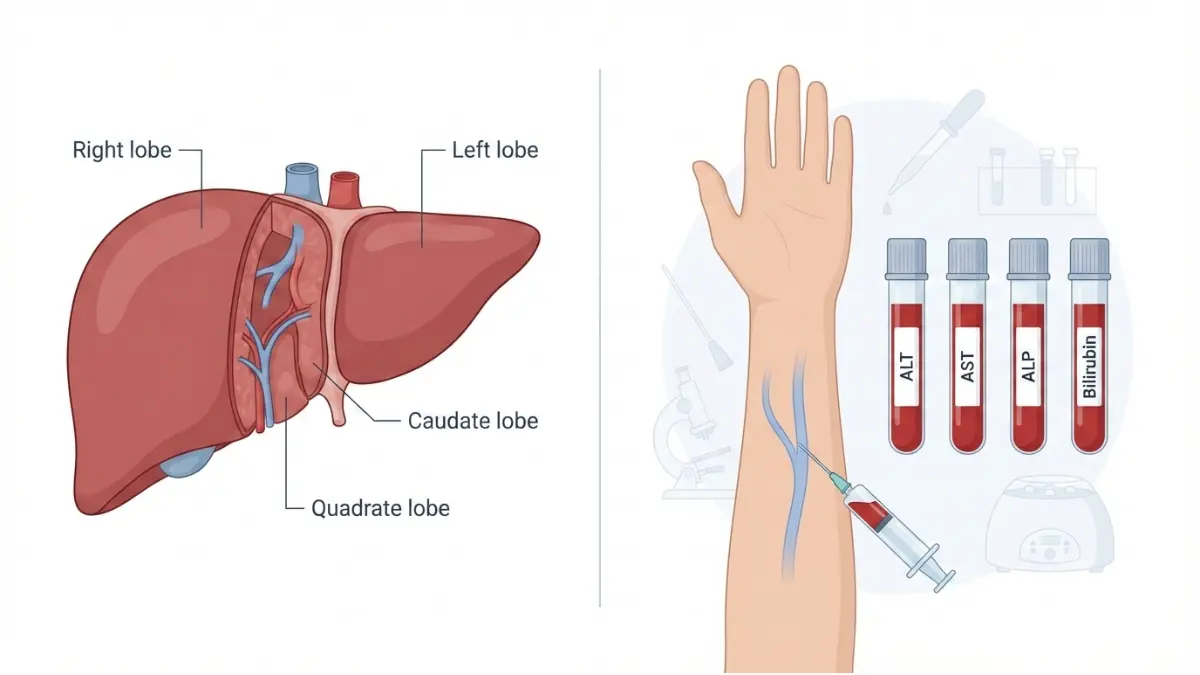
LFT results measure specific enzymes, proteins, and waste products that reveal how well your liver performs its 500+ essential functions. These blood tests don’t diagnose disease directly, but they identify patterns that guide doctors toward the underlying cause. The liver has remarkable regenerative capacity, which means catching problems early through LFT monitoring can prevent serious damage.
Doctors order liver function tests to screen for damage, monitor existing conditions, check medication effects, or investigate symptoms like fatigue, jaundice, or abdominal pain. According to the National Institute of Diabetes and Digestive and Kidney Diseases, approximately 8% of the general population has elevated liver enzymes at any given time.
The 7 Key Numbers on Your LFT Report
Understanding each marker helps you interpret what your body is signaling. Here’s what doctors examine when they review your liver panel:
| Test | Normal Range | What It Measures |
|---|---|---|
| ALT (Alanine Aminotransferase) | 7-56 IU/L | Liver cell damage, most specific to liver |
| AST (Aspartate Aminotransferase) | 10-40 IU/L | Liver and muscle cell damage |
| ALP (Alkaline Phosphatase) | 45-115 IU/L | Bile duct function and bone health |
| GGT (Gamma-Glutamyl Transferase) | 9-48 U/L | Bile duct problems, alcohol effect |
| Bilirubin (Total) | 0.3-1.2 mg/dL | Liver’s ability to process waste |
| Albumin | 3.5-5.5 g/dL | Liver’s protein production capacity |
| PT/INR | 0.8-1.1 (INR) | Blood clotting factors from liver |
ALT is the most liver-specific enzyme—when elevated, it strongly suggests hepatocellular injury rather than issues with other organs. AST exists in liver, heart, and muscle tissue, so elevations can indicate problems beyond the liver. Understanding the relationship between these markers helps narrow down potential causes.
What This Means For You:
Your specific pattern of abnormal results determines the urgency and next steps. A single mildly elevated ALT with normal other values suggests a very different path than multiple severely abnormal markers. If you’re concerned about metabolic factors affecting your liver health, checking your BMI calculator results can provide important context, as obesity significantly impacts liver function.
Key Takeaway:
Research shows that 30% of elevated liver enzymes resolve spontaneously within 3 weeks, making panic premature and repeat testing essential before extensive workup.
Decoding Your Specific Numbers
How to Interpret Your ALT and AST Levels
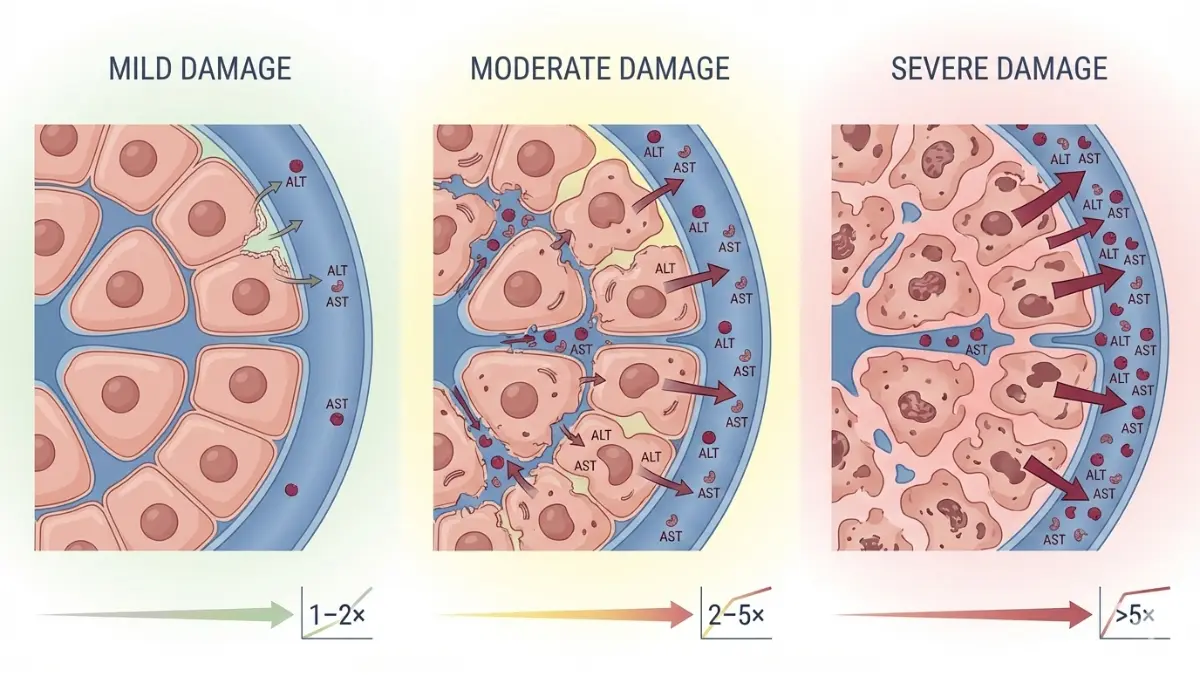
The magnitude of enzyme elevation tells a clinical story. The pattern matters more than any single number, and understanding these ranges helps you communicate effectively with your healthcare provider about what comes next.
Mild Elevation (1-2x Upper Normal Limit)
What it means: Your liver cells are experiencing stress but not severe damage. This is the most common finding in routine screening and often represents reversible conditions rather than chronic disease.
Common causes include:
- Non-alcoholic fatty liver disease (NAFLD)—present in 40% of U.S. adults with mild elevations
- Recent alcohol consumption (even moderate amounts)
- Medications like statins, NSAIDs, or antibiotics
- Recent viral illness or intense exercise
James Patterson, a 45-year-old IT consultant from Seattle, discovered his ALT at 68 IU/L during a routine physical. His doctor identified three contributing factors: a daily ibuprofen habit for back pain, weekend beer consumption, and a 20-pound weight gain over two years. After stopping NSAIDs, eliminating alcohol, and using a calorie deficit calculator to guide gradual weight loss, his ALT normalized to 32 IU/L within eight weeks.
Action plan: Wait and retest in 4-6 weeks while addressing modifiable risk factors. The Centers for Disease Control and Prevention defines moderate drinking as up to 1 drink daily for women and 2 for men—staying below these limits protects liver health.
Moderate Elevation (2-5x Upper Normal Limit)
Significance and urgency: This range demands investigation within 1-2 weeks because it can indicate active disease processes requiring treatment. While not immediately dangerous in most cases, these elevations rarely resolve without identifying and addressing the underlying cause.
Potential causes:
- Acute or chronic viral hepatitis (B, C)
- Autoimmune hepatitis
- Drug-induced liver injury
- Advanced NAFLD progressing to NASH (non-alcoholic steatohepatitis)
Testing protocol includes:
- Hepatitis B surface antigen and hepatitis C antibody screening
- Autoimmune markers (ANA, anti-smooth muscle antibodies)
- Abdominal ultrasound to assess liver structure
- Medication review for hepatotoxic drugs
Understanding whether your pattern suggests hepatocellular injury versus cholestatic injury guides the diagnostic approach. If you’re experiencing other health concerns, a comprehensive symptom checker can help document what to discuss with your doctor.
Severe Elevation (>5x Upper Normal Limit)
Red flag indicators: ALT or AST levels exceeding 5 times the upper limit represent acute liver injury requiring immediate medical evaluation. This severity suggests active hepatocellular necrosis—liver cells are dying in real time.
Immediate causes include:
- Acute viral hepatitis (A, B, C, or E)
- Acetaminophen or other medication toxicity
- Ischemic hepatitis from profound hypotension
- Acute bile duct obstruction
- Autoimmune hepatitis flare
Urgent action required: Contact your healthcare provider the same day or visit an emergency department if accompanied by jaundice, confusion, severe abdominal pain, or vomiting. These elevations rarely resolve without specific intervention and may indicate conditions requiring hospitalization.
The AST:ALT Ratio Secret
This calculated ratio provides diagnostic clues that single values cannot. According to research published by the National Library of Medicine, the AST:ALT relationship reveals patterns specific to certain liver conditions:
AST:ALT Ratio Interpretation:
| Ratio | Clinical Significance | Common Conditions |
|---|---|---|
| <1 (ALT higher than AST) | Non-alcoholic liver injury | Viral hepatitis, NAFLD, medication-induced |
| 1-2 (roughly equal) | Mixed or uncertain pattern | Various causes, needs further testing |
| ≥2 (AST much higher) | Alcohol-related damage | Alcoholic hepatitis, cirrhosis |
Why this matters clinically: AST exists in mitochondria and cytoplasm of liver cells, while ALT exists primarily in cytoplasm. Alcohol specifically damages mitochondria, releasing disproportionate AST. This ratio helps doctors determine if alcohol is contributing even when patients underestimate consumption.
Global Expert Insight:
“The pattern of elevation matters more than absolute numbers. A patient with ALT of 200 and AST of 100 tells a fundamentally different story than one with AST of 200 and ALT of 100, even though both have ‘elevated’ enzymes.” — Dr. Anna Chen, Hepatologist, Singapore National University Hospital
What This Means For You:
Don’t fixate on whether your number is “high” in isolation. The relationship between values, the trajectory over time, and correlation with symptoms matter more than any single abnormal result. If multiple tests show concerning patterns, specialized care may be warranted.
Why Your Liver Numbers Are Abnormal
12 Common Reasons for Elevated LFT Results
Identifying the cause determines your treatment path. Some causes resolve with simple lifestyle changes, while others require medical management. Understanding the full spectrum of possibilities prevents premature conclusions.
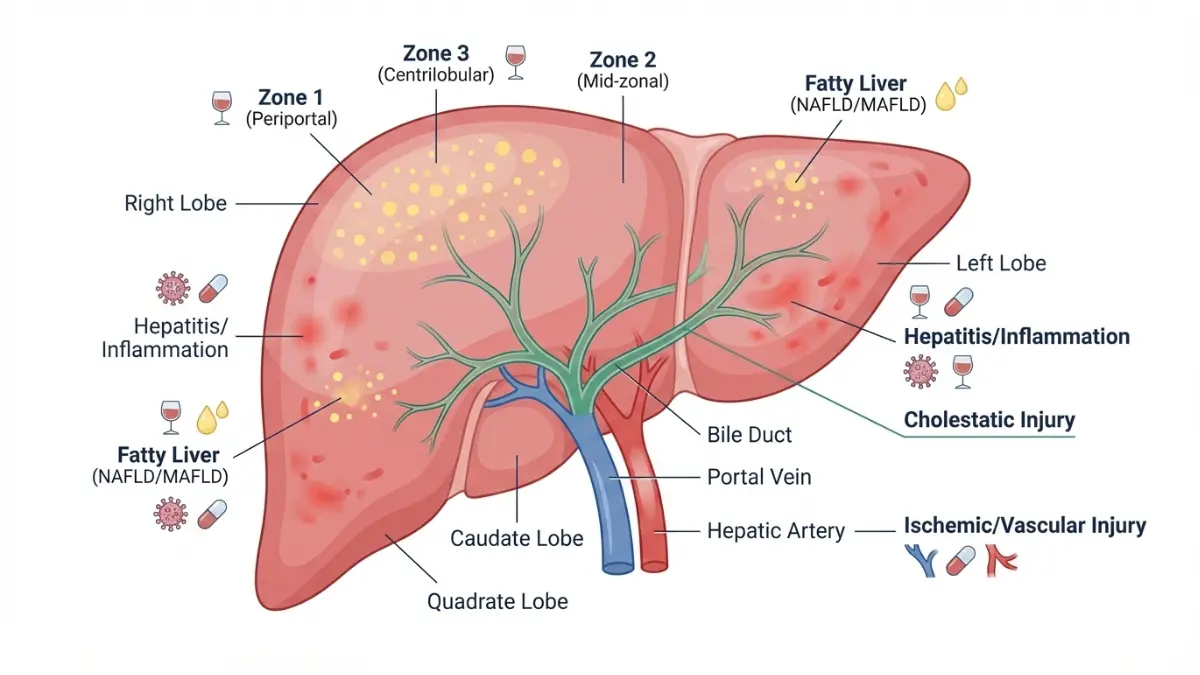
Lifestyle Factors (Most Common)
Non-Alcoholic Fatty Liver Disease (NAFLD) ranks as the leading cause of abnormal LFT results in the United States. The National Institute of Diabetes and Digestive and Kidney Diseases reports that up to 40% of adults with elevated liver enzymes show fatty infiltration on ultrasound.
NAFLD develops when fat accumulates in liver cells unrelated to alcohol use. Risk factors include obesity, type 2 diabetes, high cholesterol, and metabolic syndrome. The condition exists on a spectrum—simple steatosis (fat accumulation) rarely causes harm, but progression to NASH involves inflammation and can lead to cirrhosis without intervention.
Practical steps: Weight loss of 7-10% significantly improves liver fat content and enzyme levels. Using targeted tools like a weight loss calculator helps establish realistic goals and timelines for metabolic improvement.
Alcohol consumption—even moderate amounts—elevates liver enzymes in susceptible individuals. The liver metabolizes alcohol into toxic acetaldehyde, and chronic exposure triggers inflammation and fat accumulation. Some people develop alcoholic hepatitis with as little as 2-3 drinks daily over years.
Obesity and metabolic syndrome create a perfect storm for liver dysfunction. Excess visceral fat releases inflammatory cytokines and free fatty acids that overwhelm the liver’s processing capacity. Checking body composition with a body fat percentage calculator provides more nuanced information than BMI alone.
Medications causing elevations:
- Statins (atorvastatin, simvastatin)—usually mild, transient elevations that don’t require discontinuation
- Acetaminophen (Tylenol)—dose-dependent toxicity; stay under 3,000mg daily
- NSAIDs (ibuprofen, naproxen)—chronic use impacts liver and kidneys
- Antibiotics (amoxicillin-clavulanate, azithromycin)—idiosyncratic reactions in some patients
Medical Conditions
Viral hepatitis encompasses infections with hepatitis A, B, C, D, or E viruses that specifically target liver cells. Hepatitis B and C cause chronic infections affecting millions of Americans, often silently for years before detection. The Centers for Disease Control and Prevention recommends one-time screening for adults born between 1945-1965 and anyone with risk factors including injection drug use or high-risk sexual contact.
Autoimmune hepatitis occurs when the immune system mistakenly attacks liver cells. This condition predominantly affects women and can present with severe enzyme elevations exceeding 10 times normal. Diagnosis requires specific antibody testing and often liver biopsy.
Hemochromatosis—a genetic disorder causing iron overload—damages the liver through oxidative stress. Patients of Northern European descent face the highest risk, and early detection prevents cirrhosis. Simple blood tests measuring ferritin and transferrin saturation screen for this treatable condition.
Wilson’s disease involves copper accumulation in the liver and brain due to impaired copper excretion. Though rare, this genetic condition causes severe liver disease in young adults if undiagnosed. Screening includes ceruloplasmin levels and 24-hour urine copper.
Temporary Elevations
Several benign situations cause transient enzyme increases that normalize without intervention:
Recent intense exercise elevates AST more than ALT because muscle damage releases AST. Marathon runners, CrossFit athletes, and those starting aggressive workout programs often show mild elevations that resolve with rest.
Fasting or extreme dieting triggers enzyme release as the liver processes stored glycogen and fat. Very low-calorie diets sometimes paradoxically worsen NAFLD-related elevations before improvement occurs.
Recent illness or infection increases metabolic demands on the liver. Mononucleosis, COVID-19, and severe bacterial infections commonly cause mild transaminase elevations that resolve with recovery.
Muscle injury from trauma, falls, or injections elevates AST specifically. The CK (creatine kinase) test helps distinguish muscle-source AST from liver-source enzyme.
Medications That Affect Liver Enzymes
Understanding medication effects prevents unnecessary alarm and guides safe prescribing decisions:
| Medication Class | Common Examples | Typical Effect | Clinical Action |
|---|---|---|---|
| Statins | Atorvastatin, Simvastatin, Rosuvastatin | Mild ALT elevation (2x in <3% of patients) | Monitor; rarely requires stopping |
| Antibiotics | Amoxicillin-clavulanate, Isoniazid, Nitrofurantoin | Variable; can be severe in some cases | Consider alternatives if >3x elevation |
| Pain Relievers | Acetaminophen, Ibuprofen, Naproxen | Dose-dependent; worse with alcohol | Use minimum effective dose; avoid alcohol |
| Herbal Supplements | Green tea extract, Kava, Chaparral | Unpredictable hepatotoxicity | Stop immediately if elevations occur |
Patient Case Study:
Marcus Thompson, a 52-year-old accountant from Denver, experienced ALT levels climbing from 35 to 128 IU/L over six months. A thorough medication review revealed he’d started taking a “liver cleanse” supplement containing green tea extract. His physician explained that concentrated green tea catechins paradoxically cause hepatotoxicity in some individuals. After stopping the supplement and avoiding all herbal products, Marcus’s ALT normalized to 38 IU/L within eight weeks—demonstrating that more supplements don’t mean better health.
Key Takeaway:
Research demonstrates that 30% of elevated LFT results resolve spontaneously within three weeks, emphasizing the importance of repeat testing before extensive diagnostic workup. The U.S. Food and Drug Administration tracks reports of drug-induced liver injury and maintains updated safety information on prescription medications.
Your Personalized Fix Plan
What to Do When Your LFT Results Are Abnormal
Strategic, stepwise action replaces panic and paralysis. Most abnormal LFT results don’t signal liver failure or cancer—they signal your liver needs support through modifiable lifestyle factors or medical intervention.
The 72-Hour Action Plan
Hour 0-24: Immediate Steps
Don’t panic—assess the context. Review exactly what was elevated, by how much, and whether you have symptoms. Anxiety about results often exceeds actual medical urgency for mild elevations.
Stop all non-essential supplements immediately. Herbal products, vitamin megadoses, and “cleanse” formulations frequently cause elevations. The liver doesn’t need detoxification—that’s literally its job.
Eliminate alcohol completely. Even if alcohol isn’t the primary cause, it stresses a liver already showing signs of dysfunction. Zero alcohol intake for at least 4-8 weeks gives your liver the best recovery environment.
Document any symptoms in a journal: fatigue levels, appetite changes, abdominal discomfort, itching, dark urine, light-colored stools, or jaundice (yellowing of skin/eyes). These details help your doctor assess urgency.
Review all medications and supplements with your doctor or pharmacist. The National Library of Medicine’s MedlinePlus provides comprehensive information about hepatotoxicity risks for prescription drugs.
Hour 24-48: Medical Consultation
Schedule a doctor appointment within 1-2 weeks for mild elevations, or same-day/next-day for moderate to severe elevations. Virtual appointments work well for initial discussion unless you have concerning symptoms.
Prepare specific questions:
- Which specific values are abnormal and by how much?
- What pattern do my results show (hepatocellular vs. cholestatic)?
- Do I need additional blood tests or imaging now?
- What lifestyle changes will have the biggest impact?
- Should any of my current medications be stopped or adjusted?
- When should I retest my liver function?
Request appropriate additional testing based on your risk factors: hepatitis B and C screening if you’ve never been tested, autoimmune markers if you’re a young woman with significant elevations, or iron studies if you have Northern European ancestry.
Discuss medication alternatives for any drug known to affect the liver, especially if elevations are moderate to severe. Many therapeutic classes offer multiple options with different hepatotoxicity profiles.
Hour 48-72: Lifestyle Modifications Begin
Start a liver-friendly diet immediately. Focus on whole foods, lean proteins, abundant vegetables, and healthy fats while eliminating processed foods, added sugars, and fried items. The Mediterranean diet specifically reduces ALT by 15-20% in controlled trials.
Specific dietary priorities:
- Vegetables: 4-5 servings daily, emphasizing leafy greens and cruciferous varieties
- Lean protein: Fish, chicken, turkey, legumes
- Healthy fats: Olive oil, avocados, nuts, fatty fish (salmon, sardines)
- Coffee: 2-3 cups daily (studies show liver-protective effects)
- Foods to avoid: Sugary drinks, high-fructose corn syrup, trans fats, excessive saturated fat
Using a macro calculator helps balance your nutrition targets for optimal liver recovery while supporting healthy weight management.
Begin gentle exercise without intense training. Walk 20-30 minutes daily, try yoga or swimming, but avoid hardcore workouts that stress your body further. Excessive exercise elevates liver enzymes through muscle breakdown and metabolic demands.
Hydration protocol: 8-10 glasses of water daily supports the liver’s detoxification processes and helps flush metabolic waste products. Dehydration concentrates toxins and slows hepatic clearance mechanisms.
Evidence-Based Lifestyle Interventions
Dietary Changes (Evidence Strength: ⭐⭐⭐⭐⭐)
The Mediterranean diet consistently demonstrates liver enzyme improvement in clinical trials. A 2022 study in the Journal of Hepatology showed participants following Mediterranean eating patterns experienced:
- 18% average reduction in ALT levels over 12 weeks
- Significant improvement in insulin resistance
- Reduced liver fat content on imaging
Key dietary principles:
- Limit saturated fat to <7% of total calories
- Increase omega-3 fatty acids from fish (2-3 servings weekly)
- Eliminate fructose-sweetened beverages completely
- Choose whole grains over refined carbohydrates
- Include daily servings of garlic, onions, and leafy greens
The Dietary Guidelines for Americans from USDA provides evidence-based nutrition recommendations that align with liver health goals.
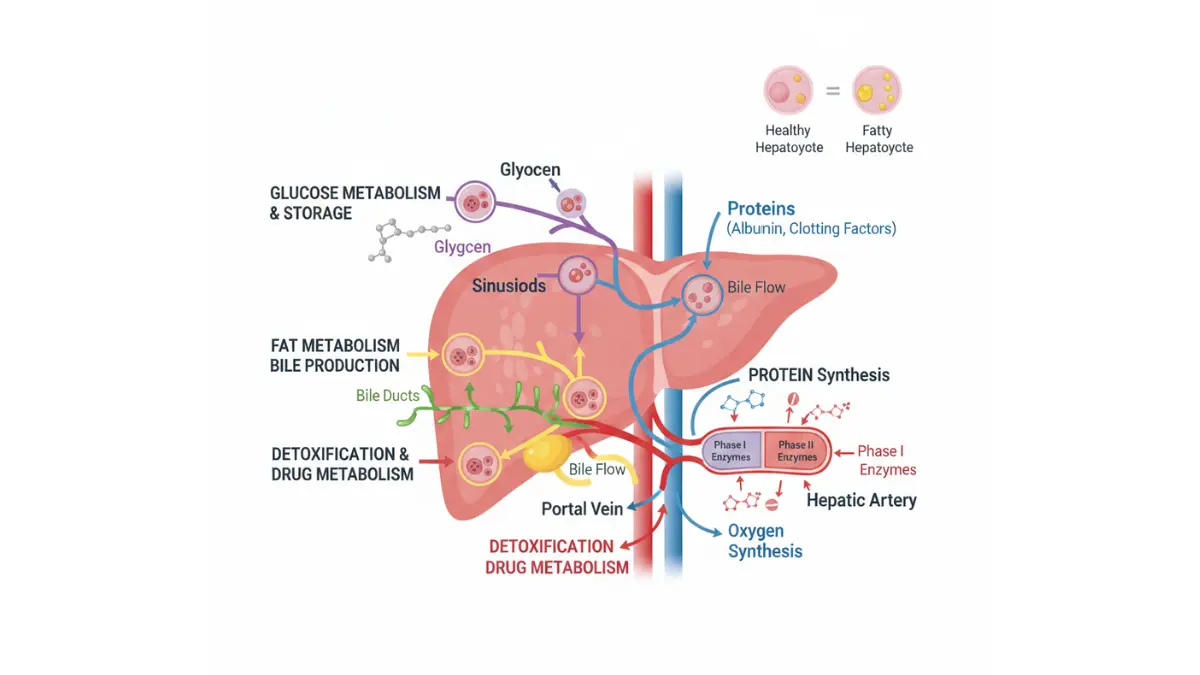
Weight Management (Evidence Strength: ⭐⭐⭐⭐⭐)
Weight loss stands as the single most effective intervention for NAFLD-related enzyme elevations. Research published by the National Institute of Diabetes and Digestive and Kidney Diseases demonstrates that:
- 7-10% body weight loss improves liver fat and inflammation
- Even 3-5% loss produces measurable enzyme reductions
- Rate of loss matters less than total amount lost
Practical weight loss support:
- Set realistic targets using a weight loss calculator
- Consider time-restricted eating strategies with an intermittent fasting calculator
- Track progress weekly but avoid daily weight obsession
Exercise Protocol (Evidence Strength: ⭐⭐⭐⭐)
Physical activity improves liver health independent of weight loss through enhanced insulin sensitivity and reduced inflammatory markers. Target 150 minutes of moderate-intensity activity weekly divided into manageable sessions.
Recommended activities:
- Brisk walking, cycling, swimming
- Resistance training 2-3 times weekly
- Flexibility work and stress reduction (yoga, tai chi)
Monitor exercise intensity with a heart rate zone calculator to ensure you’re working in the optimal fat-burning zone without overexertion that could temporarily elevate enzymes.
When Medication or Specialist Care Is Needed
Hepatologist Referral Criteria:
Not everyone with abnormal LFT results needs a liver specialist, but these situations warrant referral:
- ALT or AST persistently >2x upper normal limit for >6 months despite lifestyle intervention
- Any evidence of jaundice, ascites (abdominal fluid), or hepatic encephalopathy (confusion)
- Platelet count <150,000/μL suggesting advanced fibrosis
- Albumin <3.5 g/dL indicating impaired liver synthetic function
- Imaging showing cirrhosis, nodules, or significant fibrosis
- Suspected rare liver diseases requiring specialized testing
When to seek emergency care:
- Jaundice with confusion or altered mental status
- Severe abdominal pain with nausea/vomiting
- Signs of bleeding (vomiting blood, black tarry stools)
- Extremely elevated enzymes (>10x normal) with symptoms
Treatment Cost Transparency
Understanding healthcare costs reduces financial stress when navigating liver health concerns. Prices vary by region and insurance, but these ranges reflect typical 2026 U.S. costs:
| Service | Without Insurance | With Insurance (Typical) | Medicare Coverage |
|---|---|---|---|
| Initial hepatologist consultation | $250–600 | $50–150 copay | $20–50 copay |
| Abdominal ultrasound | $300–1,000 | $75–250 | Covered (20% coinsurance) |
| Comprehensive hepatitis panel | $200–500 | $30–75 | Covered with referral |
| Liver biopsy (if needed) | $2,500–6,000 | $500–1,500 | Covered (20% coinsurance) |
| FibroScan (elastography) | $500–1,500 | $100–300 | Limited coverage |
Insurance navigation tips:
- Confirm your specialist is in-network before scheduling
- Request prior authorization for imaging and procedures
- Ask about self-pay discounts if uninsured—often 30-50% reduction
- Many hospitals offer financial assistance programs for those who qualify
Real Patient Outcome:
After 90 days following a structured Mediterranean diet and moderate exercise program, Jennifer Rodriguez saw her ALT decrease from 92 to 31 IU/L. The 42-year-old teacher from Phoenix lost 18 pounds using evidence-based nutritional planning and walking 5 days weekly. Her success demonstrates that consistent lifestyle modification often outperforms medication for metabolic liver dysfunction. Jennifer tracked her journey and found that quality sleep calculator recommendations helped her maintain consistent rest patterns, which research links to improved metabolic health.
Monitoring & Follow-Up Strategy
How to Track Your Liver Health Progress
Strategic monitoring ensures your intervention plan works while catching any worsening trends early. The frequency and type of follow-up testing depends on your initial elevation severity and suspected cause.
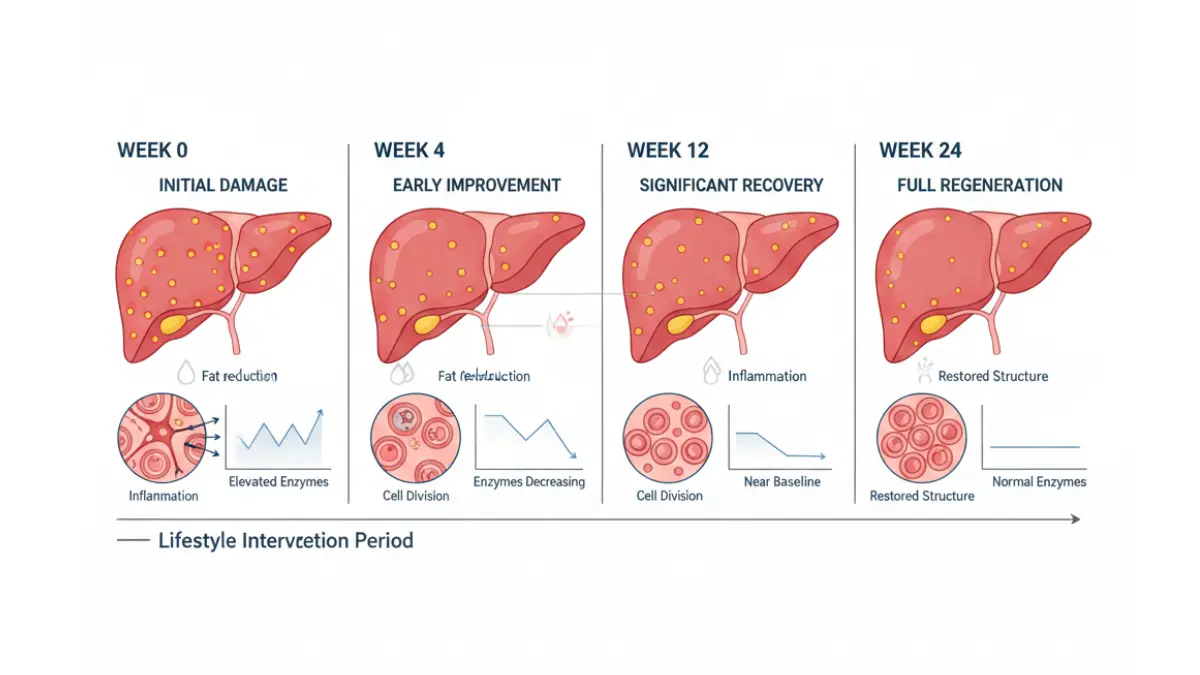
Retesting Timeline
For mild elevations (1-2x upper normal limit):
Retest in 4-6 weeks after implementing lifestyle changes. This interval allows enough time for meaningful improvement while not delaying diagnosis if elevations persist or worsen.
For moderate elevations (2-5x upper normal limit):
Retest in 2-4 weeks with expanded testing if the cause remains unclear. Your doctor may add hepatitis screening, autoimmune markers, or imaging at this point rather than waiting for second results.
For severe elevations (>5x upper normal limit):
Immediate specialist referral typically occurs before routine retesting. The hepatologist determines appropriate monitoring frequency based on the suspected diagnosis—often weekly initially if acute hepatitis is suspected.
What to expect at follow-up appointments:
- Review of symptom changes since initial testing
- Comparison of new enzyme levels to baseline values
- Discussion of any additional test results (imaging, viral studies)
- Adjustment of treatment plan based on response
- Decision about further specialist referral if needed
Home Monitoring Tips
Between medical appointments, tracking specific indicators helps you recognize improvement or identify concerning changes requiring earlier follow-up.
Symptom tracking journal should document:
- Daily energy levels (rate 1-10)
- Appetite and any food intolerances
- Abdominal discomfort location and severity
- Urine color (dark urine suggests bilirubin elevation)
- Stool appearance (pale stools indicate bile flow problems)
- Any new itching, especially at night
- Mood changes or difficulty concentrating
When to seek urgent medical care:
- New or worsening jaundice (yellowing of eyes or skin)
- Severe abdominal pain, especially right upper quadrant
- Persistent vomiting preventing oral intake
- Confusion or personality changes
- Easy bruising or bleeding (nosebleeds, bleeding gums)
- Swelling in legs or abdomen
Maintaining adequate rest supports liver regeneration. Using a sleep calculator ensures you’re getting optimal sleep duration for metabolic recovery—research links insufficient sleep to worsened insulin resistance and fatty liver disease.
Long-Term Liver Protection
Once your LFT results normalize, maintaining liver health requires ongoing attention to risk factors and periodic monitoring.
Annual screening recommendations:
- Comprehensive metabolic panel including liver enzymes for anyone with prior elevations
- Hepatitis C screening once for all adults age 18-79 (CDC recommendation)
- Hepatitis B screening for high-risk populations
- Diabetes screening if overweight or family history (diabetes increases NAFLD risk)
Hepatitis A and B vaccination provides critical protection. These preventable viral infections can cause acute liver failure or chronic disease. The CDC immunization schedule recommends hepatitis B vaccination for all adults and hepatitis A for those with risk factors.
Medication safety protocols:
- Discuss liver health with all prescribers before starting new medications
- Avoid combining hepatotoxic drugs when possible
- Never exceed recommended acetaminophen doses (stay under 3,000mg daily)
- Be cautious with alcohol if taking any medication
- Inform doctors about all supplements—many cause drug interactions
Prevention Checklist:
✓ Limit alcohol to CDC guidelines: ≤1 drink daily (women) or ≤2 drinks daily (men)
✓ Maintain healthy BMI between 18.5-24.9 through sustainable eating habits
✓ Get vaccinated against hepatitis A and B if not previously immunized
✓ Review all medications with your doctor annually, discontinuing unnecessary drugs
✓ Annual LFT screening if you have diabetes, obesity, or prior liver issues
✓ Avoid sharing personal items that might contact blood (razors, toothbrushes)
✓ Practice safe sex to prevent hepatitis B and C transmission
✓ Never share needles for any reason—applies to insulin, medications, or drugs
International Expert Panel Quote:
“Early detection through routine LFT screening combined with timely lifestyle intervention can prevent up to 70% of NAFLD cases from progressing to cirrhosis. The key is acting on mildly abnormal results rather than waiting for overt liver disease.” — European Association for the Study of the Liver (EASL), 2025 Clinical Practice Guidelines
Understanding patterns across diagnostic tests helps contextualize liver findings. If you’re managing multiple health concerns, exploring resources about other test results like TSH levels or CBC blood tests provides comprehensive insight into your overall health status.
Common Questions About LFT Results
Frequently Asked Questions
Q1: Can stress directly cause elevated liver enzymes?
No, psychological stress alone doesn’t raise liver enzymes. However, stress-related behaviors—increased alcohol consumption, poor dietary choices, weight gain, or medication overuse—indirectly affect liver health. Managing stress through healthy coping mechanisms protects your liver.
Q2: How long does it take for liver enzymes to return to normal ranges?
Timeline varies by cause. Medication-induced elevations typically normalize within 2-8 weeks after stopping the offending drug. NAFLD-related elevations improve over 8-16 weeks with sustained weight loss and dietary changes. Viral hepatitis recovery takes months and requires medical treatment.
Q3: Should I avoid exercise if my liver enzymes are elevated?
Avoid intense workouts initially, as extreme exercise temporarily elevates AST through muscle breakdown. Moderate activity like walking, swimming, or gentle cycling benefits liver health. Retest enzymes before resuming high-intensity training to ensure abnormalities weren’t related to exercise itself.
Q4: Is any alcohol safe with mildly elevated ALT levels?
Complete alcohol abstinence is recommended until enzyme levels normalize and the cause is identified. Even moderate drinking can worsen liver inflammation. Once resolved, discuss safe alcohol limits with your doctor—some people with previous elevations should avoid alcohol permanently.
Q5: Do I need a liver biopsy for diagnosis?
Most patients don’t require biopsy. Non-invasive testing (blood tests, imaging, FibroScan) diagnoses the majority of conditions. Biopsy becomes necessary when diagnosis remains unclear after thorough workup, or to stage fibrosis severity if advanced disease is suspected and treatment decisions depend on precise staging.
Q6: What foods specifically help lower liver enzymes?
Research supports coffee (2-3 cups daily), leafy greens, fatty fish rich in omega-3s, olive oil, nuts, whole grains, and green tea. Foods to avoid include sugary beverages, high-fructose corn syrup, processed meats, fried foods, and excessive saturated fats. The overall dietary pattern matters more than individual “superfoods.”
Q7: Are elevated liver enzymes permanently reversible?
Yes, in most cases involving NAFLD, medication-induced injury, or alcohol-related changes—assuming intervention occurs before significant fibrosis develops. Once cirrhosis establishes, liver architecture changes are irreversible, though disease progression can be halted with proper management. Early detection is critical.
Q8: How accurate and reliable are LFT results?
Highly accurate for detecting liver injury patterns and synthetic function. However, single abnormal results should be confirmed with repeat testing, as transient elevations from benign causes occur frequently. Consistent abnormalities across multiple tests indicate true liver dysfunction requiring investigation.
Q9: Can dietary supplements help normalize my liver function?
No evidence supports liver supplements like milk thistle, artichoke extract, or “detox” formulations for improving abnormal LFT results. Some supplements paradoxically cause hepatotoxicity. Focus on evidence-based lifestyle interventions rather than unregulated products with unproven benefits and potential risks.
Q10: When should I insist on seeing a hepatologist?
Self-advocacy matters if your primary doctor dismisses persistently abnormal results (>6 months), doesn’t order appropriate follow-up testing, or suggests “watchful waiting” for moderate to severe elevations. You have the right to specialist consultation when enzyme abnormalities persist despite intervention attempts.
Q11: Will my health insurance cover all necessary liver testing?
Most insurance plans cover medically necessary LFT panels, hepatitis screening, and standard imaging. Prior authorization may be required for advanced tests like FibroScan or liver biopsy. Contact your insurer to verify coverage and out-of-pocket costs before expensive procedures to avoid surprise bills.
Additional Resources for Liver Health
Expanding your knowledge through trusted sources empowers better health decisions. Explore comprehensive health information covering various medical topics related to diagnostic testing, treatment options, and preventive care strategies.
Understanding genetic factors that influence liver disease risk through a genetic risk assessment tool helps identify hereditary conditions like hemochromatosis or Wilson’s disease before significant damage occurs.
For authoritative liver disease information, consult the National Institute of Diabetes and Digestive and Kidney Diseases for patient education materials on various hepatic conditions, research updates, and clinical trial opportunities.
Final Key Takeaway:
Abnormal LFT results signal an opportunity for intervention, not a liver disease diagnosis. The majority of elevations result from reversible lifestyle factors rather than serious pathology. Taking prompt action, following evidence-based interventions, and maintaining appropriate medical follow-up gives your liver the best chance to heal and function optimally for decades to come.
Medical disclaimer
The content on MyMedicineAdvisor is provided for general informational and educational purposes only and is not a substitute for professional medical advice, diagnosis, or treatment. Health information on this website should not be used to diagnose, treat, cure, or prevent any condition without guidance from a qualified healthcare professional. Always seek the advice of your doctor, physician, or another licensed healthcare provider with any questions you may have regarding a medical condition, symptoms, medications, or treatment decisions.