On This Page – Quick Medical Summary
CBC Blood Test Results Explained: Normal Range + What Low/High Values Mean
Sarah stared at her lab report, her eyes scanning rows of numbers and abbreviations she didn’t understand. “What does WBC 12.8 mean?” she wondered, her mind racing with worry. Like millions of people each year, she needed clear answers about her CBC blood test results—and she needed them fast.
CBC blood test results measure the quantity and quality of three critical blood cell types in your body: red blood cells that carry oxygen, white blood cells that fight infection, and platelets that help blood clot. A complete blood count is one of the most common diagnostic tools doctors use to evaluate overall health, diagnose conditions like anemia and infections, and monitor treatment effectiveness. Understanding what CBC results mean empowers you to have informed conversations with your healthcare provider and take control of your health journey.
Why Understanding Your CBC Blood Test Results Matters
Your CBC blood test explained reveals a detailed snapshot of your blood’s cellular composition. According to the National Cancer Institute, this single test measures red blood cell count, white blood cell count, platelet count, hemoglobin levels, and hematocrit—each revealing different aspects of your health. When you experience unexplained fatigue, frequent infections, or unusual bruising, checking unusual symptoms through proper medical evaluation can help identify underlying issues.
This comprehensive guide breaks down every component of complete blood count interpretation in plain language. You’ll learn how to read your lab report, understand normal ranges for each parameter, recognize what abnormal values indicate, and know exactly when to take action. Whether your doctor ordered routine screening or is investigating specific symptoms, this article provides the clarity you deserve.
What You’ll Learn in This Guide
We’ve organized this evidence-based resource to answer your most pressing questions about CBC blood test results. You’ll discover age-specific and gender-specific normal ranges for every blood cell type, understand what low hemoglobin or elevated white blood cells actually mean, and learn actionable steps to take when results fall outside normal parameters. We’ve also included comparison tables, real patient scenarios, and expert guidance to help you navigate conversations with your healthcare team confidently.
From understanding basic CBC blood test explained terminology to recognizing patterns that suggest specific conditions, this guide serves as your complete reference. You’ll learn when borderline results require follow-up testing, which lifestyle factors affect your blood counts, and how different medical conditions create distinct patterns in your complete blood count results.
⚠️ Medical Disclaimer: This article is for educational purposes only and does not constitute medical advice. Always consult your healthcare provider for interpretation of your specific CBC blood test results and personalized medical recommendations. Never delay seeking professional medical care based on information read online.
Understanding Your CBC Blood Test Results – Complete Component Breakdown
What Is a CBC Test and What Does It Measure?
A CBC test normal range analysis examines three fundamental blood cell categories that reveal your body’s current health status. The complete blood count with differential provides a comprehensive snapshot by measuring red blood cells responsible for oxygen transport, white blood cells that defend against infection, and platelets that enable proper blood clotting. Each component tells a distinct story about your organ function, immune system strength, and overall wellness.
Your CBC blood test results include anywhere from 15 to 20 individual measurements, each with established normal ranges based on extensive population studies. Understanding these parameters helps you identify potential health concerns early and track changes over time, especially when monitoring chronic conditions or treatment responses.
Red Blood Cell (RBC) Parameters Explained
Red blood cells carry oxygen from your lungs to every tissue in your body, making their measurement critical for assessing energy levels and organ function. The RBC count range measures the actual number of these cells per microliter of blood, with normal adult values typically between 4.5 to 5.9 million cells/mcL for men and 4.1 to 5.1 million cells/mcL for women.
Hemoglobin normal range represents the oxygen-carrying protein inside red blood cells and serves as the primary indicator for diagnosing anemia. According to the National Institutes of Health, adult males should measure 13.8 to 17.2 grams per deciliter (g/dL), while adult females range from 12.1 to 15.1 g/dL. Lower values indicate your tissues aren’t receiving adequate oxygen, which explains fatigue and weakness many people experience with anemia.
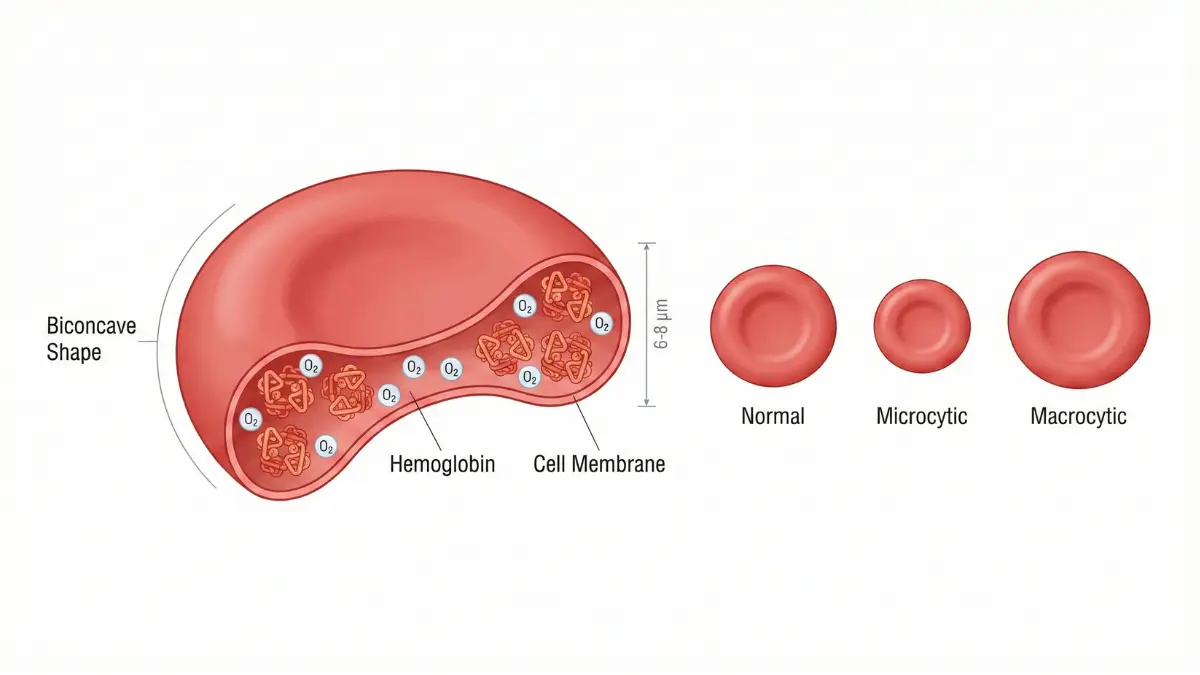
Hematocrit levels explained measure the percentage of your blood volume occupied by red blood cells. Normal hematocrit levels span 40.7% to 50.3% for men and 36.1% to 44.3% for women, with deviations suggesting either anemia (low) or polycythemia (high). When you maintain healthy hydration through proper water intake, your hematocrit remains more stable and accurate.
MCV blood test meaning reveals the average size of your red blood cells, measured in femtoliters (fL). The normal MCV range falls between 80 to 100 fL, with smaller cells (microcytic) often indicating iron deficiency and larger cells (macrocytic) suggesting B12 or folate deficiency. This single measurement helps doctors distinguish between different types of anemia rapidly.
MCH and MCHC provide additional red blood cell insights—MCH measures the average hemoglobin amount per cell (normal: 27-31 pg/cell), while MCHC calculates hemoglobin concentration within each cell (normal: 32-36 g/dL). RDW (Red Cell Distribution Width) quantifies size variation among your red blood cells, with elevated values suggesting mixed anemia types or nutritional deficiencies requiring investigation.
White Blood Cell (WBC) Count and Differential
The total WBC count meaning reflects your immune system’s current activity level, with normal adult ranges between 3,800 to 10,400 cells/mcL. Elevated counts often signal infection, inflammation, or stress response, while low counts may indicate immune suppression or bone marrow issues.
CBC with differential breaks down white blood cells into five distinct types, each serving specialized immune functions. Understanding your neutrophil count normal range—which comprises 40% to 70% of total white blood cells or approximately 2,000 to 7,000 cells/mcL in absolute numbers—helps identify bacterial infections where neutrophils dramatically increase.
CBC with differential analysis includes:
- Neutrophils (50-70%): Your first responders against bacterial infections and tissue damage
- Lymphocytes (20-40%): Fight viral infections and produce antibodies for long-term immunity
- Monocytes (1-6%): Transform into macrophages that consume dead cells and pathogens
- Eosinophils (1-5%): Combat parasitic infections and mediate allergic responses
- Basophils (0.5-1%): Release histamine during allergic reactions and inflammation
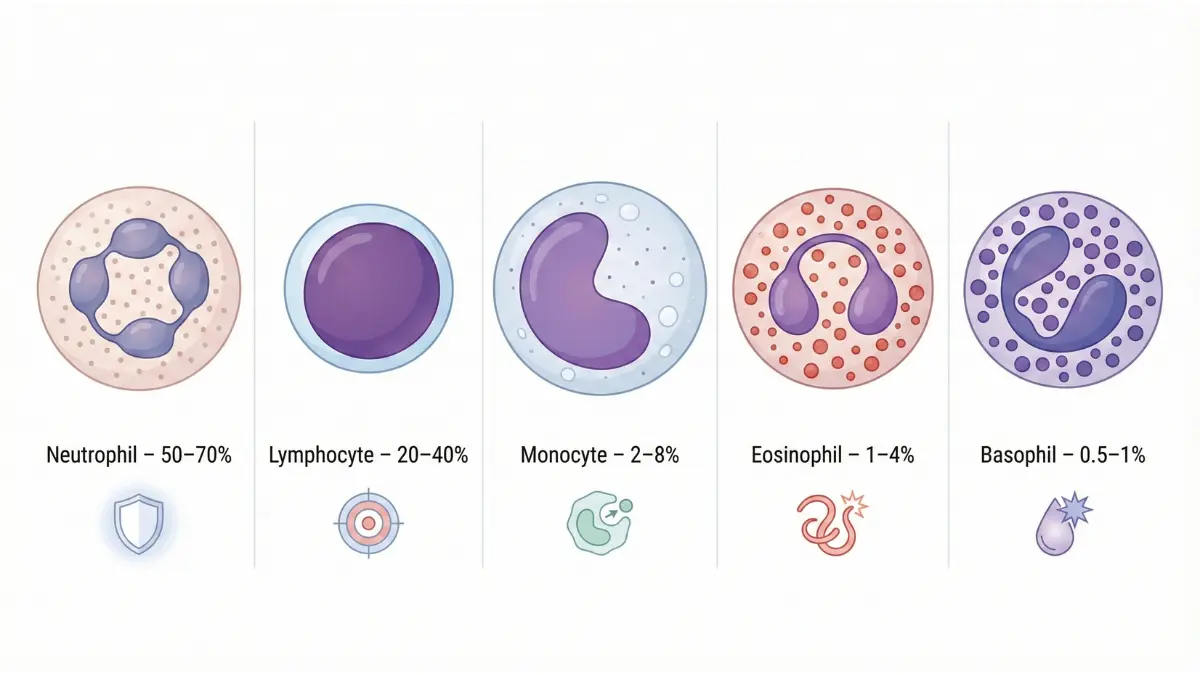
Recognizing shifts in these WBC count meaning percentages helps physicians pinpoint specific infection types. Bacterial infections typically elevate neutrophils, viral infections increase lymphocytes, and allergic reactions raise eosinophils—patterns that guide treatment decisions effectively.
Platelet Count and Clotting Function
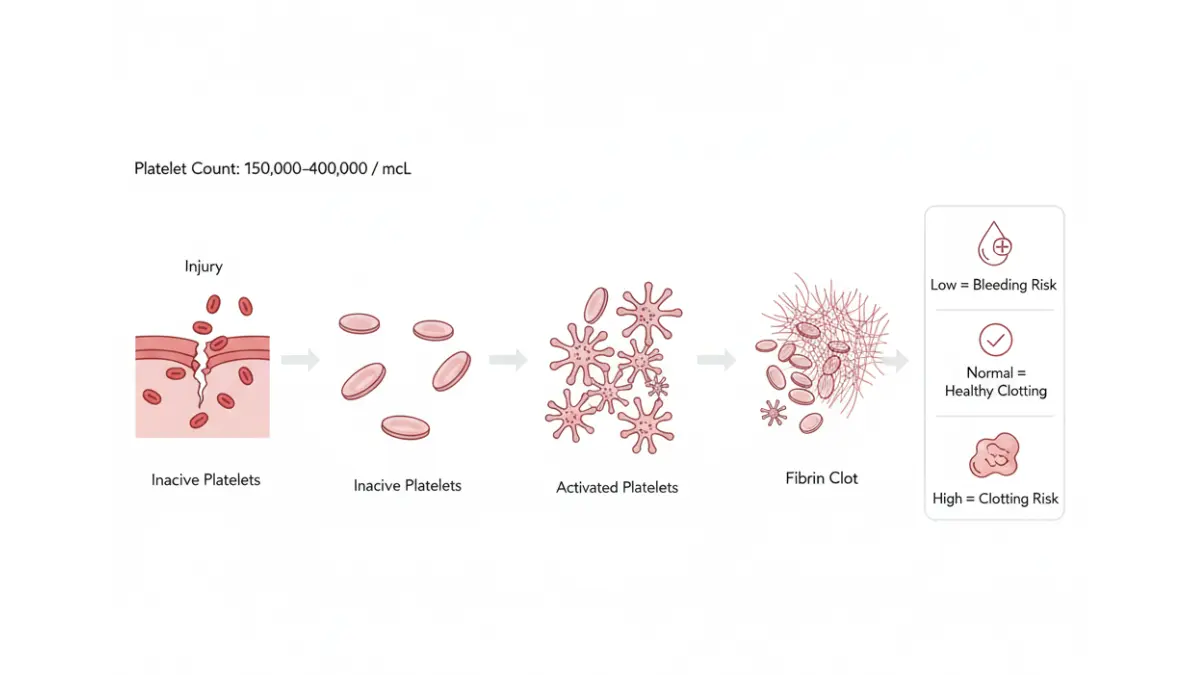
Platelet count normal values range from 150,000 to 400,000 platelets per microliter of blood, with these tiny cell fragments playing an essential role in blood clotting and wound healing. When your platelet count drops below 150,000 (thrombocytopenia), you face increased bleeding risk, while counts exceeding 400,000 (thrombocytosis) may increase clot formation dangers.
MPV (Mean Platelet Volume) measures average platelet size, typically ranging from 7.5 to 11.5 femtoliters. Larger platelets are generally younger and more active, so elevated MPV with low platelet counts suggests your bone marrow is producing new platelets rapidly to replace destroyed ones—a pattern seen in immune thrombocytopenia.
Complete CBC Test Normal Range Reference Table
| Parameter | Adult Male Range | Adult Female Range | Pediatric Range (1-12 years) | Clinical Significance |
|---|---|---|---|---|
| RBC Count | 4.5-5.9 million/mcL | 4.1-5.1 million/mcL | 4.0-5.2 million/mcL | Oxygen-carrying capacity |
| Hemoglobin | 13.8-17.2 g/dL | 12.1-15.1 g/dL | 11.5-15.5 g/dL | Anemia diagnosis marker |
| Hematocrit | 40.7%-50.3% | 36.1%-44.3% | 35%-45% | Blood volume assessment |
| MCV | 80-100 fL | 80-100 fL | 75-95 fL | Red cell size indicator |
| MCH | 27-31 pg/cell | 27-31 pg/cell | 25-33 pg/cell | Hemoglobin per cell |
| MCHC | 32-36 g/dL | 32-36 g/dL | 31-37 g/dL | Hemoglobin concentration |
| WBC Count | 3,800-10,400/mcL | 3,800-10,400/mcL | 5,000-14,500/mcL | Immune function status |
| Neutrophils | 2,000-7,000/mcL (50-70%) | 2,000-7,000/mcL (50-70%) | 1,500-8,000/mcL | Bacterial infection fighter |
| Lymphocytes | 1,000-4,000/mcL (20-40%) | 1,000-4,000/mcL (20-40%) | 1,500-7,000/mcL | Viral immunity cells |
| Platelets | 150,000-400,000/mcL | 150,000-400,000/mcL | 150,000-450,000/mcL | Clotting ability measure |
Understanding these CBC test normal range values empowers you to identify deviations during routine health screenings. Your age, biological sex, altitude, smoking status, and even body composition can influence what’s normal for you individually, which is why discussing results with your healthcare provider provides essential context beyond these general ranges.
Many people tracking their CBC blood test results over time notice that values fluctuate within normal ranges based on hydration status, recent physical activity, or minor illnesses. Exploring additional health resources helps you understand how lifestyle factors interact with your blood cell production and maintenance.
How to Read CBC Results – Step-by-Step Interpretation Guide
How to Read CBC Results: Understanding Your Lab Report
Reading CBC blood test results becomes straightforward once you understand the standard formatting and terminology laboratories use. Your report typically displays each parameter name on the left, your specific value in the middle column, and the reference range on the right—making it easy to spot values outside normal limits at a glance. According to MedlinePlus guidance on understanding lab results, most laboratories flag abnormal values with symbols like “H” for high or “L” for low, drawing immediate attention to results requiring further evaluation.
The key to understanding blood test results lies in recognizing that a single abnormal value doesn’t automatically indicate disease. Lab professionals and physicians consider multiple factors including your age, sex, medications, hydration status, and recent physical activity when determining clinical significance.
Decoding Your CBC Report Values
What “Reference Range” Means
Reference ranges represent the middle 95% of values found in healthy populations, meaning 5% of healthy individuals naturally fall outside these ranges without having any disease. When you see a value slightly outside the reference range on your CBC report values, this doesn’t automatically signal a medical problem—context matters immensely. Your healthcare provider compares current results against your previous tests, examines trending patterns, and correlates findings with your symptoms to determine true clinical significance.
Understanding the units of measurement helps you interpret how to read CBC results accurately. Red blood cell counts use millions per microliter (million/mcL), white blood cell counts use thousands per microliter (K/mcL or cells/mcL), and hemoglobin measures in grams per deciliter (g/dL). Percentages appear for hematocrit and white blood cell differential components.
Age and Gender Variations in CBC Test Normal Range
Your biological sex and age significantly influence what constitutes normal for your CBC blood test results. Men typically show higher hemoglobin and hematocrit values than women due to testosterone’s stimulating effect on red blood cell production, while children often display higher white blood cell counts than adults as their immune systems actively develop. The National Cancer Institute’s SEER training program emphasizes that pediatric reference ranges differ substantially from adult values, with newborns showing dramatically different counts than older children.
Pregnancy alters multiple CBC parameters significantly, with blood volume expanding up to 50% and creating a physiologic “dilution” that lowers hemoglobin and hematocrit while maintaining adequate oxygen delivery. Athletes and individuals living at high altitudes naturally produce more red blood cells to compensate for increased oxygen demands, making their baseline counts higher than sea-level reference ranges suggest.
Common Patterns in CBC Blood Test Explained
Recognizing patterns rather than isolated values transforms complete blood count interpretation from confusing to clinically meaningful. Research published in NCBI journals demonstrates that specific combinations of abnormal values point toward particular disease processes more reliably than single parameter changes.
Normal vs. Abnormal CBC Results Comparison
| Parameter | Normal Pattern | Low Pattern (Possible Causes) | High Pattern (Possible Causes) |
|---|---|---|---|
| Hemoglobin & Hematocrit | Within reference range, stable over time | Both decreased together → Anemia (iron deficiency, blood loss, chronic disease) | Both elevated together → Dehydration, polycythemia, lung disease |
| WBC with Neutrophils | 4,000-10,000 total; neutrophils 50-70% | Low total + low neutrophils → Immune suppression, chemotherapy | High total + high neutrophils → Bacterial infection, inflammation |
| WBC with Lymphocytes | Lymphocytes 20-40% of total | Low lymphocytes → Viral infection (acute phase), HIV | High lymphocytes → Viral infection (recovery), chronic lymphocytic leukemia |
| MCV (cell size) | 80-100 fL | Microcytic (<80 fL) → Iron deficiency, thalassemia | Macrocytic (>100 fL) → B12/folate deficiency, liver disease |
| Platelets | 150,000-400,000/mcL | Thrombocytopenia → Autoimmune destruction, bone marrow disorder | Thrombocytosis → Iron deficiency, inflammation, malignancy |
| All Three Cell Lines | All within normal limits | Pancytopenia (all low) → Bone marrow failure, severe infection | All elevated → Rare; may indicate laboratory error requiring repeat |
Understanding these patterns in your CBC blood test explained format helps you ask informed questions during medical appointments. When reviewing unusual findings through comprehensive symptom assessment, you can better connect laboratory data with physical symptoms you’re experiencing.
What Clusters of Abnormal Results Suggest
When multiple parameters deviate simultaneously, physicians recognize signature patterns. Low hemoglobin combined with low MCV and low iron stores creates the classic iron-deficiency anemia triad. Conversely, low hemoglobin with high MCV suggests B12 or folate deficiency before additional testing confirms the specific cause.
Elevated white blood cells with predominantly increased neutrophils and a “left shift” (immature neutrophils appearing) strongly indicates acute bacterial infection requiring antibiotic therapy. This pattern differs dramatically from viral infections, which typically show normal or slightly decreased total WBC with increased lymphocyte percentages.
Understanding Blood Test Results: What Your Doctor Looks For
Pattern Recognition Over Single Values
Experienced physicians interpret CBC report values by examining relationships between parameters rather than evaluating each measurement in isolation. According to LSU Health Sciences clinical laboratory educational materials, the ratio between RBC count, hemoglobin, and hematocrit should remain proportional—when this relationship skews, it signals specific disease processes.
Your doctor compares your current complete blood count interpretation against your historical baseline because individual variation matters enormously. Someone whose hemoglobin consistently runs at 16 g/dL dropping to 13 g/dL merits investigation despite 13 g/dL falling within “normal” range—the significant personal decline matters more than absolute values.
Clinical Context Importance
Laboratory values gain meaning only when integrated with your symptoms, medical history, physical examination, and other test results. Mildly elevated white blood cells alongside fever and productive cough suggest pneumonia, while the same WBC elevation in someone experiencing anxiety attacks may represent stress-induced changes requiring no treatment. Maintaining awareness of your overall health through regular health monitoring provides essential context for interpreting laboratory fluctuations.
Why Repeat Testing Matters
Single abnormal CBC blood test results often prompt repeat testing because temporary conditions affect counts significantly. Dehydration concentrates your blood, artificially elevating all cell counts until you rehydrate. Recent intense exercise increases white blood cells temporarily through stress-induced release from bone marrow reserves.
What This Means For You: Practical Reading Steps
Follow this systematic approach when reviewing your how to read CBC results report:
- Check the date and time: Recent illness, exercise, or meals affect values
- Identify flagged abnormalities: Look for “H,” “L,” or asterisk symbols
- Compare against previous results: Download past reports to track trends
- Note patterns, not isolated values: Multiple related abnormalities matter most
- Consider context: Recent medications, infections, or lifestyle changes
- Prepare questions: Write specific concerns before your doctor appointment
- Request explanation: Never hesitate to ask your provider about confusing findings
Understanding understanding blood test results empowers you to participate actively in your healthcare decisions. While you shouldn’t attempt self-diagnosis, recognizing patterns helps you communicate concerns effectively and appreciate why your doctor orders specific follow-up tests.
Abnormal CBC Results – What Low and High Values Indicate
Abnormal CBC Results: Causes and Clinical Significance
Abnormal CBC results require careful interpretation within your complete clinical picture, as deviations from normal ranges often reveal underlying health conditions requiring attention. Understanding what these variations mean helps you recognize when immediate action is necessary versus when monitoring suffices.
Low Hemoglobin Causes and Anemia Diagnosis
Maria, a 34-year-old teacher, felt exhausted for months before her routine physical revealed hemoglobin at 9.8 g/dL—well below the normal 12.1 to 15.1 g/dL range for women. Her CBC blood test results told a story her body had been trying to communicate through persistent fatigue, pale skin, and shortness of breath during her morning walks.
Anemia diagnosis CBC patterns emerge when hemoglobin drops below normal, but the National Heart, Lung, and Blood Institute emphasizes that identifying the type of anemia determines appropriate treatment. The MCV (mean corpuscular volume) serves as the critical differentiator: low MCV below 80 fL indicates microcytic anemia, normal MCV suggests normocytic anemia, and elevated MCV above 100 fL points toward macrocytic anemia.
Common Low Hemoglobin Causes Include:
- Iron deficiency anemia: The most prevalent form, showing low hemoglobin, low MCV, low ferritin, and elevated RDW
- Vitamin B12 or folate deficiency: Characterized by low hemoglobin with high MCV (macrocytic cells)
- Chronic disease anemia: Associated with inflammatory conditions like rheumatoid arthritis or chronic kidney disease
- Acute or chronic blood loss: From menstruation, gastrointestinal bleeding, or trauma
- Hemolytic anemia: Where red blood cells are destroyed faster than produced
- Bone marrow disorders: Including aplastic anemia or myelodysplastic syndromes

According to NCBI clinical research on iron deficiency anemia, laboratory evaluation demonstrates low mean corpuscular hemoglobin and mean corpuscular hemoglobin volume, with microscopic examination revealing microcytosis, hypochromia, and elevated RDW. These low hemoglobin causes patterns help physicians distinguish iron deficiency from thalassemia minor, which presents similarly but requires different management.
What This Means For You: If your anemia diagnosis CBC shows low hemoglobin combined with fatigue, consider discussing iron studies, vitamin B12 levels, and potential sources of blood loss with your healthcare provider. Assessing your overall health through comprehensive symptom tracking helps identify patterns connecting laboratory findings to physical symptoms.
High WBC Count Reasons and Infection Detection
Elevated white blood cell counts serve as your immune system’s alarm signal, with CBC test for infections revealing distinctive patterns that guide diagnosis and treatment. Normal adult WBC counts range from 3,800 to 10,400 cells/mcL, so values exceeding 11,000 cells/mcL warrant investigation into underlying causes.
High WBC Count Reasons:
- Bacterial infections: Typically elevate total WBC with predominant neutrophil increase (neutrophilic leukocytosis)
- Viral infections: May cause mild WBC elevation with increased lymphocyte percentage
- Inflammatory conditions: Autoimmune diseases, inflammatory bowel disease, or rheumatoid arthritis
- Physical or emotional stress: Surgery, trauma, severe anxiety, or intense exercise
- Medications: Corticosteroids, epinephrine, lithium commonly elevate WBC counts
- Bone marrow disorders: Leukemia or myeloproliferative neoplasms cause persistent, marked elevation
- Allergic reactions: Eosinophilic leukocytosis accompanies severe allergies or parasitic infections
Research from the University of Wyoming’s immunology program demonstrates that during bacterial infections like appendicitis, meningitis, or bacterial pneumonia, total WBC increases significantly—a phenomenon called leukocytosis. The CBC with differential becomes crucial here: bacterial infections show neutrophil predominance (often 80-90%), while viral infections typically increase lymphocyte percentages.
The “left shift” phenomenon—where immature neutrophils called bands appear in circulation—strongly suggests acute bacterial infection requiring prompt antibiotic therapy. Your physician examines the differential to distinguish between bacterial infections (neutrophil-driven) and viral infections (lymphocyte-driven), fundamentally altering treatment approaches.
What This Means For You: High WBC count reasons accompanied by fever, localized pain, or respiratory symptoms likely indicate infection requiring medical evaluation. However, WBC elevation after strenuous exercise or during acute stress represents normal physiologic response requiring no treatment.
Low WBC (Leukopenia) and Immune Concerns
Abnormal CBC results showing low white blood cell counts below 3,800 cells/mcL signal potential immune system compromise. Leukopenia increases infection susceptibility, with severity depending on which WBC subtype decreases and by how much.
Low WBC Count Causes:
- Viral infections: Influenza, hepatitis, HIV, and measles can suppress WBC production temporarily
- Chemotherapy or radiation therapy: Bone marrow suppression from cancer treatments
- Autoimmune disorders: Lupus, rheumatoid arthritis attacking white blood cells
- Bone marrow diseases: Aplastic anemia, myelodysplastic syndromes, or leukemia
- Severe infections: Overwhelming sepsis depleting WBC reserves
- Nutritional deficiencies: Severe vitamin B12, folate, or copper deficiency
- Medications: Certain antibiotics, antipsychotics, or immunosuppressants
Clinical research shows that leukopenia associates with diseases including typhoid fever and tuberculosis, while some viral diseases like measles and influenza also cause decreased WBC counts. Neutropenia—specifically low neutrophil counts below 1,500 cells/mcL—poses the greatest infection risk since neutrophils provide your primary bacterial defense.
Critical Warning: Neutrophil counts below 500 cells/mcL create severe infection risk requiring immediate medical attention, potential hospitalization, and sometimes prophylactic antibiotics. If your family history includes immune disorders, exploring genetic risk factors provides valuable insights.
Platelet Abnormalities
Thrombocytopenia (Low Platelet Count)
Platelet counts below 150,000/mcL increase bleeding risk, though severity correlates with degree of reduction. According to MedlinePlus resources, thrombocytopenia causes include immune thrombocytopenic purpura (ITP) where antibodies destroy platelets, drug-induced platelet destruction, enlarged spleen sequestering platelets, and bone marrow disorders reducing production.
NCBI clinical guidelines define thrombocytopenia as platelet counts below 150,000/microliter for adults, with primary immune thrombocytopenia representing an autoimmune condition producing anti-platelet antibodies. Counts below 50,000/mcL increase spontaneous bleeding risk, while counts under 10,000/mcL create life-threatening hemorrhage potential requiring urgent treatment.
Thrombocytosis (High Platelet Count)
Elevated platelets above 400,000/mcL occur with iron deficiency, chronic inflammation, infections, recent surgery, or myeloproliferative disorders. Reactive thrombocytosis from inflammation or iron deficiency typically resolves when underlying conditions improve, while primary thrombocytosis from bone marrow disorders requires hematology specialist management.
What This Means For You: Easy bruising, prolonged bleeding from minor cuts, or spontaneous nosebleeds with low platelet count normal values warrant immediate medical evaluation. Conversely, high platelets discovered incidentally during routine screening often reflect temporary inflammation requiring monitoring rather than immediate intervention.
Other Critical Findings
High RBC/Hemoglobin (Polycythemia)
Elevated red blood cell counts, hemoglobin above 17.5 g/dL in men or 15.5 g/dL in women, and hematocrit above 52% in men or 48% in women indicate polycythemia. Causes include chronic lung disease reducing oxygen delivery, sleep apnea, high-altitude living stimulating RBC production, dehydration concentrating blood, or polycythemia vera—a bone marrow disorder.
Abnormal MCV Patterns
The MCV blood test meaning extends beyond simple anemia diagnosis. Microcytic cells (MCV <80 fL) suggest iron deficiency or thalassemia, while macrocytic cells (MCV >100 fL) point toward B12/folate deficiency, alcohol excess, liver disease, or hypothyroidism. Research on using complete blood count parameters demonstrates that MCV combined with RDW creates powerful diagnostic patterns distinguishing various anemia types before expensive confirmatory testing.
When Multiple Values Are Abnormal
Pancytopenia—simultaneous reduction in red blood cells, white blood cells, and platelets—represents a serious finding suggesting bone marrow failure, severe infection, or medication toxicity requiring urgent hematology consultation. This pattern demands immediate attention regardless of symptom severity.
Abnormal Findings Quick Reference
| Finding | Possible Causes | Next Steps |
|---|---|---|
| Low Hgb + Low MCV | Iron deficiency, thalassemia | Iron studies, ferritin, hemoglobin electrophoresis |
| Low Hgb + High MCV | B12/folate deficiency, liver disease | B12, folate, liver function tests |
| High WBC + High neutrophils | Bacterial infection, inflammation | Clinical correlation, consider antibiotics |
| High WBC + High lymphocytes | Viral infection, chronic lymphocytic leukemia | Viral panels, repeat CBC, possible hematology referral |
| Low WBC + Low neutrophils | Immune suppression, medications | Review medications, bone marrow evaluation if severe |
| Low platelets | ITP, medications, enlarged spleen | Peripheral smear, antiplatelet antibodies, abdominal ultrasound |
| High platelets | Iron deficiency, inflammation, myeloproliferative disorder | Ferritin, inflammatory markers, JAK2 mutation if very elevated |
Understanding these abnormal CBC results patterns transforms confusing numbers into actionable health information, enabling productive discussions with your healthcare team about appropriate diagnostic and treatment pathways.
What to Do With Abnormal CBC Blood Test Results – Actionable Guidance
Next Steps When Your CBC Blood Test Results Are Abnormal
Receiving abnormal CBC results often triggers anxiety, but understanding appropriate next steps transforms uncertainty into empowered action. Most abnormal findings require follow-up testing rather than immediate treatment, as research on abnormal test result notification demonstrates that timely follow-up significantly improves patient outcomes and diagnostic accuracy.
Follow-Up Tests Your Doctor May Order
When your CBC blood test results show deviations from normal ranges, physicians typically order targeted tests to identify underlying causes before initiating treatment. The specific follow-up depends on which parameters are abnormal and the suspected diagnosis.
Common Follow-Up Tests Include:
- Iron studies (ferritin, serum iron, TIBC, transferrin saturation): Ordered for low hemoglobin with low MCV to confirm iron deficiency anemia
- Vitamin B12 and folate levels: Essential when macrocytic anemia (high MCV) appears on your CBC blood test results
- Reticulocyte count: Measures young red blood cells to determine if bone marrow responds appropriately to anemia
- Peripheral blood smear: Allows microscopic examination of blood cell shape and maturity, revealing abnormalities invisible on automated counts
- Bone marrow biopsy: Reserved for severe or unexplained cytopenias, suspected leukemia, or when multiple cell lines are abnormal
- Hemoglobin electrophoresis: Identifies inherited hemoglobin disorders like sickle cell disease or thalassemia
- Inflammatory markers (ESR, CRP): Evaluate chronic inflammation contributing to anemia or elevated white blood cells
According to MedlinePlus guidance on complete blood counts, abnormal levels may indicate conditions requiring additional specific testing to establish definitive diagnosis. Your healthcare provider considers your symptom pattern alongside laboratory data when selecting appropriate follow-up investigations.
Questions to Ask Your Healthcare Provider
Productive conversations about understanding blood test results require preparation. Write these questions before your appointment to ensure comprehensive discussion:
- Which specific values are abnormal, and by how much?
- What could be causing these changes in my CBC blood test results?
- Do I need repeat testing, or should we proceed directly to additional tests?
- How urgent is this finding—should I be concerned?
- What symptoms should I monitor while waiting for follow-up results?
- Are my medications affecting these values?
- Do I need specialist referral to a hematologist?
- What lifestyle changes might improve my blood counts?
- How soon should I schedule follow-up testing?
- Should I modify my diet, exercise, or daily activities?
Bringing your complete CBC report values to appointments, including previous results for comparison, helps physicians identify trends more effectively than single measurements reveal.
Lifestyle and Dietary Modifications
Certain abnormal CBC results respond remarkably well to nutritional and lifestyle interventions, particularly mild iron deficiency anemia. Penn State Extension research on iron nutrition demonstrates that consuming iron-rich foods alongside vitamin C sources significantly enhances absorption.
For Low Hemoglobin and Iron Deficiency:
- Increase heme iron intake: Red meat, chicken, turkey, fish (most readily absorbed)
- Add non-heme iron sources: Beans, lentils, tofu, fortified cereals, spinach, quinoa
- Enhance absorption: Pair iron-rich foods with vitamin C sources (citrus fruits, tomatoes, bell peppers, broccoli)
- Avoid inhibitors: Limit coffee, tea, and calcium supplements within 2 hours of iron-rich meals
- Consider supplementation: Iron supplements (consult your doctor for appropriate dosage)
According to Stanford Medicine nutrition guidance, pairing non-heme plant-based iron with heme animal sources during meals increases overall iron absorption substantially. Maintaining balanced nutrition through structured meal planning supports optimal blood cell production.
For General Blood Count Optimization:
- Stay well-hydrated: Adequate water intake prevents artificial concentration of blood cells affecting accurate readings
- Achieve healthy weight: Maintaining appropriate body composition reduces chronic inflammation that affects WBC counts
- Get adequate sleep: Use sleep optimization strategies since sleep deprivation impacts immune cell production
- Exercise moderately: Regular physical activity improves circulation without overtaxing bone marrow
- Manage stress: Chronic stress elevates cortisol, artificially raising white blood cell counts
- Review medications: Discuss potential blood count effects with your pharmacist or physician
When to Seek Emergency Care
Most abnormal CBC results require follow-up rather than emergency intervention, but specific combinations of symptoms and laboratory findings demand immediate medical attention. According to MedlinePlus emergency guidelines, certain warning signs indicate potentially life-threatening conditions.
Seek Emergency Care Immediately If You Experience:
- Severe anemia symptoms: Chest pain, severe shortness of breath at rest, confusion, loss of consciousness
- Bleeding with low platelets: Uncontrolled bleeding, blood in vomit or stool, extensive bruising, petechiae (tiny red spots on skin)
- Infection with low WBC: Fever above 100.4°F with chills, especially if you’re undergoing chemotherapy or taking immunosuppressants
- Signs of severe infection: Stiff neck with fever, severe headache, difficulty breathing, rapid heart rate above 120 beats per minute
- Neurological symptoms: Sudden weakness, numbness, difficulty speaking, severe dizziness
The Centers for Disease Control emphasizes that certain laboratory abnormalities require scheduled follow-up within specific timeframes based on severity—your physician determines appropriate urgency based on degree of abnormality and clinical context.
What This Means For You: While awaiting follow-up appointments, monitor for worsening symptoms. Mild fatigue with slightly low hemoglobin doesn’t require emergency care, but sudden severe shortness of breath warrants immediate evaluation regardless of recent CBC blood test results.
Insurance and Cost Considerations
Understanding healthcare costs helps you make informed decisions about testing and treatment. CBC tests typically cost $10 to $50 when covered by insurance with standard copays, though uninsured prices range from $30 to $150 depending on the facility.
Cost-Saving Strategies:
- Use in-network laboratories: Check your insurance provider’s preferred lab list
- Choose independent labs: Often less expensive than hospital-based facilities for routine testing
- Ask about self-pay discounts: Many labs offer reduced rates for uninsured patients paying upfront
- Verify coverage: Confirm your insurance covers follow-up testing before proceeding
- Consider healthcare centers: Community health centers provide sliding-scale fees based on income
Most insurance plans cover CBC testing when medically necessary—routine screening, symptom evaluation, or chronic disease monitoring. Prior authorization rarely applies to basic CBC tests, though specialized follow-up like bone marrow biopsy may require pre-approval.
Exploring comprehensive health resources provides additional guidance on navigating healthcare systems effectively while managing costs and optimizing your overall wellness approach.
Frequently Asked Questions About CBC Test Normal Range and Results
1. What is a dangerous WBC count?
White blood cell counts below 2,500 cells/mcL or above 30,000 cells/mcL typically warrant immediate medical attention. According to National Heart, Lung, and Blood Institute guidelines, severely low counts (especially neutrophils below 500 cells/mcL) create critical infection risk requiring urgent evaluation and possible hospitalization. Extremely elevated CBC blood test results above 100,000 cells/mcL may indicate acute leukemia or severe infection requiring emergency hematology consultation.
2. Can CBC detect cancer?
While CBC blood test results cannot definitively diagnose cancer, they can reveal abnormal patterns suggesting further investigation. Unexplained persistent elevations in white blood cells, especially with immature cells present, may indicate leukemia, while unexplained anemia combined with other blood abnormalities might suggest bone marrow infiltration by various cancers. Your physician uses CBC test normal range deviations as screening tools prompting additional diagnostic tests like bone marrow biopsy or imaging studies when cancer is suspected.
3. How quickly can CBC results change?
CBC blood test results can shift within hours under certain conditions. Research on CBC sample stability demonstrates that white blood cell counts increase rapidly during acute infections, often doubling within 24 hours of bacterial invasion. Severe bleeding drops hemoglobin within hours, while dehydration concentrates all blood cells artificially within the same timeframe. Chronic changes like developing anemia typically occur over weeks to months as nutritional deficiencies gradually worsen.
4. Do I need to fast before a CBC test?
No, you typically do not need to fast before a standard CBC test. MedlinePlus testing guidelines confirm that no special preparation is necessary for complete blood counts since food intake doesn’t significantly affect cell counts. However, if your doctor ordered additional tests alongside your CBC—such as glucose, cholesterol, or comprehensive metabolic panels—you may need to fast for 8 to 12 hours before the blood draw. Always verify preparation requirements with your healthcare provider when scheduling testing.
5. What does it mean if only one value is abnormal?
A single abnormal CBC results value often requires monitoring rather than immediate intervention, especially if the deviation is mild and you’re asymptomatic. Isolated findings might reflect normal individual variation, laboratory error, temporary stress, recent illness, or early disease stages. Your physician typically orders repeat testing in 2-4 weeks to determine if the abnormality persists or resolves spontaneously. Multiple consecutive abnormal readings or progressively worsening values warrant comprehensive evaluation and possible specialty referral, particularly when reviewing changes through your complete health tracking history.
6. Can stress affect CBC results?
Yes, physical and emotional stress significantly impacts CBC blood test results through multiple physiological mechanisms. Stanford Medicine research demonstrates that stress affects how immune cells process physiological challenges, with chronic stress elevating cortisol levels that increase white blood cell counts, particularly neutrophils. Acute stress from surgery, trauma, intense exercise, or severe anxiety can temporarily raise WBC counts by 50-100% above your baseline. Chronic stress may also contribute to mild anemia through inflammatory mechanisms, highlighting why understanding your complete health context improves CBC test normal range interpretation accuracy.
Explore More Health Resources: For comprehensive health information, diagnostic tools, and wellness guidance, visit our main health resource center to access expert-reviewed content supporting your health journey.
About this content
How this article was put together: researched from recognised health sources, drafted with the help of AI tools, and edited by hand, with sources linked throughout.

Sameer Patel is the founder and editor of My Medicine Advisor. He is not a doctor or medical professional — before starting this site he worked in banking,…
Medical disclaimer
The content on MyMedicineAdvisor is provided for general informational and educational purposes only and is not a substitute for professional medical advice, diagnosis, or treatment. Health information on this website should not be used to diagnose, treat, cure, or prevent any condition without guidance from a qualified healthcare professional. Always seek the advice of your doctor, physician, or another licensed healthcare provider with any questions you may have regarding a medical condition, symptoms, medications, or treatment decisions.