
On This Page – Quick Medical Summary
A complete blood count is one of the blood tests doctors order most, and if you have one scheduled, you probably just want to know how to get ready. For most people, very little preparation is needed. This guide sorts you into the situation that fits. If your CBC test is the only blood work ordered, you can almost always eat, drink, and take your usual medicines beforehand. If it is drawn together with other tests — a glucose or cholesterol panel — the rules change, and that is the part worth getting right. If you are preparing a child, take a blood thinner, or feel anxious about needles, a few extra steps help.
Knowing how to prepare for a CBC test takes only a few minutes, and each step below is tied to a source you can check. For the wider picture of what a complete blood count measures and reveals, see our overview — a CBC is ordered so routinely that its simplicity often surprises people.
ℹ️ Medical Disclaimer: This article is general health education, not medical advice, and it does not replace the instructions your own provider or laboratory gives you. It does not diagnose conditions, prescribe or adjust medication, or interpret your individual results. Do not start, stop, or change any prescription based on this page. For guidance about your specific test, medications, or results, consult your ordering physician, a licensed pharmacist, or the lab performing your draw.
Do you need to fast before a CBC test?
For a CBC by itself, fasting is usually not required — you can eat and drink as normal. MedlinePlus, from the U.S. National Library of Medicine, states that usually no special preparation is necessary for a complete blood count. The confusion almost always comes from other tests sharing the same needle.
When your CBC is the only test ordered
Eat a normal meal, drink water, and take your regular medications unless told otherwise. Food and drink do not meaningfully change the cell counts a CBC measures, so breakfast or morning coffee will not skew the result.
When your CBC is drawn with other tests
When one sample serves several tests, the preparation is set by whichever test needs the most. A fasting blood glucose test or a lipid (cholesterol) panel is the usual reason you would be asked to skip food, because different panels carry different rules.
📊 Clinical Data Point: A lipid (lipoprotein) panel may require 8 to 12 hours of fasting before the draw — Source: National Heart, Lung, and Blood Institute (NHLBI).
If fasting is required, water is generally still allowed, but confirm the exact window with your provider. For a closer look at that one question, see our detailed guide to fasting before a CBC.
✅ Patient Action: Ask the ordering provider or lab one specific question: “Is this a CBC only, or are other tests drawn from the same sample — and does any of them require fasting?” That answer tells you exactly how to prepare.
How to prepare for a CBC test, step by step
Once you know whether other tests are involved, preparing for a blood draw comes down to a short checklist.
The day before:
- Confirm the plan. Check whether the CBC is drawn with any test that requires fasting, and note the window if there is one.
- Stay hydrated. Drink water normally — good hydration makes veins easier to find, so the draw is quicker and more comfortable.
- List your medications and supplements. Write down everything you take, including iron supplements and biotin, to share at check-in.
The morning of:
- Dress for easy access. Wear short sleeves or sleeves that roll up, so the phlebotomist can reach a vein easily.
- Skip a hard workout right before. Strenuous exercise beforehand can temporarily shift some values, so save it for afterward.
- Arrive early and relaxed. Give yourself time to check in, and sit calmly for a moment if you tend to feel nervous.
To set a daily hydration goal beforehand, our water intake calculator gives a target based on your body weight.
Should you take your medications and supplements first?
For a CBC on its own, you can generally take your regular medications as usual, but a few products are worth flagging to whoever draws your blood.
Prescription medications
Take your prescriptions as normal unless your provider or pharmacist has told you to hold or adjust one. If you are fasting for a bundled test, ask whether morning medicines can be taken with a sip of water. The decision belongs to your prescriber, not to guesswork on test day.
⚠️ Clinical Warning: Do not stop a prescribed medication — especially an anticoagulant (blood thinner) such as warfarin — on your own before a blood test. Stopping certain medications abruptly carries real risks, and a routine CBC rarely requires it. Confirm any change only with the prescriber.
Over-the-counter supplements
Tell your provider about supplements too, since some are relevant to blood testing. Iron, biotin, and similar products are worth mentioning so your provider can decide whether timing matters. You should not need to stop them for a CBC unless told to.
✅ Patient Action: Ask your provider or pharmacist: “Should I take, hold, or change the timing of any medication or supplement before this test?” — and never stop a prescribed medication without their guidance.
What can actually change your CBC results?
A CBC is fairly forgiving, but a few everyday factors can nudge the numbers — useful to know before you read your report.
Hydration and dehydration
How much fluid you carry affects the concentration of your blood. When you are dehydrated, the liquid part drops, so cells pack more tightly and some values read higher than they truly are. MedlinePlus lists dehydration among the reasons red blood cell, hemoglobin, or hematocrit values can fall outside the normal range.
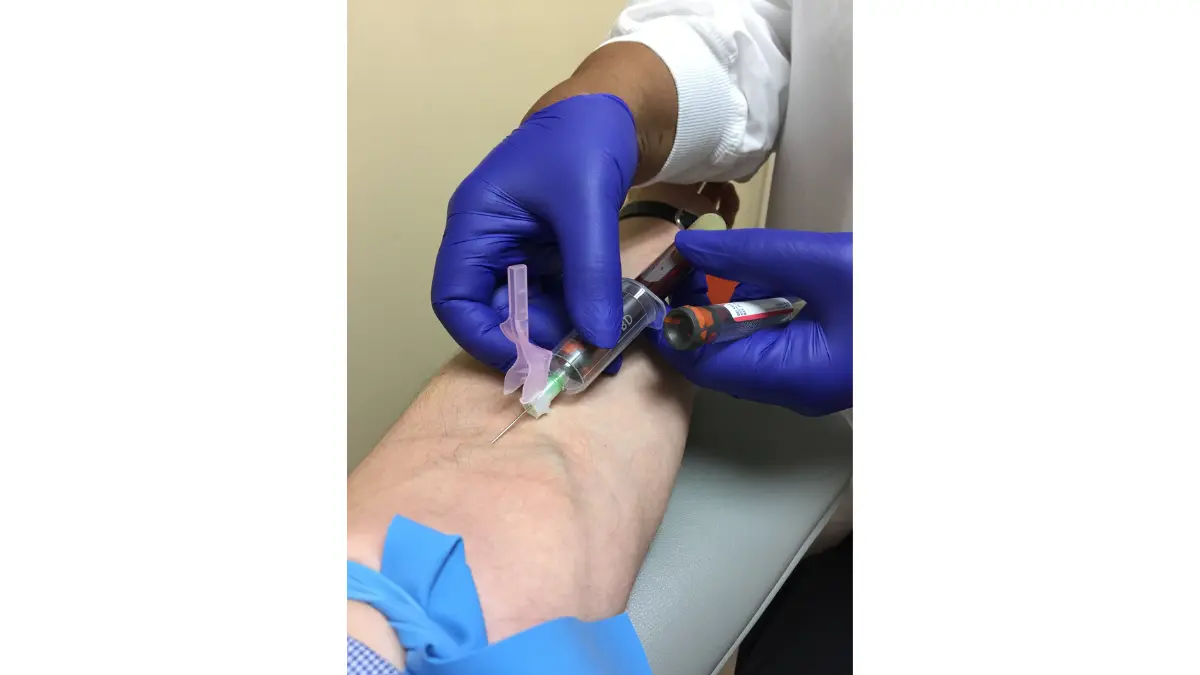
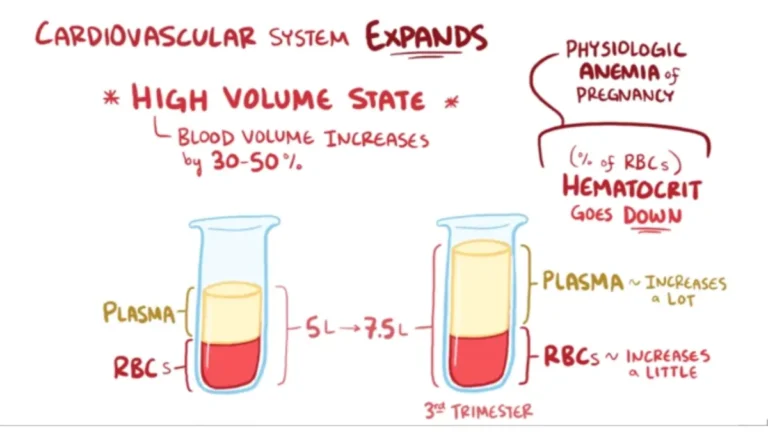
🔬 How It Works: Blood is part cells, part fluid (plasma). Dehydration removes fluid, not cells, so the same cells sit in less plasma — like the same coffee in a smaller cup tasting stronger. This is hemoconcentration, and it can temporarily raise readings such as hematocrit until you rehydrate.
For how these two related numbers differ, see our explainer on hematocrit versus hemoglobin.
Exercise and timing
Vigorous activity shortly before a draw can transiently affect some readings, so a hard workout is best saved for afterward. Ordinary daily movement is not a concern. Whatever your counts show needs your provider’s interpretation alongside your symptoms — a single value is a starting point, not a diagnosis, as our guide to a high white blood cell count explains.
What happens during and after the blood draw?
The draw itself is quick, and knowing the sequence takes the edge off if needles make you uneasy.
During the blood draw
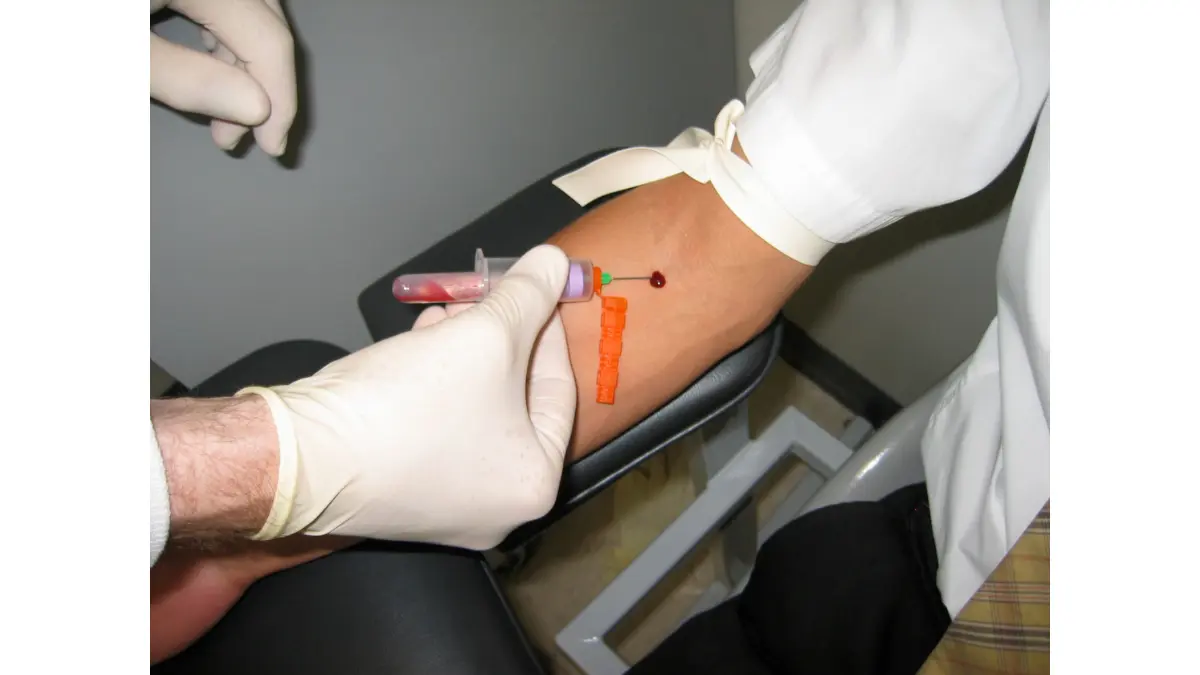
A healthcare professional takes a sample from a vein in your arm with a small needle. MedlinePlus notes the sample is collected into a tube and the process usually takes less than five minutes. You may feel a brief sting as the needle enters or leaves, and some people feel lightheaded at the sight of blood, which is common and passes.
After the draw and when to expect results
You will press on the site briefly to prevent bruising. There is very little risk; minor soreness or a small bruise usually clears within a few days. Turnaround varies by lab — many post a CBC within a few hours to a day or two, often to an online portal, though it can take longer when other tests run on the same sample.
Special situations: children, pregnancy, and blood thinners
Most people follow the same steps, but a few groups have an extra consideration worth knowing in advance.
Preparing a child for a blood test
For infants, a small heel prick with a lancet is often used instead of an arm draw. For older children, honest, simple preparation works best: explain there will be a quick pinch, bring a comfort item, and ask whether the clinic offers distractions or a numbing option. Children often take their cue from a relaxed parent, so your calm genuinely helps.
If you are pregnant or take a blood thinner
A CBC is commonly done during pregnancy to monitor your health, with no special preparation beyond your provider’s routine instructions. If you take a blood thinner or have a known bleeding or platelet condition, tell the phlebotomist before the draw so they can apply pressure a little longer. You may bruise more easily, which our guide to a low platelet count explains further.
⚠️ Clinical Warning: If bleeding at the puncture site does not stop with steady pressure, or you feel faint and it does not quickly pass, tell the lab staff right away and seek medical attention. These situations are uncommon but should not be ignored.
Frequently asked questions about preparing for a CBC test
1. Do you need to fast for a CBC blood test?
For a CBC alone, no — you can eat and drink normally, since food does not change the cell counts it measures. Fasting is needed only if another test, like glucose or a lipid panel, shares the sample. Ask your provider whether any bundled test requires it.
2. Can you drink water before a CBC test?
Yes. Water before a CBC is fine and even helpful, since good hydration makes veins easier to access. Even when you must fast for a bundled test, water is generally still allowed — but confirm the specific instructions with your provider or lab.
3. Can you take your medications before a CBC?
For a CBC alone, you can generally take medications as usual. Tell whoever draws your blood what you take, and if fasting for a bundled test, ask whether morning doses can be taken with water. Never stop a prescribed medication on your own — confirm any change with your prescriber.
4. Should you stop iron or biotin supplements before a CBC?
You usually do not need to stop iron or biotin for a CBC, but mention them to your provider. Some supplements affect certain blood tests, so your provider can say whether timing matters. Do not change a supplement routine before testing without checking first.
5. Can you eat before a CBC blood test?
Yes — for a CBC by itself you can eat beforehand, as ordinary food does not skew its cell counts. The exception is a test needing an empty stomach, like glucose or cholesterol, drawn at the same time. Then follow the fasting window your provider gives you.
6. Does exercise affect CBC results?
Vigorous exercise shortly before a draw can temporarily shift some CBC values, so avoid an intense workout right beforehand. Normal daily activity is fine. If you exercised hard before testing and results look unexpected, mention the timing to your provider.
7. How long does a CBC blood draw take?
The draw itself is quick. After the needle is placed, collecting the sample usually takes less than five minutes, and the appointment is only a little longer once check-in is done. You may feel a brief sting, but it is short-lived for most people.
8. How long do CBC results take to come back?
Turnaround varies by lab. Many post CBC results within a few hours to a day or two, often to an online portal. It can take longer when other tests run on the same sample or the lab is busy, so ask your lab when to expect yours.
9. What should you wear for a blood test?
Wear a short-sleeved shirt or sleeves that roll up easily, so the phlebotomist can reach a vein without difficulty. Loose, comfortable clothing also helps you relax during the draw. There is no other dress requirement for a routine CBC.
10. Does a CBC blood test hurt?
Most people feel only a brief sting or pinch as the needle enters and leaves, and it is over quickly. Afterward you may notice minor soreness or a small bruise that fades within a few days. There is very little risk to a routine blood test.
11. How do you prepare a child for a CBC blood test?
For babies, a small heel prick is often used instead of an arm draw. For older children, explain honestly that there will be a quick pinch, bring a comfort item, and ask about distractions or numbing cream. A calm parent helps, since children mirror the adult’s tone.
The one thing to confirm before your CBC
Preparing for a CBC comes down to one question: is this test drawn on its own, or alongside others that require fasting? For a CBC by itself, eat, drink, hydrate, take your usual medicines, wear easy sleeves, and arrive relaxed. If another test shares the sample, follow the fasting window your provider gives you and check about morning medications.
Once your results are back, our guide to how to read your CBC results helps you make sense of each value, and the complete blood count overview puts the whole test in context. A little preparation is usually all it takes to walk in confident.
About this content
How this article was put together: researched from recognised health sources, drafted with the help of AI tools, and edited by hand, with sources linked throughout.

Sameer Patel is the founder and editor of My Medicine Advisor. He is not a doctor or medical professional — before starting this site he worked in banking,…
Medical disclaimer
The content on MyMedicineAdvisor is provided for general informational and educational purposes only and is not a substitute for professional medical advice, diagnosis, or treatment. Health information on this website should not be used to diagnose, treat, cure, or prevent any condition without guidance from a qualified healthcare professional. Always seek the advice of your doctor, physician, or another licensed healthcare provider with any questions you may have regarding a medical condition, symptoms, medications, or treatment decisions.