
On This Page – Quick Medical Summary
Can a CBC detect cancer? Not by itself. A complete blood count can reveal abnormal counts — an unusually high or low white cell count, low red cells, or low platelets — that are sometimes the first sign of a blood cancer and prompt the testing that leads to a diagnosis. It can’t confirm cancer, and it can’t see most solid tumors.
What you need next depends on why you’re here. Holding a flagged result? The sections on when abnormal counts point to cancer and why a normal result isn’t an all-clear matter most. Waiting on a test or researching symptoms? Start with what a CBC measures. Supporting someone just flagged? The pathway to a clear answer is below.
The honest picture sits between two extremes: most abnormal CBCs are not cancer, and a completely normal CBC does not rule cancer out.
ℹ️ Medical Disclaimer: This is general health education, not medical advice or diagnosis. A CBC can’t confirm or rule out cancer on its own — only a clinician can interpret your results with your symptoms and other tests. If a value is flagged or a symptom worries you, see a physician; for severe or sudden symptoms, seek urgent care.
What a CBC actually measures
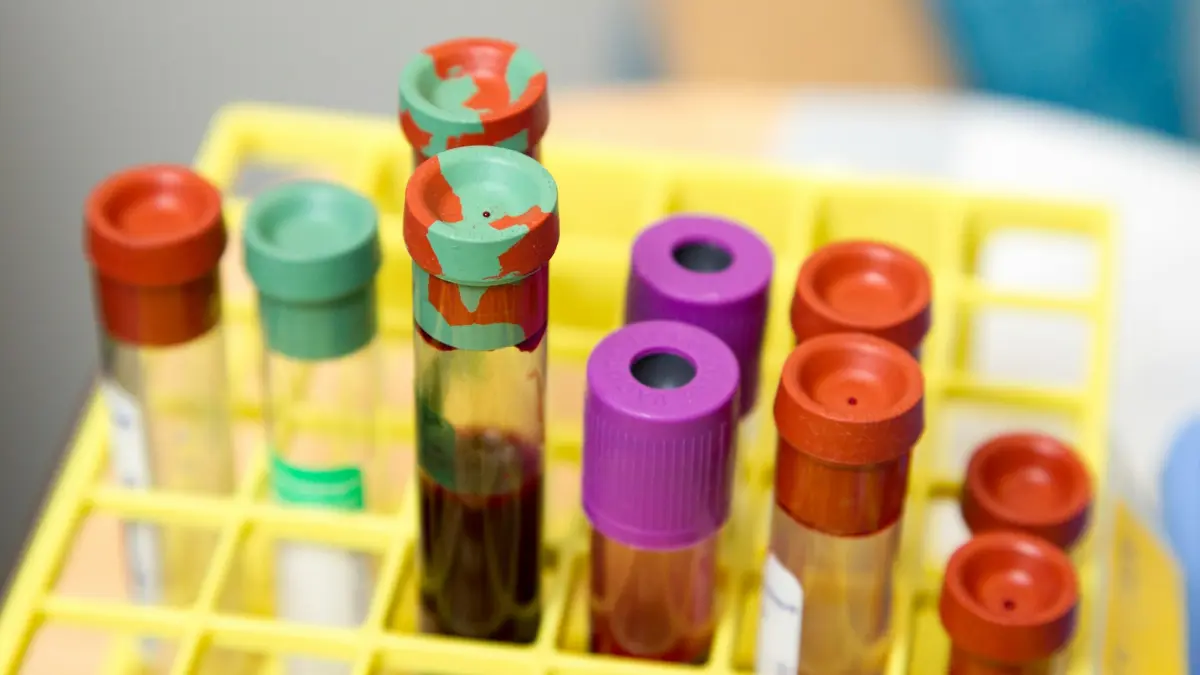
A CBC counts the three main cell types in your blood and measures several features of them.
The three cell types a CBC counts
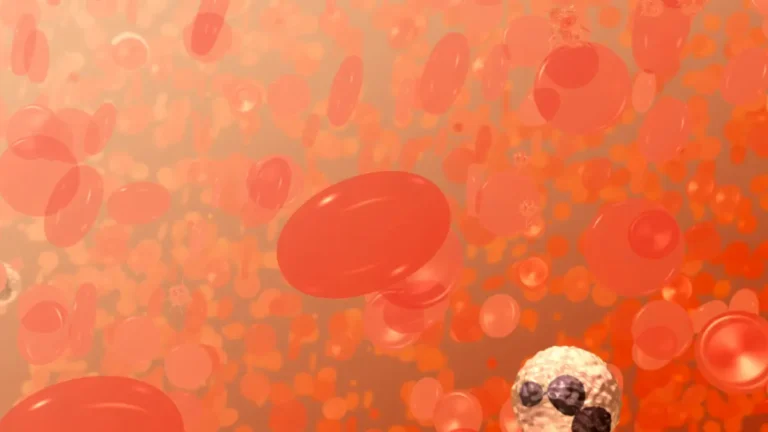
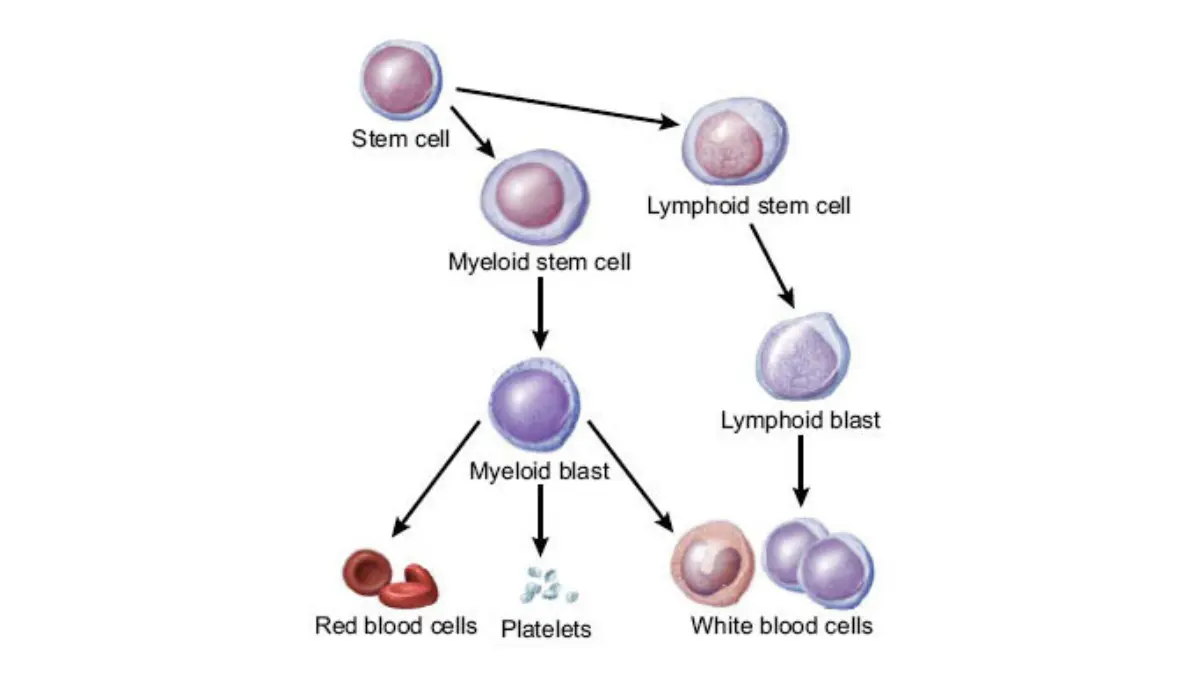
Red blood cells carry oxygen through your body. White blood cells fight infection. Platelets help your blood clot. The test reports how many of each you have and flags counts outside the usual range.
The extra numbers: hemoglobin, hematocrit, MCV, and the differential
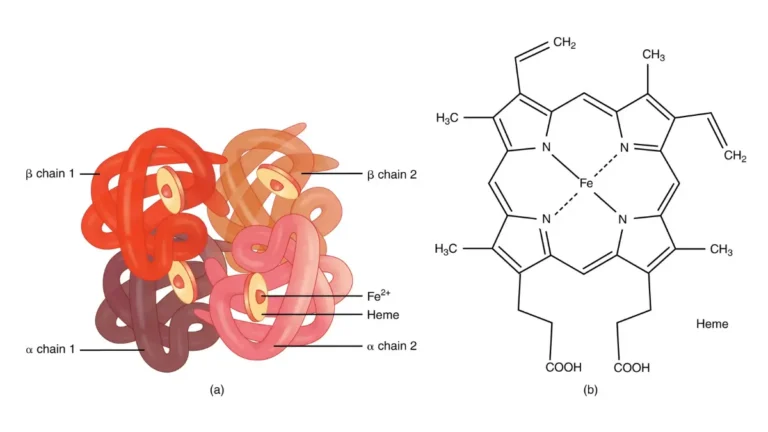
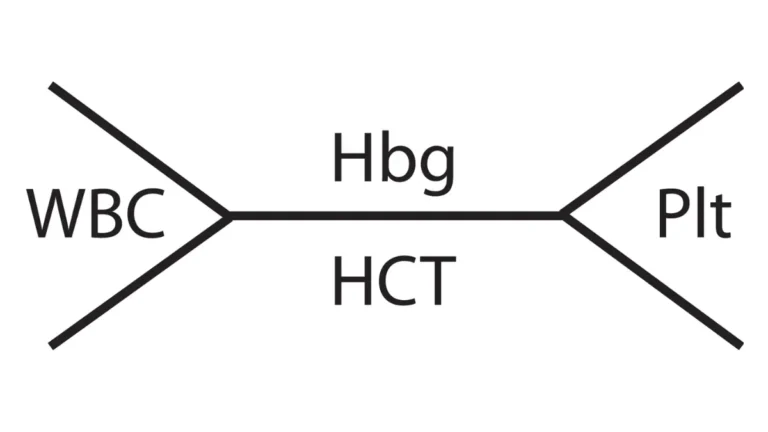
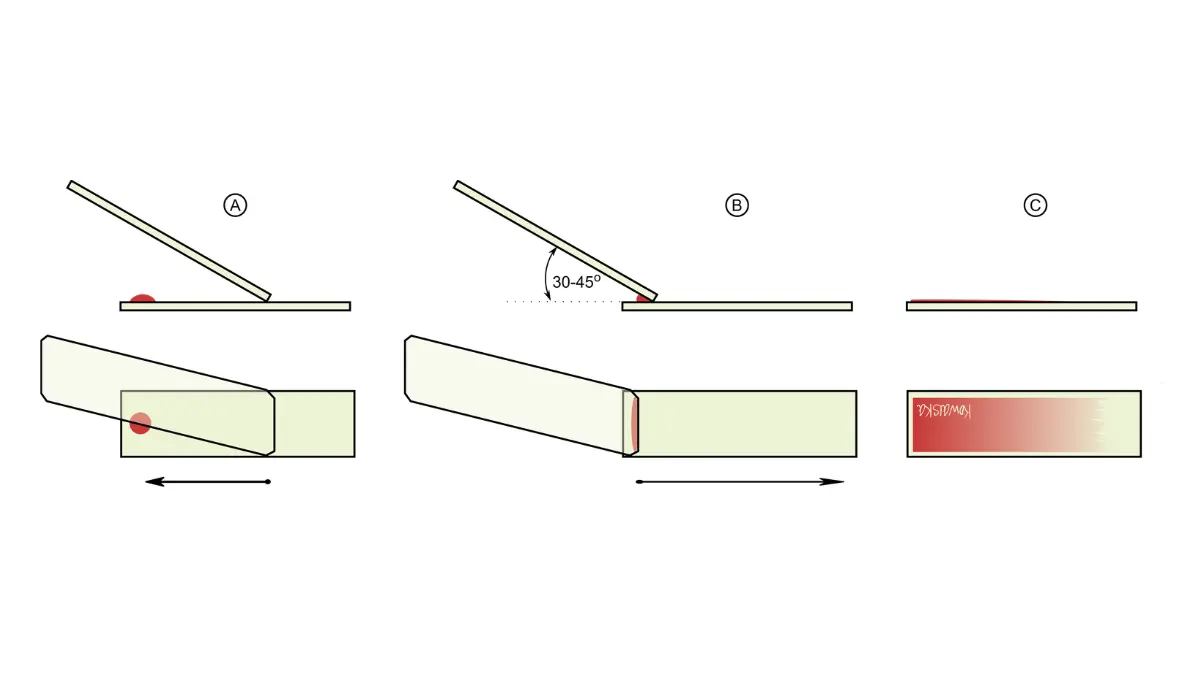
It also measures hemoglobin — the iron-rich protein that carries oxygen — plus hematocrit (the share of blood made of red cells) and mean corpuscular volume (average red-cell size, which helps sort out anemia). A CBC with differential counts each of the five white-cell types separately, useful when a white-cell abnormality needs a closer look. For a plain-language breakdown, see the National Library of Medicine’s guide to what a complete blood count measures, or our walkthrough on how to read your CBC results.
What cancers a CBC can help detect
A CBC most often flags blood cancers — cancers of the blood and bone marrow — not solid tumors. The findings that can point toward them:
- An unusually high or low white blood cell count
- Anemia or low platelets with no obvious cause
- Immature or abnormal-looking cells on a blood smear
None confirms cancer; each signals that more testing is needed.
Blood cancers: where a CBC is most useful
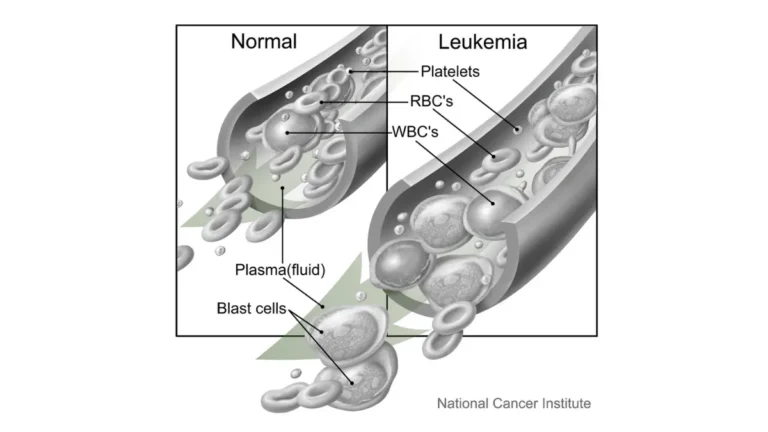
Leukemia is the clearest example. It starts in the bone marrow, and a CBC may show a very high white count, or low red cells and platelets. Some lymphomas and multiple myeloma can cause indirect signs like unexplained anemia, but they’re diagnosed by other tests.
🔬 How It Works: In leukemia, the marrow makes large numbers of abnormal white cells that crowd out the healthy red cells, white cells, and platelets — which is why one test counting all three can reveal the imbalance early.
Can a CBC detect leukemia?
It can strongly suggest leukemia but can’t confirm it; an unusually high or low white cell count is often the first clue that prompts the diagnostic tests. If your result showed a high white blood cell count, infection is a far more common cause than cancer, and a low white cell count also has many causes. As the National Cancer Institute explains, a CBC gives clues that point toward a diagnosis rather than delivering one.
What a CBC can’t detect — and why a normal result doesn’t rule out cancer
A normal CBC is good news about your blood, but it’s not an all-clear for cancer.
Cancers a CBC does not detect
Most solid tumors don’t change blood counts, especially early. A CBC doesn’t directly detect breast, lung, prostate, or early-stage colon cancer. Those are found through screening and imaging — a mammogram, low-dose CT, or colonoscopy — and confirmed with a biopsy, not a blood count.
Can you have cancer with a normal CBC?
Yes. A normal CBC does not rule out cancer. Many cancers, including most solid tumors, can be present while every value sits in the normal range — so a normal result should never be why you skip screening or ignore a persistent symptom.
⚠️ Clinical Warning: Don’t treat a normal CBC as proof you’re cancer-free. A persistent symptom — a new lump, unexplained weight loss, a cough that won’t clear, a change in bowel habits, or unusual bleeding — still needs evaluation, whatever your count shows.
Where newer blood tests fit
Tests that screen for many cancers at once by looking for tumor DNA differ from a CBC: these newer blood tests that look for cancer DNA are still being studied and aren’t yet routine care.
✅ Patient Action: If you have symptoms but a normal CBC, ask your primary care physician: “Given these symptoms, do I need screening or imaging even though my blood count is normal?”
When abnormal CBC results might point to cancer — and when they usually don’t
An abnormal value is far more likely to be benign than cancerous, but a few patterns deserve a closer look.
Does a high white blood cell count mean cancer?
Usually not. A high count most often reflects infection, inflammation, stress, or a medication; leukemia is much rarer. Concern rises when a count is very high, persistently abnormal, or paired with low red cells and platelets.

Can anemia be a sign of cancer?
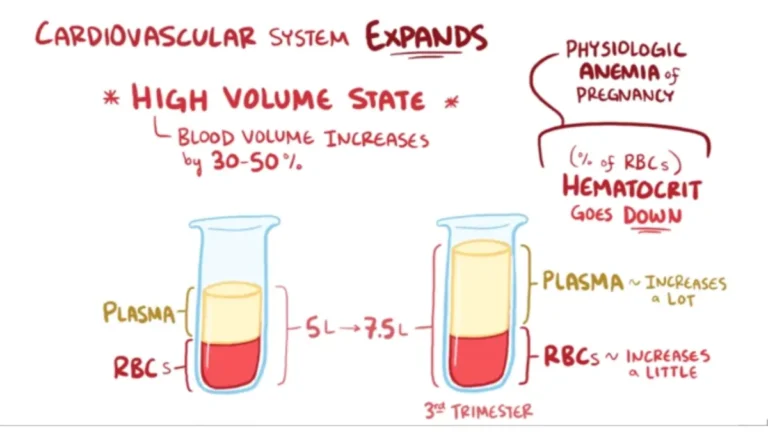
It can be. Unexplained iron-deficiency anemia, especially in older adults, can be an early sign of slow bleeding from a colon or other digestive-tract cancer. Far more often it comes from diet, heavy periods, pregnancy, or chronic illness — but anemia without a clear cause is worth investigating, not just treating with iron. Our guide to unexplained anemia covers the common causes, and it helps to know the bowel cancer symptoms that warrant screening.
🔬 How It Works: A colon tumor can bleed slowly, too little to see in the stool. Over months that steady loss drains the body’s iron and causes iron-deficiency anemia — which is why an unexplained low hemoglobin sometimes leads to a colonoscopy.
What about low platelets?
Low platelets have many causes — viral infections, medications, immune conditions — and are only rarely a sign of a marrow cancer. Read what drives low platelet counts and when they need follow-up. Unsure whether symptoms warrant a visit? You can check your symptoms and bring the summary to your appointment.
What happens after an abnormal CBC: the tests that confirm or rule out cancer
One abnormal CBC rarely means a diagnosis — usually it means a next step:
- Repeat the CBC and examine a blood smear under a microscope
- If a blood cancer is suspected, perform a bone marrow biopsy
- Use flow cytometry to identify the exact cell type
- Add imaging or a specialist referral as needed
Step 1: repeat and look closer
A single odd value is often just repeated first, sometimes with a blood smear so a specialist can assess the cells’ size, shape, and maturity. Your doctor may also order a CBC with differential to see which white cells are affected.
Step 2: the test that confirms blood cancer
For most blood cancers, a bone marrow biopsy confirms the diagnosis, because it lets a pathologist examine where blood cells are made.

🔬 How It Works: Under local anesthetic, a doctor takes a small marrow sample, usually from the back of the hip. A pathologist checks whether abnormal cells are present and what kind — detail a blood count can’t provide.
Step 3: when imaging and referral come in
Because leukemia usually forms no solid tumor, imaging often isn’t what diagnoses it — scans mainly check for spread or complications. The American Cancer Society describes this pathway in its overview of how these cancers are confirmed with a bone marrow biopsy.
✅ Patient Action: If a blood cancer is being ruled out, ask a hematologist-oncologist: “Do I need a bone marrow biopsy, and what will it tell you that my blood tests can’t?”
When to talk to your doctor about your blood counts
You don’t need to decode your report, but knowing what’s worth raising helps you get an answer sooner.
Symptoms worth a conversation
Worth discussing, especially if they persist or come with an abnormal count:
- Fatigue that rest doesn’t fix
- Unexplained weight loss
- Easy bruising or bleeding
- Frequent or lingering infections
- Night sweats or a persistent low fever
Most have causes other than cancer, but they deserve evaluation, not guesswork.
Why one abnormal value usually isn’t an emergency
A single flagged number is common and often self-resolving; labs set the “normal” range so a small share of healthy people fall just outside it. Doctors repeat tests and watch trends rather than react to one value. If several relatives have had cancer, you can assess your family cancer risk and share it with your clinician, who can advise on earlier screening.
✅ Patient Action: Bring your actual numbers and ask your primary care physician: “Which values are outside range, and does the pattern need further testing or just a repeat check?”
CBC and cancer: frequently asked questions
1. Can a CBC detect cancer?
A CBC can’t detect or diagnose cancer on its own. It can reveal abnormal counts that sometimes point to a blood cancer like leukemia and prompt further testing, but it misses most solid tumors and can’t confirm any cancer. A normal CBC doesn’t rule cancer out — have abnormal results interpreted by your doctor.
2. What cancers can a CBC detect?
A CBC doesn’t definitively detect any cancer, but it most often flags blood cancers — especially leukemia — through an unusually high or low white blood cell count, low red cells, or low platelets. It can also show anemia that occasionally points to a gastrointestinal cancer. Solid tumors usually don’t change a CBC.
3. Can a CBC detect leukemia?
A CBC can strongly suggest leukemia but can’t confirm it. An unusually high or low white blood cell count, often with low red cells or platelets, is frequently the first clue. Diagnosis is confirmed with a blood smear, bone marrow biopsy, and flow cytometry, typically guided by a hematologist-oncologist.
4. Can you have cancer with a normal blood count?
Yes. A normal CBC does not rule out cancer. Most solid tumors, including breast, lung, and prostate cancer, can be present while every value on your blood count is normal. That’s why recommended screening and evaluation of persistent symptoms still matter even when a CBC looks normal.
5. What cancers do not show up on a CBC?
Most solid tumors don’t show up on a CBC, particularly early. Breast, lung, prostate, and early colon cancers usually don’t change blood counts and are found through screening, imaging, and biopsy. A CBC is most useful for blood cancers, not tumors in organs, so a normal count isn’t reassurance against them.
6. Does a high white blood cell count mean cancer?
Usually not. A high white blood cell count most often reflects infection, inflammation, stress, or a medication; leukemia is much rarer. Concern rises when the count is very high, persistently abnormal, or paired with low red cells and platelets. Your doctor interprets the pattern with your symptoms, not one number.
7. Can anemia be a sign of cancer?
It can be. Unexplained anemia, especially iron-deficiency anemia in older adults, can be an early sign of slow bleeding from a colon or other gastrointestinal cancer. Far more often it comes from diet, menstruation, pregnancy, or chronic illness. Anemia without a clear cause should be investigated — ask your doctor what’s driving it.
8. What happens if my CBC is abnormal?
An abnormal CBC usually means a next step, not a diagnosis. Your doctor may repeat the test, examine a blood smear, and, if a blood cancer is suspected, order a bone marrow biopsy and flow cytometry. Most abnormal counts have benign causes like infection or iron deficiency — ask what yours suggests.
9. What test confirms blood cancer after a CBC?
A bone marrow biopsy, often with flow cytometry, confirms most blood cancers after an abnormal CBC; a blood smear usually comes first. These tests identify whether abnormal cells are present and what type — detail a CBC can’t provide. A hematologist-oncologist typically orders and interprets them.
10. How accurate is a CBC for finding cancer?
A CBC isn’t a cancer test and has no single accuracy figure for cancer. It reliably measures blood cells and can flag abnormalities that sometimes lead to a cancer diagnosis, mainly blood cancers. But it misses most solid tumors and is abnormal far more often from benign causes than cancer, so results need clinical interpretation.
11. Should I worry about one abnormal CBC value?
Usually not on its own. A single value just outside the normal range is common, partly because labs define “normal” so some healthy people fall slightly outside it. Doctors repeat the test and watch trends and symptoms rather than one number. Persistent or combined abnormalities matter more — ask whether yours needs follow-up.
The bottom line on CBCs and cancer
A CBC is a clue, not a verdict. It can surface the first sign of a blood cancer and, through unexplained anemia, occasionally point toward a cancer elsewhere — but it can’t confirm cancer, it misses most solid tumors, and a normal result is not an all-clear.
If a value is flagged, bring the actual numbers to your clinician and ask what the pattern means for you. To understand the rest of your report, our full guide to your complete blood count walks through each value.
About this content
How this article was put together: researched from recognised health sources, drafted with the help of AI tools, and edited by hand, with sources linked throughout.

Sameer Patel is the founder and editor of My Medicine Advisor. He is not a doctor or medical professional — before starting this site he worked in banking,…
Medical disclaimer
The content on MyMedicineAdvisor is provided for general informational and educational purposes only and is not a substitute for professional medical advice, diagnosis, or treatment. Health information on this website should not be used to diagnose, treat, cure, or prevent any condition without guidance from a qualified healthcare professional. Always seek the advice of your doctor, physician, or another licensed healthcare provider with any questions you may have regarding a medical condition, symptoms, medications, or treatment decisions.