
On This Page – Quick Medical Summary
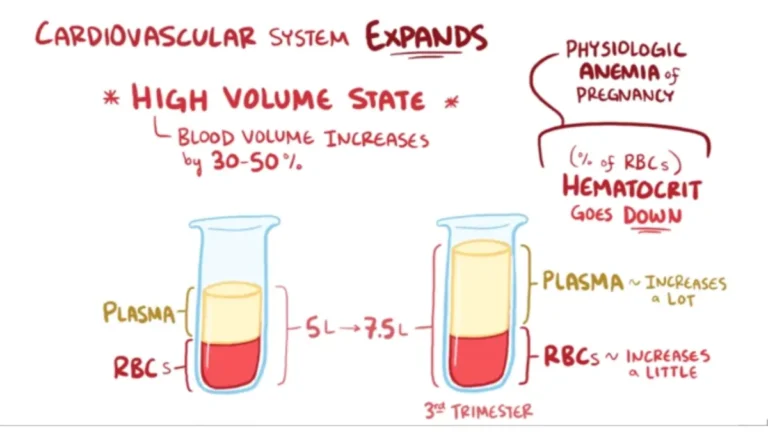
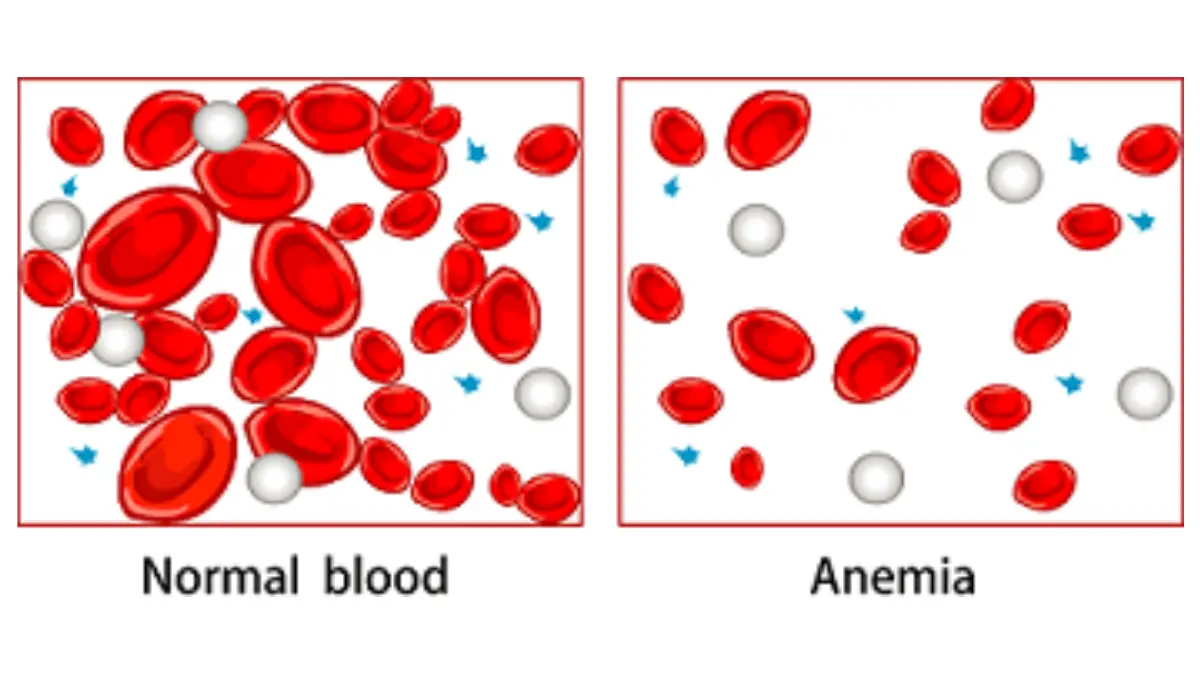
Seeing “hemoglobin — LOW” on a lab report is unsettling, especially when no one has explained what the number means. In most adults, anemia is defined as a hemoglobin below 13.0 g/dL in men and below 12.0 g/dL in non-pregnant women, with a lower cutoff of 11.0 g/dL in pregnancy — thresholds set by the World Health Organization.
Where you go from here depends on your situation. If you are staring at a flagged result and want to know what your number means, start with the sections on normal ranges and severity. If you feel exhausted or short of breath and suspect anemia, the symptoms section is for you. If you already know your hemoglobin is low and want to understand why, the causes section covers everything from iron deficiency to reasons that need investigation. And if you have chest pain, severe breathlessness, or fainting right now, skip to the emergency section first.
A value slightly below the cutoff is common and rarely an emergency by itself. Most low hemoglobin has an identifiable, treatable cause — this guide helps you understand yours and know when it matters.
ℹ️ Medical Disclaimer: This article explains laboratory results, causes, and treatment options for general education only; it is not a diagnosis, treatment plan, or medical advice. Hemoglobin thresholds and reference ranges vary by laboratory and by individual health factors. Do not start, stop, or change any supplement, medication, or treatment, and do not act on any severity or emergency guidance here, without consulting a board-certified physician or hematologist. If you have the red-flag symptoms described below, call your local emergency number.
What hemoglobin is and what level counts as low
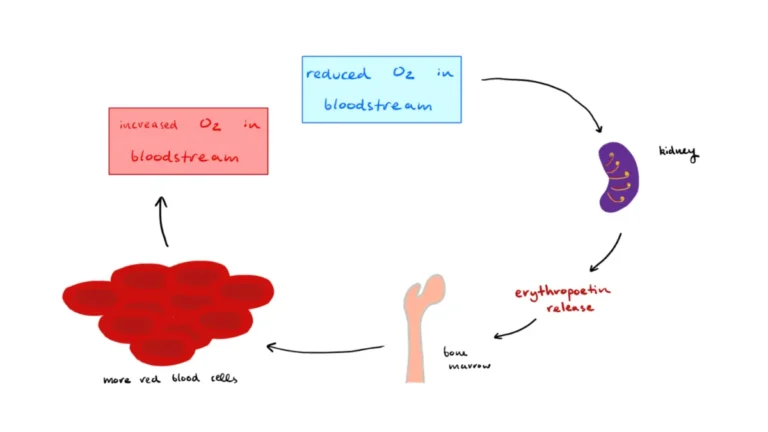
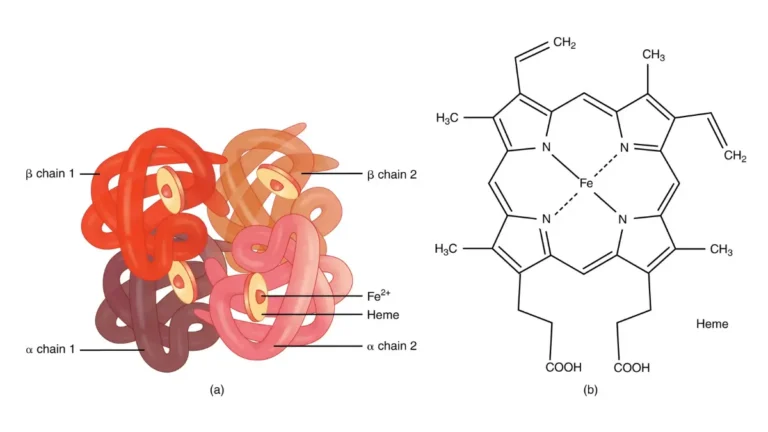
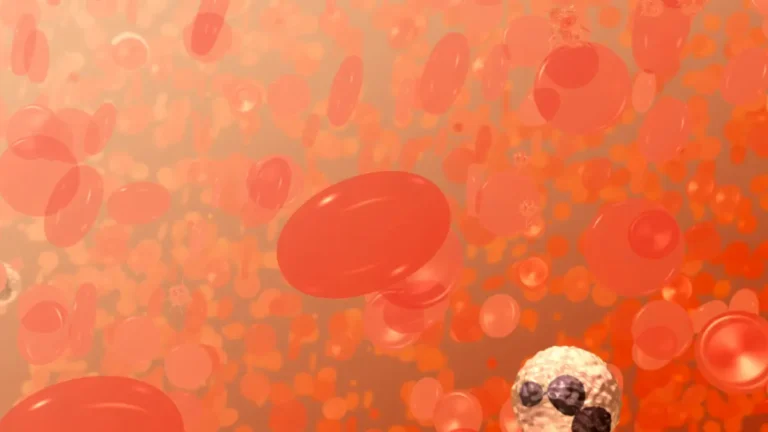
Hemoglobin is the iron-rich protein inside red blood cells that carries oxygen from your lungs to the rest of your body. When it drops too low, tissues receive less oxygen — which is why fatigue and breathlessness are the classic signs.
What number counts as anemia?
Anemia is diagnosed when hemoglobin falls below 13.0 g/dL in adult men, below 12.0 g/dL in non-pregnant women, and below 11.0 g/dL during pregnancy. These are the World Health Organization’s cutoffs, and its 2024 review kept the adult thresholds unchanged, adjusting only the values for young children and the second trimester of pregnancy.
What is a normal hemoglobin level?
Typical normal ranges run roughly 13–18 g/dL for men and 12–16 g/dL for women, but laboratories set their own reference intervals that vary slightly by lab and may report different numbers. That is why your report shows its own “normal” column, and why a result just outside it is read differently from one far below. You can compare your values against a full CBC normal-range chart to see where each one falls.
Why the same number can mean different things
A hemoglobin of 11.5 g/dL might be a minor, easily corrected dip in one person and a signal worth prompt follow-up in another. Your sex, whether you are pregnant, how fast the number changed, and your other health conditions all shape what it means. A single value is a starting point, not a verdict.
Symptoms of low hemoglobin and how your CBC finds the cause
Low hemoglobin reduces the oxygen your blood delivers, and the symptoms follow directly from that.
Common symptoms of low hemoglobin
The most frequent signs include:
- Fatigue and weakness that rest does not fix
- Shortness of breath, especially with exertion
- Pale skin, lips, or nail beds
- Dizziness or lightheadedness
- Cold hands and feet
- A fast or pounding heartbeat
- Headache or trouble concentrating
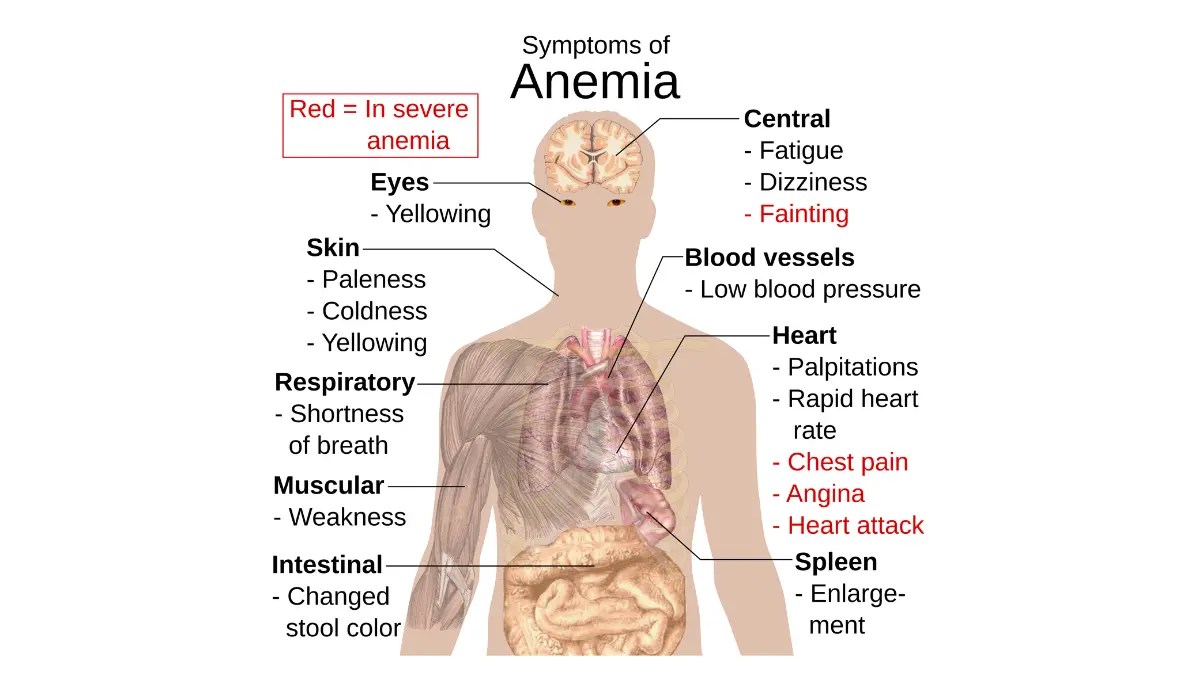
Iron deficiency specifically can also cause brittle or spoon-shaped nails, cravings for ice or non-food items (called pica), and a sore, smooth tongue.
How your MCV points to the cause
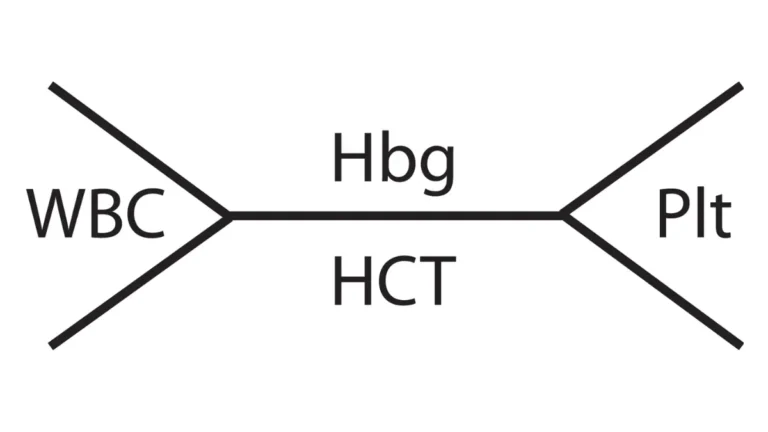
A hemoglobin result never travels alone — it sits on the complete blood count beside other values that explain it, which is exactly what your complete blood count measures. The most useful companion is the mean corpuscular volume (MCV), the average size of your red blood cells.
🔬 How It Works: MCV sorts anemia into three patterns. Small cells (microcytic, MCV under about 80 fL) point toward iron deficiency or thalassemia; normal-sized cells (normocytic, roughly 80–100 fL) suggest chronic disease or recent blood loss; and large cells (macrocytic, over about 100 fL) point toward vitamin B12 or folate deficiency.
The other CBC values that matter
The reticulocyte count shows whether your marrow is making new red cells, while ferritin and iron studies confirm whether iron is the problem. Reading these together — a skill you can build with this guide to how to read your CBC results — is how a clinician moves from “your hemoglobin is low” to “here is why.” If you are trying to make sense of your symptoms first, our symptom checker can help you organize them before your visit.
What causes low hemoglobin, from iron deficiency to hidden bleeding
Low hemoglobin is a finding, not a diagnosis — and its causes range from simple to serious.
Iron deficiency: the most common cause
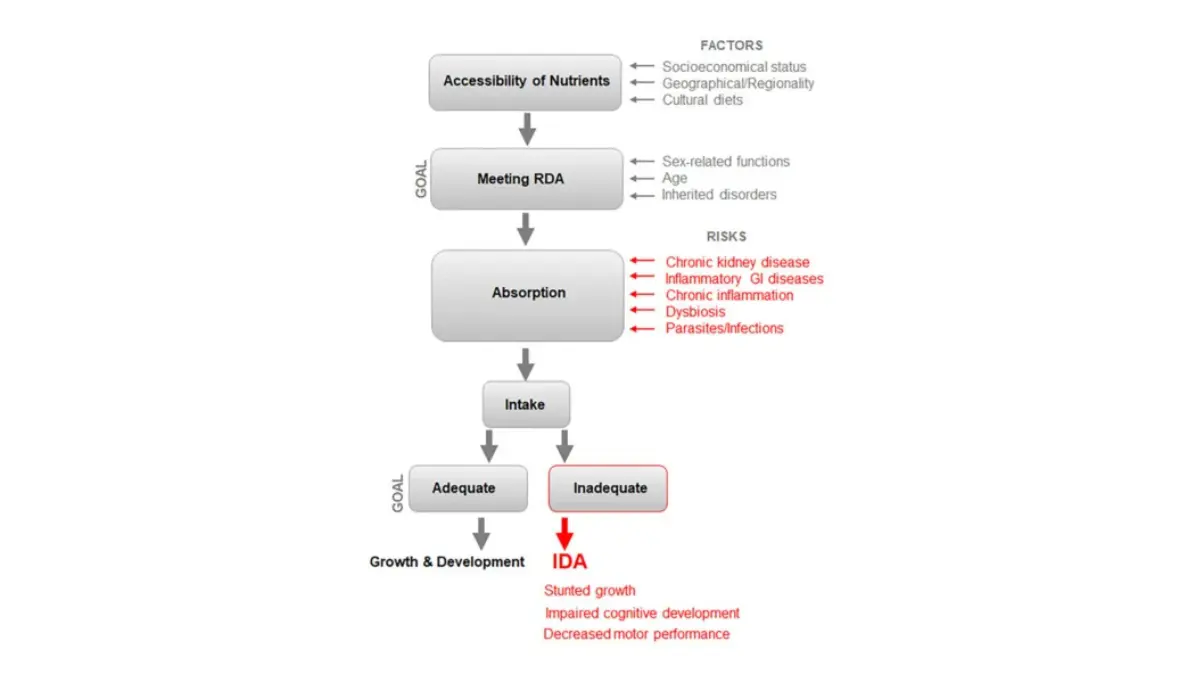
Iron deficiency is the leading cause of anemia worldwide, because iron is the raw material your body uses to build hemoglobin, as the NHLBI’s anemia overview explains. It develops from too little dietary iron, poor absorption, or ongoing blood loss such as heavy periods.
📊 Clinical Data Point: In the United States, 9.3% of people age 2 and older had anemia during 2021–2023, and it was far more common in women (13.0%) than in men (5.5%). — Source: CDC/NCHS, NHANES, December 2024.
B12, folate, and anemia of chronic disease
Not every low hemoglobin is about iron. Vitamin B12 or folate deficiency produces larger red cells and is a common cause in older adults and people with absorption problems — worth understanding alongside your B12 test results. Chronic kidney disease, inflammation, and other long-term conditions can also lower hemoglobin even when iron stores are fine.
When low hemoglobin needs investigation
Doctors take unexplained anemia seriously because it can be the first sign of slow internal bleeding.
⚠️ Clinical Warning: In an adult man or a postmenopausal woman, new iron-deficiency anemia with no obvious cause should prompt evaluation for gastrointestinal bleeding — which can be an early sign of a bleeding ulcer or colorectal cancer. This is one reason regular colorectal cancer screening matters. Do not simply self-treat with iron until the source is found.
✅ Patient Action: If your hemoglobin is low with no clear cause, ask your primary care physician or a hematologist: “Do my iron studies suggest blood loss, and should I be screened for a gastrointestinal source?”
How low is too low? Understanding hemoglobin severity
“How low is dangerous?” has no single answer, because severity depends on the number, how fast it fell, and your overall health.
Mild, moderate, and severe anemia
Clinicians grade anemia into mild, moderate, and severe bands based on how far hemoglobin sits below the normal cutoff. A result close to the threshold is usually mild and often managed with follow-up testing and treating the cause. Values deep into the single digits generally need prompt medical attention — and the specific point at which a transfusion is considered is a clinical decision your doctor makes, not a fixed number to apply yourself.
Why the trend matters as much as the number
How quickly hemoglobin dropped can matter more than the value itself. A slow decline over months lets the body adapt, so a person may feel surprisingly well at a low number. A rapid fall — for example from sudden bleeding — is more dangerous at the same level because there is no time to compensate.
When “low” needs prompt attention versus monitoring
A mildly low, stable hemoglobin with a known cause is typically monitored. A hemoglobin that is falling, deeply low, or paired with symptoms like breathlessness or chest pain needs same-day evaluation.
✅ Patient Action: Ask the clinician who ordered your test: “Given my exact number and how fast it changed, how urgently do I need follow-up, and should we repeat the CBC?”
Red flags: when low hemoglobin is an emergency
Some symptoms mean low hemoglobin has become an emergency, and you should not wait for a routine appointment.
Symptoms that mean you need emergency care
Call your local emergency number or go to the emergency room if you have:
- Chest pain or pressure
- Shortness of breath at rest, or that suddenly worsens
- Fainting or loss of consciousness
- Confusion or sudden trouble thinking clearly
- A very fast, pounding, or irregular heartbeat
- Signs of heavy bleeding, such as vomiting blood or black, tarry stools
These can signal that your heart and brain are not getting enough oxygen, or that you are losing blood quickly.
Who should act faster
Certain people reach that danger point sooner. Those with existing heart or lung disease have less reserve to compensate for low oxygen. Pregnant women and anyone with active, ongoing blood loss also need a lower threshold to seek urgent care.
⚠️ Clinical Warning: Chest pain or shortness of breath at rest with known or suspected anemia is a medical emergency, not a symptom to watch at home. Rapid blood loss can be life-threatening even when a hemoglobin level was recently normal, because the number has not yet caught up to the loss.
What to do about low hemoglobin and what to ask your doctor
Treating low hemoglobin means finding the cause and correcting it — not just raising the number.
Finding and fixing the cause
Because the causes differ so much, effective treatment depends on the diagnosis. Confirmed iron deficiency is treated by replacing iron and addressing why it was lost; B12 or folate deficiency is corrected differently; and anemia from a chronic condition improves when that condition is managed. Guidelines emphasize identifying the cause before treating blindly.
Diet, supplements, and what to ask first
Iron-rich foods — red meat, poultry, seafood, beans, lentils, and leafy greens — support healthy hemoglobin, though the body absorbs only a fraction of dietary iron, so food alone may not correct a true deficiency. Iron supplements can help, but the right type, dose, and duration depend on your labs and can cause side effects, so confirm with your clinician before starting one rather than self-prescribing.
Disclosure: Some readers ask about at-home iron and ferritin test kits to track levels between visits. Any product we link is a disclosed suggestion for convenience — not a substitute for testing ordered and interpreted by your doctor.
✅ Patient Action: Ask your physician: “What is the specific cause of my low hemoglobin, what treatment do you recommend for that cause, and when should we repeat the CBC to confirm it is working?”
Low hemoglobin and anemia: frequently asked questions
1. What is a normal hemoglobin level?
Normal hemoglobin runs roughly 13–18 g/dL for men and 12–16 g/dL for women, but each laboratory sets its own reference range, so compare your result to the range printed on your own report rather than a general figure.
2. Does low hemoglobin always mean anemia?
Low hemoglobin below the WHO cutoffs — 13.0 g/dL in men, 12.0 in non-pregnant women — defines anemia, but a value just under your lab’s range can reflect hydration, timing, or lab variation. Discuss borderline results with the clinician who ordered the test.
3. What are the symptoms of low hemoglobin?
Common symptoms of low hemoglobin include fatigue, weakness, shortness of breath on exertion, pale skin, dizziness, cold hands and feet, and a fast heartbeat. Iron deficiency can add brittle nails, ice cravings, and a sore tongue.
4. What is the most common cause of low hemoglobin?
Iron deficiency is the most common cause of low hemoglobin and anemia worldwide, since iron is needed to build hemoglobin. It results from low dietary iron, poor absorption, or blood loss such as heavy periods or internal bleeding.
5. Can low hemoglobin be a sign of cancer?
Sometimes. Unexplained iron-deficiency anemia in an adult man or postmenopausal woman can reflect slow gastrointestinal bleeding, which is occasionally an early sign of colorectal cancer. This is why an unexplained low hemoglobin should be evaluated rather than only self-treated. Ask your doctor whether screening is appropriate.
6. How low does hemoglobin have to be for a blood transfusion?
There is no single universal number. The decision to transfuse depends on your hemoglobin, your symptoms, how fast it dropped, and your other conditions, and it is made by your medical team. Treat any transfusion threshold as an individualized clinical judgment, not a fixed rule.
7. How low is too low for hemoglobin?
“Too low” depends on the value, the speed of decline, and your health. A mildly low, stable number is often monitored, while a deeply low or rapidly falling hemoglobin — especially with breathlessness or chest pain — needs urgent evaluation. Confirm your own threshold with your clinician.
8. What foods raise hemoglobin?
Iron-rich foods that support hemoglobin include red meat, poultry, seafood, beans, lentils, and leafy greens. Because the body absorbs only part of dietary iron, food may not fully correct a true deficiency, so pair diet with the plan your clinician recommends.
9. How is low hemoglobin treated?
Treatment for low hemoglobin targets the cause: replacing iron for iron deficiency, correcting B12 or folate when deficient, and managing any underlying chronic condition. The right approach depends on your diagnosis, so treatment should be guided by your clinician after reviewing your labs.
10. Why is my hemoglobin low if my iron is normal?
Low hemoglobin with normal iron can point to vitamin B12 or folate deficiency, anemia of chronic disease, kidney problems, or blood loss unrelated to iron stores. Your MCV and other CBC values help narrow it down, so ask your clinician what pattern your results show.
11. How quickly can hemoglobin improve?
Recovery depends on the cause and treatment. When a clear cause like iron deficiency is corrected, hemoglobin usually rises over several weeks to a few months. Your clinician will typically recheck your CBC to confirm the treatment is working.
Understanding your result and your next step
A low hemoglobin number is a signal, not a sentence. For most people it reflects an identifiable, treatable cause — often iron deficiency — and the value alone matters far less than what is driving it and how quickly it changed. The most useful thing you can do is understand your own pattern: your number, your MCV, and your other CBC values, read together.
Keep the emergency signs in mind — chest pain, breathlessness at rest, fainting, or heavy bleeding mean urgent care, not a wait. For everything else, bring your actual results to your clinician and ask what is causing the drop and how it will be rechecked. For the full picture of every value on your report, our complete blood count guide walks through what each one shows.
About this content
How this article was put together: researched from recognised health sources, drafted with the help of AI tools, and edited by hand, with sources linked throughout.

Sameer Patel is the founder and editor of My Medicine Advisor. He is not a doctor or medical professional — before starting this site he worked in banking,…
Medical disclaimer
The content on MyMedicineAdvisor is provided for general informational and educational purposes only and is not a substitute for professional medical advice, diagnosis, or treatment. Health information on this website should not be used to diagnose, treat, cure, or prevent any condition without guidance from a qualified healthcare professional. Always seek the advice of your doctor, physician, or another licensed healthcare provider with any questions you may have regarding a medical condition, symptoms, medications, or treatment decisions.