
On This Page – Quick Medical Summary
Seeing low neutrophils or the word neutropenia on a lab report is unsettling, especially when no one has explained what the number means yet. How concerned you should be comes down to two things: how low the count is, and why it dropped.
If this showed up on a routine complete blood count, most mild cases are common and often harmless — start with how low actually counts as low. If you are on chemotherapy or caring for someone who is, the sections on infection risk, daily precautions, and the emergency fever rule matter most. If a low count appeared while you were investigating symptoms, the causes section maps the full range, including reasons unrelated to cancer.
Neutrophils are the white blood cells that act as your body’s first responders against infection. When they run low, the practical question is what to do now — and that is what the rest of this guide answers, starting from one line on a larger complete blood count panel.
ℹ️ Medical Disclaimer: This article is educational and does not diagnose any condition, recommend a treatment or medication, or replace care from a licensed clinician. Neutropenia, its causes, and any decision about medications, chemotherapy timing, or urgent symptoms should be evaluated by a board-certified hematologist or your oncology team. If your counts are low and you develop a fever or signs of infection, treat it as urgent and seek care immediately.
What a low neutrophil count means, and how low is low
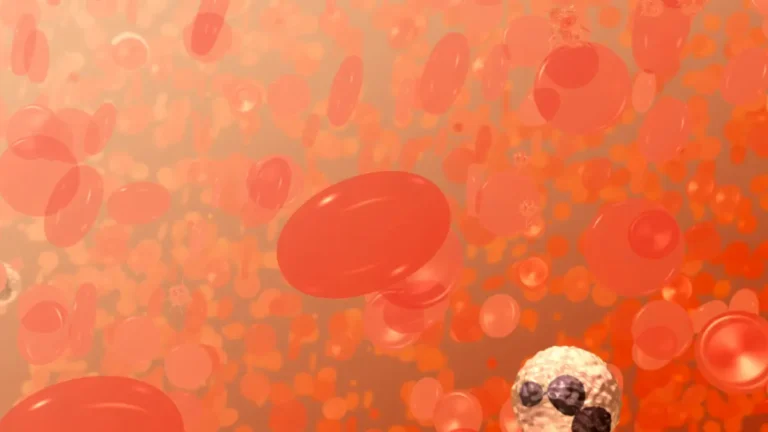
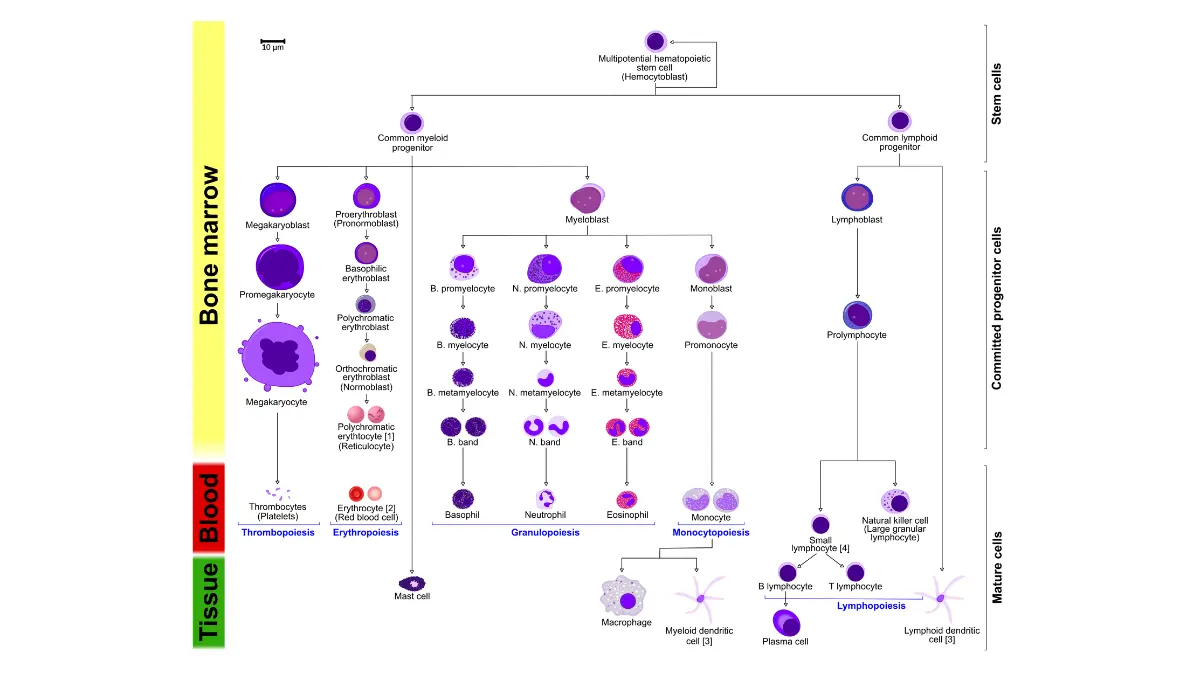
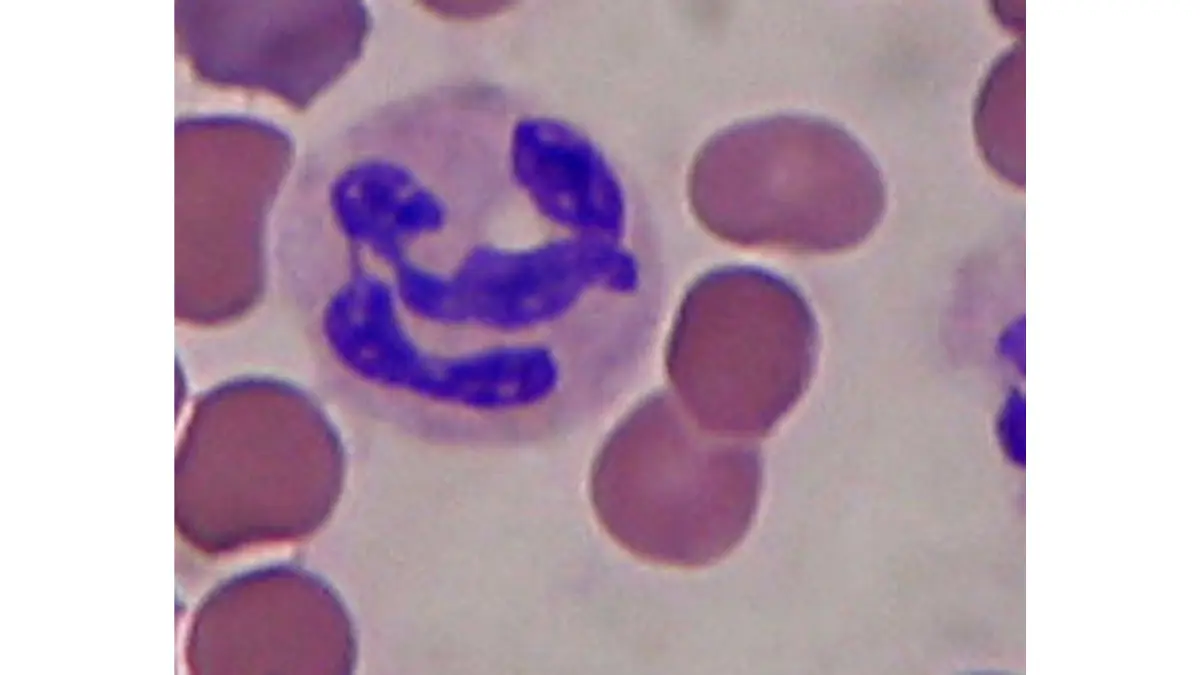
In adults, a neutrophil count below 1,000 cells per microliter is generally considered neutropenia, and below 500 is classed as severe, according to MedlinePlus. Neutrophils are the most common type of white blood cell, and their role is to find and destroy invading bacteria and fungi.
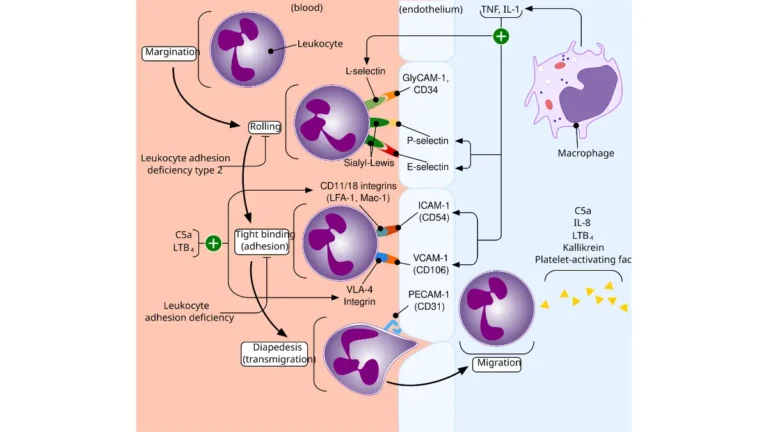
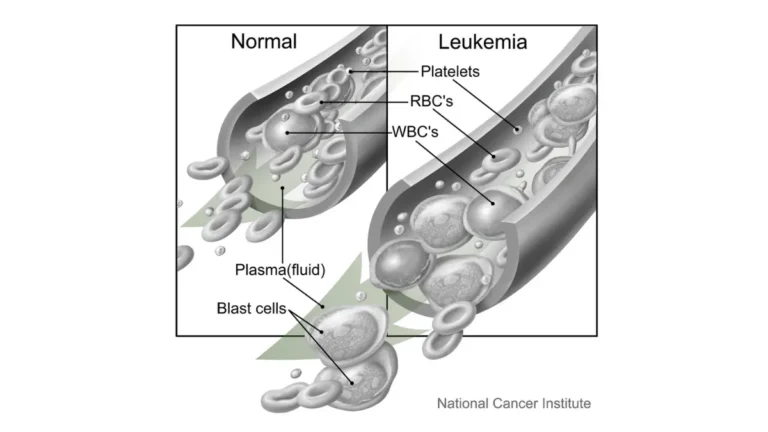
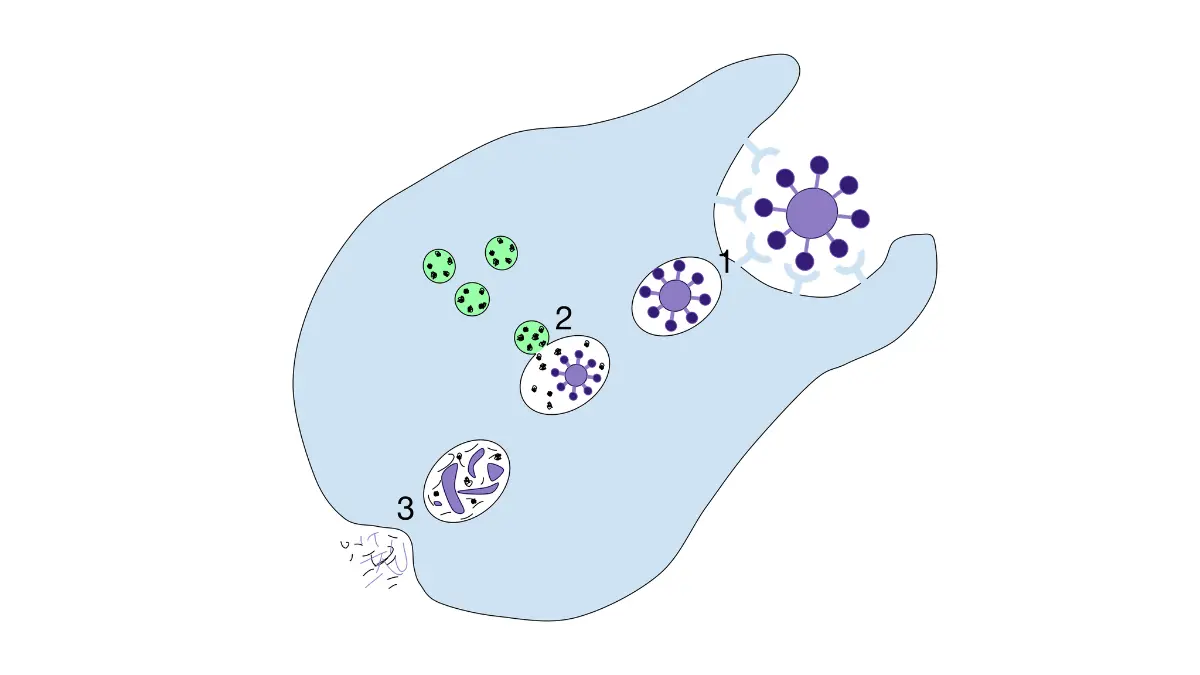
🔬 How It Works: Neutrophils are produced in your bone marrow, then released into the blood, where they travel to a site of infection, surround the germs, and break them down. Because they are the immune system’s fast first responders, having too few makes ordinary infections harder to stop.
Clinicians usually sort neutropenia into three bands based on the absolute neutrophil count, the actual number of neutrophils in a microliter of blood.
📊 Clinical Data Point: Mild neutropenia is roughly 1,000–1,500 cells/µL, moderate is 500–1,000, and severe is below 500 — Source: a CMAJ clinical review (2023) and StatPearls (NIH), which place the normal lower limit above 1,500 cells/µL.
Not every low number is a crisis. Mild neutropenia is common, is often found by accident on a blood test, and is not linked to a substantially higher infection risk. Some healthy people — often those of African or Middle Eastern descent — simply run a lower baseline count without any added risk, a normal variant rather than a disease.
Severity does matter at the low end, though. When the count drops very low, even the bacteria that normally live harmlessly in your mouth, skin, and gut can cause serious infection, and reference ranges vary slightly between labs. If your result sits near a cutoff, confirm what it means against a low overall white blood cell count and with your clinician, and you can review how a neutrophil is defined at the National Cancer Institute.
How to read your absolute neutrophil count (ANC)
Your absolute neutrophil count (ANC) is the number that best reflects infection risk, and you can work it out from your own results: ANC = total white blood cell count × (percent segmented neutrophils + percent bands) ÷ 100, expressed in cells per microliter.
A blood test reports neutrophils in two ways — as a percentage on your CBC differential and, once calculated, as an absolute number. Segmented neutrophils are the mature cells; bands are slightly younger ones, and if your report does not list bands you can use 0.
Here is a worked example. If your white blood cell count is 5,000 cells/µL with 15% segmented neutrophils and 2% bands, your ANC is 5,000 × 0.17, or 850 cells/µL — moderate neutropenia, even though the overall white count looks close to normal.
🩺 Physician Note: A common point of confusion is that a normal-looking total white blood cell count can still hide a low neutrophil count. That is why clinicians follow the ANC specifically — it is a more accurate indicator of infection risk than the overall white cell number.
A normal ANC generally falls between about 1,500 and 8,000 cells/µL, though some labs report a tighter range such as 2,500–6,000, per StatPearls and MedlinePlus lab-test guidance. To interpret the other lines alongside it, compare them against normal CBC reference ranges.
What causes low neutrophils
A low neutrophil count has many possible causes, from the very common to the harmless to the serious — and on its own it is not a sign of cancer.
The most common cause is chemotherapy, followed by radiation and by cancers or disorders that affect the bone marrow itself, such as leukemia, lymphoma, myelodysplastic syndromes, and aplastic anemia. Autoimmune conditions like lupus and rheumatoid arthritis can lower the count, and viral infections are the most frequent cause of a temporary dip.
🔬 How It Works: Chemotherapy is designed to kill fast-dividing cells. Cancer cells divide quickly — but so do the bone marrow cells that make neutrophils — so these drugs lower the neutrophil count as a side effect, according to the CDC.
Certain prescription medicines can also be responsible, including some antithyroid drugs, sulfasalazine, a few antibiotics, the antipsychotic clozapine, and some anti-inflammatory drugs.
⚠️ Clinical Warning: Several prescription drugs can lower neutrophil counts, but never stop or change a prescribed medication on your own. If you suspect a medicine is the cause, raise it with the clinician who prescribed it — stopping some drugs abruptly carries its own serious risks.
Less common causes include deficiencies of vitamin B12, folate, or copper, and inherited conditions such as severe congenital neutropenia and cyclic neutropenia, which recurs on a roughly 21-day cycle, per MedlinePlus Genetics. If a repeat test runs the other way, a high white blood cell count has separate causes; if you are in treatment, it helps to see chemotherapy’s side effects as a group.
How low neutrophils raise your infection risk
The lower your neutrophil count and the longer it stays low, the higher your infection risk — the two move in opposite directions.
With fewer first responders available, infections are harder to contain, and at very low counts even your own resident bacteria can cause serious illness. A fever is often the first — and sometimes the only — early sign that an infection has taken hold.
🔬 How It Works: Neutrophils normally swarm an infection before it can spread. When too few are present, bacteria that would usually be cleared quickly can multiply and reach the bloodstream, which is why risk climbs sharply as the count falls.
Doctors describe a count below 500 cells/µL as severe neutropenia and below 100 as profound — the range where the risk of a bloodstream infection is highest, per StatPearls.
📊 Clinical Data Point: After chemotherapy, neutrophils usually reach their lowest point — the nadir — about 7 to 12 days after treatment, though the exact timing depends on the regimen — Source: CDC.
✅ Patient Action: Ask your oncology team exactly when your nadir is expected and the specific neutrophil number at which they want you to call — and write both down before you leave the appointment.
How to lower your infection risk when counts are low
You cannot always prevent neutropenia itself, but you can meaningfully lower your chance of infection while your counts are down, according to the CDC.
A few everyday habits do most of the work:
- Wash your hands often with soap and water, especially before eating and after using the bathroom.
- Stay away from people who have colds, flu, or any signs of infection.
- Avoid large crowds and non-essential travel during your lowest-count window.
- Don’t share razors, toothbrushes, cups, or utensils, and shower daily.

Food and animals deserve care too: handle and cook food safely, and be cautious around pets and their waste, since both can carry germs a low neutrophil count leaves you less able to fight, per MedlinePlus.
✅ Patient Action: Keep a working thermometer within reach and save your care team’s after-hours number in your phone — measuring a fever accurately and calling quickly is the single most important precaution during your nadir.
When low neutrophils are an emergency: febrile neutropenia
A fever when your neutrophils are low is a medical emergency, not something to wait out. In a person with neutropenia, a single oral temperature of 38.3°C (101°F), or a temperature of 38.0°C (100.4°F) that lasts more than an hour, is treated as febrile neutropenia and needs urgent care, according to StatPearls (NIH).
The reason for the urgency is timing. When neutrophils are severely low, an infection can move from mild to dangerous within hours, and the fever may be the only outward sign.
⚠️ Clinical Warning: Do not wait to see whether the fever passes, and do not reach for fever-reducing medicine to bring the number down first — that can mask the one signal your care team needs. Febrile neutropenia is handled as an emergency precisely because infection can progress so quickly.
✅ Patient Action: If you have a fever and know your counts are low, call your oncology team or go to the emergency department immediately, and tell them you have neutropenia and a fever — do not wait for office hours.
Frequently asked questions
1. What is considered a low neutrophil count?
In adults, a neutrophil count below 1,000 cells per microliter is generally considered neutropenia, and below 500 is severe, per MedlinePlus. Counts are usually grouped as mild, moderate, or severe. Where your specific number falls, and what it means for you, is best confirmed with your clinician.
2. What is the difference between neutrophil count and ANC?
The neutrophil percentage shows what share of your white blood cells are neutrophils, while the absolute neutrophil count (ANC) is the actual number per microliter. The ANC is what clinicians use to judge infection risk, because a normal-looking total white count can still hide a low neutrophil number.
3. How do you calculate absolute neutrophil count?
Multiply your total white blood cell count by the combined percentage of segmented neutrophils and bands, then divide by 100. For example, 5,000 cells/µL at 17% neutrophils gives an ANC of 850. If your report omits bands, use 0 for that value.
4. What is a normal ANC range?
A normal absolute neutrophil count generally falls between about 1,500 and 8,000 cells per microliter, though some labs report a narrower range such as 2,500–6,000, per StatPearls. Ranges vary by laboratory, so compare your result against your own lab’s reference values.
5. What are the most common causes of low neutrophils?
Chemotherapy is the most common cause, along with radiation, bone marrow cancers, and autoimmune conditions such as lupus. Viral infections often cause a temporary dip, and some medications can lower the count too. Persistent or unexplained low neutrophils should be evaluated by a hematologist.
6. Does a low neutrophil count always mean something serious?
No. Mild neutropenia is common, is often found incidentally, and is not linked to a substantially higher infection risk. Some healthy people simply run a lower baseline as a normal variant. Severe neutropenia is more concerning and warrants prompt medical evaluation.
7. When are neutrophils lowest after chemotherapy?
Neutrophils usually reach their lowest point, called the nadir, about 7 to 12 days after a chemotherapy dose, according to the CDC. The exact window depends on the drugs used. Your oncology team can tell you when your own nadir is expected and what to watch for.
8. How do low neutrophils increase infection risk?
With fewer neutrophils to swarm and clear invading germs, infections are harder to contain, and risk rises as the count falls. At very low levels, even bacteria that normally live harmlessly on your body can cause serious illness, which is why any fever is treated seriously.
9. What is febrile neutropenia?
Febrile neutropenia is a fever occurring in someone whose neutrophil count is low, and it is treated as a medical emergency. Because the immune system is weakened, infection can progress within hours. Anyone with low counts and a fever should seek urgent care and tell providers about the neutropenia.
10. What temperature counts as a fever if I have neutropenia?
A single oral temperature of 38.3°C (101°F), or a temperature of 38.0°C (100.4°F) lasting more than an hour, is the threshold used for febrile neutropenia, per StatPearls. If your counts are low and you reach that temperature, contact your care team or go to the emergency department right away.
11. How can I lower my infection risk with neutropenia?
Wash your hands often, avoid people who are sick, stay out of large crowds during your lowest-count window, and handle food safely, as the CDC and MedlinePlus advise. Keep a thermometer handy so you can catch a fever early and call your care team quickly.
The bottom line on low neutrophils
Three things carry most of the weight here. Learn to read your absolute neutrophil count, because it reflects infection risk better than the total white cell number. Understand that both severity and cause determine what a low result means — mild and incidental is very different from severe.
And commit the emergency rule to memory: if your counts are low and you develop a fever, seek care immediately rather than waiting. Bring your results to your own clinician to interpret your specific numbers, and to make sense of the other values, see how to read the rest of your CBC.
About this content
How this article was put together: researched from recognised health sources, drafted with the help of AI tools, and edited by hand, with sources linked throughout.

Sameer Patel is the founder and editor of My Medicine Advisor. He is not a doctor or medical professional — before starting this site he worked in banking,…
Medical disclaimer
The content on MyMedicineAdvisor is provided for general informational and educational purposes only and is not a substitute for professional medical advice, diagnosis, or treatment. Health information on this website should not be used to diagnose, treat, cure, or prevent any condition without guidance from a qualified healthcare professional. Always seek the advice of your doctor, physician, or another licensed healthcare provider with any questions you may have regarding a medical condition, symptoms, medications, or treatment decisions.