
On This Page – Quick Medical Summary
What a CBC measures and why the numbers matter
You opened your results, saw a value flagged high or low, and your stomach dropped. That reaction is normal — and a flagged number on a complete blood count (CBC) is often far less worrying than it first feels. This page gives you the real numbers and what they mean, so you can find your result and make sense of it quickly.
Use it based on where you are. If you just want to check a value, the full adult chart is in the next section. If one specific number is flagged, skip to the red cell, white cell, or platelet explainer that covers it. If you’re wondering whether a small deviation even matters, the section on why lab ranges differ is written for you. And if you want to know when a result is worth a call, the red-flag section near the end lays that out.
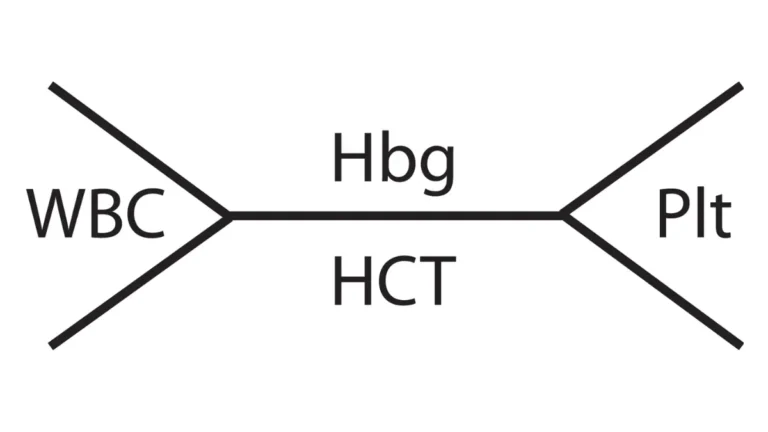
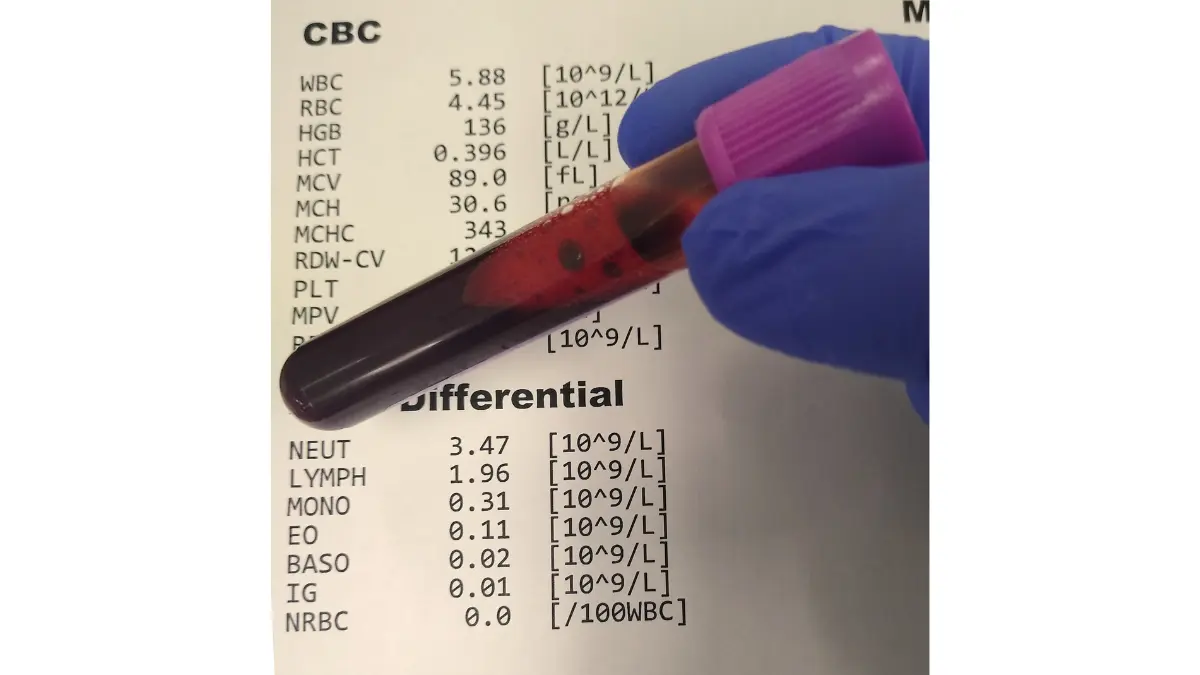
A CBC counts your red blood cells, white blood cells, and platelets, along with hemoglobin and hematocrit. For the bigger picture of what this test can and can’t reveal, see our guide to what a complete blood count can and can’t tell you, or walk through a full report with how to read your CBC results.
ℹ️ Medical Disclaimer: This article explains general reference ranges for education only; it does not diagnose any condition, recommend treatment, or replace testing and interpretation by your own clinician. Reference ranges differ by laboratory, age, sex, and health status, so read your results against the range printed on your own report. For any flagged or abnormal value, consult your primary care physician or a board-certified hematologist before drawing conclusions or making changes.
CBC normal range chart for adults
Here are the typical adult reference ranges for a standard CBC. Labs differ slightly, so treat these as a guide and compare against your own report.
Red blood cell values
| Component | Typical adult normal range | Units |
|---|---|---|
| Red blood cells (RBC) | Men 4.6–6.2 · Women 4.2–5.4 (million) | cells/µL |
| Hemoglobin (Hgb) | Men 13–18 · Women 12–16 | g/dL |
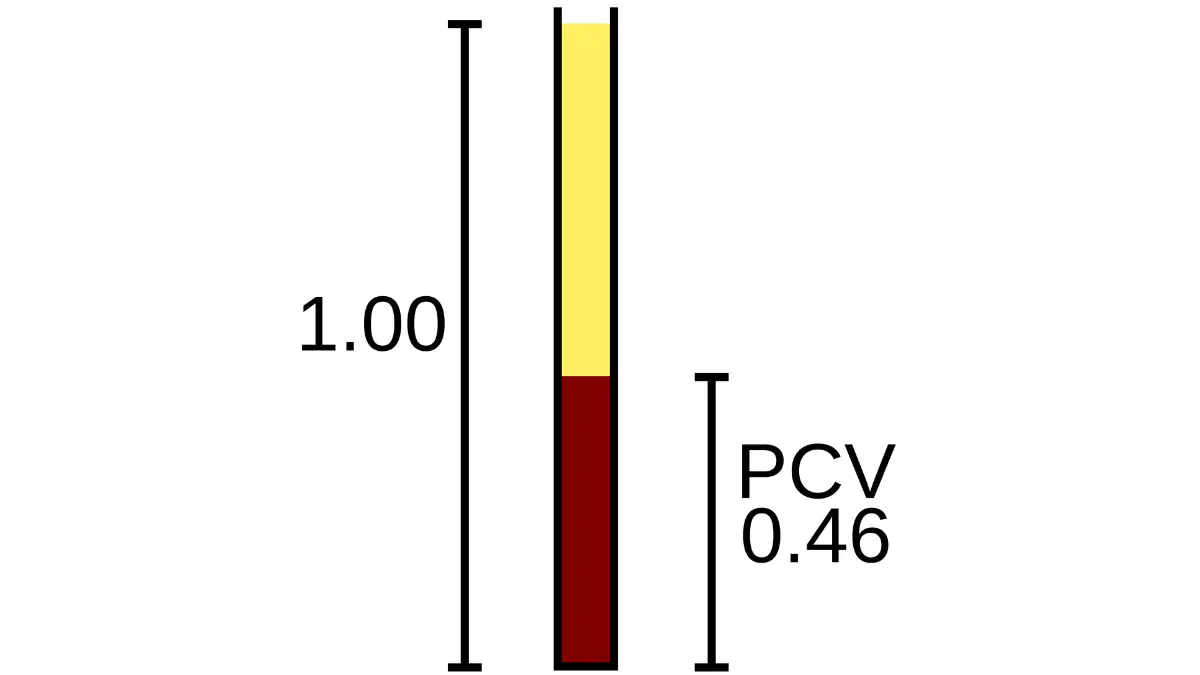
| Hematocrit (Hct) | Men 40–54 · Women 36–48 | % |
| MCV | 80–100 | fL |
| MCH | 27–32 | pg |
| MCHC | 32–36 (≈34) | % |
| RDW | 11.5–15 | % |
White blood cell values
| Component | Typical adult normal range | Units |
|---|---|---|
| White blood cells (WBC) | 4,500–11,000 | cells/µL |
| Neutrophils | 40–60 (1,500–8,000) | % (cells/µL) |
| Lymphocytes | 20–40 (1,000–4,000) | % (cells/µL) |
| Monocytes | 2–8 (200–1,000) | % (cells/µL) |
| Eosinophils | 1–4 | % |
| Basophils | 0.5–1 | % |
Platelet value
| Component | Typical adult normal range | Units |
|---|---|---|
| Platelets (PLT) | 150,000–400,000 | cells/µL |
Reference intervals compiled from the NIH/NCBI StatPearls hematology reference and MedlinePlus; ranges are lab-specific, so compare against the reference range on your own report. See the reference intervals clinicians use and the MedlinePlus overview of the CBC.
Red blood cell values on your CBC
Your red cell numbers tell your clinician how well your blood carries oxygen and, if something is off, what kind of anemia might be present.
RBC, hemoglobin and hematocrit
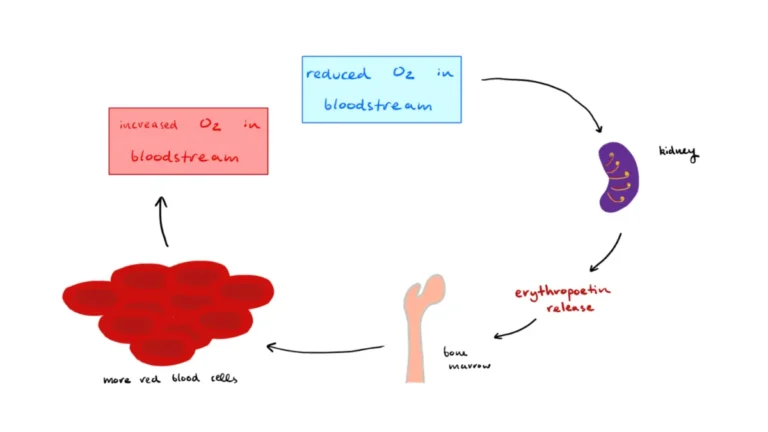
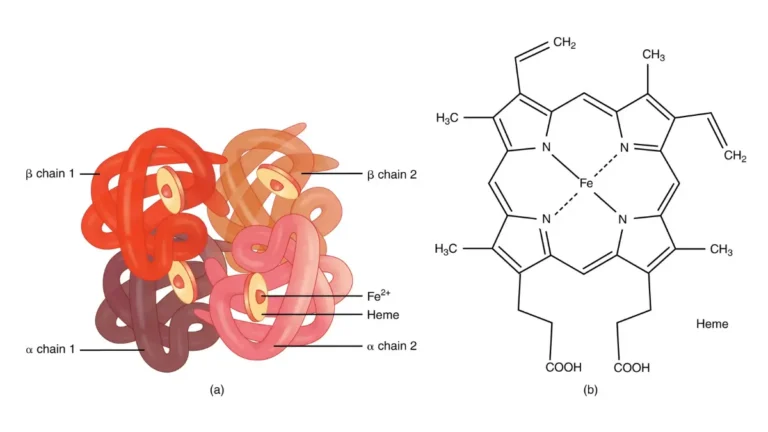
Hemoglobin is the oxygen-carrying protein inside red cells, and a low level is what defines anemia. Hematocrit is the percentage of your blood made up of red cells, and it usually moves in the same direction as hemoglobin. The red blood cell (RBC) count is the number of red cells per microliter, and men typically run higher than women because of hormonal differences.
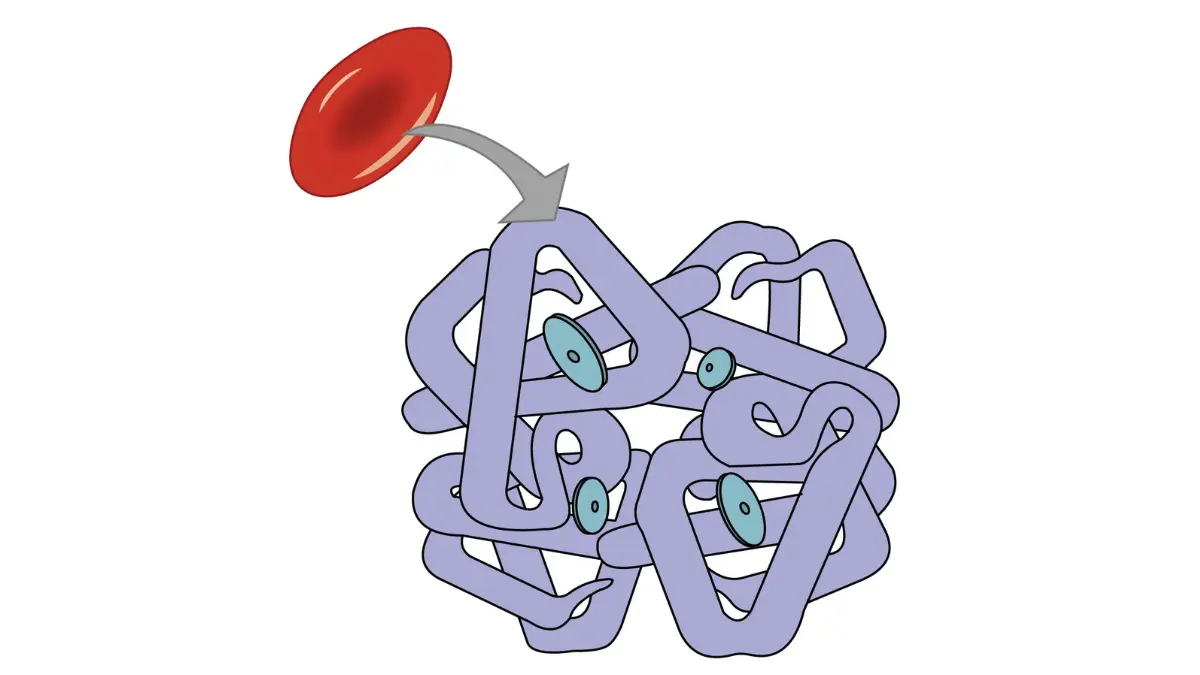
🔬 How It Works: Hemoglobin binds oxygen in your lungs and releases it to tissues throughout the body. When hemoglobin drops, less oxygen reaches your muscles and brain — which is why anemia often shows up as fatigue, weakness, or breathlessness.
Red cell indices: MCV, MCH, MCHC and RDW
The indices describe the size and hemoglobin content of your red cells and help pin down the cause of anemia. MCV is the average red-cell size: a low MCV (microcytic) points toward iron deficiency, while a high MCV (macrocytic) can suggest a B12 or folate problem. MCH and MCHC describe how much hemoglobin each cell carries, and RDW measures how much the cell sizes vary.
If your hemoglobin or MCV is flagged low, iron testing is a common next step. Our guide to abnormal iron studies explains what those follow-up numbers mean.
✅ Patient Action: If your hemoglobin is low, ask your primary care physician: “Should I have iron studies or a ferritin test to check whether this is iron-deficiency anemia?”
White blood cell values and the differential
A normal adult white blood cell (WBC) count is about 4,500 to 11,000 cells/µL. This number reflects your immune activity, and the differential breaks it into five cell types that each hint at different causes when they shift.
Total white blood cell count
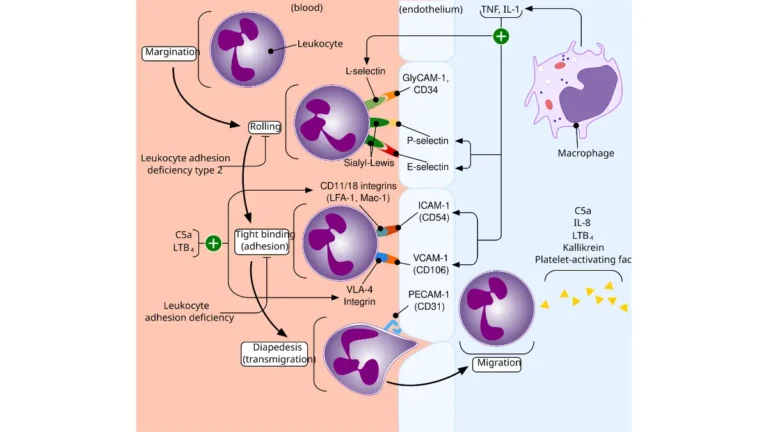
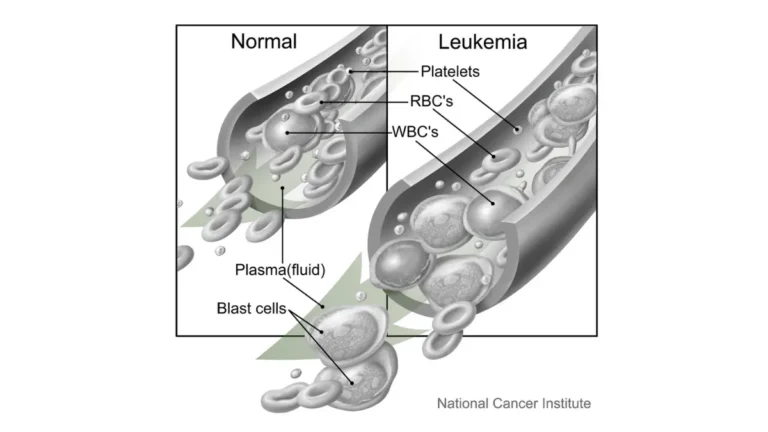
A high WBC is called leukocytosis and often reflects infection, inflammation, or physical stress; a low WBC is leukopenia, which can follow certain viral infections, medications, or bone-marrow problems. A single mildly abnormal WBC is common and is usually interpreted alongside the differential and your symptoms. Our overview of what your CBC blood test results mean covers the full picture.
The five-part differential explained
Each white cell type rises in characteristic situations:
- Neutrophils (40–60%): rise with bacterial infection, inflammation, or stress.
- Lymphocytes (20–40%): rise with viral infections.
- Monocytes (2–8%): rise with certain chronic infections and inflammation.
- Eosinophils (1–4%): rise with allergies and parasitic infections.
- Basophils (0.5–1%): a small fraction, sometimes elevated in allergic or inflammatory conditions.
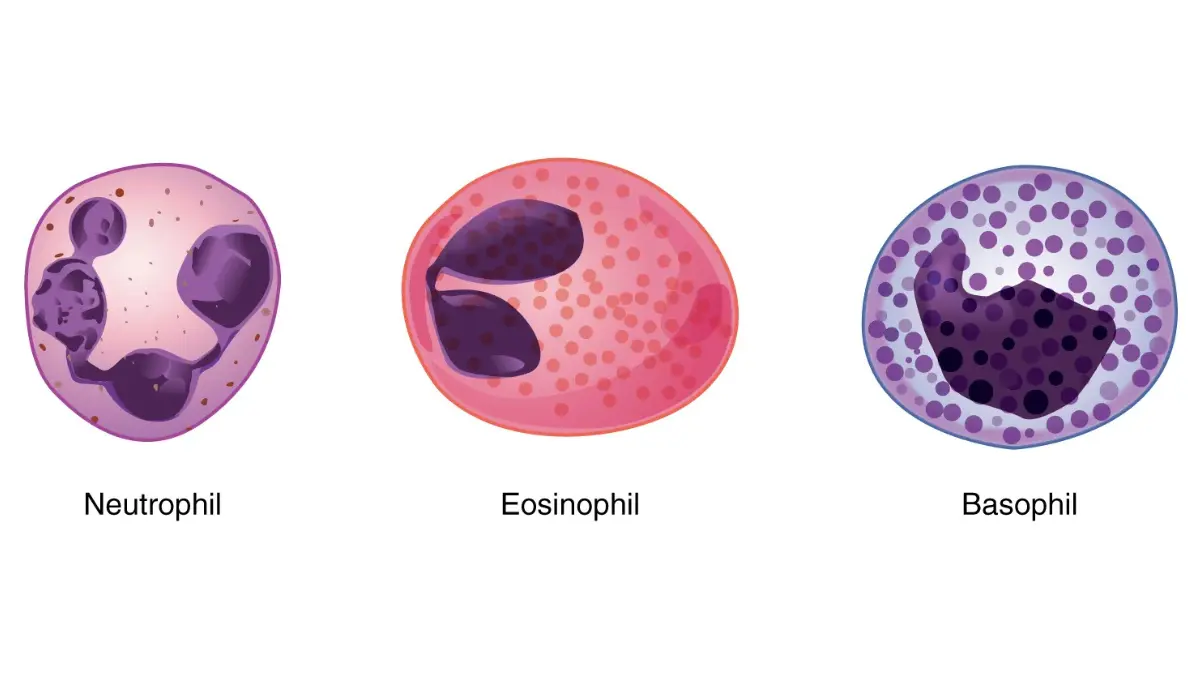
🔬 How It Works: A “CBC with differential” doesn’t just count total white cells — it sorts them by type. Because each type responds to different threats, the pattern (say, high neutrophils versus high lymphocytes) gives your clinician a clue about whether an infection is more likely bacterial or viral. See the normal differential percentages from MedlinePlus.
Platelet count: what the numbers mean
A normal adult platelet count is 150,000 to 400,000 cells/µL. Platelets are the cell fragments that let your blood clot, so both very low and very high counts get attention.
Normal platelet range
A count below 150,000 is called thrombocytopenia, and a count above 450,000 is thrombocytosis. Mild thrombocytopenia is common and often has a manageable cause, from a recent viral illness to certain medications. Our guide to decoding platelet count results walks through what different values can mean.
When a low platelet count becomes serious
As a general reference point, major bleeding is unusual until platelets fall below 50,000/µL, the risk of spontaneous serious bleeding rises steeply below 20,000/µL, and the risk of bleeding into the brain increases below 10,000/µL. These are population thresholds, not a self-diagnosis tool — your clinician interprets your number in the context of your health and any symptoms.
⚠️ Clinical Warning: A low platelet count paired with unexplained bruising, tiny red skin spots (petechiae), nosebleeds, or bleeding gums warrants prompt medical attention rather than waiting. These can signal a level that needs urgent evaluation.
✅ Patient Action: For any low platelet result, ask your provider: “Does this count need to be repeated, and should I see a hematologist?”
Why your normal range may differ from the chart
If your value sits just outside the chart above, that alone rarely means something is wrong. Reference ranges are set by each laboratory, and small differences between labs are expected.
Lab, method and units
Different labs use different analyzers and calibration, so their normal ranges vary. You’ll see this even in published references: some list a normal WBC of 4,300–10,800/µL while others use 4,500–11,000/µL, and both are legitimate. Units matter too — the same platelet result can read as 250,000/µL or 250 ×10⁹/L depending on how the lab reports it. Always compare against the range printed beside your own result.
Age, sex and pregnancy
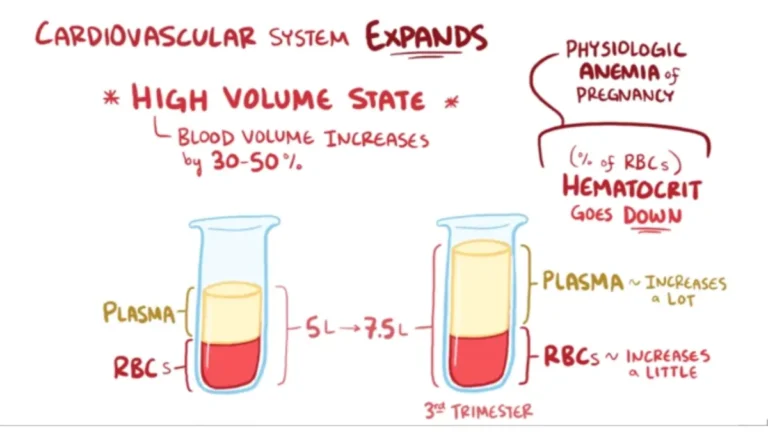
Sex changes several ranges: men typically have higher hemoglobin, hematocrit, and red cell counts than women. Pregnancy lowers the hemoglobin threshold — the lower limit is often reduced to around 10 g/dL because blood volume expands. Age shifts ranges as well, which is why a child’s normal is not an adult’s.
🩺 Physician Note: Clinical references stress that reference intervals are lab-specific and that results should be read against the local laboratory’s range. This is exactly why a value flagged on a generic chart may be perfectly normal for you — and why your provider interprets the number, not the chart.
When an abnormal CBC result needs a doctor
Most flagged values are mild and handled at a routine visit, but some patterns deserve faster attention. Knowing the difference helps you act without panic.
Signs to contact your provider
Reach out to your primary care physician if a value is clearly outside your report’s range, if the same value is flagged again on repeat testing, or if a flag comes with new symptoms like persistent fatigue, fevers, or easy bruising. Bringing your report and a short symptom list makes that conversation more productive. Our guide to what an abnormal CBC result means covers common findings.
When results need prompt attention
Seek urgent or emergency care if abnormal counts come with severe symptoms — heavy or unexplained bleeding, severe shortness of breath, a high fever with confusion, or fainting. A very low platelet count with active bleeding is an emergency, not a wait-and-see situation.
✅ Patient Action: Before your visit, use our Symptom Checker to organize what you’re experiencing, then ask your provider: “Which of my flagged values needs follow-up, and how soon?”
CBC normal range chart: frequently asked questions
1. What is a normal WBC count?
A normal adult white blood cell count on a CBC is about 4,500 to 11,000 cells/µL. A higher count often reflects infection, inflammation, or stress, while a lower count can follow viral illness, certain medications, or bone-marrow issues. A single mildly abnormal WBC is common and is read alongside the differential and your symptoms.
2. What is a normal hemoglobin level for men and women?
Typical adult hemoglobin is about 13 to 18 g/dL for men and 12 to 16 g/dL for women who are not pregnant. Low hemoglobin defines anemia and often causes fatigue or breathlessness. Because the exact range varies by lab and by pregnancy status, discuss a flagged hemoglobin with your clinician.
3. What is a normal platelet count?
A normal adult platelet count is 150,000 to 400,000 cells/µL. Platelets help your blood clot, so counts that are very low or very high draw attention. Mild changes are common and often have a manageable cause. Any low platelet result should be reviewed with your provider to decide on repeat testing.
4. What does an H or L flag on my CBC results mean?
An H or L marks a value that fell above (H) or below (L) your lab’s reference range on that day. It is a signal to look closer, not a diagnosis. Many flags are mild and clinically unimportant, but your clinician interprets each one in the context of your health.
5. Are CBC normal ranges the same at every lab?
No. Each laboratory sets its own reference ranges based on its equipment and methods, so normal values vary slightly between labs. Published references even differ — some list a normal WBC as 4,300–10,800/µL and others as 4,500–11,000/µL. Always compare your result against the range printed on your own report.
6. What is a normal red blood cell count?
A typical adult red blood cell count is about 4.6 to 6.2 million cells/µL for men and 4.2 to 5.4 million cells/µL for women. Men generally run higher due to hormonal differences. The RBC count is interpreted together with hemoglobin, hematocrit, and the red cell indices rather than on its own.
7. What do MCV, MCH, and MCHC measure?
MCV is the average size of your red blood cells, MCH is the average amount of hemoglobin per cell, and MCHC is the hemoglobin concentration within those cells. Typical ranges are MCV 80–100 fL, MCH 27–32 pg, and MCHC about 32–36%. A low or high MCV helps classify the type of anemia.
8. What are normal neutrophil and lymphocyte percentages?
On a CBC differential, neutrophils typically make up about 40 to 60% of white cells and lymphocytes about 20 to 40%. Neutrophils often rise with bacterial infection or inflammation, while lymphocytes tend to rise with viral infections. The pattern helps your clinician judge what kind of process may be underway.
9. Should I worry if one value is slightly out of range?
Usually not. A single value just outside the range is common, especially given normal lab-to-lab variation, and it is often not clinically meaningful. What matters more is how far off it is, whether it persists on repeat testing, and whether you have symptoms. Ask your clinician whether a specific flag is meaningful for you.
10. What platelet count is dangerously low?
As a general reference, bleeding risk rises as platelets fall below 50,000/µL, becomes more serious below 20,000/µL, and is highest below 10,000/µL, where spontaneous bleeding can occur. These are population thresholds, not a self-assessment tool. A low platelet count, particularly with any bleeding or bruising, should be evaluated by your provider promptly.
11. How do age, sex, and pregnancy change CBC results?
Sex affects several values — men typically have higher hemoglobin, hematocrit, and red cell counts than women. Pregnancy lowers the hemoglobin threshold, with the lower limit often reduced to around 10 g/dL as blood volume expands. Age changes ranges too, so a child’s normal differs from an adult’s. Compare results to the range for your situation.
Making sense of your CBC results
Your CBC is a snapshot, and one flagged value rarely tells the whole story. Now that you can see the ranges and what each measures, the most useful next step is simple: compare each result to the range printed on your own report, and raise any flagged value with your clinician rather than interpreting it alone.
If it helps to track your numbers, keep a copy of each report and note the trend — a stable value that sits slightly outside a generic range is very different from one that’s changing. For the full context on what this test can and can’t reveal, return to our guide on what a complete blood count can and can’t tell you.
About this content
How this article was put together: researched from recognised health sources, drafted with the help of AI tools, and edited by hand, with sources linked throughout.

Sameer Patel is the founder and editor of My Medicine Advisor. He is not a doctor or medical professional — before starting this site he worked in banking,…
Medical disclaimer
The content on MyMedicineAdvisor is provided for general informational and educational purposes only and is not a substitute for professional medical advice, diagnosis, or treatment. Health information on this website should not be used to diagnose, treat, cure, or prevent any condition without guidance from a qualified healthcare professional. Always seek the advice of your doctor, physician, or another licensed healthcare provider with any questions you may have regarding a medical condition, symptoms, medications, or treatment decisions.