
On This Page – Quick Medical Summary
You opened your results, saw a value flagged H or L, and your stomach dropped. Take a breath. Most abnormal complete blood count results are not emergencies — but a few are, and this page tells you which is which.
Use it based on your situation:
- If you feel very unwell right now — chest pain, trouble breathing, confusion, uncontrolled bleeding, or a fever while on chemotherapy — stop reading and call 911 or go to the nearest emergency room.
- If a specific number is flagged and you want to know whether it’s dangerous, jump to which CBC numbers signal an emergency.
- If you feel fine but the flag worries you, the section on why most flags aren’t emergencies is for you.
- If you’re on cancer treatment, pregnant, or managing a chronic illness, the higher-risk-groups section applies to you.
A flagged value is a signal to look closer, not a diagnosis. This guide is a companion to what a complete blood count can and can’t tell you, and it exists to help you decide one thing: your next step.
ℹ️ Medical Disclaimer: This article is general health education, not medical advice, diagnosis, or treatment. CBC reference ranges and critical values vary by laboratory, age, sex, pregnancy, and clinical context, so always read your result against the range printed on your own report. It does not replace evaluation by your own clinician and cannot tell you what your specific results mean. If you have red-flag symptoms, call 911 or go to the nearest emergency department. For any flagged or abnormal value, consult your primary care provider or a board-certified hematologist before drawing conclusions.
Abnormal vs. critical: the difference that decides urgency
A flagged CBC value and a “critical” CBC value are not the same thing, and the difference is what decides how fast you need to act.
What an H or L flag really means
An H or L beside a result means it fell above or below your laboratory’s reference range on that day. It is a signal to look closer, not a diagnosis. Diet, a medication, a menstrual period, dehydration, or a recent illness can all nudge a value outside the band, and the ranges themselves differ between labs.
You can compare your numbers against the normal reference ranges for each CBC value, and for a plain-language overview of the test itself, MedlinePlus is a reliable starting point. A single flag rarely means something is wrong.
What a “critical” or “panic” value means
A critical value — sometimes called a panic value — is different. The reference laboratory Labcorp defines it as a result so far outside normal that it may be life-threatening, which is why the lab must contact your clinician right away rather than waiting for your next visit.
Thresholds vary by lab, but many flag results such as a hemoglobin under 7 g/dL, a platelet count under 20,000/µL, a white blood cell count under 2,000/µL, or an absolute neutrophil count under 500/µL. These are the numbers that can turn an ordinary result into an emergency.
Which CBC numbers signal a medical emergency
A CBC becomes a medical emergency when a value crosses a critical threshold, pairs with dangerous symptoms, or both. Four patterns account for most true emergencies.
| Pattern | Threshold that raises alarm | Why it’s dangerous | What it usually means |
|---|---|---|---|
| Very low neutrophils with fever | ANC under 500/µL + temp ≥100.4°F (38°C) | Infection can spread unchecked and turn to sepsis | Febrile neutropenia — an emergency |
| Very low platelets | Under ~20,000/µL; bleeding risk rises as counts fall | Spontaneous or uncontrolled bleeding | Severe thrombocytopenia |
| Very low hemoglobin with symptoms | Under ~7 g/dL, or any level causing chest pain or breathlessness | Organs starved of oxygen | Severe or acute anemia |
| Very high white cells | Over 100,000/µL, especially with confusion or breathlessness | Blood thickens and sludges small vessels | Possible acute leukemia (leukostasis) |
Thresholds compiled from NCCN/IDSA (febrile neutropenia), ACEP (leukostasis), and laboratory critical-value standards; exact thresholds vary by lab and clinical context.
Very low neutrophils with fever
Neutrophils are the white cells that fight bacteria. When the absolute neutrophil count drops under 500/µL and a fever of 100.4°F (38°C) or higher appears, it is called febrile neutropenia and treated as an oncologic emergency, because infection can escalate within hours. You can read more about what causes a low neutrophil count, and the clinical definition of febrile neutropenia is well established in emergency medicine.
🔬 How It Works: Neutrophils are your body’s first responders to bacterial infection. With too few, an infection produces little inflammation, so a fever may be the only warning sign before it becomes dangerous.
Very low platelets and bleeding
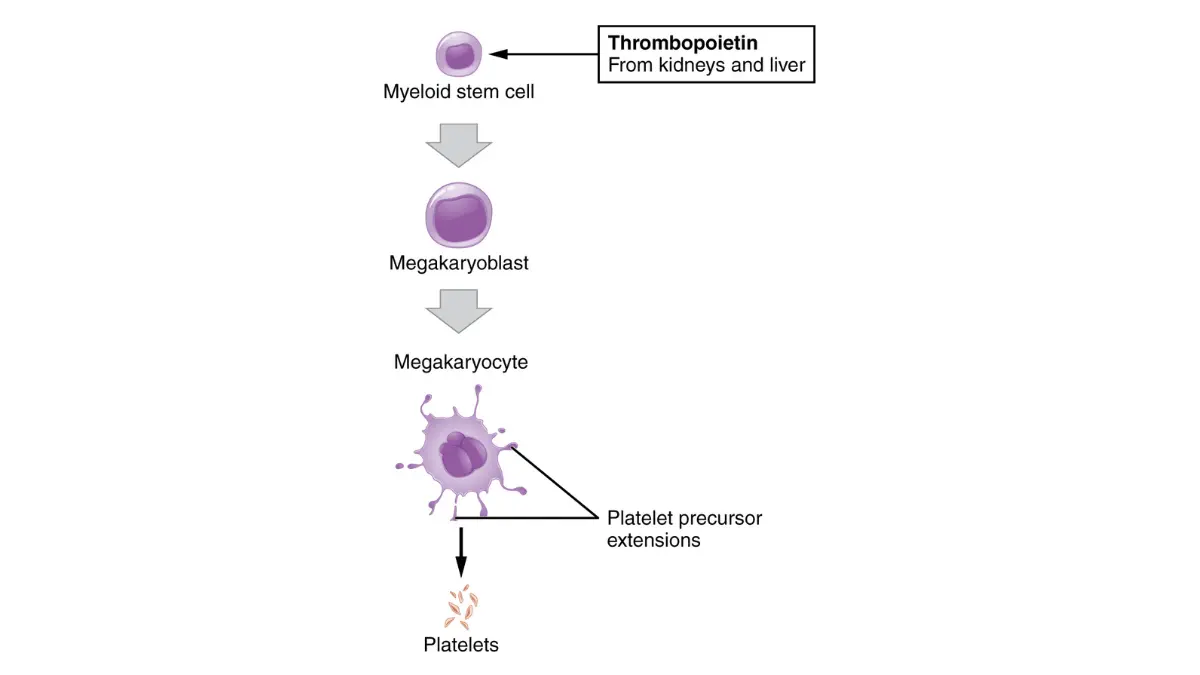
Platelets help blood clot. A count under 20,000/µL is a common critical value, and the risk of spontaneous bleeding climbs as the number falls further. If this is your flagged value, read what causes low platelets — and watch for the bleeding signs listed in the next section.
Very low hemoglobin with symptoms
Low hemoglobin means less oxygen reaches your tissues. Under about 7 g/dL — or at any level that brings on chest pain, breathlessness, or fainting — it becomes urgent. Our guide to low hemoglobin and anemia explains the common causes.
Very high white blood cells
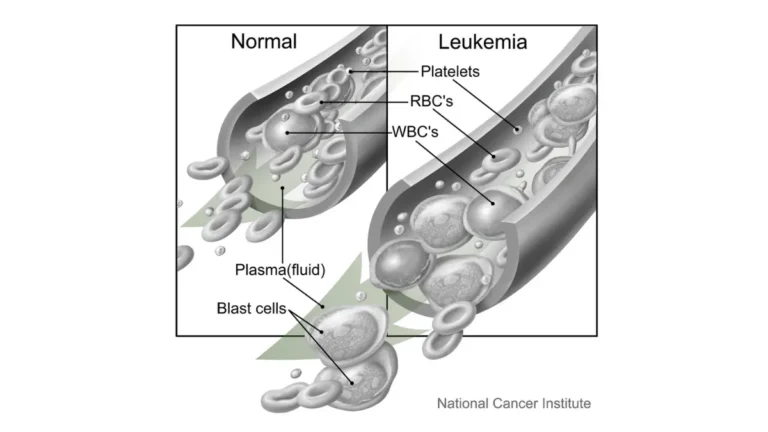
A very high white cell count, over 100,000/µL, can signal acute leukemia, and when it causes confusion, vision changes, or breathlessness it is a medical emergency called leukostasis. Learn what else drives a very high white blood cell count.
⚠️ Clinical Warning: These thresholds are recognition guides, not self-diagnosis tools. If your results match any of these patterns, contact your care team the same day — and if red-flag symptoms are present, call 911. Only a clinician can interpret your numbers in context. A specific question worth asking: “Given my counts and how I feel, do I need to be seen today or emergently?”
Red-flag symptoms that mean go to the ER now
Sometimes you feel unwell before you see your results, or symptoms appear alongside a known abnormal count. Go to the ER now — or call 911 — if any of these occur.
With a known low white blood cell count (for example, during chemotherapy):
- A fever of 100.4°F (38°C) or higher, or a one-time temperature of 101°F
- Shaking chills, a new cough, sore throat, mouth sore, or burning with urination
You can see the full list of infection signs to watch for on the CDC’s page on neutropenia and the signs of infection.
With low platelets or low hemoglobin:
- Uncontrolled bleeding, blood in vomit or stool, or many new bruises or pinpoint red spots (petechiae)
- Chest pain, shortness of breath at rest, fainting, or a racing heartbeat
With a very high white blood cell count:
- Confusion, severe headache, vision changes, or trouble breathing
- Any stroke-like sign: facial drooping, sudden weakness or numbness, or trouble speaking
⚠️ Clinical Warning: These are emergencies. Call 911 or go to the nearest emergency department — do not wait for an appointment or rely on an online symptom checker. If you are a cancer patient, tell the check-in staff you are on chemotherapy so you are seen quickly.
What to do when your CBC comes back abnormal
If you are not facing a red-flag emergency, here is how to handle a flagged result calmly and correctly.
- Look for a critical-value alert. If your result is truly critical, the lab usually calls your clinician directly — you may hear from them before you even open the portal.
- Check yourself for red-flag symptoms. Re-read the symptoms above. For non-urgent symptoms, our Symptom Checker can help you organize what to tell your provider — but if you have any red-flag symptoms, call 911 instead of using an online tool.
- Contact your clinician for a flag without symptoms. Message or call your primary care provider within a day or two. Ask whether the value needs repeating and whether your trend over past tests matters — some flags simply need a second test to confirm.
🩺 Physician Note: A single value matters far less than the trend across your prior results, and an unexpected number is often rechecked. A low platelet count, for example, can read falsely low if platelets clump in the collection tube, so your provider may repeat the draw or review a blood smear before acting.
Why most abnormal CBC flags are not emergencies
Most flagged CBC values turn out to be mild, temporary, or simply your normal — and understanding why can lower the panic.
Common harmless reasons for a flag
Everyday factors shift blood counts without signaling disease: a recent infection or inflammation, a new medication, hard exercise the day before, dehydration, smoking, or alcohol. Many flags are mild and clinically unimportant, and the H or L is just a prompt to look closer.
If it helps to walk through your report value by value, our guide to decode a flagged CBC result step by step does exactly that.
When your normal isn’t the textbook normal
Some people are simply healthy at numbers outside the printed range. Ranges vary by lab, age, sex, pregnancy, and altitude, and certain inherited traits — such as a naturally lower baseline neutrophil count in some populations, or thalassemia trait — mean your “abnormal” may be your normal.
You can explore inherited factors that affect your baseline. Still, a persistent or unexplained flag deserves a clinician’s review.
Higher-risk groups: chemo, pregnancy, and chronic illness
The same number can be routine for one person and dangerous for another, depending on their treatment and health.
Cancer treatment and low blood counts
Chemotherapy lowers white cells, and neutropenia — often deepest 7 to 12 days after a dose — is the most common serious complication of cancer treatment. For someone on chemo, a fever of 100.4°F (38°C) or higher is a medical emergency, because guidelines call for intravenous antibiotics within about an hour to help prevent sepsis. The CDC explains plainly why a fever during chemotherapy is an emergency.
⚠️ Clinical Warning: If you are receiving chemotherapy and your temperature reaches 100.4°F (38°C), contact your oncology team or go to the ER immediately — do not wait to see if it passes. Bring your treatment details so you are seen and started on antibiotics quickly. A question worth asking your team in advance: “At what temperature and which symptoms should send me straight to the ER?”
Blood thinners, pregnancy, and chronic conditions
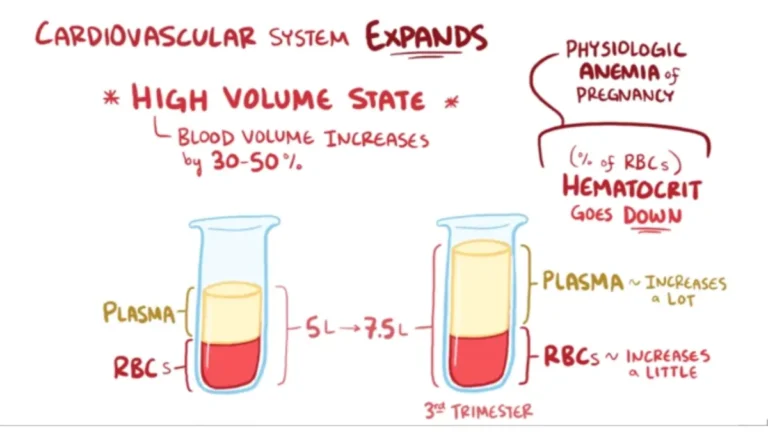
If you take a blood thinner or antiplatelet drug, a low platelet count carries more bleeding danger than the same number would otherwise. Pregnancy lowers the normal hemoglobin threshold, and older adults and people with chronic kidney or liver disease may have shifted ranges and risk. In each case, your baseline and your medications change what a given result means.
Frequently asked questions about abnormal CBC results
1. What abnormal CBC results need urgent care?
Four patterns drive most emergencies: very low neutrophils with a fever, very low platelets, very low hemoglobin with symptoms, and a very high white blood cell count. Any abnormal CBC result that crosses a critical threshold or pairs with red-flag symptoms — such as chest pain, bleeding, confusion, or fever on chemotherapy — needs urgent care.
2. When is a low white blood cell count an emergency?
A low white blood cell count becomes an emergency when neutrophils fall under 500/µL and a fever of 100.4°F (38°C) or higher appears — a combination called febrile neutropenia. Because infection can spread quickly when white cells are low, this pairing needs same-day emergency care. Contact your care team or go to the ER right away.
3. What platelet count is dangerously low?
A platelet count under 20,000/µL is a common laboratory critical value, and the risk of spontaneous bleeding rises as the number drops further. Below that level, or with any active bleeding, an abnormal CBC platelet result needs prompt attention. Your clinician interprets the number alongside your symptoms and medications, so ask them directly.
4. When is low hemoglobin a medical emergency?
Low hemoglobin becomes a medical emergency when it falls under about 7 g/dL, or at any level that causes chest pain, shortness of breath at rest, fainting, or confusion. These signs mean your organs may not be getting enough oxygen. Call 911 or go to the ER, and have your clinician evaluate the cause.
5. Can a high white blood cell count be an emergency?
Yes. A very high white blood cell count — over 100,000/µL — can indicate acute leukemia, and when it causes confusion, vision changes, or breathlessness it becomes a medical emergency called leukostasis. Most high counts reflect infection or inflammation, not cancer, but a very high result should be evaluated urgently by a clinician.
6. What does a “critical” value on a CBC mean?
A critical, or panic, value is a laboratory result so far outside normal that it may be life-threatening. Labs are required to contact your clinician immediately rather than waiting for your next visit. It signals that an abnormal CBC value needs prompt medical attention — though the exact thresholds vary from one laboratory to another.
7. Should I go to the ER or call my doctor for abnormal CBC results?
Go to the ER for any red-flag symptom or a critical value — bleeding, chest pain, breathlessness, confusion, or fever during chemotherapy. For a flagged value with no symptoms, call or message your primary care provider within a day or two instead. When unsure whether an abnormal CBC result is urgent, err toward calling your clinician.
8. Which symptoms with abnormal counts mean go to the ER?
Go to the ER for uncontrolled bleeding, blood in vomit or stool, widespread new bruising, chest pain, shortness of breath at rest, fainting, confusion, severe headache, vision changes, or stroke-like signs. A fever of 100.4°F (38°C) or higher with a known low white cell count is also an emergency. These symptoms outrank any single number.
9. Are most abnormal CBC results serious?
No. Most flagged CBC values are mild, temporary, or simply a person’s normal baseline. Infection, inflammation, medications, dehydration, exercise, and inherited traits can all shift counts without signaling disease. A flag is a prompt to look closer, not a diagnosis — though a persistent or unexplained abnormal result still deserves a clinician’s review.
10. How fast is treatment needed for febrile neutropenia?
Treatment is urgent: guidelines recommend giving intravenous antibiotics within about one hour of a person with febrile neutropenia arriving for care, to help prevent the infection from progressing to sepsis. This is why a fever with a low neutrophil count is never something to watch and wait on. Seek emergency care immediately and tell staff you are on chemotherapy.
11. Why is my CBC abnormal but I feel fine?
Feeling well with a flagged CBC is common. Many abnormal values reflect a mild, reactive change — a recent cold, a medication, or dehydration — or a personal baseline that sits outside the printed range. The trend across your past results matters more than any single reading, so your provider may simply repeat the test.
The bottom line on abnormal CBC results
Here is the rule to remember. A critical value or a red-flag symptom — bleeding, chest pain, breathlessness, confusion, or a fever during chemotherapy — means emergency care now. A value flagged H or L with no symptoms means calling your clinician within a day or two. And most flags, in the end, are mild or simply your normal.
When you are unsure about your own results, ask your clinician; when red-flag symptoms are present, call 911. For the full picture of what this test can and cannot reveal, return to what a complete blood count can and can’t tell you.
About this content
How this article was put together: researched from recognised health sources, drafted with the help of AI tools, and edited by hand, with sources linked throughout.

Sameer Patel is the founder and editor of My Medicine Advisor. He is not a doctor or medical professional — before starting this site he worked in banking,…
Medical disclaimer
The content on MyMedicineAdvisor is provided for general informational and educational purposes only and is not a substitute for professional medical advice, diagnosis, or treatment. Health information on this website should not be used to diagnose, treat, cure, or prevent any condition without guidance from a qualified healthcare professional. Always seek the advice of your doctor, physician, or another licensed healthcare provider with any questions you may have regarding a medical condition, symptoms, medications, or treatment decisions.