
On This Page – Quick Medical Summary
You are looking at a lab order or a results page, and two tests sit side by side: a CBC and a BMP. They sound similar, and they’re often drawn from the same needle stick — but they answer completely different questions. A complete blood count (CBC) counts the cells in your blood. A basic metabolic panel (BMP) measures the chemicals in your blood.
If you want to understand what each test checks, the next two sections break them down. If you were handed a requisition and want to know which one you need — or why you’re getting both — the decision section will orient you. If you have results in hand and a value is flagged, the section on abnormal results explains why one number rarely tells the whole story, and what to do next. And if you’re mixing this up with a CMP, we clear that up too.
Here is the plain-language difference, and how to use each test.
ℹ️ Medical Disclaimer: This article explains what CBC and BMP blood tests measure for general educational purposes. It does not diagnose any condition, interpret your individual results, or replace testing and advice from a licensed clinician. Reference ranges and the meaning of any abnormal value depend on the laboratory and on your personal health history — take your results to a board-certified physician or your primary care provider before drawing conclusions or changing anything about your care.
What a CBC measures and why doctors order it
A complete blood count looks at the cells that make up your blood and the oxygen-carrying protein they contain. It’s one of the most common blood tests and is often part of a routine checkup, per the National Library of Medicine’s overview of the CBC.
What’s in a CBC
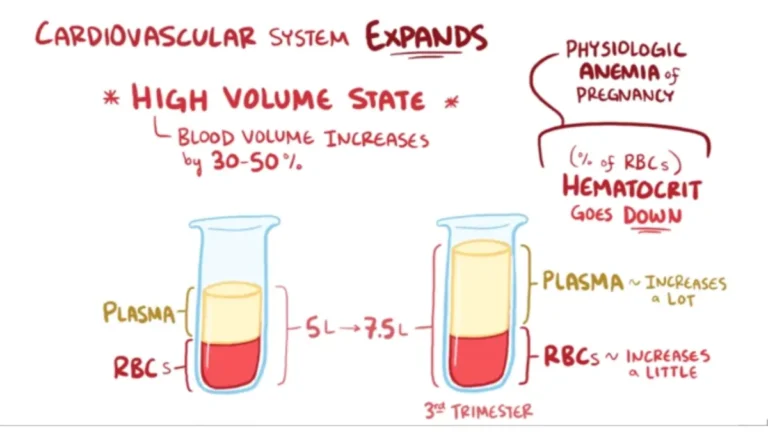
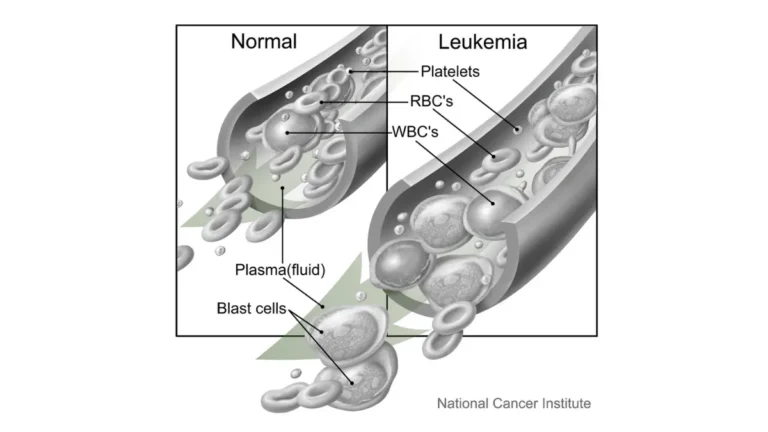
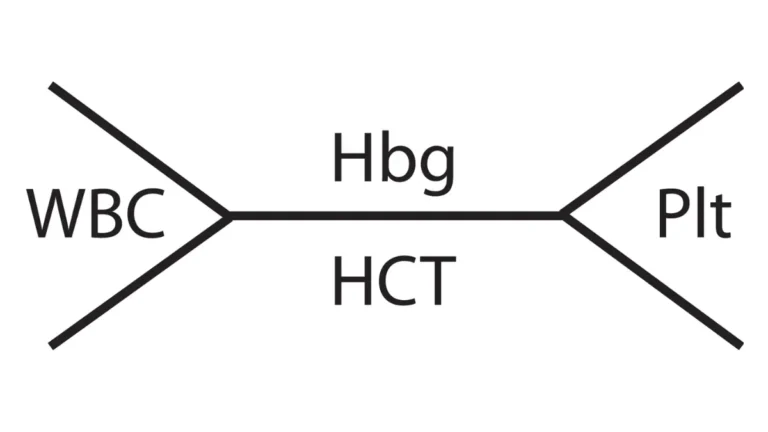
A CBC measures your red blood cells, white blood cells, and platelets, along with hemoglobin (the iron-rich protein that carries oxygen), hematocrit (the share of your blood made up of red cells), and the average size of your red cells (MCV). A version called a CBC with differential also counts each type of white blood cell. For a value-by-value walkthrough, see how to read your CBC results.
🔬 How It Works: A CBC is run on a whole-blood sample. An automated analyzer counts and sizes the cells, then reports how many red cells, white cells, and platelets you have and how much hemoglobin they carry — a snapshot of the cellular side of your blood.
What a CBC can flag
Abnormal red blood cell, hemoglobin, or hematocrit levels can be a sign of dehydration, anemia, or bleeding. A white blood cell count that runs higher or lower than usual can point toward infection, an immune system disorder, or a blood cancer, while platelet changes can signal a clotting or bleeding problem.
None of these results is a diagnosis on its own. For the fuller picture, see what a complete blood count can and can’t tell you and what low hemoglobin and anemia can look like.
What a BMP measures and why doctors order it
A basic metabolic panel measures naturally occurring chemicals in your blood rather than blood cells. It tells your provider about your fluid balance, your metabolism, your blood sugar, and how well your kidneys are working, according to the MedlinePlus explanation of the basic metabolic panel.
The 8 substances a BMP measures
A BMP checks eight things:
- Glucose — blood sugar, your body’s main energy source
- Calcium — a mineral your nerves, muscles, and heart depend on
- Sodium, potassium, chloride, and carbon dioxide (bicarbonate) — electrolytes that manage fluid balance and your blood’s acid-base (pH) balance
- BUN (blood urea nitrogen) and creatinine — waste products your kidneys filter out
📊 Clinical Data Point: A BMP measures 8 substances. It’s also called a chemistry panel, chem 7, or electrolyte panel. — Source: MedlinePlus (NIH)
What a BMP reveals
Because it looks at chemistry rather than cells, a BMP is used to check kidney function, blood sugar, and electrolyte and fluid balance. A high glucose result, for example, may be a sign of diabetes — though a single reading is not a diagnosis. You can see what a normal blood sugar result looks like for context.
🔬 How It Works: A BMP is usually run on plasma — the fluid part of your blood, separated from the cells. The lab measures the chemicals dissolved in that fluid, which is why a BMP reflects organ function and chemical balance rather than cell counts.
CBC vs BMP: the key differences at a glance
The simplest way to hold the difference: a CBC counts the cells in your blood, while a BMP measures the chemicals dissolved in it. One looks at blood cells; the other looks at organ function and chemical balance.
| Feature | CBC (Complete Blood Count) | BMP (Basic Metabolic Panel) |
|---|---|---|
| What it measures | Red cells, white cells, platelets, hemoglobin, hematocrit | Glucose, calcium, sodium, potassium, chloride, CO2, BUN, creatinine |
| What it assesses | Blood cell health and immune system | Kidney function, blood sugar, electrolytes, fluid balance |
| What abnormal may hint at | Anemia, infection, blood disorders | Kidney problems, diabetes, electrolyte or fluid imbalance |
| Sample type | Whole blood | Plasma (fluid part of blood) |
| Often ordered for | Routine checkups, fatigue, infection, bruising | Routine checkups, kidney or blood-sugar monitoring |
Sources: MedlinePlus and the NHLBI (NIH).
🩺 Physician Note: A common point of confusion is that these two tests sound interchangeable. They aren’t — they examine entirely different parts of the same blood sample, which is why a provider often orders both to get a fuller picture. The NHLBI’s guide to common blood tests covers both.
Neither test, on its own, diagnoses a condition. An out-of-range result usually points toward the next step — more specific testing — rather than a final answer.
Which test do you need — or do you need both?
Whether you need a CBC, a BMP, or both is a decision your provider makes based on your symptoms, history, and what they’re checking for. Both are common in a routine physical, and seeing both on your order is normal — not a sign that something is wrong.
When each test is ordered (and why both is common)
A provider may lean on a CBC when looking into fatigue, possible infection, unexplained bruising, or anemia. A BMP comes into play for checking kidney function, blood sugar, or electrolyte and fluid balance — for instance, when monitoring high blood pressure, kidney disease, or diabetes. Because the two answer different questions, they’re frequently ordered together. Not sure which way your symptoms point? The symptom checker can help you organize what to raise with your provider.
Do you need to fast?
A CBC on its own generally does not require fasting — you can eat and drink normally. A BMP may require fasting, often around 8 hours, depending on whether glucose is being checked and what else is ordered; your provider or the lab will tell you how to prepare. See which blood tests require fasting for the full rundown.
⚠️ Clinical Warning: If you’re told to fast and you eat beforehand, results like glucose can read higher than your true baseline and cloud the picture. When in doubt, confirm the instructions before your draw rather than guessing.
✅ Patient Action: Before your blood draw, ask the ordering provider or lab two things: whether your panel requires fasting and for how long, and whether you should still take your regular morning medications.
How a BMP compares to a CMP (and where a CBC fits)
People often confuse a BMP with a CMP (comprehensive metabolic panel), and sometimes with a CBC. Here’s how they line up.
BMP vs CMP: 8 tests vs 14
A CMP includes the same eight tests as a BMP, plus six more that measure certain proteins and liver enzymes — alanine transaminase (ALT), aspartate aminotransferase (AST), alkaline phosphatase (ALP), albumin, total protein, and bilirubin. A provider may choose a CMP over a BMP to get a fuller look at organ health, such as liver function.
📊 Clinical Data Point: A BMP measures 8 substances; a CMP measures 14 — the same 8 plus 6 liver and protein markers. — Source: MedlinePlus (NIH)
Where a CBC fits
A CBC is not a metabolic panel at all — it’s a separate test that counts blood cells rather than measuring blood chemistry. So the real comparison is CBC (cells) versus BMP or CMP (chemistry). If you’re weighing the two chemistry panels, see how a CBC compares to a CMP. For the official breakdown, MedlinePlus explains how a CMP differs from a BMP.
What abnormal results can — and can’t — tell you
A flagged value on a CBC or BMP can be unsettling, but a single out-of-range number rarely tells the whole story on its own.
Why one abnormal value rarely means one thing
Reference ranges vary from lab to lab and can differ by sex, age, and other factors, so “abnormal” isn’t a fixed universal line. Diet, hydration, medications, and even a recent illness can nudge results. That’s why providers read your numbers together, in the context of your history — not one value in isolation.
One abnormal result usually points toward more specific testing rather than a diagnosis. A CBC, for example, can raise suspicion of a blood cancer such as leukemia, but routine blood work can’t detect most cancers — see whether a CBC can detect cancer and what abnormal CBC results can mean.
When to follow up
⚠️ Clinical Warning: Don’t diagnose yourself — or start, stop, or change any medication or supplement — based on a single flagged value. An out-of-range number is a prompt to talk with your provider, not a conclusion.
✅ Patient Action: Bring your full results to your primary care provider and ask what a specific out-of-range value means for you, given your medications and history — and whether it needs a repeat test or a more specific one.
CBC vs BMP: frequently asked questions
1. What is the difference between a CBC and a BMP?
A CBC (complete blood count) counts the cells in your blood — red cells, white cells, and platelets — while a BMP (basic metabolic panel) measures chemicals like glucose, electrolytes, and kidney markers. In short, a CBC checks blood cell health and a BMP checks organ function and chemical balance. They’re often ordered together because they answer different questions.
2. Are a CBC and a BMP usually done together?
Yes. Both a CBC and a BMP are common in a routine physical and are frequently ordered together from the same blood draw. Because a CBC looks at blood cells and a BMP looks at blood chemistry, pairing them gives your provider a broader snapshot of your health. Seeing both on your lab order is normal, not a warning sign.
3. What does a CBC show that a BMP doesn’t?
A CBC shows your red blood cells, white blood cells, platelets, hemoglobin, and hematocrit — the cellular side of your blood. A BMP doesn’t measure any of these; it focuses on chemicals like glucose, electrolytes, and kidney waste products. So anemia, infection clues, and platelet issues show up on a CBC, not a BMP.
4. Do you have to fast for a CBC or a BMP?
A CBC on its own generally doesn’t require fasting — you can eat and drink normally. A BMP may require fasting, often around 8 hours, depending on whether glucose is checked and what else is ordered. Your provider or lab will tell you how to prepare, so confirm your specific instructions before the draw.
5. Is a BMP the same as a metabolic panel, and what’s a CMP?
A BMP is a basic metabolic panel of 8 tests. A CMP (comprehensive metabolic panel) includes those same 8 plus 6 more that check liver enzymes and proteins — 14 in total. So a BMP is the smaller chemistry panel and a CMP is the broader one. A CBC is a separate cell-count test, not a metabolic panel.
6. Which test checks kidney function, a CBC or a BMP?
A BMP checks kidney function through BUN (blood urea nitrogen) and creatinine, two waste products your kidneys filter. A CBC does not assess kidney function — it counts blood cells. If kidney health is the concern, the BMP is the relevant panel. Discuss any abnormal kidney markers with your provider, who interprets them in context.
7. Can a CBC or BMP detect diabetes?
A BMP includes glucose, and a high glucose result may be a sign of diabetes — but a single reading isn’t a diagnosis. A CBC doesn’t measure blood sugar. Diagnosing diabetes usually requires more testing, such as a repeat glucose or an A1C. Talk with your provider about what any elevated glucose result means for you.
8. Which blood test shows anemia, a CBC or a BMP?
A CBC shows anemia. Low hemoglobin, hematocrit, or red blood cell levels on a CBC can be a sign of anemia, while a BMP — which measures blood chemistry, not cells — doesn’t detect it. If your CBC suggests anemia, your provider may order follow-up tests to find the cause.
9. Are CBC and BMP part of routine blood work?
Yes. Both the CBC and BMP are among the most common blood tests and are often included in a routine checkup. A CBC gives a snapshot of your blood cells, and a BMP checks blood sugar, kidney function, and electrolytes. Together they’re a standard part of general health screening ordered by many providers.
10. How long do CBC and BMP results take?
Turnaround varies by lab, but routine CBC and BMP results are often available within a day or so, and sometimes the same day. More complex situations can take longer. Your ordering provider or the lab’s patient portal is the best source for your timing — see how long a CBC typically takes.
11. Can a CBC or BMP detect cancer?
Neither reliably detects most cancers. A CBC can sometimes raise suspicion of a blood cancer like leukemia, but routine blood work can’t detect most solid tumors, and a BMP isn’t a cancer test. Abnormal results may prompt more specific testing. If cancer is a concern, discuss appropriate screening with your provider.
The bottom line on CBC vs BMP
The distinction is simpler than the acronyms suggest: a CBC counts your blood cells, and a BMP measures your blood chemistry. One reflects blood cell health and your immune system; the other reflects kidney function, blood sugar, and electrolyte balance. Seeing both on a lab order is routine — they simply answer different questions about the same sample.
Whatever your results show, the numbers mean the most when a clinician reads them alongside your history and symptoms. Bring your results to your provider, ask what any flagged value means for you specifically, and use them as a starting point for the conversation. For the bigger picture on blood cell testing, explore what a complete blood count can and can’t tell you.
About this content
How this article was put together: researched from recognised health sources, drafted with the help of AI tools, and edited by hand, with sources linked throughout.

Sameer Patel is the founder and editor of My Medicine Advisor. He is not a doctor or medical professional — before starting this site he worked in banking,…
Medical disclaimer
The content on MyMedicineAdvisor is provided for general informational and educational purposes only and is not a substitute for professional medical advice, diagnosis, or treatment. Health information on this website should not be used to diagnose, treat, cure, or prevent any condition without guidance from a qualified healthcare professional. Always seek the advice of your doctor, physician, or another licensed healthcare provider with any questions you may have regarding a medical condition, symptoms, medications, or treatment decisions.