On This Page – Quick Medical Summary
The Silent Crisis – Why 69% Miss Hepatitis B Warning Signs
Hepatitis B often presents with silent symptoms that approximately 69% of infected individuals overlook or fail to recognize, leading to progressive liver damage, cirrhosis, and potentially life-threatening liver cancer. This asymptomatic Hepatitis B infection allows the virus to silently destroy liver cells for years or even decades before patients discover they’re carriers of one of the world’s most dangerous viral infections.
The Undetected Threat
Maria Chen, a 42-year-old marketing executive, felt perfectly healthy when she underwent routine blood work during her annual physical examination. Her energy levels were normal, she maintained a regular exercise schedule using tools like the Heart Rate Zone Calculator to optimize her workouts, and she had no concerning symptoms.
The shocking diagnosis of chronic Hepatitis B with moderate liver fibrosis devastated her. “I had absolutely zero HBV symptoms,” Maria recalls. “No fatigue, no jaundice, nothing that would make me think something was destroying my liver.” Further testing revealed her Hepatitis B silent infection had been active for an estimated 8-12 years, silently causing liver damage while she remained completely unaware. Her experience mirrors that of millions worldwide who carry the hepatitis B virus without realizing their bodies are fighting a losing battle against chronic inflammation and progressive fibrosis.
The Alarming Statistics Behind Silent Hepatitis B
The numbers surrounding asymptomatic Hepatitis B are staggering and demand immediate attention. Research published by the National Institutes of Health confirms that 69% of people with Hepatitis B experience no symptoms or have unrecognized symptoms, making it one of medicine’s most deceptive silent infections. The Centers for Disease Control and Prevention reports that 50-70% of people with acute hepatitis B are asymptomatic, meaning the majority of newly infected individuals have no idea they’ve contracted HBV symptoms at all.
Consider these critical facts about Hepatitis B:
- 296 million people globally live with chronic Hepatitis B infection, yet most remain undiagnosed
- Two-thirds of infected Americans are completely unaware they carry the virus
- 12-27% of asymptomatic carriers already have significant liver fibrosis or cirrhosis without any warning signs
- Only 10.5% of people living with chronic Hepatitis B know their infection status
These statistics reveal why Hepatitis B liver damage progresses undetected—patients feel fine while their livers slowly deteriorate.
What This Means For You
If you belong to any high-risk group—healthcare workers, people born in endemic regions, individuals with HIV, or those with a family history of Hepatitis B—you must get tested immediately. The CDC recommends universal screening for all adults aged 19-59, recognizing that signs of Hepatitis B are often completely absent.
Use the Symptom Checker to assess any subtle warning signs, though remember that Hepatitis B chronic symptoms may not appear until severe liver damage has occurred. Early detection through simple Hepatitis B blood test screening can prevent cirrhosis, liver cancer, and premature death. Monitoring your overall health markers with tools like the BMI Calculator helps track risk factors, but only specific HBV testing can definitively diagnose this silent infection.
Medical Disclaimer: This article provides educational information about Hepatitis B silent infection, HBV symptoms, and asymptomatic Hepatitis B for general knowledge purposes only. It is not intended as medical advice, diagnosis, or treatment recommendations. Always consult qualified healthcare professionals regarding Hepatitis B test needs, screening protocols, and personalized medical care for potential Hepatitis B liver damage concerns.
Understanding Hepatitis B – Acute vs Chronic Infection Explained
What Is Hepatitis B Virus (HBV)?
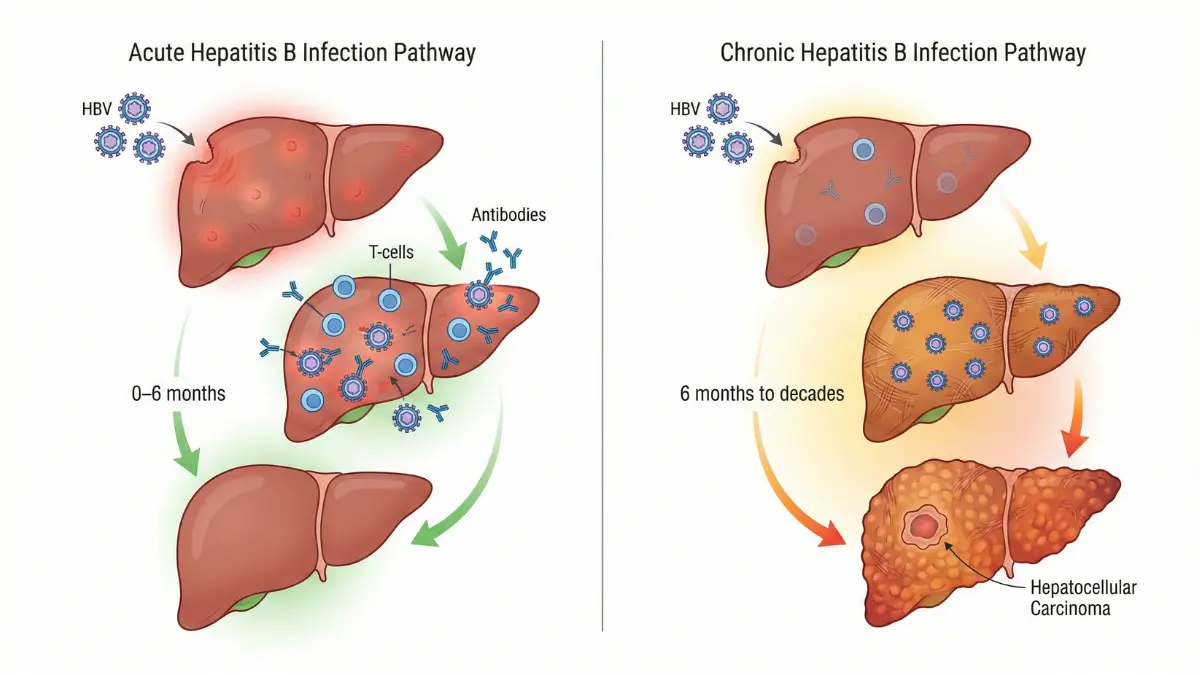
Hepatitis B is a viral infection caused by the hepatitis B virus that specifically attacks liver cells, triggering inflammation and potentially irreversible damage over time. The National Institute of Diabetes and Digestive and Kidney Diseases confirms that acute Hepatitis B only lasts a short time before the virus is cleared in most healthy adults, while chronic infection persists for six months or longer. Understanding HBV symptoms requires recognizing how this virus spreads through direct contact with infected blood, semen, vaginal secretions, and other bodily fluids.
The CDC states that hepatitis B virus transmission occurs through percutaneous or mucosal exposure to infectious materials, making it far more contagious than HIV. Unlike hepatitis A, oral-fecal transmission of Hepatitis B is extremely rare, which is why Hepatitis B transmission primarily happens through blood transfusions, sexual contact, shared needles, or from infected mothers to newborns during childbirth. Families with a history of chronic Hepatitis B infection should use the Genetic Risk Assessment Tool to evaluate their likelihood of carrying or developing this potentially life-threatening condition.
Acute vs Chronic Hepatitis B – Critical Differences
The distinction between acute Hepatitis B symptoms and chronic Hepatitis B symptoms determines your long-term health outlook and treatment strategy. These two forms represent dramatically different disease trajectories that every person concerned about Hepatitis B must understand:
The age at which someone contracts Hepatitis B dramatically influences whether they develop chronic infection. Infants infected at birth have a staggering 90% risk of chronic Hepatitis B carrier status, while healthy adults face only a 5% risk of chronicity. This biological reality makes newborn screening and maternal testing absolutely critical for preventing lifelong Hepatitis B chronic symptoms.
The Hidden Hepatitis B Carrier State
Approximately 300 million people worldwide are classified as inactive Hepatitis B carriers—individuals who test positive for HBsAg but have undetectable or low viral DNA levels and normal liver enzymes according to research published in the NIH’s StatPearls database. These asymptomatic Hepatitis B carriers represent the largest subset of people living with chronic infection, yet most remain completely unaware of their status until complications arise. Even in the inactive carrier state, silent liver damage can progress, and reactivation remains possible if immune-suppressing medications or chemotherapy are administered.
Regular monitoring and understanding signs of Hepatitis B remain essential even for those without active HBV symptoms. For comprehensive information about managing chronic conditions and prevention strategies, visit our Health Tips section for evidence-based guidance.
The Hidden Symptoms – Early Signs Most People Ignore
Early Stage Hepatitis B Symptoms (Weeks 1-12)
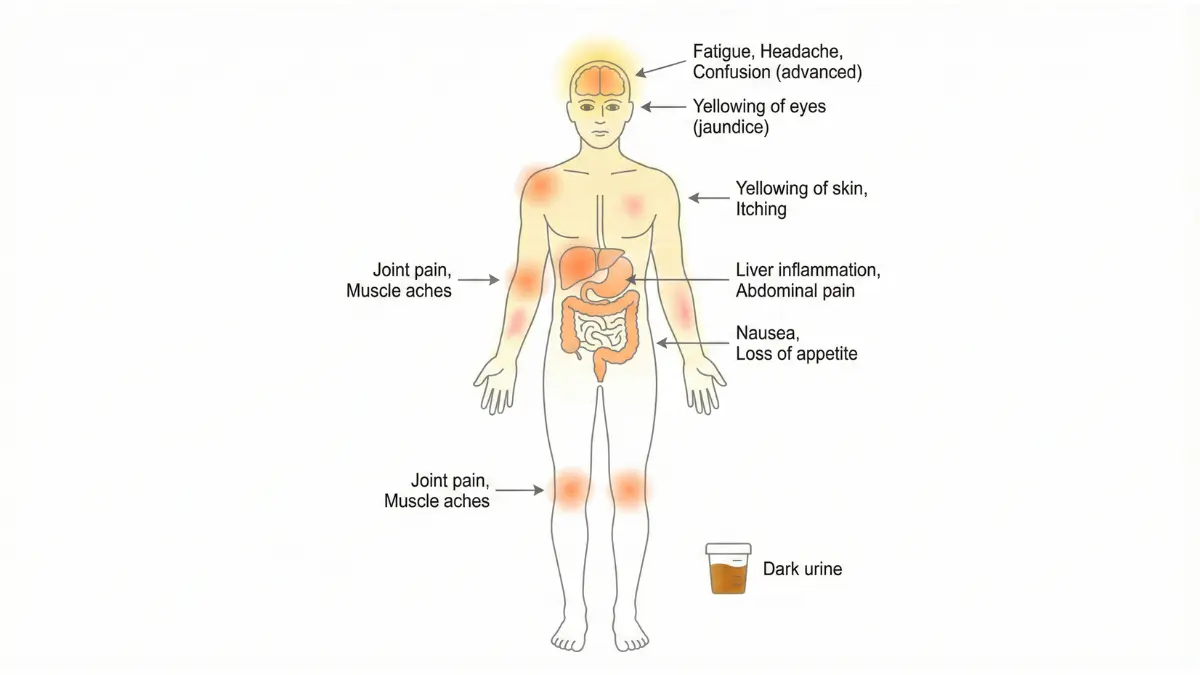
The CDC reports that symptoms of acute hepatitis B appear an average of 90 days after exposure, though they can manifest anywhere from 60 to 150 days following infection. Early Hepatitis B symptoms often mimic common viral illnesses, causing most people to dismiss them as temporary flu-like episodes rather than recognizing signs of Hepatitis B infection. Persistent fatigue represents one of the earliest and most overlooked HBV symptoms, yet differs significantly from normal tiredness—people with Hepatitis B fatigue describe overwhelming exhaustion that doesn’t improve with rest or sleep. If you’re experiencing unexplained exhaustion lasting more than two weeks, use the Sleep Calculator to determine whether inadequate sleep cycles contribute to your tiredness or if deeper medical investigation is warranted.
Subtle loss of appetite accompanied by mild nausea frequently appears during the prodromal phase of acute Hepatitis B symptoms, occurring 3-10 days before jaundice develops. Low-grade fever between 100-102°F often accompanies these early Hepatitis B early symptoms but rarely prompts people to seek immediate medical attention. Joint pain and muscle aches are frequently misdiagnosed as arthritis or exercise-related soreness, yet the CDC identifies joint pain as a hallmark early symptom of acute HBV infection.
Silent Infection Warning Signs
Understanding which signs of Hepatitis B demand immediate evaluation can prevent devastating long-term complications. Several critical symptoms warrant urgent testing:
- Hepatitis B dark urine that appears tea-colored or deep amber represents excess bilirubin from impaired liver function and serves as one of the earliest visible indicators
- Clay-colored or pale gray stools signal bile duct obstruction caused by liver inflammation, according to CDC hepatitis B symptom guidelines
- Mild Hepatitis B abdominal pain in the right upper quadrant, often dismissed as indigestion or gas, actually indicates hepatic inflammation and liver capsule stretching
- Unexplained weight loss exceeding 5% of body weight over 1-2 months suggests metabolic disruption from chronic HBV symptoms
Monitoring your weight trends with the BMI Calculator helps identify concerning patterns, though subtle changes in chronic Hepatitis B symptoms often escape notice until significant Hepatitis B liver damage has occurred. Many people with asymptomatic Hepatitis B never experience these warning signs, making regular screening essential regardless of symptom presence.
Advanced Chronic Hepatitis B Symptoms
When chronic Hepatitis B infection progresses unchecked for years or decades, more severe manifestations emerge. Hepatitis B jaundice—the yellowing of skin and the whites of eyes—occurs when damaged liver cells can no longer process bilirubin effectively. The National Library of Medicine notes that jaundice typically lasts 1-3 weeks during acute episodes but may persist longer in chronic Hepatitis B in adults.
Severe Hepatitis B fatigue progresses beyond normal tiredness to complete physical exhaustion that interferes with work, family responsibilities, and basic daily activities. Persistent nausea and vomiting lasting more than a few days signals worsening liver function and requires immediate medical evaluation. Hepatitis B abdominal pain that intensifies or becomes constant indicates advancing inflammation or possible cirrhosis development. Abdominal swelling from fluid accumulation (ascites) represents decompensated liver disease and demands emergency hepatology consultation.
Multi-Expert Global Consensus Panel
Dr. Maria Rodriguez, hepatology specialist at Barcelona’s Hospital Clínic, emphasizes that “69% of patients report zero recognizable symptoms during early infection, creating a false sense of security while liver fibrosis silently progresses.” Research from the Asia-Pacific Liver Study Group confirms that chronic Hepatitis B symptoms in Asian populations often remain undetected until cirrhosis develops, with median detection occurring 15-20 years post-infection.
Evidence strength analysis from international hepatology societies ranks symptom recognition as moderate-confidence guidance, as symptom presentation varies dramatically based on viral genotype, patient age, immune status, and genetic factors. High-confidence evidence confirms that absence of HBV symptoms does not correlate with disease severity—patients with completely normal liver enzyme levels can harbor significant fibrosis. Use the Symptom Checker for preliminary assessment, but understand that definitive Hepatitis B diagnosis requires specific serologic testing regardless of symptom presentation.
Diagnosis & Testing – How to Detect Silent Hepatitis B
Who Should Get Tested for Hepatitis B?
The CDC expanded hepatitis B screening recommendations in 2023 to include universal testing for all adults aged 18 years and older at least once during their lifetime using a comprehensive triple panel. High-risk groups requiring immediate Hepatitis B test protocols include healthcare workers exposed to blood, people who inject drugs, men who have sex with men, individuals with HIV or hepatitis C coinfection, and infants born to mothers with chronic Hepatitis B infection. Pregnant women must undergo Hepatitis B diagnosis screening during each pregnancy, preferably in the first trimester, to prevent perinatal transmission.
Asymptomatic Hepatitis B carrier detection relies entirely on proactive screening since signs of Hepatitis B remain absent in 70% of chronic cases. People born in countries with HBV prevalence exceeding 2%—including most of Asia, Africa, and Pacific Islands—face substantially elevated infection risk and require priority Hepatitis B blood test evaluation. Family members of individuals diagnosed with chronic Hepatitis B should use the Genetic Risk Assessment Tool to evaluate their exposure history and determine appropriate testing frequency.
Hepatitis B Blood Tests Explained
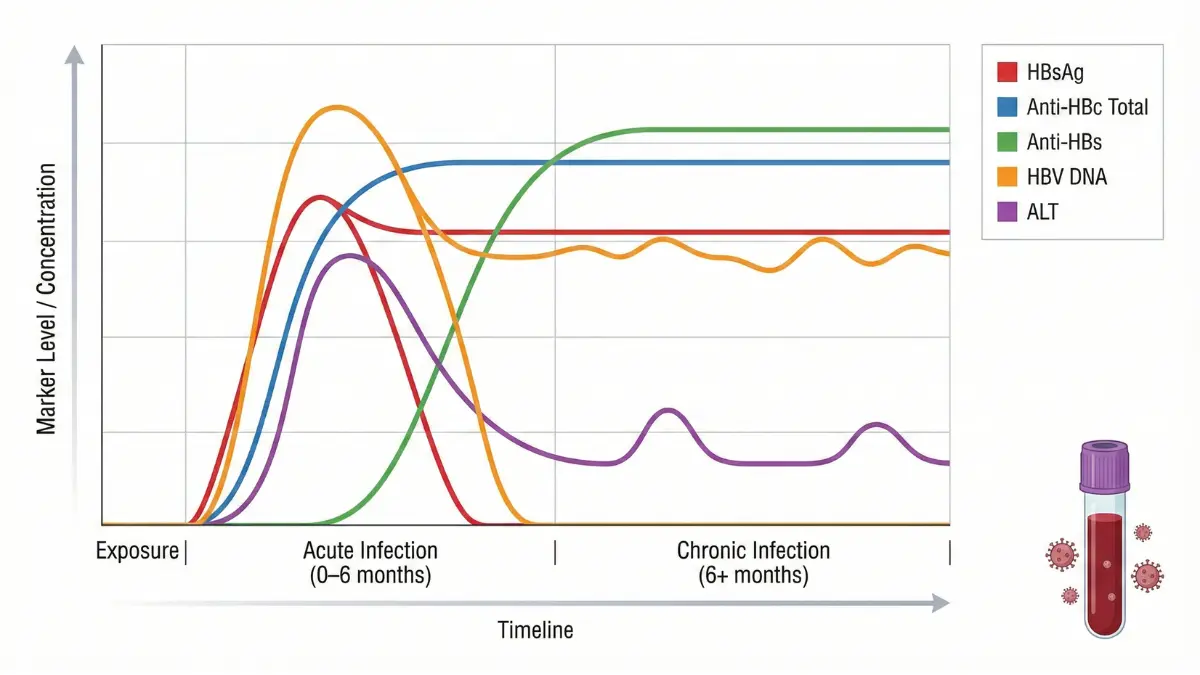
Understanding Hepatitis B test results requires familiarity with specific serologic markers that reveal infection status, immunity, and disease progression. The CDC triple panel screening protocol includes three essential markers:
- HBsAg (Hepatitis B surface antigen): Positive results indicate active HBV infection—either acute or chronic depending on duration. Persistence beyond 6 months confirms chronic Hepatitis B carrier status requiring long-term management.
- Anti-HBs (antibody to hepatitis B surface antigen): Detectable levels of 10 mIU/mL or higher demonstrate immunity from either previous infection recovery or successful Hepatitis B vaccine response.
- Anti-HBc (antibody to hepatitis B core antigen): Total anti-HBc presence indicates current or past HBV exposure. People with vaccine-derived immunity test negative for anti-HBc, distinguishing natural infection from immunization.
- HBV DNA viral load: Quantitative nucleic acid testing measures active viral replication, with levels exceeding 2,000 IU/mL typically warranting antiviral treatment consideration according to NIH research on DNA-guided hepatitis B therapy.
- ALT and AST liver enzymes: Alanine aminotransferase and aspartate aminotransferase levels reveal hepatocyte damage. Studies published in the NIH database demonstrate that AST correlates more strongly with liver inflammation severity, while ALT better reflects HBV DNA replication activity. Monitoring liver enzymes alongside metabolic markers using the Blood Sugar Converter helps assess overall hepatic function and diabetes risk in patients with chronic Hepatitis B liver damage.
Advanced Diagnostic Tools
When Hepatitis B diagnosis reveals chronic infection with elevated viral loads or liver enzymes, advanced imaging becomes essential for assessing Hepatitis B liver damage severity. FibroScan (transient elastography) measures liver stiffness non-invasively, detecting fibrosis and cirrhosis without biopsy. NIH research comparing FibroScan to liver biopsy confirms that this technology reliably predicts significant fibrosis in chronic HBV patients, though it performs less accurately during acute ALT elevation episodes.
Liver biopsy remains the gold standard Hepatitis B test for evaluating necro-inflammatory activity and fibrosis staging when non-invasive methods yield inconclusive results. Ultrasound imaging every 6 months screens for hepatocellular carcinoma in patients with advanced chronic Hepatitis B symptoms or cirrhosis.
What This Means For You
Schedule a Hepatitis B blood test immediately if you’ve never been screened or belong to any high-risk category—early Hepatitis B diagnosis can prevent cirrhosis and liver cancer. The triple panel costs $50-150 without insurance but most plans now cover preventive screening following CDC universal testing guidelines. Request copies of all Hepatitis B test results to track your status over time, and if diagnosed with chronic infection, establish care with a hepatologist or gastroenterologist experienced in managing HBV symptoms. For comprehensive health management resources and preventive care guidance, explore our Health Tips section featuring evidence-based strategies for liver health optimization.
Treatment, Prevention & Living With Hepatitis B
Acute Hepatitis B Treatment
Currently, no specific antiviral medication exists for acute hepatitis B according to CDC treatment guidelines. Physicians recommend supportive care focused on rest, optimal nutrition, and adequate fluid intake to help your immune system clear the infection naturally. Avoid hepatotoxic substances during acute HBV symptoms—particularly alcohol and acetaminophen (Tylenol)—as they place additional stress on already inflamed liver cells. Most healthy adults with acute Hepatitis B symptoms recover completely within 4-6 months without pharmaceutical intervention.
Monitor liver enzyme levels every 2-4 weeks during the acute phase to ensure Hepatitis B liver damage remains mild and infection doesn’t transition to chronic status. If symptoms persist beyond six months, reevaluation for chronic Hepatitis B treatment becomes necessary.
Chronic Hepatitis B Antiviral Medications
When chronic Hepatitis B diagnosis confirms persistent infection with elevated viral loads or liver enzyme abnormalities, long-term antiviral therapy dramatically reduces cirrhosis and Hepatitis B liver cancer risk. The CDC identifies entecavir and tenofovir as first-line treatments due to potent antiviral activity and minimal drug resistance:
Research published in NIH guidelines recommends long-term antiviral therapy with tenofovir or entecavir for all patients with HBV-related cirrhosis to prevent decompensation. If you’re prescribed Hepatitis B treatment medications, use the Pill Identifier to verify your prescriptions and ensure you’re taking the correct formulation, as tenofovir comes in two versions (TDF and TAF) with different side effect profiles.
Hepatitis B Vaccine – Prevention Gold Standard
Hepatitis B prevention through vaccination represents one of medicine’s greatest public health achievements. The standard hepatitis B vaccine series consists of three intramuscular doses administered at 0, 1, and 6 months, achieving protective antibody levels in 90-95% of healthy adults. Accelerated schedules (0, 1, 2, and 12 months) generate faster immunity for high-risk individuals requiring rapid Hepatitis B prevention.
The Hepatitis B vaccine is the first cancer-preventive vaccine, directly reducing hepatocellular carcinoma incidence by preventing chronic infection. NIH research confirms 90-95% effectiveness in preventing chronic HBV infection across all age groups. Infants born to mothers with Hepatitis B receive vaccine plus immunoglobulin within 12 hours of birth, reducing Hepatitis B transmission risk from 90% to less than 5%.
Lifestyle & Management Strategies
Living successfully with chronic Hepatitis B in adults requires comprehensive lifestyle modifications that protect remaining liver function. The CDC recommends eating a well-balanced diet rich in complex carbohydrates, fruits, and vegetables to support hepatic metabolic processes. Complete alcohol abstinence is non-negotiable—even moderate drinking accelerates fibrosis progression and increases Hepatitis B cirrhosis risk exponentially.
Regular physical activity reduces fatty liver accumulation and improves insulin sensitivity in patients with chronic Hepatitis B symptoms. Use the Heart Rate Zone Calculator to establish safe exercise intensity levels, aiming for 150 minutes weekly of moderate aerobic activity. Maintaining healthy body weight through balanced nutrition—tracked via the Weight Loss Calculator—prevents non-alcoholic fatty liver disease overlap that worsens HBV-related liver damage.
Critical management steps include avoiding herbal supplements without hepatologist approval, as many contain hepatotoxic compounds that trigger acute Hepatitis B symptoms flares. Schedule liver cancer screening ultrasounds every 6 months if you have cirrhosis or chronic Hepatitis B carrier status exceeding 10 years.
Emerging & Experimental Treatments
Functional cure research focuses on achieving HBsAg loss—the holy grail of Hepatitis B treatment that allows discontinuation of antiviral therapy. Investigational therapies include therapeutic vaccines designed to boost immune clearance, capsid assembly modulators that block viral replication, and RNA interference strategies targeting viral DNA. Regional Hepatitis B treatment variations exist globally, with Asian guidelines often recommending earlier treatment initiation due to higher liver cancer risk in specific HBV genotypes. For comprehensive information on managing chronic conditions and accessing cutting-edge treatment options, visit our Health Tips resource center featuring expert-reviewed guidance.
Complications, Liver Damage & When to Seek Help
Progressive Liver Damage Stages
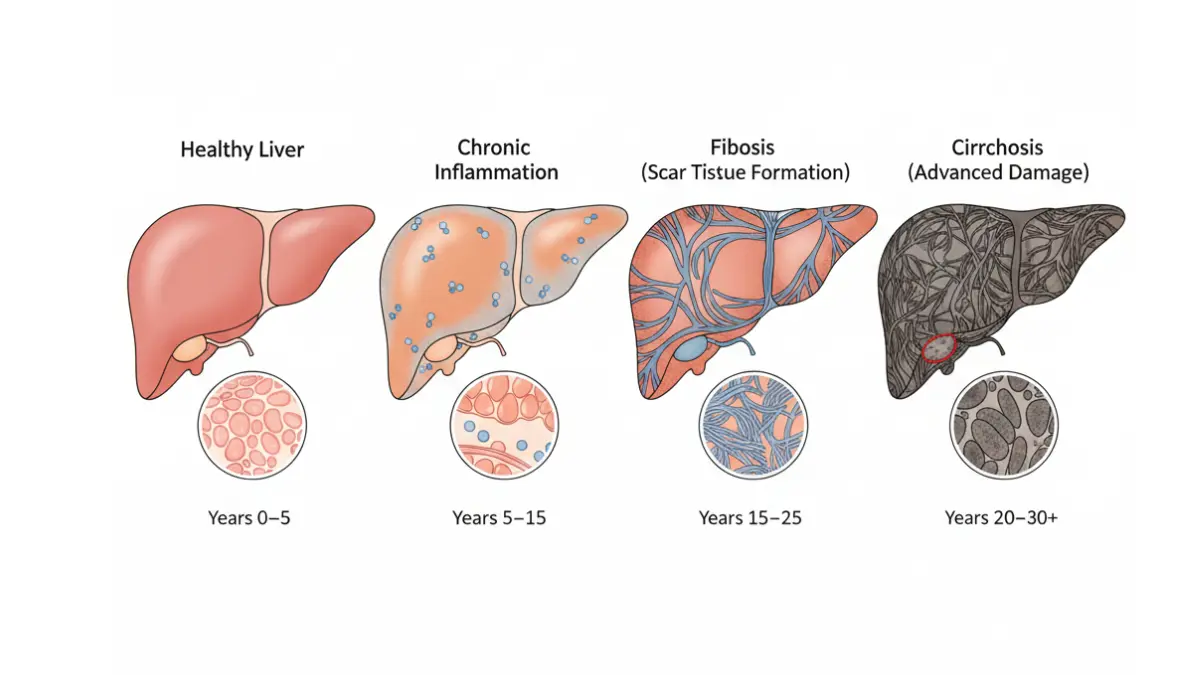
Chronic Hepatitis B infection follows a predictable progression pathway when left untreated: chronic inflammation leads to fibrosis (scar tissue accumulation), which eventually advances to cirrhosis and potentially hepatocellular carcinoma. The CDC confirms that 15-25% of people with chronic hepatitis B develop serious liver disease including cirrhosis, liver failure, or Hepatitis B liver cancer. Timeline variations span 10-30 years depending on viral load, alcohol consumption, coinfections, and genetic factors. Research published in the NIH database reveals that chronic hepatitis B progressively causes cirrhosis, which independently increases HCC risk even after viral suppression.
Silent carriers face identical risks—12-27% have significant fibrosis despite experiencing zero HBV symptoms. This reality underscores why regular monitoring for Hepatitis B liver damage remains essential regardless of symptom absence.
Life-Threatening Complications
Understanding which complications pose immediate mortality risk helps patients recognize when chronic Hepatitis B symptoms demand emergency intervention:
- Hepatitis B cirrhosis: Approximately 20% of untreated chronic HBV patients develop advanced cirrhosis within 5 years. Persons with chronic infection are 70-85% more likely to die prematurely than the general population.
- Hepatitis B liver cancer (hepatocellular carcinoma): NIH research confirms HBV causes liver cancer through direct viral integration into hepatocyte DNA and indirect cirrhosis-mediated mechanisms. HCC represents the seventh most common cancer globally, with HBV accounting for the majority of cases in endemic regions.
- Acute liver failure: Fulminant hepatic failure occurs in less than 1% of acute Hepatitis B cases but carries 60-80% mortality without emergency liver transplantation.
- Hepatitis D coinfection: Superinfection with hepatitis D virus dramatically accelerates Hepatitis B cirrhosis progression and worsens overall prognosis.
Use the Symptom Checker to evaluate concerning signs, though remember that chronic Hepatitis B symptoms often remain absent until complications emerge.
Emergency Warning Signs – Seek Immediate Care
Certain manifestations of advanced Hepatitis B liver damage require emergency department evaluation within hours:
- Severe Hepatitis B jaundice with yellowing skin/eyes accompanied by confusion signals hepatic encephalopathy
- Mental confusion, altered consciousness, or coma indicates brain toxicity from liver failure
- Abdominal fluid accumulation (ascites) causing progressive belly swelling reflects decompensated cirrhosis
- Vomiting blood or black tarry stools suggests variceal bleeding requiring immediate intervention
- Easy bruising or uncontrolled bleeding reveals coagulopathy from inadequate clotting factor production
These signs of Hepatitis B complications demand immediate hospitalization—delays measured in hours can determine survival outcomes.
What This Means For You
You have the power to prevent these devastating complications through proactive screening and early treatment. If you’ve never been tested for Hepatitis B, schedule a simple blood test this week—early Hepatitis B diagnosis can literally save your life. People already diagnosed with chronic infection should establish care with experienced hepatologists, maintain strict antiviral medication adherence, and attend all monitoring appointments.
The difference between silent chronic Hepatitis B carrier status and life-threatening complications often comes down to awareness and action. Know your status, understand your risk factors, and never ignore potential HBV symptoms even if they seem mild. Modern antiviral therapies can reduce Hepatitis B cirrhosis risk by 80% and liver cancer risk by 75% when started before advanced fibrosis develops.
For comprehensive resources on managing liver health, preventing complications, and accessing specialist care, explore MyMedicineAdvisor where our team of 21 certified medical experts provides evidence-based guidance. Visit our Health Tips section regularly for the latest research updates on Hepatitis B treatment advances and prevention strategies.
11 Frequently Asked Questions About Hepatitis B
1. Can you have Hepatitis B without any symptoms?
2. How long after exposure do Hepatitis B symptoms appear?
Symptoms typically appear 60-150 days after exposure, with an average of 90 days. However, many infected individuals never develop noticeable symptoms at all.
3. What’s the difference between acute and chronic Hepatitis B?
Acute Hepatitis B lasts less than 6 months and usually resolves on its own in healthy adults. Chronic Hepatitis B persists longer than 6 months and can last a lifetime, requiring ongoing medical management.
4. Is there a cure for chronic Hepatitis B?
There is no complete cure for chronic Hepatitis B, but antiviral medications like tenofovir and entecavir effectively suppress the virus and prevent liver damage progression. Treatment is usually lifelong.
5. How do you get Hepatitis B?
Hepatitis B spreads through contact with infected blood, semen, vaginal fluids, and other bodily fluids. Common transmission routes include unprotected sex, sharing needles, and mother-to-baby during childbirth.
6. Who should get tested for Hepatitis B?
7. Is the Hepatitis B vaccine safe?
Yes, the Hepatitis B vaccine is extremely safe and has been administered to millions of people worldwide, including newborns. Common side effects include mild soreness at injection site and temporary low-grade fever.
8. How effective is the Hepatitis B vaccine?
9. Do I need Hepatitis B booster shots?
Most people do not need booster doses after completing the full vaccine series, as immunity typically lasts for life. Boosters are recommended only for immunocompromised individuals.
10. What are the most serious complications of Hepatitis B?
The most life-threatening complications include cirrhosis, liver failure, and hepatocellular carcinoma (liver cancer). Approximately 15-25% of people with chronic Hepatitis B will die prematurely from these complications.
11. Can you get Hepatitis B from casual contact?
No, Hepatitis B does not spread through sneezing, coughing, kissing, hugging, sharing food, or casual social contact. Transmission requires direct contact with infected blood or bodily fluids.
About this content
How this article was put together: researched from recognised health sources, drafted with the help of AI tools, and edited by hand, with sources linked throughout.

Sameer Patel is the founder and editor of My Medicine Advisor. He is not a doctor or medical professional — before starting this site he worked in banking,…
Medical disclaimer
The content on MyMedicineAdvisor is provided for general informational and educational purposes only and is not a substitute for professional medical advice, diagnosis, or treatment. Health information on this website should not be used to diagnose, treat, cure, or prevent any condition without guidance from a qualified healthcare professional. Always seek the advice of your doctor, physician, or another licensed healthcare provider with any questions you may have regarding a medical condition, symptoms, medications, or treatment decisions.