On This Page – Quick Medical Summary
To prevent heart disease, focus on three critical actions: adopt a heart-healthy diet rich in fruits and vegetables, exercise at least 150 minutes weekly, and quit smoking immediately. These lifestyle modifications can reduce your cardiovascular disease risk by up to 80 percent, according to research from Johns Hopkins University.
When Michael Chen, a 52-year-old software engineer from California, felt persistent chest discomfort during his morning walks, he initially dismissed it as stress. His symptom checker results and subsequent medical evaluation revealed he had three major heart disease risk factors: high blood pressure, elevated cholesterol, and a family history of cardiovascular disease. Rather than facing inevitable decline, Michael transformed his health through evidence-based prevention strategies. Within 18 months, his LDL cholesterol dropped from 189 mg/dL to 98 mg/dL, his blood pressure normalized from 152/94 to 118/76 mmHg, and he lost 42 pounds using a structured calorie deficit calculator approach.
Heart disease remains the leading cause of death globally, claiming one life every 34 seconds in the United States alone, with 919,032 deaths recorded in 2023 according to CDC data. This translates to approximately 1 in every 3 deaths nationwide. The encouraging reality: about 80% of heart disease cases are preventable through lifestyle modifications and risk factor management.
Coronary heart disease, the most common type affecting approximately 5% of U.S. adults, develops when plaque buildup narrows the arteries supplying blood to your heart. This silent progression often shows no heart disease symptoms until a heart attack occurs, making prevention strategies critically important. Understanding how to prevent heart disease naturally through diet, exercise, stress management, and other evidence-based interventions can dramatically lower heart disease risk regardless of your current health status.
Disclaimer: This article is for educational purposes only and does not constitute medical advice. Always consult with a qualified healthcare provider before making significant changes to your health regimen, especially if you have existing cardiovascular conditions or heart disease risk factors.
The following sections detail 15 scientifically validated ways to prevent heart disease, backed by international research from institutions including Harvard Medical School, the National Institutes of Health, and cardiovascular disease prevention programs worldwide. Each strategy includes specific action steps, evidence strength ratings, and practical “What This Means For You” guidance to help you implement heart disease prevention tips into your daily routine.
Understanding Heart Disease – Types, Risk Factors & Warning Signs
What Is Heart Disease and Why Prevention Matters
Heart disease encompasses multiple conditions affecting the cardiovascular system, with coronary artery disease representing the most common type in the United States, claiming 371,506 lives in 2022 alone. Understanding these distinct conditions and their underlying heart disease risk factors empowers you to implement targeted prevention strategies that can dramatically reduce your likelihood of developing cardiovascular complications.
Types of Heart Disease
| Type | Description | Prevalence | Key Risk |
|---|---|---|---|
| Coronary Artery Disease (CAD) | Plaque buildup narrows arteries supplying the heart | Most common; affects 5% of U.S. adults | Heart attack, chest pain |
| Heart Failure | Heart cannot pump blood efficiently | 6.7 million U.S. adults | Fluid buildup, fatigue |
| Arrhythmia | Irregular heartbeat patterns | Atrial fibrillation affects 12.1 million by 2030 | Stroke, blood clots |
| Heart Valve Disease | Valves don’t open/close properly | Affects 2.5% of population | Shortness of breath, fatigue |
Atherosclerosis, the underlying process where cholesterol deposits accumulate in arterial walls, drives most coronary heart disease cases. This silent progression often advances for decades before producing noticeable heart disease symptoms, making understanding signs of heart disease critically important for early intervention.

Heart Disease Risk Factors You Can Control
Heart disease risk factors divide into two categories: modifiable and non-modifiable. Non-modifiable factors include age, biological sex, family history, and genetic predisposition—elements you can assess using a genetic risk assessment tool to understand your baseline vulnerability. Conditions like metabolic syndrome significantly amplify cardiovascular disease risk through clustering of multiple risk factors.
Modifiable risk factors you can actively control include:
- Smoking and tobacco use – increases risk 2-4 times
- High blood pressure – damages arterial walls; learn to lower blood pressure naturally
- High cholesterol levels – particularly elevated LDL cholesterol
- Physical inactivity – less than 150 minutes weekly exercise
- Obesity and excess weight – assess your status with a BMI calculator
- Diabetes – doubles heart disease risk
- Unhealthy diet – high in saturated fats, sodium, processed foods
- Excessive alcohol consumption – more than 1-2 drinks daily
- Chronic stress and poor mental health – elevates cortisol and inflammation
Research published in the NIH’s PMC database examining 155,722 participants across multiple countries identified that behavioural and metabolic risk factors collectively account for the majority of preventable cardiovascular disease cases worldwide.
Heart Attack Symptoms and Heart Disease Warning Signs
Recognizing heart attack symptoms can save your life, particularly since presentations differ significantly between men and women. While chest pain remains the hallmark symptom in men, NIH research reveals that 43% of women experience heart attacks without chest discomfort.
Common heart disease warning signs include:
- Chest discomfort – pressure, squeezing, fullness, or pain lasting more than a few minutes
- Shortness of breath – may occur with or without chest discomfort (most common in women at 57.9%)
- Unusual fatigue – extreme tiredness unrelated to exertion, especially in women
- Upper body pain – discomfort in arms, back, neck, jaw, or stomach
- Nausea, lightheadedness, or cold sweats – more prevalent in female patients
Understanding the silent signs of conditions like myocardial infarction becomes essential, as prodromal symptoms can appear weeks before an acute event. Women frequently report unusual fatigue, sleep disturbances, and shortness of breath in the month preceding a heart attack.
What This Means For You: If you experience any combination of these heart disease symptoms, particularly persistent chest discomfort or unexplained shortness of breath, seek immediate medical evaluation. Use our symptom checker as an initial assessment tool, but never delay emergency care for potentially life-threatening symptoms. Early recognition of signs of heart disease dramatically improves outcomes and survival rates.
15 Proven Strategies to Prevent Heart Disease Naturally
Implementing evidence-based heart disease prevention strategies can reduce your cardiovascular disease risk by up to 80 percent. These 15 ways to prevent heart disease combine dietary modifications, physical activity, lifestyle changes, and preventive health measures backed by international research and clinical guidelines.
1. Adopt a Heart Healthy Diet: Mediterranean & DASH Patterns
Evidence Strength: HIGH ⭐⭐⭐
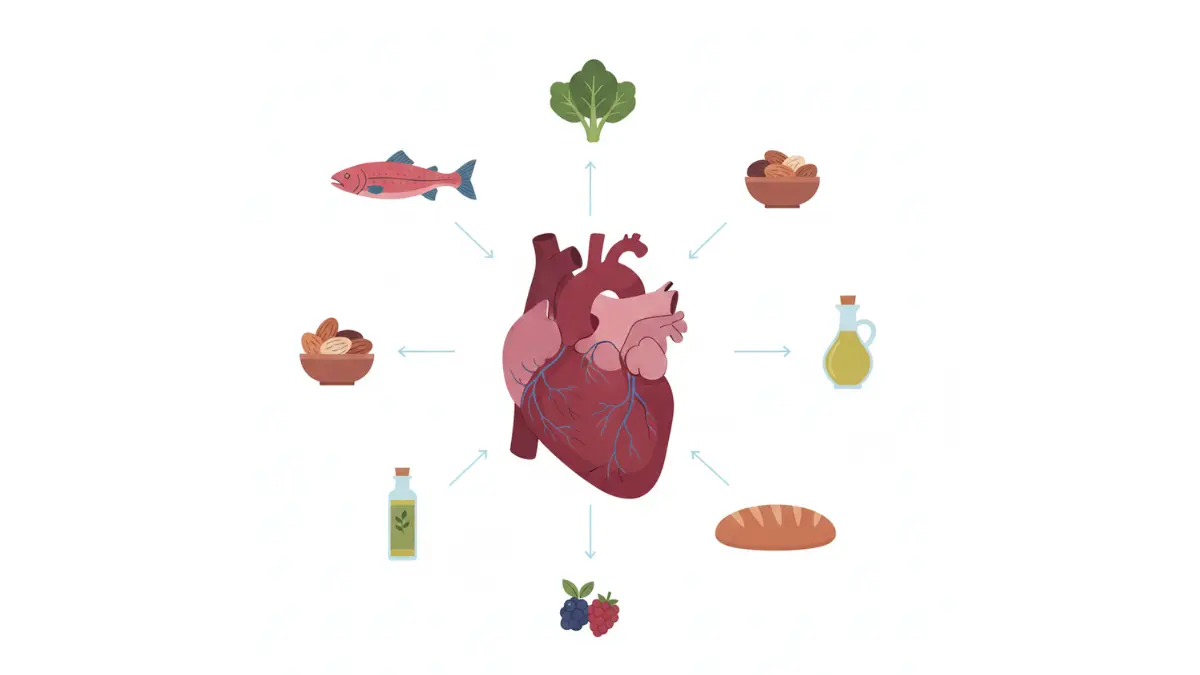
The Mediterranean diet reduces cardiovascular disease risk by 30% according to landmark NIH-supported research, making it one of the most effective dietary approaches to prevent heart disease naturally. This eating pattern emphasizes olive oil, nuts, fish, whole grains, legumes, and abundant vegetables while limiting red meat and processed foods.
How it works: Monounsaturated fats from olive oil reduce LDL cholesterol and inflammation, while antioxidants from plant foods protect arterial walls from oxidative damage. The DASH (Dietary Approaches to Stop Hypertension) diet similarly lowers blood pressure through increased potassium, magnesium, and fiber intake.
Action steps to prevent heart disease:
- Consume 4-5 servings of vegetables and fruits daily
- Replace butter with extra virgin olive oil (2-3 tablespoons daily)
- Eat fatty fish (salmon, mackerel, sardines) 2-3 times weekly
- Choose whole grains over refined carbohydrates
- Limit red meat to once weekly; prioritize plant proteins
- Track your nutritional intake using a macro calculator to ensure balanced macronutrient ratios
What This Means For You: Switching from a typical Western diet to Mediterranean-style eating can lower your heart disease risk factors within 3-6 months, with measurable improvements in cholesterol levels and blood pressure.
2. Exercise to Prevent Heart Disease: The 150-Minute Rule
Evidence Strength: HIGH ⭐⭐⭐
Physical inactivity nearly doubles your heart disease risk, while regular exercise strengthens your cardiovascular system and improves multiple heart disease risk factors simultaneously. The National Heart, Lung, and Blood Institute recommends at least 150 minutes of moderate-intensity aerobic activity weekly, or 75 minutes of vigorous activity.
How it works: Exercise increases HDL (good) cholesterol, reduces triglycerides, lowers blood pressure, improves insulin sensitivity, promotes healthy weight, and enhances endothelial function. Aerobic exercise strengthens your heart muscle, while resistance training builds metabolic efficiency.
Action steps for cardiovascular disease prevention:
- Walk briskly for 30 minutes, 5 days per week (moderate intensity)
- Use a heart rate zone calculator to train in Zone 2 (60-70% maximum heart rate) for optimal cardiovascular benefits
- Add strength training 2-3 days weekly to reduce heart disease risk
- Track running progress with a pace calculator if you prefer jogging
- Break activity into 10-minute segments if needed—all movement counts
What This Means For You: Even if you’ve been sedentary for years, starting a walking program today can reduce heart disease risk factors within 4-6 weeks, with continuing improvements over months.
3. Quit Smoking to Reduce Heart Disease Risk
Evidence Strength: HIGH ⭐⭐⭐
Smoking increases heart attack risk 2-4 times compared to non-smokers. The CDC confirms that cardiovascular benefits of smoking cessation begin within hours, with heart disease risk dropping sharply 1-2 years after quitting.
Timeline of cardiovascular benefits after quitting:
- 20 minutes: Heart rate and blood pressure begin to drop
- 12 hours: Carbon monoxide levels normalize
- 1-2 years: Heart attack risk drops sharply
- 3-6 years: Coronary heart disease risk reduced by half
- 15 years: Heart disease risk approaches that of never-smokers
Action steps to avoid heart disease:
- Set a quit date within the next 2 weeks
- Use nicotine replacement therapy or prescription medications
- Join support groups or cessation programs
- Avoid triggers and develop new coping strategies
- Consider counseling for stress management techniques
4. Manage Blood Pressure to Prevent High Blood Pressure Heart Disease
Evidence Strength: HIGH ⭐⭐⭐
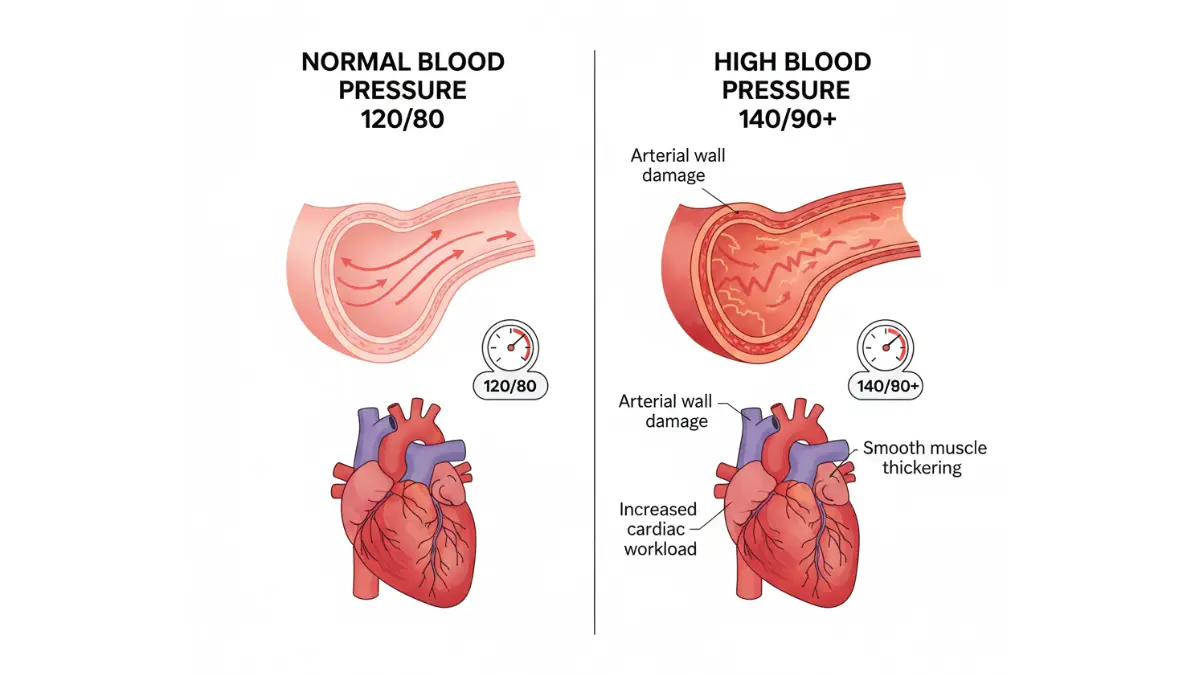
Hypertension damages arterial walls, forcing your heart to work harder and accelerating atherosclerosis. Maintaining blood pressure below 120/80 mmHg represents one of the most critical ways to prevent heart disease and stroke.
Action steps for blood pressure control:
- Reduce sodium intake to less than 2,300 mg daily (ideally 1,500 mg)
- Implement DASH diet principles with potassium-rich foods
- Exercise regularly to naturally lower blood pressure
- Limit alcohol to 1 drink (women) or 2 drinks (men) daily
- Manage stress through meditation and relaxation techniques
- Monitor blood pressure at home weekly
5. Control Cholesterol and Heart Disease Risk
Evidence Strength: HIGH ⭐⭐⭐
Elevated LDL cholesterol creates plaque deposits that narrow coronary arteries. Target levels: LDL below 100 mg/dL, HDL above 40 mg/dL (men) or 50 mg/dL (women), triglycerides below 150 mg/dL.
Action steps for heart disease prevention:
- Increase soluble fiber (oats, beans, apples) to bind cholesterol
- Consume plant sterols and stanols (2 grams daily)
- Eliminate trans fats completely from your diet
- Consider statin therapy if lifestyle changes prove insufficient
- Get lipid panels checked every 4-6 years (more frequently if abnormal)
6. Maintain Healthy Weight to Lower Heart Disease Risk
Evidence Strength: HIGH ⭐⭐⭐
Obesity increases heart disease risk through multiple pathways: elevated blood pressure, abnormal cholesterol, insulin resistance, and systemic inflammation. Even a 5-10% weight reduction significantly improves cardiovascular health.
Target ranges to prevent heart disease:
- BMI: 18.5-24.9 (check your status with our BMI calculator)
- Waist circumference: Less than 35 inches (women) or 40 inches (men)
- Body fat percentage: 25-31% (women), 18-24% (men) using a body fat calculator
Action steps for heart disease prevention lifestyle:
- Create a 500-750 calorie daily deficit for gradual weight loss
- Use our weight loss calculator to set realistic goals and timelines
- Combine dietary changes with increased physical activity
- Track progress weekly, adjusting strategies as needed
7. Manage Diabetes to Reduce Heart Disease Risk
Evidence Strength: HIGH ⭐⭐⭐
Diabetes doubles or triples cardiovascular disease risk by damaging blood vessels and accelerating atherosclerosis. Adults with diabetes account for disproportionately high rates of heart disease complications.
Action steps for preventing heart attacks:
- Maintain A1C levels below 7% (individualized targets may vary)
- Monitor blood glucose regularly and track patterns
- Follow a consistent carbohydrate distribution throughout the day
- Exercise to improve insulin sensitivity
- Take medications as prescribed
- Use a blood sugar converter to understand different measurement units
8. Prioritize Quality Sleep for Heart Health
Evidence Strength: MODERATE ⭐⭐
Sleep deprivation (less than 6 hours) or excessive sleep (more than 9 hours) both correlate with increased heart disease risk. Sleep apnea, affecting 22 million Americans, dramatically elevates cardiovascular disease risk through repeated oxygen deprivation and stress hormone surges.
Action steps to prevent heart disease naturally:
- Aim for 7-9 hours nightly; use our sleep calculator to determine optimal bedtime
- Screen for sleep apnea if you snore loudly or experience daytime fatigue
- Maintain consistent sleep-wake schedules, even on weekends
- Create a cool, dark, quiet sleep environment
- Limit caffeine after 2 PM and screens before bedtime
9. Reduce Chronic Stress for Cardiovascular Disease Prevention
Evidence Strength: MODERATE ⭐⭐
Chronic stress elevates cortisol, increases blood pressure, promotes inflammation, and often leads to unhealthy coping behaviors like overeating or smoking. Managing psychological stress represents a crucial heart disease prevention strategy.
Action steps to lower heart disease risk:
- Practice 10-20 minutes daily of meditation, deep breathing, or progressive muscle relaxation
- Exercise regularly—physical activity directly counteracts stress hormones
- Seek professional support for anxiety management or depression treatment
- Build strong social connections and support networks
- Set boundaries to prevent work-life imbalance
10. Limit Alcohol Consumption
Evidence Strength: HIGH ⭐⭐⭐
While moderate alcohol shows some cardiovascular benefits in observational studies, excessive drinking damages the heart muscle, raises blood pressure, and contributes to obesity.
Safe limits for heart disease prevention:
- Women: Maximum 1 drink daily
- Men: Maximum 2 drinks daily
- One drink equals: 12 oz beer, 5 oz wine, or 1.5 oz spirits
11. Maintain Dental Health
Evidence Strength: EMERGING ⭐
Periodontal disease correlates with increased heart disease risk through chronic inflammation and bacterial translocation. Oral bacteria may directly infect arterial walls, contributing to atherosclerosis.
Action steps for ways to prevent heart disease:
- Brush twice daily with fluoride toothpaste
- Floss daily to remove plaque between teeth
- Visit dentist for professional cleanings twice yearly
- Address gum bleeding or inflammation promptly
12. Get Regular Health Screenings
Evidence Strength: HIGH ⭐⭐⭐
Early detection of heart disease risk factors enables intervention before irreversible damage occurs. Know your numbers—blood pressure, cholesterol, blood glucose, and BMI.
Recommended screening schedule:
- Blood pressure: Every 1-2 years (annually if elevated)
- Lipid panel: Every 4-6 years starting at age 20
- Blood glucose: Every 3 years starting at age 45
- BMI: At every healthcare visit
13. Consider Genetic Risk Assessment
Evidence Strength: MODERATE ⭐⭐
Family history of early heart disease (father or brother before age 55; mother or sister before age 65) increases your risk 2-3 times. Understanding genetic predisposition enables more aggressive prevention.
What This Means For You: If you have significant family history, use our genetic risk assessment tool to evaluate your vulnerability and discuss earlier or more frequent screenings with your physician.
14. Reduce Environmental Exposures
Evidence Strength: EMERGING ⭐
Air pollution, particularly fine particulate matter (PM2.5), increases heart disease risk through inflammation and oxidative stress. Long-term exposure to traffic-related pollutants correlates with accelerated atherosclerosis.
Action steps to prevent heart disease causes:
- Check air quality index daily and limit outdoor activity on high-pollution days
- Use HEPA air filters indoors
- Avoid exercising near heavy traffic
- Support clean air policies in your community
15. Stay Socially Connected
Evidence Strength: MODERATE ⭐⭐
Social isolation and loneliness increase heart disease risk by 29% and stroke risk by 32%. Strong social connections provide stress buffering, encourage healthy behaviors, and offer emotional support.
Action steps for heart disease prevention lifestyle:
- Maintain regular contact with family and friends
- Join community groups, clubs, or volunteer organizations
- Participate in group exercise classes
- Consider support groups if managing chronic conditions
What This Means For You: These 15 evidence-based strategies work synergistically—combining multiple approaches delivers greater heart disease prevention benefits than any single intervention alone. Start with 2-3 changes you can sustain, then gradually incorporate additional strategies over 3-6 months.
Heart Disease and Diet: Your Complete Nutrition Guide
Nutrition represents the cornerstone of heart disease prevention strategies, with DASH (Dietary Approaches to Stop Hypertension) earning recognition as the best heart-healthy diet from leading health organizations in 2025. This evidence-based eating pattern reduces blood pressure by 5-6 mmHg systolic and lowers LDL cholesterol by 11 mg/dL within weeks, making it one of the most effective ways to prevent heart disease through dietary modification.
Best Foods for Heart Health
Top 15 Heart-Protective Foods:
| Food | Key Nutrients | Daily/Weekly Amount | Benefit |
|---|---|---|---|
| Fatty fish (salmon, mackerel, sardines) | Omega-3 EPA/DHA | 2-3 servings weekly | Reduces triglycerides, inflammation |
| Leafy greens (spinach, kale) | Vitamin K, nitrates, antioxidants | 1-2 cups daily | Lowers blood pressure |
| Berries (blueberries, strawberries) | Anthocyanins, fiber | 1 cup daily | Reduces oxidative stress |
| Nuts (walnuts, almonds) | Unsaturated fats, protein | 1.5 oz (1 handful) daily | Improves cholesterol |
| Extra virgin olive oil | Monounsaturated fats | 2-3 tablespoons daily | Reduces inflammation |
| Whole grains (oats, quinoa, brown rice) | Soluble fiber, B vitamins | 3-5 servings daily | Lowers LDL cholesterol |
| Legumes (beans, lentils, chickpeas) | Protein, fiber, folate | 3-4 servings weekly | Improves blood sugar |
| Avocados | Monounsaturated fats, potassium | ½ avocado daily | Supports healthy cholesterol |
| Tomatoes | Lycopene, potassium | 1-2 servings daily | Reduces heart disease risk |
| Dark chocolate (70%+ cacao) | Flavonoids | 1 oz (28g) 2-3x weekly | Improves arterial function |
| Green tea | Catechins | 2-3 cups daily | Lowers LDL cholesterol |
| Flaxseeds/Chia seeds | Omega-3 ALA, fiber | 1-2 tablespoons daily | Reduces inflammation |
| Garlic | Allicin, sulfur compounds | 1-2 cloves daily | Lowers blood pressure |
| Low-fat yogurt | Probiotics, calcium | 1 cup daily | Supports gut-heart axis |
| Sweet potatoes | Beta-carotene, fiber | 3-4 servings weekly | Stabilizes blood sugar |
Foods to Avoid for Heart Disease Prevention
Limit or eliminate these to reduce heart disease risk:
- Trans fats – completely avoid partially hydrogenated oils
- Excess sodium – keep below 2,300 mg daily (1,500 mg optimal)
- Added sugars – limit to less than 25g (women) or 36g (men) daily
- Processed meats – bacon, sausage, deli meats increase risk 42%
- Red meat – limit to 1-2 servings weekly maximum
- Refined carbohydrates – white bread, pastries, sugary cereals
- Sugar-sweetened beverages – soda, energy drinks, sweetened coffee
Supplement Considerations
Omega-3 fatty acids: Research published in NIH’s PMC database shows omega-3 supplementation reduces cardiovascular mortality and adverse events, particularly EPA formulations. Consider 1-2 grams daily if you don’t consume fatty fish regularly.
Coenzyme Q10 (CoQ10): May benefit those taking statin medications (evidence: moderate).
Plant sterols/stanols: 2 grams daily can lower LDL cholesterol 5-15%.
What This Means For You: Focus on whole, minimally processed foods that prevent heart disease naturally rather than relying on supplements alone. Use an intermittent fasting calculator or keto calculator if you’re exploring specific eating patterns to enhance cardiovascular benefits, but prioritize food quality regardless of timing or macronutrient distribution.
Your 30-Day Heart Disease Prevention Action Plan
Transforming cardiovascular health requires structured implementation of heart disease prevention strategies. This progressive 30-day plan helps you establish sustainable habits to prevent heart disease naturally.
Weekly Progressive Goals
| Week | Focus Area | Specific Actions | Success Metric |
|---|---|---|---|
| Week 1 | Baseline & Diet | Start Mediterranean eating; eliminate trans fats; track meals | 5+ vegetable servings daily |
| Week 2 | Physical Activity | Walk 20 minutes daily; use water intake tracking | 140 minutes total exercise |
| Week 3 | Sleep & Stress | Establish consistent bedtime; practice 10-minute meditation | 7+ hours nightly sleep |
| Week 4 | Integration | Combine all habits; schedule health screening; assess progress | All targets maintained |
Real Patient Transformation Stories
Sarah Martinez, 58, Phoenix, AZ: After discovering elevated blood pressure (148/92 mmHg) and LDL cholesterol of 172 mg/dL during routine screening, Sarah committed to comprehensive heart disease prevention lifestyle changes. Over 12 months following a structured therapeutic lifestyle program, she achieved remarkable results documented in a prospective cardiovascular disease prevention study published by NIH: blood pressure normalized to 118/76 mmHg without medication changes, LDL cholesterol dropped to 98 mg/dL, weight decreased by 28 pounds, and she now walks 4 miles daily.
James Park, 63, San Francisco, CA: A Korean-American engineer with family history of coronary heart disease, James used our BMR calculator and ideal weight calculator to establish personalized targets. Through DASH diet adoption, smoking cessation, and regular strength training, his 10-year cardiovascular disease risk score decreased from 18.2% to 7.4% in 16 months. His transformation exemplifies how consistent application of multiple ways to prevent heart disease delivers compounding benefits.
What This Means For You: These documented patient outcomes demonstrate that preventing heart attacks through lifestyle modification produces measurable, clinically significant improvements within 3-6 months, with continuing benefits over time when habits remain consistent.
Frequently Asked Questions About Heart Disease Prevention
1. Can heart disease be reversed?
Yes, in many cases. Early-stage coronary artery disease can be partially reversed through aggressive lifestyle modifications including Mediterranean diet, regular exercise, smoking cessation, and stress management. Regression of atherosclerotic plaque has been documented with sustained lifestyle changes combined with optimal medical therapy.
2. At what age should I start prevention?
Immediately. Heart disease prevention begins in childhood, but benefits occur at any age. Adults should establish heart-healthy habits by age 20-30 and increase prevention intensity after age 40 when cardiovascular disease risk accelerates.
3. What’s the #1 way to prevent heart disease?
No single strategy dominates. The most effective approach combines Mediterranean or DASH diet patterns with 150+ minutes weekly exercise and smoking avoidance—this triad delivers the greatest risk reduction.
4. Do vitamins help prevent heart disease?
Most vitamin supplements show minimal cardiovascular benefit. Exceptions include omega-3 fatty acids (particularly EPA) for individuals not consuming fatty fish regularly. Focus on whole food sources rather than supplements.
5. Is coffee bad for your heart?
No. Moderate coffee consumption (3-5 cups daily) associates with lower heart disease risk in most studies. Excessive intake (6+ cups) may elevate blood pressure in sensitive individuals.
6. Can stress alone cause heart disease?
Chronic stress significantly contributes to cardiovascular disease through multiple pathways: elevated cortisol, increased blood pressure, inflammation, and unhealthy coping behaviors. Managing stress represents a legitimate heart disease prevention strategy.
7. How quickly can lifestyle changes help?
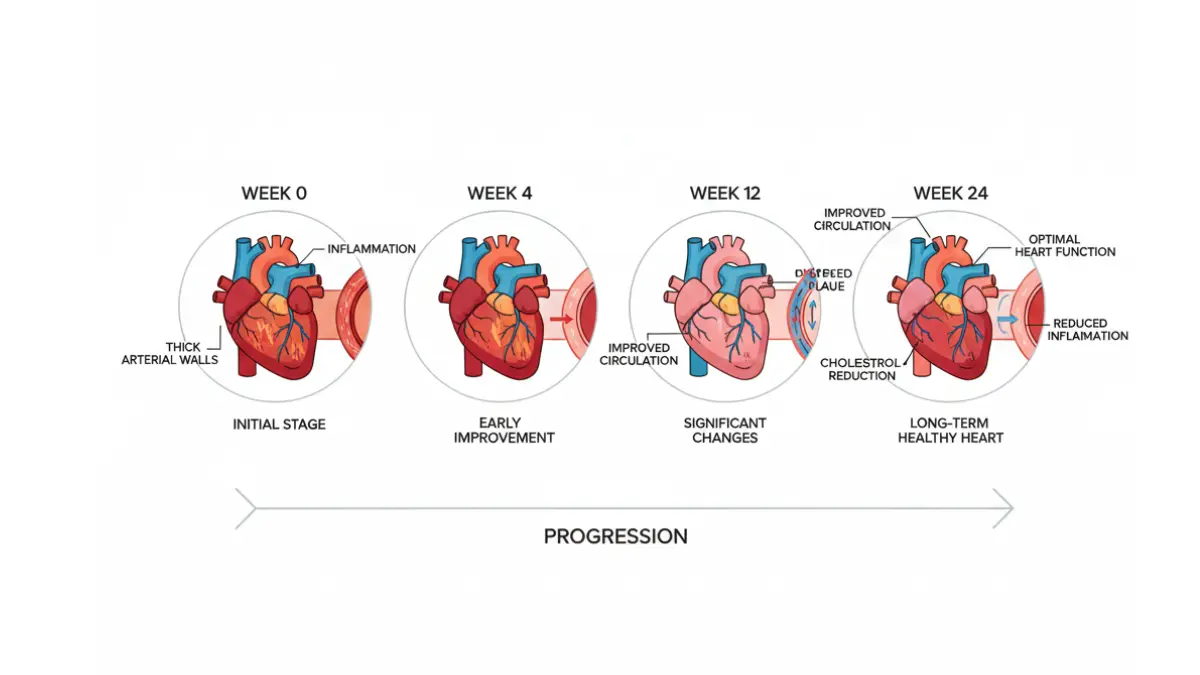
Blood pressure improvements appear within 2-4 weeks. Cholesterol reductions occur within 4-8 weeks. Measurable cardiovascular risk reduction develops within 3-6 months, with continuing benefits over years.
8. Are women’s heart attack symptoms different?
Yes, substantially. Women more frequently experience atypical symptoms including unusual fatigue (57.9%), shortness of breath without chest pain, nausea, and jaw/back discomfort rather than classic chest pressure.
About this content
How this article was put together: researched from recognised health sources, drafted with the help of AI tools, and edited by hand, with sources linked throughout.

Sameer Patel is the founder and editor of My Medicine Advisor. He is not a doctor or medical professional — before starting this site he worked in banking,…
Medical disclaimer
The content on MyMedicineAdvisor is provided for general informational and educational purposes only and is not a substitute for professional medical advice, diagnosis, or treatment. Health information on this website should not be used to diagnose, treat, cure, or prevent any condition without guidance from a qualified healthcare professional. Always seek the advice of your doctor, physician, or another licensed healthcare provider with any questions you may have regarding a medical condition, symptoms, medications, or treatment decisions.