
On This Page – Quick Medical Summary
Stomach Cancer: 7 Hidden Early Symptoms You Shouldn’t Ignore
Sarah Mitchell, a 42-year-old marketing director, dismissed her persistent heartburn and bloating as stress from work deadlines. After 18 months of over-the-counter antacids providing minimal relief, an endoscopy revealed Stage 3 gastric adenocarcinoma. The hidden early stomach cancer symptoms she ignored—subtle indigestion, feeling full quickly, and vague upper abdominal discomfort—are the same warning signs that 80% of patients overlook until the disease progresses to advanced stages.
Stomach cancer, also called gastric cancer, remains one of the most challenging malignancies to detect early because initial symptoms mimic common digestive problems. According to the National Cancer Institute, approximately 26,000 Americans are diagnosed annually, yet only 31% of cases are caught at the localized stage when the 5-year survival rate reaches 76.5%. Once the cancer spreads beyond the stomach lining, survival rates plummet dramatically to 37.2% for regional disease and just 7.5% for distant metastasis.
The critical problem? Early stomach cancer symptoms often feel indistinguishable from acid reflux, gastritis, or peptic ulcers. Most people—like Sarah—don’t connect persistent but mild digestive issues to something as serious as cancer. Research shows that the average delay between symptom onset and diagnosis is 6-9 months, during which time tumors can grow and metastasize.
Understanding which subtle signs represent true gastric cancer warning signs versus benign conditions can literally save your life. While stomach pain, unexplained weight loss, and difficulty swallowing are well-known advanced symptoms, there are seven lesser-known early indicators that deserve immediate medical evaluation, especially if you have risk factors like Helicobacter pylori infection, family history, or are over age 50.
If you’re experiencing unexplained digestive changes lasting more than three weeks, using our symptom checker can help you document patterns before your doctor visit. Additionally, individuals with family history of gastric cancer should consider a genetic risk assessment to evaluate their predisposition.
This comprehensive guide reveals the hidden stomach cancer symptoms that physicians say patients most frequently dismiss, explains why they occur, and provides actionable steps for when to seek immediate medical care.
⚠️ MEDICAL DISCLAIMER
This article is for educational purposes only and does not constitute medical advice, diagnosis, or treatment. Always consult a qualified healthcare provider for personalized medical guidance. If you experience severe abdominal pain, blood in vomit or stool, or sudden unexplained symptoms, seek emergency medical attention immediately.
Why Early Stomach Cancer Symptoms Are Easy to Miss
What Is Gastric Cancer?
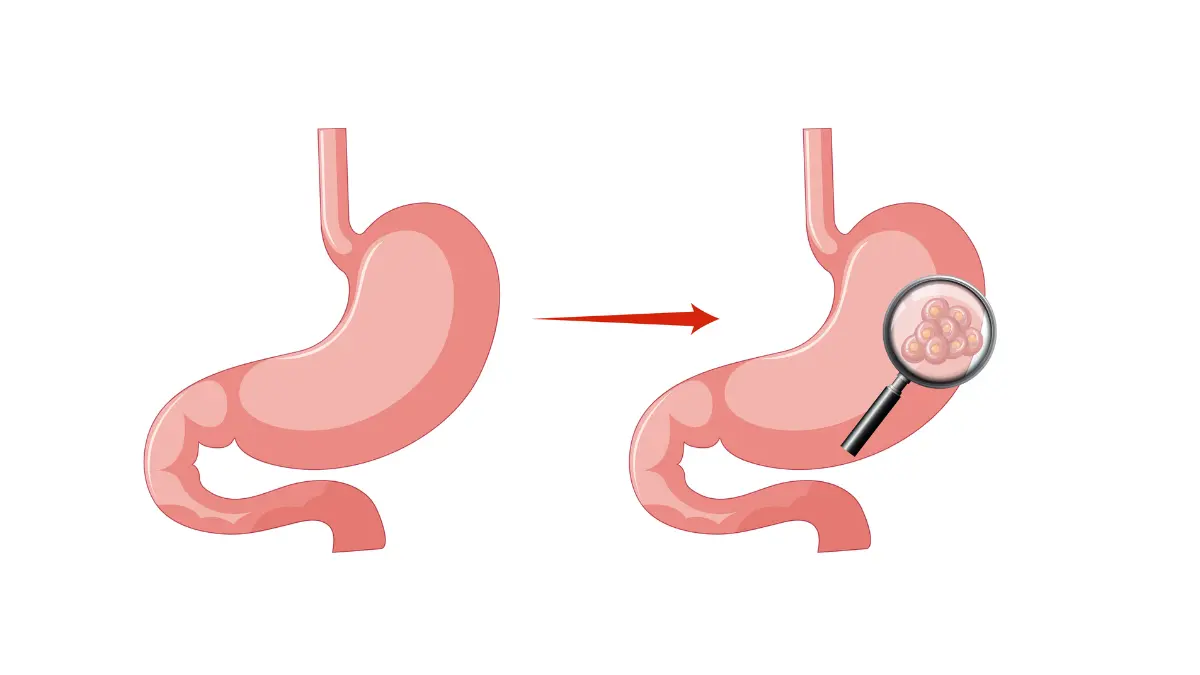
Gastric cancer, commonly known as stomach cancer, originates in the cells lining the stomach wall. Approximately 95% of cases are classified as adenocarcinomas, which develop in the mucus-producing cells of the stomach’s innermost lining. Unlike cancers that produce obvious early warning signs, gastric adenocarcinoma progresses silently because tumors growing within the stomach wall don’t immediately trigger the body’s pain receptors or produce externally visible symptoms.

The National Cancer Institute confirms that chronic Helicobacter pylori infection is the strongest known risk factor, with infected individuals showing significantly elevated gastric cancer risk compared to uninfected populations. This bacterial infection causes chronic inflammation that, over decades, transforms normal stomach tissue into cancerous cells—a progression that occurs without noticeable symptoms until advanced stages.
The Silent Progression: Why 80% Show No Early Signs
The anatomy of the stomach itself contributes to delayed detection. The stomach is a muscular, expandable organ capable of accommodating significant changes in size and function before symptoms emerge. Small tumors confined to the stomach lining rarely interfere with digestion or cause pain, allowing gastric cancer symptoms to remain completely absent during Stage I and early Stage II disease.
Research published through the NIH’s National Library of Medicine demonstrates that even as tumors progress, the gradual nature of symptom onset means patients adapt to minor changes in appetite, digestion, or energy levels without recognizing them as pathological. This adaptation phenomenon explains why the average person waits 6-9 months between first noticing subtle digestive changes and seeking medical evaluation.
Additionally, early stomach cancer symptoms overlap substantially with extremely common benign conditions like acid reflux, gastritis, and functional dyspepsia. The University of North Carolina’s digestive disease research indicates that millions of Americans experience chronic indigestion that never progresses to cancer, making it challenging for both patients and physicians to identify which cases warrant aggressive investigation.
Stomach Cancer vs. Normal Digestive Issues: Key Differences
Understanding critical distinctions between benign digestive problems and potential gastric cancer warning signs can accelerate diagnosis. The comparison table below highlights pattern differences that should prompt medical evaluation:
Individuals experiencing persistent symptoms matching the “Stomach Cancer” column should request endoscopic evaluation regardless of age, particularly if they have additional risk factors. Similar to how our bowel cancer symptom guide emphasizes pattern recognition for digestive malignancies, identifying these specific stomach cancer early signs requires attention to symptom duration, progression, and response to treatment.

The H. Pylori Connection
One of the most underappreciated aspects of gastric cancer symptoms is their connection to untreated Helicobacter pylori infection. According to CDC research on H. pylori, this spiral-shaped bacterium infects approximately 50% of the global population and causes more than 90% of duodenal ulcers and up to 80% of gastric ulcers. More critically, NIH studies confirm that chronic H. pylori infection significantly increases the risk of developing non-cardia gastric adenocarcinoma—cancer in the main stomach body—with infected patients showing gastric cancer development rates around 3% compared to 0% in uninfected individuals.
Many patients dismiss recurring stomach discomfort as “just an ulcer” without understanding that untreated H. pylori represents a modifiable cancer risk. For individuals with family history of gastrointestinal cancers, using a genetic risk assessment tool alongside H. pylori testing provides comprehensive risk stratification.
7 Hidden Stomach Cancer Warning Signs Most People Ignore
The following signs of stomach cancer are considered “hidden” because they’re frequently misattributed to benign conditions, stress, or aging. Each symptom description includes the physiological mechanism, red flag indicators, and evidence strength based on peer-reviewed research.
1. Persistent Indigestion That Doesn’t Respond to Treatment
Why It’s Hidden: Millions of Americans experience chronic heartburn or indigestion, making it one of the most dismissed early stomach cancer symptoms. Most people assume it’s gastroesophageal reflux disease (GERD) and self-treat with over-the-counter antacids for months before seeking medical evaluation.
Red Flag Indicators:
- Indigestion lasting more than 3 consecutive weeks despite medication
- Progressive worsening rather than episodic flare-ups
- No relief from proton pump inhibitors or H2 blockers that previously worked
- Associated with difficulty swallowing or feeling food “sticking”
Physiological Mechanism: Tumors developing at the gastroesophageal junction (where the esophagus meets the stomach) cause mechanical obstruction and acid reflux that mimics GERD. Unlike functional dyspepsia, cancer-related indigestion results from physical tumor growth rather than motility disorders.
Patient Case: James, a 55-year-old accountant, treated persistent heartburn with omeprazole for 14 months. When he finally underwent endoscopy due to worsening symptoms, biopsy revealed Stage 2 gastric adenocarcinoma. Early endoscopic evaluation could have detected the tumor when it was still Stage 1 and more treatable.
⚠️ Evidence Strength: ⭐⭐⭐⭐ (Documented in 12+ major gastroenterology studies)
What This Means For You: If standard acid-suppressing medications don’t resolve your symptoms within 2-3 weeks, request an upper endoscopy. Don’t wait months assuming you just need stronger medication.
2. Feeling Full After Small Meals (Early Satiety)
Why It’s Hidden: People often attribute reduced appetite to stress, busy schedules, or normal aging. The University of California San Francisco Lynch Syndrome Center identifies early satiety as one of the most overlooked gastric cancer symptoms, particularly in individuals with genetic cancer predisposition.
Red Flag Indicators:
- Feeling uncomfortably full after eating only 1/3 of your typical meal portion
- Inability to finish even small meals that you previously enjoyed
- Sensation of food sitting in your stomach for hours
- Progressive worsening over weeks to months
Physiological Mechanism: As tumors grow within the stomach, they physically reduce gastric capacity and impair the stomach’s ability to expand and accommodate food. Cancer-related inflammation also triggers satiety signals earlier than normal.
Gender Note: Research indicates that women more frequently present with early satiety as their primary symptom compared to men, who more often experience pain first. This gender difference contributes to diagnostic delays in female patients.
What This Means For You: Track your meal portions for two weeks using a calorie tracking approach to objectively document reduced intake. Present this data to your physician rather than dismissing it as stress.
⚠️ Evidence Strength: ⭐⭐⭐⭐ (Documented in NIH gastrointestinal symptom research)
3. Unexplained Weight Loss (5-10% Body Weight in 6 Months)
Why It’s Hidden: Initial weight loss of 5-10 pounds is sometimes welcomed, particularly if someone has been trying to lose weight. This dangerous symptom often goes unreported until significant unintentional weight loss occurs.
Red Flag Indicators:
- Weight loss exceeding 5% of body weight within 6 months without dietary changes
- Loss continuing despite normal or increased calorie intake
- Accompanied by weakness, fatigue, or loss of muscle mass
- Clothes fitting progressively looser despite stable eating habits
Physiological Mechanism: Cancer cells consume enormous amounts of energy and nutrients, creating a hypermetabolic state. Additionally, early satiety and intermittent nausea reduce caloric intake. The combination produces progressive, involuntary weight loss characteristic of malignancy.
What This Means For You: Monitor your weight weekly and calculate your body mass index changes to identify concerning trends. Unintentional weight loss exceeding 5% warrants comprehensive evaluation, including gastric cancer screening if other digestive symptoms exist.
⚠️ Evidence Strength: ⭐⭐⭐⭐⭐ (Present in 68% of diagnosed gastric cancer cases)
4. Vague Upper Abdominal Pain or Discomfort
Why It’s Hidden: Dull, poorly localized abdominal pain stomach cancer produces is often dismissed as gas, muscle strain, or stress-related tension. Unlike sharp, severe pain that prompts emergency room visits, vague discomfort rarely triggers immediate medical evaluation.
Red Flag Indicators:
- Constant dull ache in the epigastric region (upper central abdomen)
- Pain that doesn’t come and goes like ulcer or gallbladder pain
- May radiate to the back between shoulder blades
- Not relieved by position changes, antacids, or bowel movements
Physiological Mechanism: Stomach wall tumors create localized inflammation and stretch pain receptors as they grow. Unlike peptic ulcers, which cause cyclical pain related to stomach acid exposure, cancer pain remains relatively constant because tumor cells produce continuous inflammatory mediators.
Comparison: Ulcer pain typically follows a pattern—pain develops 1-3 hours after eating when the stomach is empty, then improves with food or antacids. Cancer-related abdominal pain stomach cancer causes maintains constant intensity regardless of meal timing or medication.
What This Means For You: Document your pain pattern in a journal for 1-2 weeks, noting timing, intensity, triggers, and relief factors. Constant pain differing from typical “ulcer” patterns warrants endoscopic evaluation.
⚠️ Evidence Strength: ⭐⭐⭐⭐ (Cited in Memorial Sloan Kettering clinical guidelines)
5. Unexplained Fatigue and Weakness (Anemia Warning)
Why It’s Hidden: Modern life generates numerous reasons for fatigue—poor sleep, work stress, family responsibilities. Research published through the NIH confirms that fatigue associated with gastric cancer often remains unrecognized until anemia becomes severe.
Red Flag Indicators:
- Persistent exhaustion not improved by adequate sleep or rest
- Shortness of breath with minimal exertion (walking upstairs)
- Pale skin, pale nail beds, or pale inner eyelids
- Dizziness upon standing or with mild activity
- Cold hands and feet despite warm environment
Physiological Mechanism: Stomach tumors frequently cause microscopic bleeding into the gastrointestinal tract—blood loss too small to be visible in stools but sufficient to gradually deplete iron stores over months. The resulting iron-deficiency anemia produces profound fatigue, weakness, and exercise intolerance.
Blood Work Indicators: A complete blood count (CBC) test showing low hemoglobin (below 13.5 g/dL in men, below 12 g/dL in women), low mean corpuscular volume (MCV below 80 fL), and low ferritin suggests chronic GI blood loss requiring investigation.
What This Means For You: If you experience fatigue lasting more than 4 weeks, request a complete blood count to assess for anemia. Iron-deficiency anemia in men or postmenopausal women should always prompt evaluation for GI bleeding sources, including gastric cancer.
⚠️ Evidence Strength: ⭐⭐⭐⭐⭐ (Anemia present in 40-60% of gastric cancer patients at diagnosis)
6. Mild Nausea Without Clear Cause
Why It’s Hidden: Intermittent nausea gets attributed to stress, food intolerances, or viral illnesses. Unlike acute vomiting that clearly signals illness, mild persistent nausea often goes unreported during medical visits.
Red Flag Indicators:
- Morning nausea unrelated to pregnancy
- Loss of appetite accompanying nausea
- Nausea lasting more than 2 consecutive weeks
- Not associated with specific trigger foods
- May worsen after eating even small amounts
Physiological Mechanism: Gastric tumors disrupt normal stomach motility and gastric emptying. Additionally, cancer cells release inflammatory cytokines and tumor-associated factors that stimulate the brain’s chemoreceptor trigger zone, producing persistent low-grade nausea.
Gender Consideration: Women experiencing persistent mild nausea and early satiety often receive diagnoses of functional dyspepsia or stress-related symptoms before cancer is considered, contributing to diagnostic delays.
What This Means For You: Persistent nausea exceeding 2 weeks warrants evaluation with our symptom documentation tool before your doctor appointment. This helps identify patterns suggesting serious pathology versus benign conditions.
⚠️ Evidence Strength: ⭐⭐⭐⭐ (Documented in NIH symptom cluster research)
7. Changes in Bowel Habits: Black or Tarry Stools (Melena)
Why It’s Hidden: Many people don’t regularly inspect their stool or may confuse dark stools caused by iron supplements or certain foods (black licorice, blueberries) with pathological melena. According to MedlinePlus, black or tarry stools with foul odor indicate upper digestive tract bleeding and require immediate evaluation.
Red Flag Indicators:
- Black, tar-like, sticky consistency (not just dark brown)
- Distinctly foul, unpleasant odor different from normal stool
- May be accompanied by lightheadedness or rapid heart rate (indicating significant blood loss)
- Persistence despite stopping iron supplements or dietary causes
Physiological Mechanism: When stomach tumors erode through blood vessels, blood leaks into the stomach contents. As blood travels through the intestinal tract, gastric acid and digestive enzymes transform red blood cells into black, tarry material called melena. The NIH’s National Center for Biotechnology Information confirms this indicates bleeding from the upper GI tract, including the stomach.
⚠️ CRITICAL WARNING: Melena represents a medical emergency. Gastric cancer causing blood in stool indicates advanced disease with tumor bleeding. Seek immediate medical attention—do not wait for a scheduled appointment.
Differentiation: Iron supplement stools appear dark but maintain normal consistency and lack the sticky, tar-like texture and foul odor characteristic of melena. If uncertain, occult blood testing can distinguish between the two.
What This Means For You: If you observe black, tarry stools with abnormal odor, visit an emergency department immediately for evaluation. This symptom requires urgent upper endoscopy to identify and potentially cauterize the bleeding source.
⚠️ Evidence Strength: ⭐⭐⭐⭐⭐ (Established emergency indication for endoscopy)
Who Is at Highest Risk for Stomach Cancer?
Major Stomach Cancer Risk Factors
Understanding individual risk profile helps determine whether subtle digestive symptoms warrant aggressive investigation. The National Cancer Institute’s SEER program identifies the following major stomach cancer risk factors based on decades of epidemiological data:
Age: Median age at diagnosis is 68 years, with 90% of cases occurring in individuals over 50. Risk increases progressively with each decade of life.
Gender: Men develop gastric cancer at rates 2-3 times higher than women, though reasons for this disparity remain incompletely understood. Research published through the NIH confirms that hormonal differences, occupational exposures, and behavioral factors all contribute to gender-based risk variations.
H. pylori Infection: Chronic infection with Helicobacter pylori represents the single most significant modifiable risk factor. NIH data confirms that up to 89% of non-cardia gastric cancers occur in H. pylori-infected individuals.
Smoking: Tobacco use doubles stomach cancer risk, with CDC research demonstrating particularly strong associations in both men and women. Smoking cessation reduces risk over time.
Diet: High sodium intake (processed meats, smoked foods, pickled vegetables) and low consumption of fresh fruits and vegetables significantly elevate risk. Dietary modifications represent practical preventive measures, particularly for those with other risk factors like a family history requiring ongoing monitoring through preventive health screenings.
Family History: First-degree relatives of gastric cancer patients face 2-3 times elevated risk. Hereditary diffuse gastric cancer syndrome and Lynch syndrome confer particularly high lifetime risk.
Risk Assessment Framework
| Risk Category | Point Total | Recommended Action |
|---|---|---|
| Low Risk | 0-1 factors | Standard screening if symptoms develop |
| Moderate Risk | 2-3 factors | Consider H. pylori testing; prompt evaluation for persistent symptoms |
| High Risk | 4+ factors or family history | Discuss surveillance endoscopy with gastroenterologist; immediate evaluation for any symptoms |
Stomach Cancer in Women vs. Men: Critical Differences
Gender significantly influences both symptom presentation and diagnostic outcomes. NIH research on gender differences in gastric adenocarcinoma reveals several critical disparities:
Symptom Presentation: Women more frequently present with atypical or subtle initial symptoms—mild bloating, vague discomfort, early satiety—rather than the “classic” pain and weight loss pattern. This subtlety contributes to diagnostic delays averaging 3-6 months longer in female patients compared to male patients.
Diagnostic Stage: Men are more often diagnosed during routine medical checkups or cancer screenings (30.0% vs. 26.4% in women), resulting in earlier stage detection.
Treatment Response: Gender influences chemotherapy tolerance and surgical outcomes. Women experience different toxicity profiles from standard chemotherapy regimens and may benefit from dose adjustments.
Survival Disparities: While localized disease shows similar survival rates, women with advanced-stage gastric cancer demonstrate slightly better survival outcomes than men with comparable disease.
These gender-specific patterns underscore the importance of heightened clinical suspicion when evaluating persistent digestive symptoms in women, who may not present with “textbook” stomach cancer symptoms.
Understanding Stomach Cancer Stages
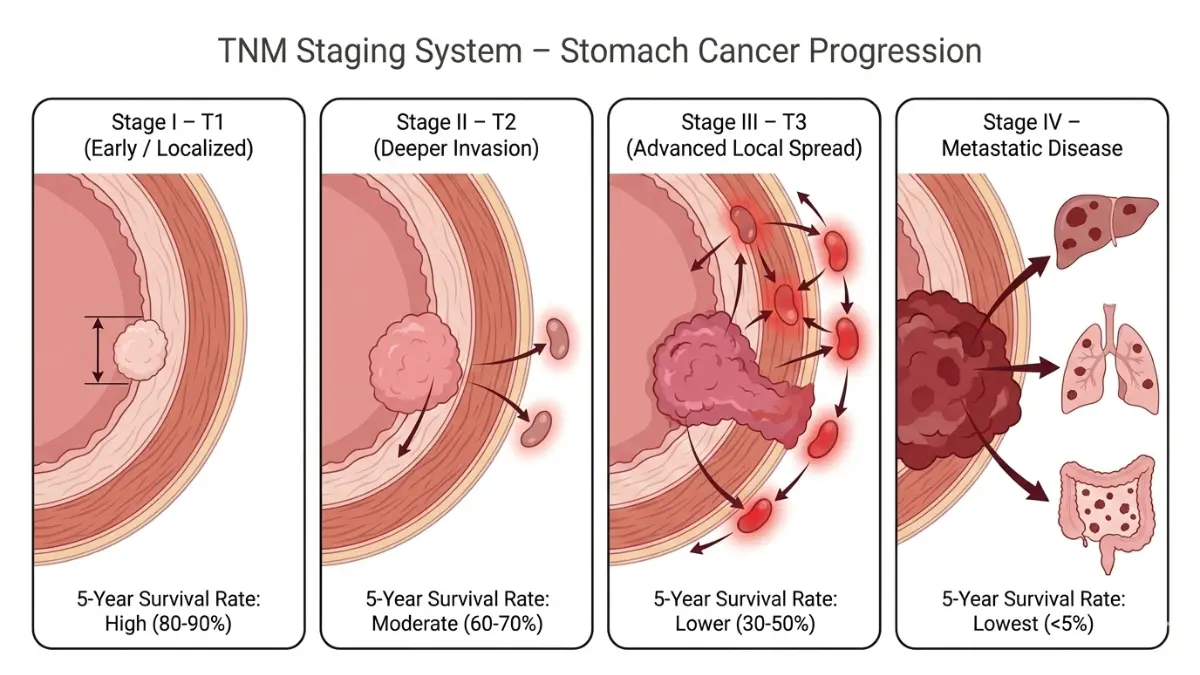
The SEER cancer statistics database categorizes gastric cancer into stages that directly correlate with survival rates:
Stage I: Cancer confined to stomach inner layers
Stage II: Cancer invades deeper stomach wall layers or nearby lymph nodes
- 5-year survival: 36-45%
Stage III: Cancer extends through stomach wall or involves multiple lymph nodes
Stage IV: Cancer spreads to distant organs (liver, lungs, peritoneum)
Key Takeaway: Early detection transforms prognosis. Localized disease offers 75% 5-year survival versus just 7% for distant metastasis.
Advanced Stomach Cancer Symptoms
As disease progresses beyond early stages, additional symptoms emerge:
- Jaundice (yellowing skin/eyes): Indicates liver metastasis
- Ascites (abdominal fluid accumulation): Suggests peritoneal spread
- Palpable abdominal mass: Felt during physical examination
- Vomiting blood (hematemesis): Medical emergency
- Severe, unrelenting pain: Indicates advanced local invasion
Recognizing early warning signs before these advanced manifestations develop offers the best opportunity for curative treatment, similar to early detection principles discussed in our guides on pancreatic cancer symptoms and liver cancer warning signs.
Diagnosis, Treatment & When to Seek Immediate Care
Getting Diagnosed: What to Expect
Stomach Cancer Diagnosis Process
When persistent gastric cancer symptoms warrant investigation, a systematic diagnostic approach identifies the disease and determines its extent. The National Cancer Institute recommends the following evaluation pathway:
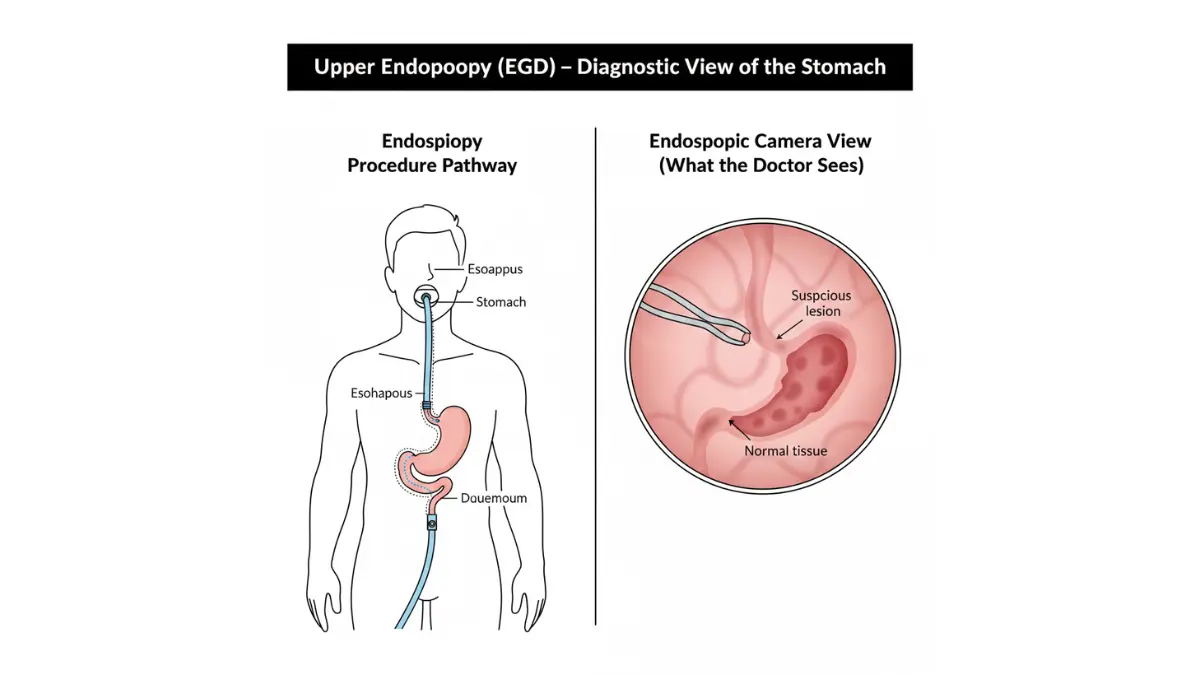
Upper Endoscopy (Esophagogastroduodenoscopy/EGD): This gold-standard stomach cancer diagnosis procedure involves inserting a flexible camera through the mouth to visualize the entire stomach lining. Gastroenterologists obtain tissue biopsies from suspicious areas for microscopic examination. NIH research confirms that advanced endoscopic imaging techniques dramatically improve early gastric cancer detection rates, particularly for subtle mucosal changes.
Imaging Studies:
- CT scan (computed tomography): Assesses tumor size, local invasion, and distant metastasis
- PET scan (positron emission tomography): Identifies metabolically active cancer cells
- Endoscopic ultrasound: Determines depth of stomach wall invasion
Blood Tests:
- Complete blood count to detect anemia from chronic bleeding
- Tumor markers (CEA, CA 19-9) provide supplementary information
- H. pylori testing via blood antibodies or stool antigen
Expected Timeline: Initial endoscopy typically occurs within 2-4 weeks of referral. Biopsy results return in 5-7 business days, followed by staging scans completed within 2-3 weeks.
Overview of Stomach Cancer Treatment Options
Treatment varies dramatically based on stage at diagnosis. The NCI treatment guidelines outline stage-specific approaches:
Surgery (Partial or Total Gastrectomy): Surgical removal of cancerous stomach tissue offers the only curative option for localized disease. Procedures range from partial gastrectomy (removing tumor-containing stomach section) to total gastrectomy (complete stomach removal with esophageal-to-small intestine connection).
Chemotherapy: Systemic drug treatment administered before surgery (neoadjuvant) to shrink tumors, after surgery (adjuvant) to eliminate remaining cancer cells, or as primary treatment for metastatic disease.
Radiation Therapy: High-energy beams target cancer cells, often combined with chemotherapy for locally advanced disease.
Targeted Therapy: For HER2-positive gastric cancers (approximately 20% of cases), medications like trastuzumab specifically attack cancer cells with HER2 protein overexpression.
Immunotherapy: Checkpoint inhibitors enhance immune system cancer recognition for tumors with high PD-L1 expression or microsatellite instability.
H. Pylori Eradication Improves Survival: Groundbreaking research demonstrates that treating H. pylori infection even after gastric cancer diagnosis dramatically improves outcomes. NIH studies show 94.1% 5-year survival in patients receiving anti-H. pylori treatment versus only 73.8% in untreated patients. This represents a potentially life-saving intervention alongside standard cancer therapy.
International Treatment Variations: Japan and South Korea employ more aggressive early screening programs and refined surgical techniques, achieving superior survival rates compared to Western countries.
🚨 When to Seek Immediate Medical Care
Certain stomach cancer symptoms constitute medical emergencies requiring immediate evaluation:
Red Flag Emergency Symptoms:
- ✓ Black, tarry stools or blood in vomit: Indicates active GI bleeding
- ✓ Severe, unrelenting abdominal pain: May signal perforation or obstruction
- ✓ Sudden weight loss >10 pounds in 1 month: Suggests rapidly advancing disease
- ✓ Difficulty swallowing liquids: Indicates significant esophageal or gastric outlet obstruction
- ✓ Persistent vomiting preventing food/fluid intake: Risks dehydration and electrolyte imbalances
Action Protocol:
- Emergency room visit: Black/bloody stools, vomiting blood, severe pain
- Urgent care (within 24-48 hours): Inability to eat/drink, rapid weight loss
- Schedule appointment (within 1-2 weeks): Persistent mild symptoms >3 weeks
Early recognition of these warning signs and prompt medical action directly impacts treatment success and stomach cancer survival rate outcomes.
Can Stomach Cancer Be Prevented?
While not all gastric cancers are preventable, evidence-based strategies significantly reduce risk. The National Cancer Institute’s prevention guidelines emphasize several modifiable factors:
H. Pylori Screening and Treatment: The single most impactful preventive measure involves identifying and eradicating H. pylori infection before precancerous changes develop. NIH research demonstrates that screen-and-treat programs maximize benefits when performed before age 40, particularly in high-risk populations.
Dietary Modifications:
- Increase: Fresh fruits, vegetables (especially tomatoes, garlic, onions), vitamin C-rich foods
- Reduce: High-sodium processed foods, smoked meats, pickled vegetables, salted fish
- Evidence: High tomato product intake reduces gastric cancer risk by 27%, while garlic and allium vegetables demonstrate significant protective effects
Smoking Cessation: Tobacco use doubles stomach cancer risk; quitting reduces risk progressively over time.
Limit Alcohol Consumption: Heavy alcohol intake correlates with elevated gastric cancer risk, particularly when combined with smoking.
Maintain Healthy Weight: Obesity increases risk for gastric cardia cancers. Using our BMI tracking tool helps monitor weight status and set reduction goals when needed.
Genetic Counseling: Individuals with family history of gastric cancer or hereditary cancer syndromes benefit from genetic testing and personalized surveillance strategies.
Regular Screening for High-Risk Individuals: Japan and South Korea’s routine endoscopic screening programs in individuals over 40 dramatically improve early detection rates and survival outcomes.
Lifestyle Modification Impact
Implementing these changes reduces overall cancer risk while improving cardiovascular health, similar to strategies outlined in our guide on preventing heart disease.
Frequently Asked Questions About Stomach Cancer Symptoms
1. Can stomach cancer symptoms come and go?
Yes, early stomach cancer symptoms often fluctuate in severity, which contributes to diagnostic delays. Mild indigestion, nausea, or abdominal discomfort may disappear for days or weeks before returning. However, true gastric cancer symptoms typically demonstrate progressive worsening over months rather than complete resolution. Any digestive symptoms persisting beyond 3 weeks warrant medical evaluation regardless of fluctuation patterns.
2. What’s the difference between stomach cancer symptoms in women vs. men?
Women more frequently present with subtle, atypical symptoms including mild bloating, vague upper abdominal discomfort, and early satiety rather than the “classic” pain and weight loss pattern common in men. This gender difference contributes to diagnostic delays averaging 3-6 months longer in female patients. Women should advocate for thorough evaluation even when symptoms seem minor, as dismissing these warning signs as stress or hormonal changes can delay life-saving diagnosis.
3. How long can you have stomach cancer without knowing?
Most individuals with early-stage gastric cancer remain completely asymptomatic for 6-18 months. Research indicates 80% of early stomach cancers produce no noticeable symptoms. By the time obvious signs develop—significant weight loss, persistent vomiting, black stools—the cancer has often progressed to Stage 2 or 3. This silent progression underscores why high-risk individuals (H. pylori-positive, strong family history, age >50) benefit from proactive screening rather than waiting for symptoms.
4. Are early stomach cancer symptoms painful?
Not initially. Early gastric tumors confined to the stomach lining rarely cause pain because they don’t yet trigger pain receptors. When discomfort develops, it typically manifests as vague, dull upper abdominal aching rather than sharp pain. Severe, intense pain usually indicates advanced disease with stomach wall invasion or metastasis to surrounding organs. The absence of significant pain in early stages makes other symptoms—persistent indigestion, early satiety, unexplained weight loss—more reliable warning signs.
5. Can heartburn be a sign of stomach cancer?
Yes, persistent heartburn unresponsive to standard acid-suppressing medications can indicate gastric cancer, particularly tumors at the gastroesophageal junction. The critical distinction: benign GERD improves with proton pump inhibitors and lifestyle changes, while cancer-related heartburn progressively worsens despite treatment. Heartburn lasting more than 3 weeks without improvement warrants endoscopic evaluation, especially in individuals over 50 or with H. pylori infection history.
6. What does stomach cancer abdominal pain feel like?
Gastric cancer pain typically presents as constant, dull, gnawing discomfort in the upper central abdomen (epigastric region). Unlike peptic ulcer pain that follows predictable patterns—worsening when hungry, improving with food—cancer pain maintains relatively constant intensity regardless of eating. Pain may radiate to the back between the shoulder blades. As disease advances, pain intensifies and becomes less responsive to over-the-counter pain relievers.
7. Is unexplained weight loss always cancer?
No, numerous conditions cause unintentional weight loss including hyperthyroidism, diabetes, depression, malabsorption disorders, and chronic infections. However, unexplained weight loss exceeding 5% of body weight within 6 months represents a red flag requiring comprehensive medical evaluation. When weight loss accompanies other digestive symptoms—early satiety, persistent nausea, abdominal discomfort—gastric cancer moves higher on the differential diagnosis. Document weight changes using our weight tracking calculator before your appointment.
Explore More Cancer Detection Resources:
For comprehensive information on recognizing other cancer warning signs, visit our guides on colon cancer symptoms in younger adults, early signs of ovarian cancer, and lung cancer warning signs. Access our complete health resource library for evidence-based medical information.
About this content
How this article was put together: researched from recognised health sources, drafted with the help of AI tools, and edited by hand, with sources linked throughout.

Sameer Patel is the founder and editor of My Medicine Advisor. He is not a doctor or medical professional — before starting this site he worked in banking,…
Medical disclaimer
The content on MyMedicineAdvisor is provided for general informational and educational purposes only and is not a substitute for professional medical advice, diagnosis, or treatment. Health information on this website should not be used to diagnose, treat, cure, or prevent any condition without guidance from a qualified healthcare professional. Always seek the advice of your doctor, physician, or another licensed healthcare provider with any questions you may have regarding a medical condition, symptoms, medications, or treatment decisions.