
What Is Depression? Understanding Major Depressive Disorder
Depression is a common but serious medical condition that affects how you feel, think, and handle daily activities like sleeping, eating, or working. Unlike normal sadness or temporary mood changes, clinical depression (also called major depressive disorder) is persistent and can significantly impair your quality of life. For example, a patient named Sarah experienced months of deep unhappiness and loss of interest in activities she once loved before seeking professional help and beginning recovery.
Depression is different from simple sadness. Sadness is a natural human emotion that usually fades with time, while depression is a more persistent state characterized by specific symptoms meeting criteria set by the Diagnostic and Statistical Manual of Mental Disorders (DSM-5). The DSM-5 criteria include at least five symptoms lasting for a minimum of two weeks that interfere with daily functioning.
| Feature | Depression (Major) | Sadness |
|---|---|---|
| Duration | At least 2 weeks | Temporary, situation-based |
| Symptoms | Includes low mood, anhedonia, fatigue | Feelings pass with time |
| Impact | Impairs daily function | Less severe, manageable |
| Treatment necessity | Often requires professional care | Usually does not |
What This Means For You: If you or someone you know is experiencing prolonged low mood, loss of interest, or fatigue, it is important to assess symptoms carefully. Tools like our Symptom Checker can help determine if a professional evaluation is needed. For official clinical guidelines, visit the NIMH website to understand depression diagnostics and treatments.
People often ask, “Am I depressed or just sad?” If symptoms like persistent sadness, changes in appetite or sleep, feelings of worthlessness, or difficulty concentrating last more than two weeks, it is more likely depression than sadness. Clinical depression warrants attention because it can affect your emotional, physical, and social wellbeing.
Depression Symptoms: Recognizing the Warning Signs
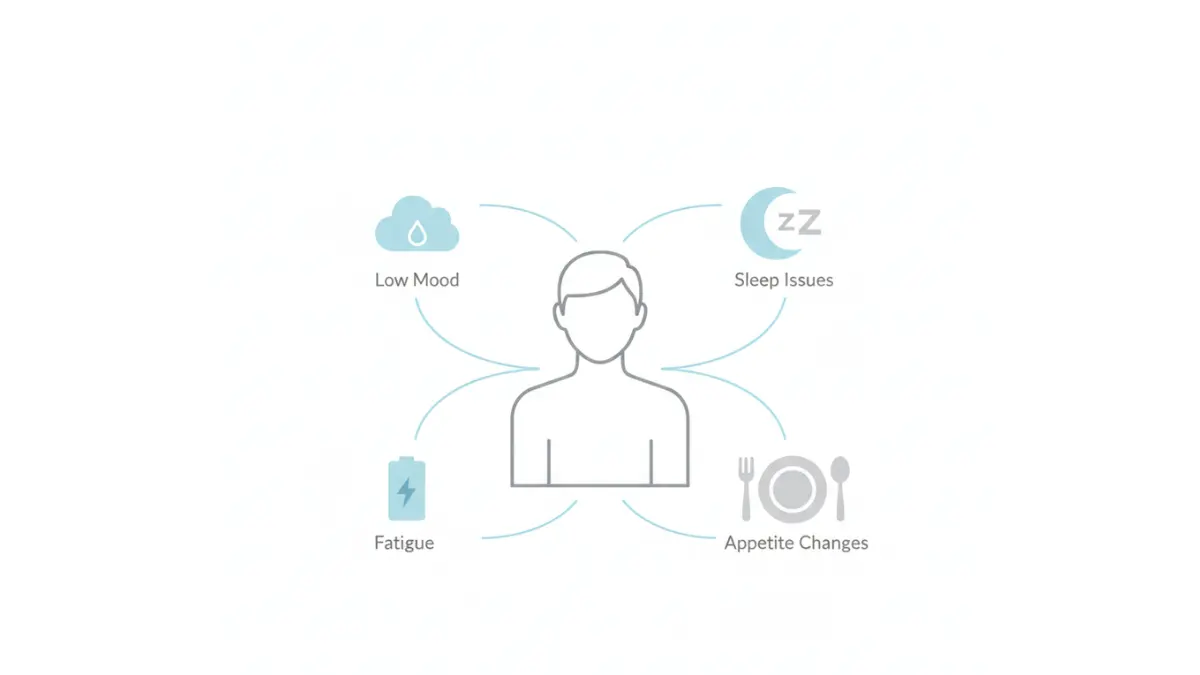
Depression symptoms often appear gradually, making early detection crucial for effective intervention. Common signs of depression include persistent sadness, loss of interest in activities, and fatigue that disrupts daily life. These align with DSM-5 criteria requiring at least five symptoms for two weeks, including depressed mood or anhedonia.
Early Warning Signs of Depression
Watch for these initial indicators before depression becomes severe:
- Persistent low mood most of the day, nearly every day
- Markedly reduced interest or pleasure in hobbies (anhedonia)
- Unexplained fatigue or energy loss
- Sleep disturbances—too much or too little
- Appetite or weight changes without dieting
Key Takeaway: Early recognition of these depression symptoms can prevent worsening. Use our Symptom Checker for a quick self-assessment linked to clinical standards.
Depression Symptoms in Women
Women may experience depression symptoms differently due to hormonal factors:
- Greater irritability or anxiety alongside sadness
- Somatic complaints like headaches or chronic pain
- Postpartum depression signs post-delivery, including overwhelming fatigue
- Seasonal mood dips tied to hormonal cycles
Research shows women face higher rates, often with co-occurring anxiety. Track patterns with our Ovulation Calculator to identify triggers.
Depression in Men: Unique Presentations
Men often mask signs of depression through external behaviors:
- Increased anger, irritability, or risk-taking
- Escapism via workaholism or substance use
- Physical complaints like back pain or digestive issues
- Reluctance to discuss emotions, delaying help-seeking
The NIMH notes men underreport emotional symptoms, focusing on physical ones.
Teen Depression and Adolescent Signs
Teen depression manifests uniquely in youth:
- Withdrawal from friends and family
- Declining school performance or rebellion
- Social media overuse linked to worsening mood
- Risky behaviors like substance experimentation
- Physical complaints masking emotional pain
Adolescents need prompt evaluation, as untreated cases prolong recovery. Our Sleep Calculator helps address common sleep disruptions in teens.
| Symptom Category | Common in Adults | Unique to Teens | When to Act Urgently |
|---|---|---|---|
| Mood Changes | Persistent sadness | Irritability, anger | Suicidal thoughts |
| Physical | Fatigue, appetite shifts | Headaches, stomachaches | Sudden weight loss |
| Behavioral | Social withdrawal | School refusal, isolation | Substance use rise |
| Cognitive | Concentration issues | Poor grades | Self-harm signs |
Depression Checklist: PHQ-9 Overview
Use this simplified depression checklist based on the validated PHQ-9 scale for self-screening:
- Little interest or pleasure in doing things
- Feeling down, depressed, or hopeless
- Trouble falling/staying asleep or sleeping too much
- Feeling tired or low energy
- Poor appetite or overeating
- Feeling bad about yourself or failures
- Trouble concentrating on reading/TV
- Moving/speaking slowly or too fast
- Thoughts of being better off dead
Score Guide: 0-4 minimal; 5-9 mild; 10-14 moderate; 15-19 moderately severe; 20-27 severe. Scores over 10 suggest professional review.
What This Means For You: If multiple signs of depression persist, consult a doctor. The CDC provides statistics showing early action improves outcomes. For high-functioning cases where symptoms hide behind productivity, track with our Heart Rate Zone Calculator to monitor stress.
When to see a doctor for depression: Seek immediate help for suicidal thoughts, severe fatigue, or symptoms lasting over two weeks. This depression checklist empowers proactive steps—start today.
What Causes Depression? Understanding Risk Factors
What causes depression? Multiple factors contribute to depression, including brain chemistry imbalances, genetic predispositions, life stressors, and environmental triggers like social isolation. No single cause exists; instead, these interact in complex ways, as outlined in biopsychosocial models from the National Institute of Mental Health (NIMH). Understanding these helps identify personal risks early.
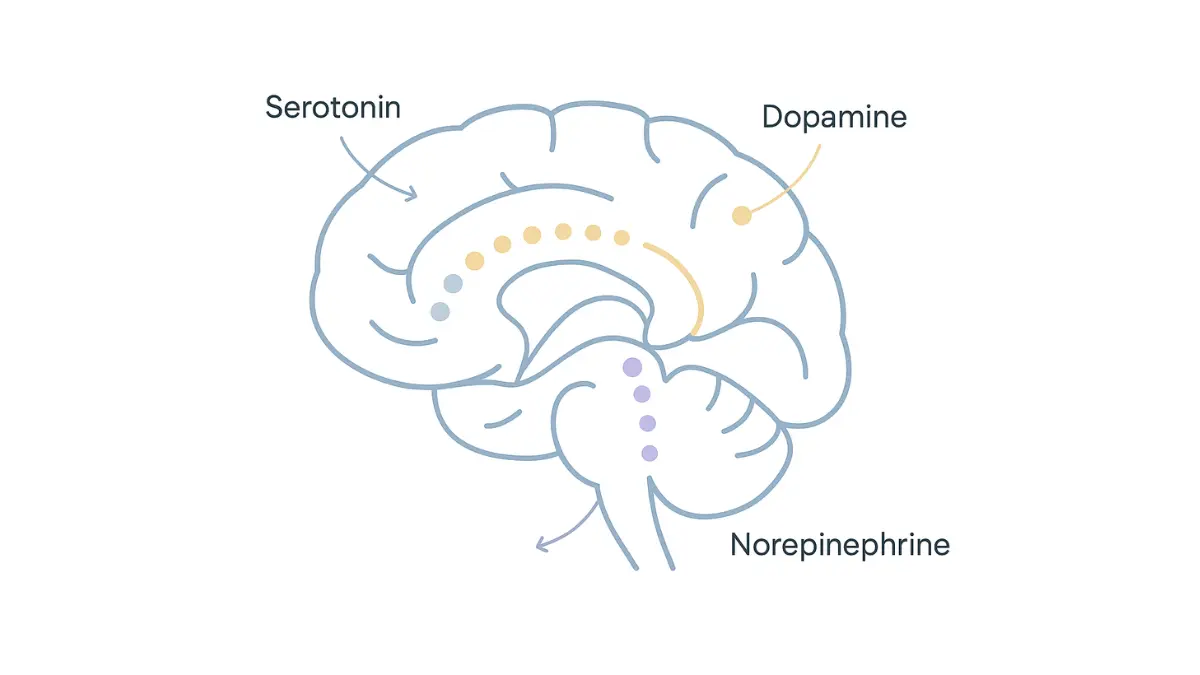
Brain Chemistry and Depression (Serotonin, Neurotransmitters)
Depression often stems from disrupted depression neurotransmitters like serotonin and dopamine, which regulate mood, sleep, and motivation. Low serotonin levels correlate with persistent low mood, while norepinephrine imbalances contribute to fatigue. The NIH explains how these depression brain chemistry changes can trigger major depressive episodes.
- Serotonin and depression: Reduced activity links to anxiety and sadness.
- Dopamine deficits: Cause loss of pleasure (anhedonia).
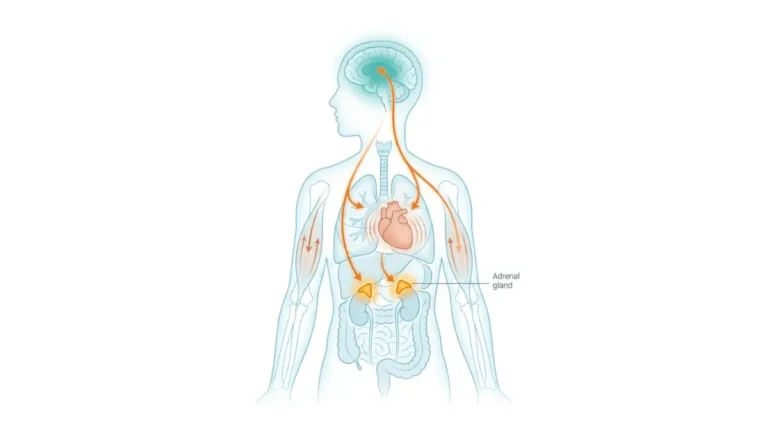
- Stress hormones: Elevated cortisol from HPA axis dysfunction worsens symptoms.
Key Takeaway: Imbalances explain why what causes depression feels biological, not just “weakness.”
Genetic Factors: Is Depression Genetic?
Is depression genetic? Yes, with heritability around 40-50% from twin studies. First-degree relatives face 3x higher risk for clinical depression. Gene-environment interactions amplify this—stressors activate vulnerability genes like 5-HTTLPR.
Use our Genetic Risk Assessment Tool to explore family history patterns alongside Stanford Medicine’s genetics overview.
| Genetic Risk Level | Family History Example | Added Risk Factor |
|---|---|---|
| Low | No relatives affected | Minimal (10-15%) |
| Moderate | One parent/sibling | 2-3x higher |
| High | Both parents affected | 4x+ with stress |
Life Events and Environmental Triggers
Traumatic events like bereavement, job loss, or abuse often precipitate what triggers depression. Chronic stress activates inflammation pathways, increasing risk. The WHO highlights global factors like poverty and violence.
Common triggers:
- Adverse childhood experiences (ACEs)
- Financial strain or unemployment
- Chronic illness or pain
Modern Depression Triggers: Social Media, Pandemic, Loneliness
Pandemic depression surged post-COVID due to isolation and uncertainty. Social media and depression link via comparison and dopamine hits from likes, per recent studies. Loneliness depression affects 1 in 3 adults, worsening via reduced social support.
| Modern Trigger | Impact on Depression | Evidence Strength |
|---|---|---|
| Social media overuse | Increases anxiety | High (meta-analyses) |
| Pandemic isolation | Prolongs episodes | Moderate-High |
| Loneliness | Elevates cortisol | High |
Track sleep disruptions from screen time with our Sleep Calculator, as poor rest compounds these.
What This Means For You: Assess your what causes depression mix—biology plus life events. If loneliness depression or social media and depression resonate, prioritize connections. The CDC offers data on preventable risks. Start with lifestyle tweaks like our Water Intake Calculator for hydration’s mood benefits.
Types of Depression: Beyond Major Depressive Disorder
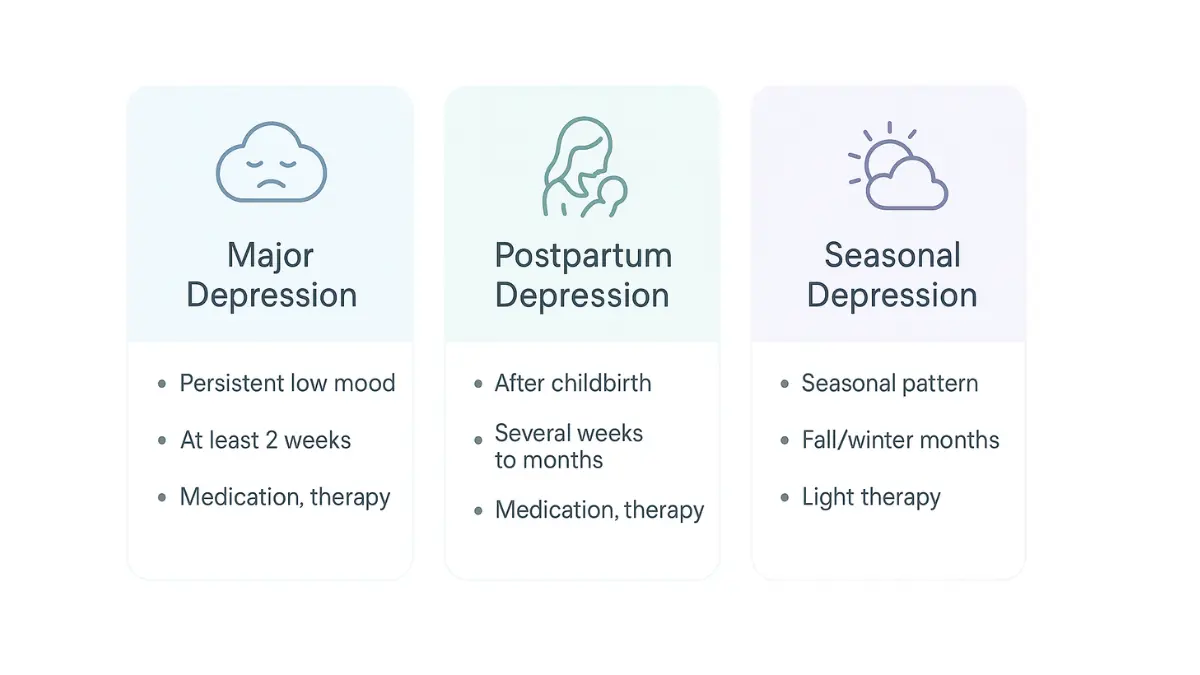
Types of depression vary widely, each with unique triggers, durations, and treatments. Understanding these distinctions—from major depressive disorder to specialized forms like postpartum depression—helps tailor effective care, as detailed by the NIMH. This comprehensive taxonomy covers the most common types of depression based on DSM-5 classifications.
Major Depressive Disorder (MDD)
Major depressive disorder, or clinical depression, involves severe symptoms lasting at least two weeks, including low mood and anhedonia. Episodes can recur, with major depressive episode criteria requiring functional impairment. What is major depression? It’s the most diagnosed form, affecting daily life profoundly.
- Single episode vs. recurrent patterns
- Often triggered by stress or biology
- Higher suicide risk without treatment
Persistent Depressive Disorder (Dysthymia)
Persistent depressive disorder features chronic low mood for two years or more, milder than MDD but enduring. Symptoms include hopelessness and poor concentration, blending with major episodes in “double depression”. How long does depression last? In this type, it persists years without intervention.
Track consistent energy levels using our BMR Calculator to spot patterns early.
Postpartum Depression
Postpartum depression strikes new mothers within weeks to months after birth, with intense sadness, anxiety, and bonding difficulties. Hormonal shifts and sleep deprivation contribute, affecting 10-15% of women. Differentiate from “baby blues” by duration and severity.
Support monitoring with our Pregnancy Weight Gain Calculator and Pregnancy Due Date Calculator, aligned with CDC postpartum guidelines.
Seasonal Depression (Seasonal Affective Disorder)
Seasonal depression, or SAD, follows winter light reduction, causing fatigue and carb cravings. Light therapy often helps, with symptoms remitting in spring. Can depression go away? Yes, seasonally, but recurrence needs prevention planning.
Depression with Anxiety
Anxiety and depression frequently co-occur, with overlapping symptoms like restlessness and worry amplifying both. Depression vs anxiety shows shared biology but distinct treatments—CBT excels here. About 60% of cases involve comorbidity.
High-Functioning Depression and Depression Burnout
High-functioning depression hides behind productivity, with internal exhaustion despite external success. Depression burnout arises from chronic stress overload, mimicking professional exhaustion. These evade traditional detection but respond to targeted therapy.
| Types of Depression | Duration | Key Symptoms | Primary Treatment Approach |
|---|---|---|---|
| Major Depressive Disorder | 2+ weeks per episode | Severe mood loss, anhedonia | Medication + therapy |
| Persistent Depressive | 2+ years | Chronic mild sadness | Long-term psychotherapy |
| Postpartum Depression | Weeks-months post-birth | Guilt, bonding issues | Therapy, possible meds |
| Seasonal Depression | Seasonal (winter) | Fatigue, oversleeping | Light therapy |
| Anxiety + Depression | Variable | Worry + low mood | Integrated CBT |
| High-Functioning | Ongoing, masked | Internal fatigue | Mindfulness + self-care |
| Depression Burnout | Stress-related | Exhaustion, cynicism | Lifestyle reset |
What This Means For You: Identify your types of depression using this breakdown—persistent depressive disorder needs endurance strategies, while seasonal depression benefits from light exposure. The WHO reports global variations, urging culturally sensitive care. For genetic insights, try our Genetic Risk Assessment Tool.
Can depression go away? Many types of depression remit with treatment; early typing improves prognosis. Consult professionals for depression diagnosis.
Depression Treatment: Evidence-Based Options That Work
Depression treatment combines medications, therapies, and lifestyle changes, with 70-80% of patients improving via evidence-based approaches like those recommended by the APA. Success depends on matching options to symptom severity and type, prioritizing patient preferences for best outcomes.
Depression Medication: Antidepressants Explained
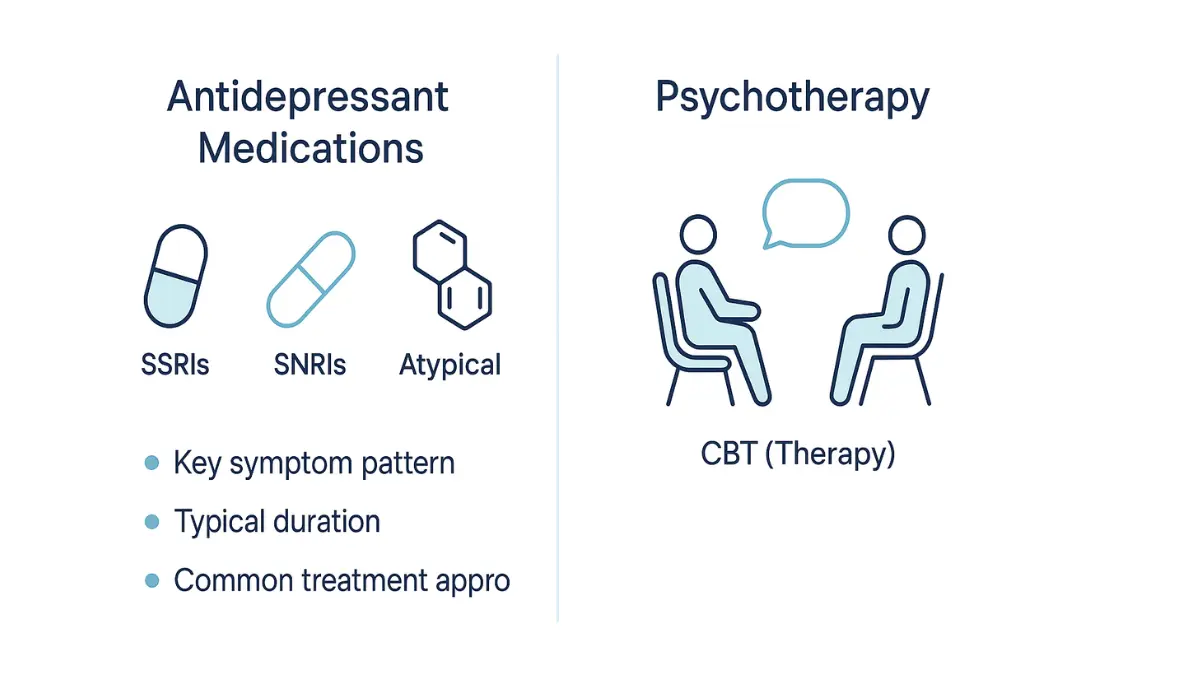
Depression medication, particularly antidepressants, balances brain chemicals like serotonin. SSRIs (e.g., sertraline) are first-line due to tolerability, while SNRIs target norepinephrine too.
| Antidepressant Class | Examples | Best For | Common Side Effects |
|---|---|---|---|
| SSRIs | Fluoxetine, Escitalopram | Mild-moderate depression | Nausea, sexual dysfunction |
| SNRIs | Venlafaxine, Duloxetine | With pain/anxiety | Blood pressure rise |
| Atypicals | Bupropion | Energy loss, smoking cessation | Insomnia, anxiety |
| TCAs/MAOIs | Amitriptyline (TCA) | Resistant cases | Sedation, dietary limits |
The FDA monitors safety; start low and monitor. Pair with our Pill Identifier for verification.
Depression Therapy: CBT, DBT, and Talk Therapy
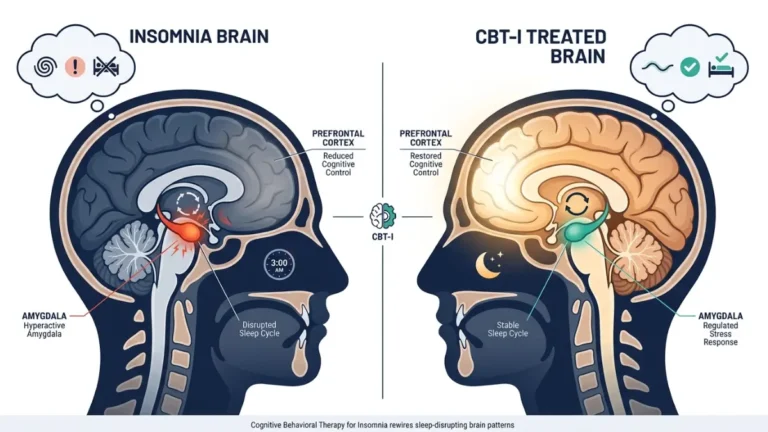
Depression therapy excels for mild-moderate cases. CBT for depression restructures negative thoughts, reducing relapse by 50% per meta-analyses. Interpersonal therapy focuses on relationships.
- CBT: 12-16 sessions, challenges distortions.
- DBT: Adds mindfulness for emotional regulation.
- Psychodynamic: Explores root causes like loss.
Does therapy work for depression? Yes, comparable to meds for non-severe cases.
Natural Treatment for Depression Without Medication
Depression natural treatment and depression without medication options show promise:
- Exercise for depression: 150 min/week aerobic cuts symptoms 30%.
- Foods that help depression: Omega-3s (salmon), folate-rich greens.
- Vitamins for depression: B12, D (if deficient).
Use our Macro Calculator, Weight Loss Calculator, and Protein Intake Calculator to optimize nutrition. The NIH supports these adjuncts.
Brain Stimulation: TMS and Electroconvulsive Therapy Depression
For resistant depression, TMS for depression uses magnets non-invasively (FDA-approved), with 50-60% response. Electroconvulsive therapy depression (ECT) achieves 70-90% remission in severe cases, safest modern form.
How is depression treated when standard fails? These bridge gaps effectively.
When to See a Doctor for Depression
When does depression become serious? Suicidal thoughts, inability to function, or no improvement after 4-6 weeks. How to talk to doctor about depression: Prepare symptom log, PHQ-9 score.
What This Means For You: Build your depression treatment plan—start with CBT for depression or SSRIs, add exercise for depression via our Pace Calculator and Heart Rate Zone Calculator. Track sleep with Sleep Calculator and hydration via Water Intake Calculator. The SAMHSA locator aids access.
How to Deal with Depression: Your Action Plan
Living with depression requires a multifaceted approach combining self-help strategies, social support, professional care, and hope for recovery. Effective coping improves quality of life and fosters long-term resilience, as supported by global evidence and guidelines from mental health authorities.
Depression Self-Help Strategies
Practical steps to support yourself daily include:
- Establishing a consistent sleep schedule using our Sleep Calculator
- Regular physical activity (aim for at least 150 minutes weekly) based on recommendations for exercise for depression
- Balanced nutrition incorporating foods and vitamins known to support mood, tracked via our Macro Calculator
- Practicing mindfulness and relaxation techniques to reduce anxiety
- Setting small, achievable goals to build momentum
How to Help Someone with Depression
Supporting loved ones involves:
- Listening with empathy, avoiding judgment or quick fixes
- Encouraging professional evaluation through tools like the Symptom Checker
- Recognizing signs of crisis; contact resources like the 988 Lifeline immediately if suicidal behavior emerges
- Offering ongoing social support to mitigate loneliness depression
Depression Support and Recovery Resources
Joining depression support groups or therapy communities can reduce isolation, provide education, and promote shared coping strategies. Many community centers and online platforms host such groups. Use the SAMHSA treatment locator to find services near you.
Is Depression Curable? Long-Term Outlook
Is depression curable? Many individuals recover fully or manage symptoms effectively with treatment, lifestyle changes, and support. Long-term remission is achievable, though some may require ongoing care. Early intervention improves prognosis significantly.
What This Means For You:
To cope effectively, start by assessing your symptoms with the Depression Test and consult a healthcare provider for a tailored plan. Leverage internal tools like the Heart Rate Zone Calculator for stress management and hydrate with the Water Intake Calculator. Stay engaged with trusted resources such as the CDC Mental Health pages.
Frequently Asked Questions about Depression
1. What is depression?
2. What are the common symptoms of depression?
Symptoms include low mood, fatigue, appetite changes, sleep problems, difficulty concentrating, feelings of worthlessness, and sometimes suicidal thoughts.
3. How is depression different from sadness?
4. Can men and women experience depression differently?
Yes. Women often have more mood-related symptoms, while men may show irritability, anger, or physical complaints, sometimes masking depression.
5. Is depression hereditary?
Depression has a genetic component, with about 40-50% heritability, increasing risk if close relatives have depression.
6. What causes depression?
Multiple factors include brain chemistry imbalances (serotonin, dopamine), genetics, life stressors, and modern triggers like pandemic isolation and social media effects.
7. What types of depression are there?
Common types include major depressive disorder, persistent depressive disorder, postpartum depression, seasonal affective disorder, and high-functioning depression.
8. How is depression treated?
Treatments include antidepressant medications, cognitive-behavioral therapy (CBT), exercise, lifestyle changes, and for severe cases, brain stimulation therapies like TMS and ECT.
9. Can depression be treated without medication?
Yes, through therapies, exercise, diet improvements, vitamins, and mindfulness strategies, which are effective especially in mild to moderate cases.
10. When should I see a doctor for depression?
Seek medical help if symptoms persist over two weeks, worsen, or involve thoughts of suicide, inability to function or severe fatigue.
11. Is depression curable?
Many people recover fully or manage symptoms effectively with treatment and support; early intervention improves outcomes significantly.
About this content
How this article was put together: researched from recognised health sources, drafted with the help of AI tools, and edited by hand, with sources linked throughout.

Sameer Patel is the founder and editor of My Medicine Advisor. He is not a doctor or medical professional — before starting this site he worked in banking,…
Medical disclaimer
The content on MyMedicineAdvisor is provided for general informational and educational purposes only and is not a substitute for professional medical advice, diagnosis, or treatment. Health information on this website should not be used to diagnose, treat, cure, or prevent any condition without guidance from a qualified healthcare professional. Always seek the advice of your doctor, physician, or another licensed healthcare provider with any questions you may have regarding a medical condition, symptoms, medications, or treatment decisions.