So that’s why my body feels wrong today
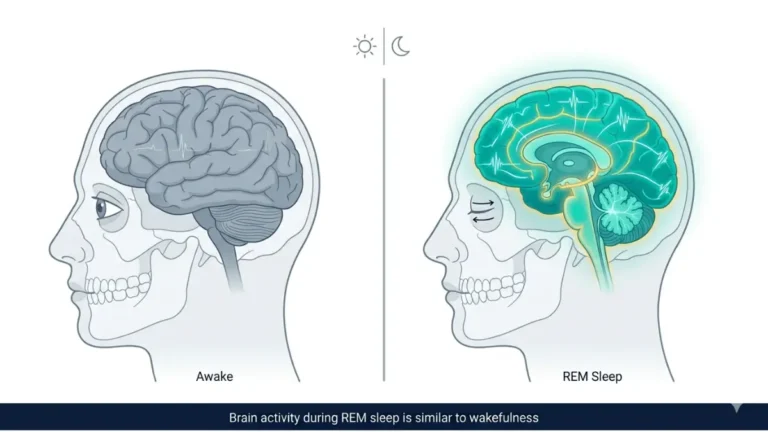
You didn’t wake up “hungover” exactly. You woke up slightly misaligned—like your body showed up to a normal day, but your brain is still in the in-between.
It can feel physical before it feels emotional: a heavy head, weird stomach, dry throat, anxious hands, a low-level fog you can’t quite name. And because it’s January 1, the feeling lands differently. It’s not just discomfort. It’s the quiet question underneath it: is something actually wrong—or is this just… me now?
The calendar changed, but your body didn’t
Yesterday wasn’t a typical day, even if it looked calm from the outside. Meals drifted later. Screens stayed on longer. Texts kept arriving. Sleep didn’t arrive when it usually does—or it arrived, but didn’t feel like it “took.”
Even people who didn’t party hard often moved through a softer kind of disruption: different conversations, different foods, different pacing, different expectations. Bodies notice pattern breaks, even when minds call them “a nice holiday.”
Why people are suddenly comparing notes
This is the day group chats fill with the same sentence written 12 different ways: “Do you feel off?” It’s not attention-seeking; it’s a search for normalization.
There’s also something about January 1 that makes private sensations feel public. A headache becomes a story. A racing heart becomes a worry. A flat mood becomes a personal failure—unless someone else says, “Same.”
This reset hits harder than people expected
January 1 isn’t only a new page. It’s a loud cultural mood shift that arrives overnight: the subtle pressure to be better, cleaner, more disciplined, more “back.” That’s a lot to lay on a body that’s still catching up.
And unlike other weekends, this one comes with symbolic weight. The messages are everywhere—fresh starts, resolutions, photos that say everyone else is thriving. Even if you’re not actively buying into it, the atmosphere is hard to ignore.

The “wrong” feeling is usually small—and personal
For some people it’s the stomach: not pain, just a sense that digestion is slow, touchy, unpredictable. For others it’s the head: cottony, tight, slightly unreal.
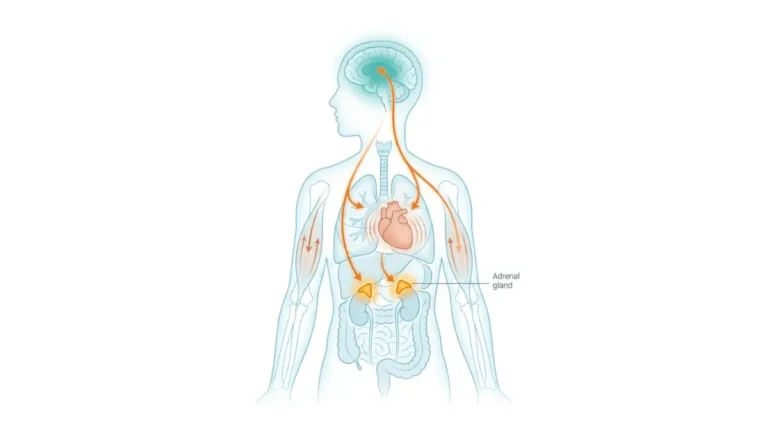
And then there’s the one that makes people pause mid-sip of water: anxiety that doesn’t match the room. You’re sitting still, but your body is behaving like something is about to happen. That’s often the tension peak—the moment you think, “Yes. This is the part I’m worried about.”
Because when a body feels unfamiliar, the mind starts scanning for explanations.
What clinicians try to say without overpromising
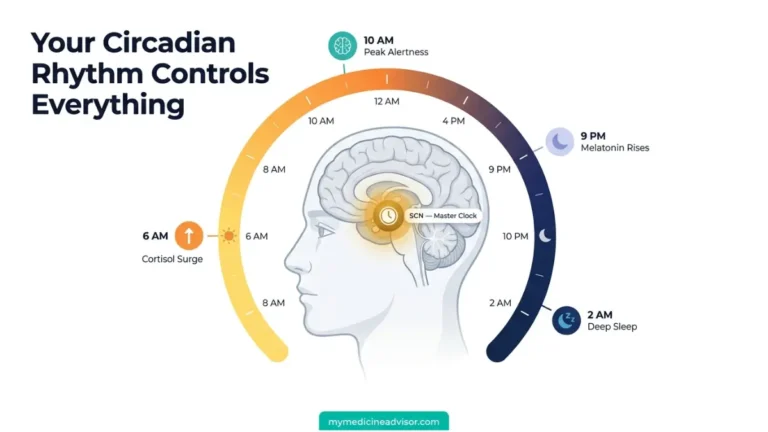
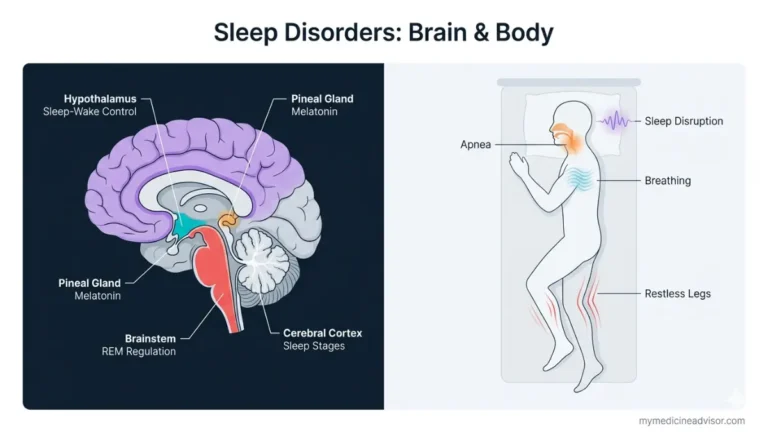
Many clinicians will gently point to a simple idea: your internal clock hates surprises, even festive ones. Circadian rhythms help coordinate sleep and waking, hormones, and other daily patterns across the body, and when that timing shifts, people can feel it in mood, energy, and appetite in ways that seem disproportionate to what happened.
That doesn’t mean “it’s all in your head.” It means the body has multiple dials—sleep timing, light exposure, stress, alcohol, rich food, travel, social overload—and they don’t always reset at midnight.
A careful limitation matters here: not every January 1 slump is just routine disruption. Winter can also magnify low mood and low energy for some people, and seasonal affective disorder is a real condition associated with certain winter-pattern symptoms like tiredness/low energy and oversleeping. If something feels intense, persistent, or unlike your usual baseline, it deserves attention—without jumping to worst-case stories.
If you’re parenting today, name it gently
Kids and teens often look “fine” while acting slightly wrong: more irritable, more clingy, more teary, more zoned out. Adults do the same thing, just with better vocabulary and quieter faces.
A calm way to frame it is to treat today like a transition day, not a verdict. You’re not trying to fix everyone’s mood; you’re showing them that bodies have lag time—and that lag time is normal.
What the next few days usually bring
For most people, the strange edge softens as ordinary cues return: familiar mornings, consistent meals, predictable obligations, the sense of time moving forward again. The body likes repetition, and repetition is coming.
If today feels unreal, it can help to remember a plain truth: January 1 is not a diagnostic moment. It’s a handoff—between one pace and another—and bodies aren’t built to switch speeds instantly.
About this content
How this article was put together: researched from recognised health sources, drafted with the help of AI tools, and edited by hand, with sources linked throughout.

Sameer Patel is the founder and editor of My Medicine Advisor. He is not a doctor or medical professional — before starting this site he worked in banking,…
Medical disclaimer
The content on MyMedicineAdvisor is provided for general informational and educational purposes only and is not a substitute for professional medical advice, diagnosis, or treatment. Health information on this website should not be used to diagnose, treat, cure, or prevent any condition without guidance from a qualified healthcare professional. Always seek the advice of your doctor, physician, or another licensed healthcare provider with any questions you may have regarding a medical condition, symptoms, medications, or treatment decisions.