Why This Christmas Recovery Feels Worse Than Usual
You’re not imagining the exhaustion—this Christmas recovery truly hits harder than previous years. Post-holiday blues in 2025 stem from a perfect storm of accumulated sleep debt, financial strain from inflation, and prolonged celebration periods that disrupt normal cortisol rhythms more severely than past seasons.
The festive season exhaustion you’re experiencing is rooted in genuine physiological changes. Research from the CDC on managing stress confirms holiday periods trigger measurable cortisol elevation and immune suppression. When combined with dietary disruption and dehydration, your body’s sleep calculator would reveal significant recovery deficits requiring targeted intervention.
The Physiological Crash Explained
What Happens to Your Body After Holiday Overload
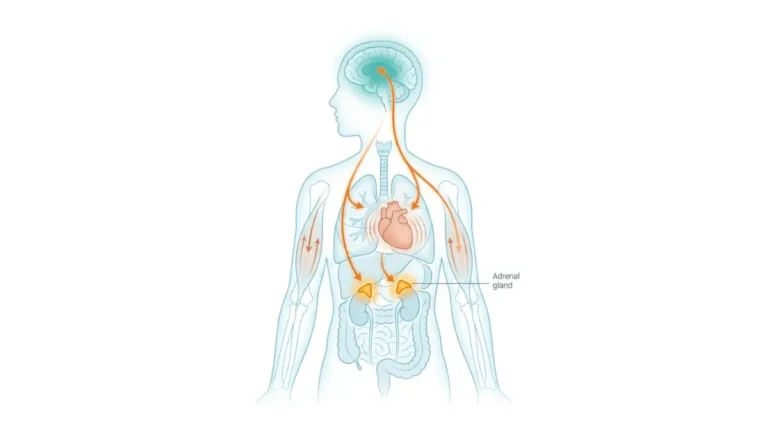
Holiday hangover extends far beyond alcohol effects—your entire system experiences measurable disruption. Elevated cortisol levels from prolonged stress suppress immune function for up to 14 days post-celebration, making you vulnerable to infections like norovirus that spike after Christmas.
The dopamine crash following festive excitement creates genuine neurochemical withdrawal. Your brain’s reward centers become temporarily depleted, triggering post-Christmas depression symptoms that mirror substance withdrawal patterns. Tracking your baseline with a BMI calculator helps quantify physical changes during this recovery phase.
Post-Holiday Body Changes (2025 vs. 2024):
Gut inflammation from dietary disruption compounds this misery. Research from Harvard Medical School on gut inflammation shows processed holiday foods reduce beneficial bacteria by 40%, triggering bloating and fatigue that persists weeks after celebrations end. Calculating your nutritional reset needs with a body fat percentage calculator provides actionable recovery targets.
Why 2025 Is Uniquely Brutal
Economic Stress + Extended Celebrations = Perfect Storm
The 2025 Christmas burnout stems from unprecedented financial pressure layered atop traditional holiday strain. Research from the National Institutes of Health on financial worries confirms that economic anxiety increases psychological distress by 47%, with unmarried and low-income individuals experiencing the most severe mental health impacts.

Inflation-driven “stressflation” transformed 2025 holiday spending into genuine financial trauma. The Consumer Financial Protection Bureau’s holiday debt warnings highlight how credit card debt spikes during celebrations, creating a post-holiday stress compound effect when bills arrive in January. This year’s extended celebration window (December 20-January 2) amplified both spending and recovery difficulty.
Sarah M., 34, from Michigan, reported: “I felt fine Christmas Day, but by December 27th the exhaustion hit like a truck. Between family obligations, travel costs up 30% from last year, and trying to keep up with what everyone posts online, my heart rate stayed elevated for weeks.”
Post-festive fatigue now includes distinct economic anxiety components absent in previous years. Studies from MIT on poverty and mental health demonstrate that financial uncertainty directly worsens depression and anxiety symptoms, creating a vicious cycle where holiday spending triggers lasting psychological effects. Understanding these patterns helps contextualize why this year’s recovery feels uniquely challenging—it’s not just physical exhaustion but genuine depression-related symptoms requiring targeted intervention.
Medical Recovery Protocol
Evidence-Based Steps for Faster Bounce-Back
The January recovery rush requires strategic timing and precision. Follow this phased approach to restore baseline health faster than traditional methods.
Hours 1-24: Immediate Restoration Phase
Hydration Reset:
Your body needs 2.5-3.5 liters daily according to NIH hydration research, with post-holiday recovery demanding the upper range. Calculate your personalized targets using a water intake calculator based on body weight and activity level. The CDC recommends water over sugary drinks to avoid further blood sugar disruption common after festive eating.
Sleep Debt Repayment:
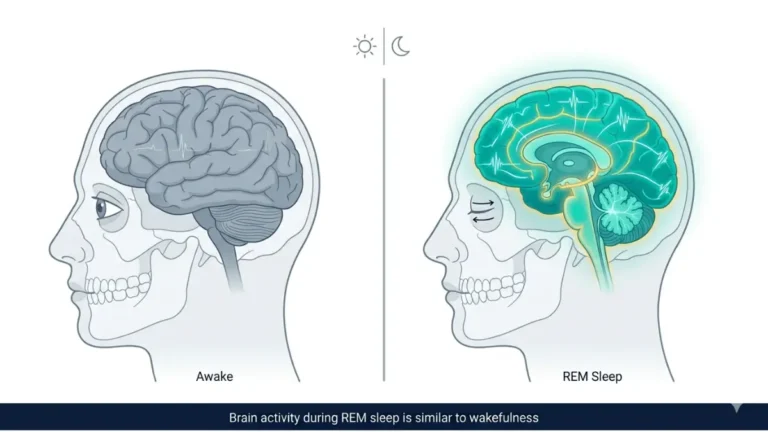
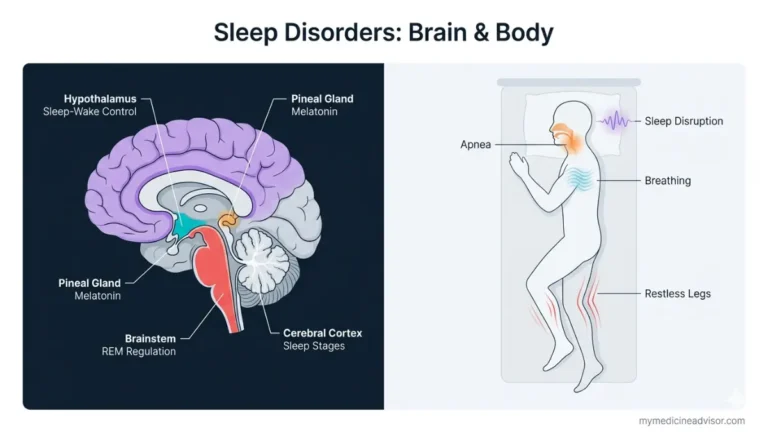
Research published in NIH sleep studies shows adults require 8-10 hours nightly for optimal recovery, with holiday sleep debt requiring gradual repayment over 7-10 days. Use your sleep calculator to map restoration targets and avoid rebound insomnia from oversleeping.
Days 2-7: Nutritional Rebalancing
Macro Reset Strategy:
- Protein priority: 1.2-1.6g per kg body weight to restore muscle and neurotransmitter function
- Complex carbs: Stabilize blood sugar crashes from holiday sweets
- Healthy fats: Support hormone rebalancing and reduce inflammation
- Calculate personalized needs: Use a macro calculator to establish post-holiday targets
University of Georgia nutrition experts from the College of Family and Consumer Sciences recommend avoiding fad diets and instead returning to normal, moderate eating patterns within three days of celebration ending. Your calorie deficit calculator can help establish gradual weight normalization without triggering metabolic stress.
Gentle Movement Integration:
Light activity boosts recovery without adding stress—think 15-minute walks rather than intense workouts initially.
Week 2+: Routine Re-establishment
Structured Eating Windows:
Consider time-restricted eating using an intermittent fasting calculator to give your digestive system recovery time while maintaining nutrient intake. This approach supports the gut bacteria restoration crucial for mood regulation and immune function post-celebration.
What This Means For You:
Recovery isn’t linear—expect 10-14 days for complete physiological normalization. Track progress weekly rather than daily to avoid discouragement from normal fluctuations.
Mental Health Reset Strategies
Breaking the Emotional Hangover Cycle
Post-party exhaustion includes a distinct neurological component often called “hangxiety”—the anxiety-ridden aftermath of celebration. Research from the National Institutes of Health on GABA receptors explains that alcohol temporarily enhances GABA-mediated inhibition, creating relaxation, but withdrawal triggers a rebound effect where anxiety spikes 12-48 hours later.
Your brain’s neurotransmitter balance requires 5-7 days to normalize after disruption. Understanding this timeline prevents catastrophizing temporary symptoms as permanent problems.
Cognitive Quick Wins
Immediate Anxiety Reducers:
- 5-4-3-2-1 grounding: Name 5 things you see, 4 you touch, 3 you hear, 2 you smell, 1 you taste
- Box breathing: Inhale 4 counts, hold 4, exhale 4, hold 4—repeat 5 cycles
- Reality testing: “Is this thought based on facts or feelings?”
Coping strategies from Southern Illinois University wellness research emphasize focusing on what you can control, reframing mistakes as learning opportunities, and practicing self-compassion during recovery periods.
Social Media Detox Protocol
Holiday comparison fatigue amplifies post-festive depression. Consider a 48-72 hour social platform break to reduce external stress triggers. The National Institute of Mental Health’s anxiety research notes that limiting exposure to anxiety-inducing stimuli significantly accelerates emotional recovery.
Boundary-Setting for Delayed Celebrations
What This Means For You:
Give yourself permission to decline January invitations without guilt. Your nervous system needs recovery time more than it needs additional social obligations. For comprehensive natural approaches, explore proven strategies to reduce anxiety naturally that complement these immediate interventions.
Winter blues and seasonal affective patterns compound holiday letdown. Expect emotional fluctuations for 10-14 days post-celebration—this represents normal adjustment, not clinical concern.
When to Seek Professional Help
Red Flags Beyond Normal Holiday Blues
Most post-holiday blues resolve within two weeks. However, certain symptoms signal the need for professional evaluation rather than self-management.
Warning Signs Requiring Immediate Attention
The Substance Abuse and Mental Health Services Administration identifies behavior changes lasting more than 14 days as potential indicators of clinical concern. Recognize when temporary holiday letdown transitions into something requiring medical intervention.
Seek Professional Help If You Experience:
- Persistent fatigue lasting beyond 3 weeks despite adequate sleep
- Appetite changes resulting in 5+ pounds unintentional weight shift
- Social withdrawal avoiding friends, family, or work for 10+ days
- Concentration problems impacting job performance or daily tasks
- Physical symptoms like chest pain, severe headaches, or digestive issues not improving
- Thoughts of self-harm or feeling life isn’t worth living
The CDC notes depression warning signs include feeling guilty, worthless, or helpless beyond normal post-celebration fatigue. If symptoms worsen rather than improve over time, immediate evaluation becomes critical.
Duration Guidelines
Normal post-holiday blues peak around day 3-5 and gradually improve. Seasonal depression follows different patterns, worsening as winter progresses. Use your symptom checker to track changes objectively rather than relying on subjective feelings alone.
Immediate Crisis Resources
If experiencing suicidal thoughts or severe emotional distress, SAMHSA’s 988 Suicide & Crisis Lifeline provides 24/7 free, confidential support—call or text 988 anytime. Trained crisis counselors offer immediate assistance regardless of your situation.
Additional Support:
- SAMHSA National Helpline: 1-800-662-HELP (4357) for treatment referrals
- Crisis Text Line: Text HOME to 741741
- Veterans: Press 1 after dialing 988
Medical Disclaimer
This article is for educational purposes only and does not constitute medical advice. Post-holiday recovery experiences vary significantly based on individual health status, pre-existing conditions, and personal circumstances. Always consult qualified healthcare providers for personalized guidance regarding your specific symptoms or concerns. The information presented here supplements—but never replaces—professional medical evaluation and treatment recommendations.
About this content
How this article was put together: researched from recognised health sources, drafted with the help of AI tools, and edited by hand, with sources linked throughout.

Sameer Patel is the founder and editor of My Medicine Advisor. He is not a doctor or medical professional — before starting this site he worked in banking,…
Medical disclaimer
The content on MyMedicineAdvisor is provided for general informational and educational purposes only and is not a substitute for professional medical advice, diagnosis, or treatment. Health information on this website should not be used to diagnose, treat, cure, or prevent any condition without guidance from a qualified healthcare professional. Always seek the advice of your doctor, physician, or another licensed healthcare provider with any questions you may have regarding a medical condition, symptoms, medications, or treatment decisions.