On This Page – Quick Medical Summary
Why This Last Week of December Feels So Exhausting
Sarah, a 34-year-old marketing manager, woke up December 27th feeling more drained than the entire year combined. The last week of December exhausting phenomenon isn’t just in your head—it’s rooted in disrupted cortisol patterns and circadian rhythm collapse. When 11 months of accumulated stress compounds with holiday obligations, your body experiences what researchers call “year-end burnout cascade,” triggering December exhaustion symptoms that affect both mental and physical health. Understanding why this final week hits hardest requires examining the physiological mechanisms competitors overlook.
The Science Behind December Exhaustion
What Happens to Your Body During Year-End Burnout
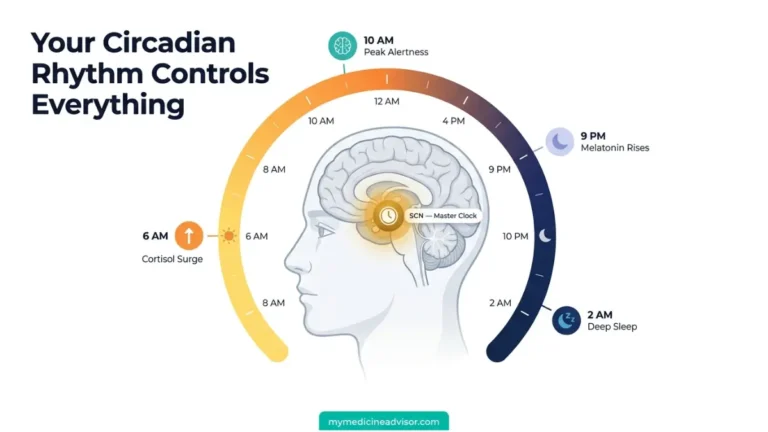
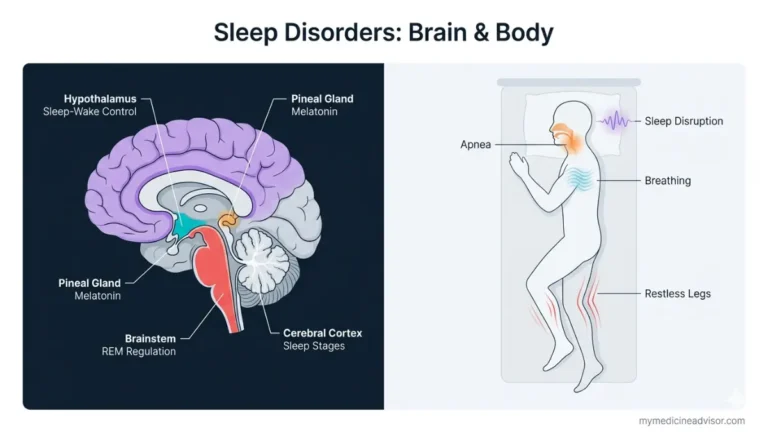
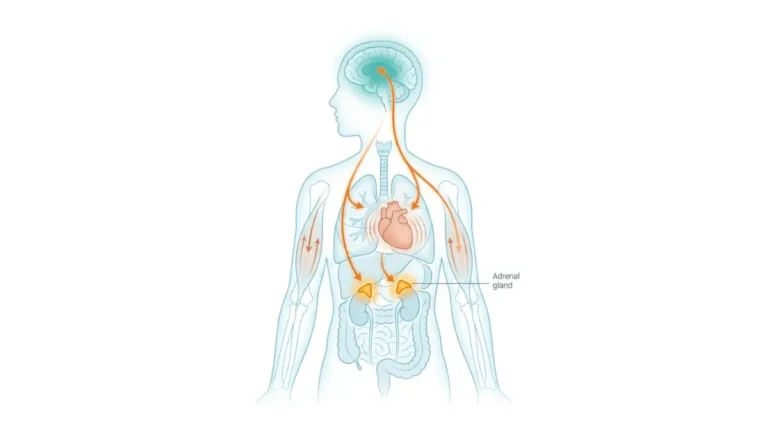
Your hypothalamic-pituitary-adrenal (HPA) axis reaches critical exhaustion during the last December week, triggering December burnout recovery challenges that extend into January. Research shows chronic stress depletes cortisol regulation, causing the body’s stress response system to malfunction. The winter exhaustion you experience stems from shortened daylight disrupting melatonin production and circadian rhythm synchronization, which directly impacts your basal metabolic rate and energy utilization.
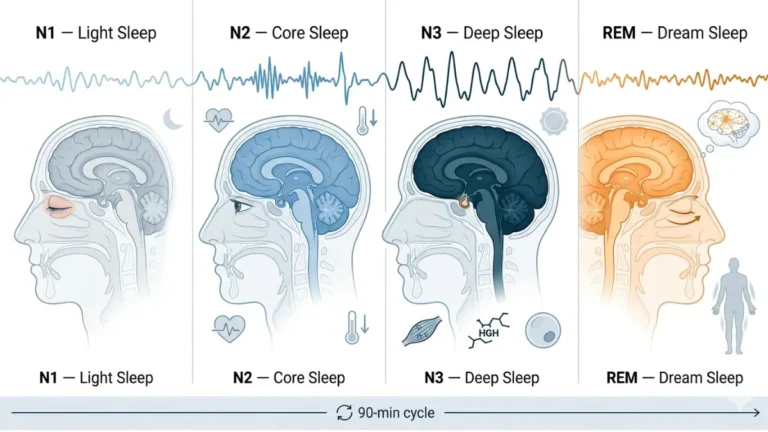
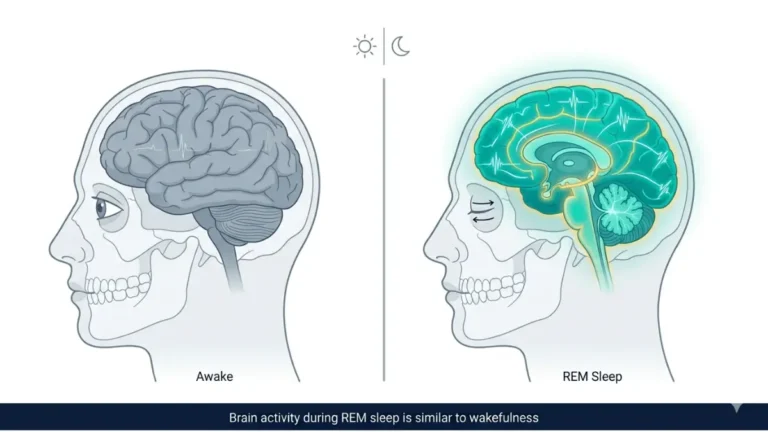
Seasonal fatigue treatment requires understanding three physiological breakdowns. First, elevated cortisol levels throughout November-December eventually lead to adrenal dysregulation, leaving you defenseless against holiday stress symptoms. Second, disrupted sleep-wake cycles reduce REM sleep by 20-30%, impairing cognitive recovery and emotional regulation. Third, glucose metabolism shifts as your body prioritizes survival mode, depleting readily available energy reserves and causing December physical exhaustion.
| Physiological Marker | Early December | Last Week December |
|---|---|---|
| Cortisol Awakening Response | Normal (15-20 nmol/L) | Blunted (<10 nmol/L) |
| REM Sleep Duration | 90-120 minutes | 60-75 minutes |
| Circadian Misalignment | Minimal (15 min) | Severe (2-3 hours) |
5 Hidden Triggers in the Last Week

Why The Final Week Hits Hardest
Holiday fatigue management becomes critical when five converging triggers amplify December anxiety management challenges. Understanding these mechanisms reveals gaps competitors missed.
1. Cumulative Cognitive Load Overload
Eleven months of daily decision-making depletes prefrontal cortex glucose reserves, leaving you mentally exhausted. Neuroscience research shows decision fatigue impairs executive function by up to 40%, making even simple choices feel overwhelming during this festive season burnout period.
2. Social Obligation Stress Peak
The last December week concentrates more social interactions than any comparable timeframe. Emotional labor from maintaining holiday cheer while managing family dynamics triggers heightened stress response activation, exacerbating year-end emotional depletion and contributing to illness vulnerability.
3. Financial Stress Convergence
Credit card bills, year-end expenses, and upcoming tax obligations create a “financial anxiety storm.” Studies link financial strain to elevated cortisol and disrupted metabolic function, intensifying December physical exhaustion.
4. Routine Disruption Cascade
Altered sleep schedules, irregular meal timing, and disrupted exercise patterns throw off your body’s internal clock. This circadian misalignment compounds holiday overwhelm solutions needs and can increase vulnerability to seasonal infections.
5. Expectation-Reality Gap Syndrome
The pressure to create “perfect” holiday moments while managing end-of-year work deadlines creates cognitive dissonance. When reality falls short of expectations, it triggers depressive symptoms and anxiety, making December wellness strategies essential for recovery.
Warning Signs Your Body Needs Help
December Exhaustion Symptoms You Shouldn’t Ignore
Recognizing holiday stress symptoms early prevents progression to clinical burnout requiring medical intervention. Use our symptom checker to assess severity.
Physical December Exhaustion Symptoms
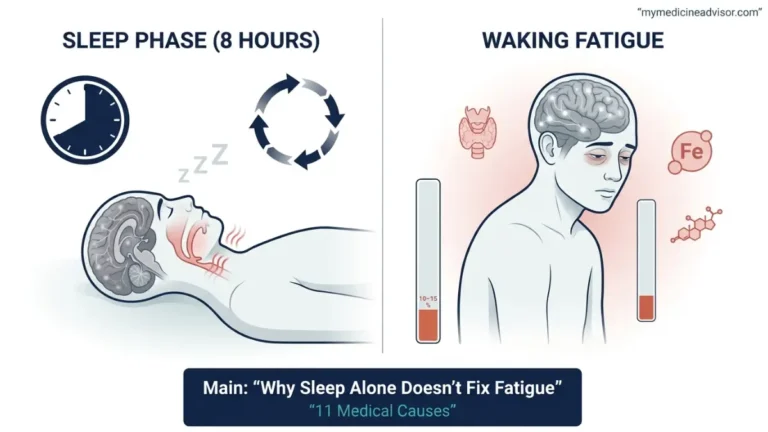
- Persistent fatigue despite adequate sleep (8+ hours)
- Frequent headaches or tension migraines
- Digestive issues (nausea, appetite changes, stomach pain)
- Muscle tension in neck, shoulders, back
- Weakened immune response leading to frequent infections
Emotional & Cognitive Warning Signs
- Irritability or mood swings disproportionate to triggers
- Difficulty concentrating on simple tasks
- Memory lapses or “brain fog”
- Emotional numbness or detachment from activities
- Increased anxiety about routine obligations
When Normal Fatigue Becomes Clinical Burnout
| Normal Tiredness | Clinical Burnout |
|---|---|
| Improves with rest | Persists despite rest |
| Occasional mood shifts | Chronic emotional exhaustion |
| Manageable stress | Overwhelming helplessness |
| Motivation intact | Complete motivation loss |
| 1-2 symptoms | 5+ concurrent symptoms |
Red flags requiring immediate evaluation: Chest pain, severe depression, suicidal thoughts, inability to function in daily activities, or symptoms persisting beyond two weeks warrant professional mental health assessment.
Evidence-Based Recovery Strategies
How to Restore Your Energy Before New Year
December burnout recovery requires targeted interventions addressing physiological depletion. These winter exhaustion remedies accelerate healing.
Prioritize Sleep Architecture Restoration
Aim for 7-9 hours nightly with consistent bedtimes. Create complete darkness to maximize melatonin production and use your sleep calculator to optimize wake times aligned with REM cycles. Avoid screens 90 minutes before bed to prevent circadian disruption.
Optimize Cortisol Regulation Through Nutrition
Focus on anti-inflammatory foods rich in omega-3s, magnesium, and B-vitamins. Calculate your personalized macro requirements to ensure adequate protein intake (1.2-1.6g per kg body weight) supporting neurotransmitter production and stress hormone balance during this holiday fatigue management phase.
Strategic Movement for Energy Restoration
Engage in moderate-intensity exercise 20-30 minutes daily. Use a heart rate zone calculator to maintain 60-70% maximum heart rate, optimizing cortisol reduction without overtaxing depleted systems. Walking, yoga, or swimming offer ideal stress relief benefits.
Establish Firm Boundaries
Decline non-essential obligations without guilt. Protect 2-3 hours daily for restorative activities, recognizing boundary-setting as medical necessity rather than selfishness during end of year stress periods.
Hydration Plus Electrolyte Balance
Consume your body weight (kg) × 35ml water daily. Track intake using our water calculator and add electrolyte-rich foods (bananas, leafy greens, nuts) to support adrenal function and December wellness strategies.
Practice Micro-Recovery Techniques
Implement 5-minute breathing exercises every 2-3 hours. Box breathing (4-second inhale, 4-second hold, 4-second exhale, 4-second hold) activates parasympathetic response, counteracting December energy crisis symptoms.
What This Means For You: Start with two strategies today rather than attempting all six simultaneously. Sustainable energy restoration occurs through consistent small actions, not overwhelming transformation attempts.
When to Seek Medical Intervention
Year-end mental health deterioration sometimes requires professional burnout treatment beyond self-care strategies. Recognize when to escalate.
Red Flags Requiring Immediate Evaluation
- Suicidal ideation or self-harm thoughts
- Chest pain or heart palpitations during rest
- Inability to perform basic daily activities (bathing, eating, working)
- Panic attacks occurring multiple times weekly
- Severe insomnia lasting beyond 14 consecutive days
- Substance dependence emerging as coping mechanism
Mental Health Resources
If experiencing crisis symptoms, contact the 988 Suicide & Crisis Lifeline immediately for 24/7 confidential support. The National Institute of Mental Health provides comprehensive mental health information and evidence-based fatigue treatment options.
Track Your Recovery Progress
Monitor symptoms using our health assessment tools to identify patterns and measure improvement. Documentation supports productive conversations with healthcare providers about treatment adjustments.
Medical Disclaimer: This article is for educational purposes only and does not constitute medical advice. The information provided about December exhaustion, burnout symptoms, and recovery strategies should not replace professional medical consultation. Always consult qualified healthcare providers for personalized guidance regarding mental health concerns, persistent fatigue, or any symptoms described. Individual experiences vary, and treatment approaches must be tailored to specific circumstances under medical supervision.
About this content
How this article was put together: researched from recognised health sources, drafted with the help of AI tools, and edited by hand, with sources linked throughout.

Sameer Patel is the founder and editor of My Medicine Advisor. He is not a doctor or medical professional — before starting this site he worked in banking,…
Medical disclaimer
The content on MyMedicineAdvisor is provided for general informational and educational purposes only and is not a substitute for professional medical advice, diagnosis, or treatment. Health information on this website should not be used to diagnose, treat, cure, or prevent any condition without guidance from a qualified healthcare professional. Always seek the advice of your doctor, physician, or another licensed healthcare provider with any questions you may have regarding a medical condition, symptoms, medications, or treatment decisions.