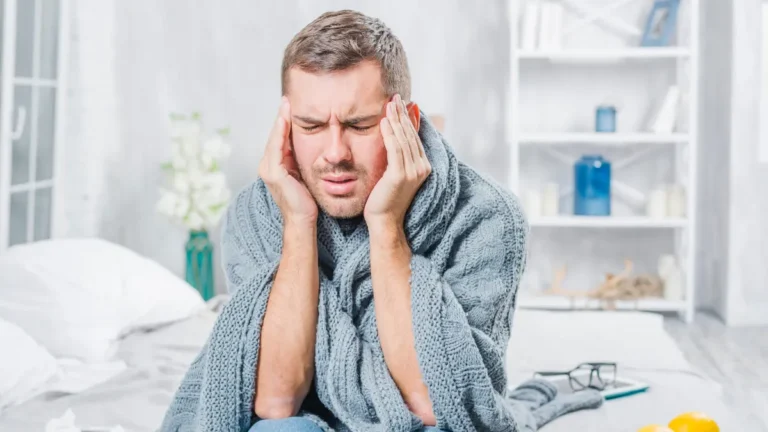
Rest doesn’t work like it used to
You sleep in, you cancel plans, you “take it easy”—and somehow you still don’t feel like yourself. It’s a strangely modern kind of exhaustion: not dramatic, not always visible, but persistent enough that it starts to mess with your confidence.
A lot of people don’t describe it as being sleepy. They describe it as being dulled. Like the battery is charging, but the percentage never climbs past a certain point—and you’re left wondering what, exactly, rest is supposed to fix now.
When downtime stopped resetting you
It used to be simple: a quiet night, a lazy morning, maybe one unstructured day, and your body would settle back into place.
Now, rest can land differently. You do the “right” things—less screen time, more water, a night in—and the payoff doesn’t arrive. The tiredness has a texture to it: heavier, foggier, harder to talk yourself out of.
That’s the unnerving part. Not that you’re worn out—life is demanding—but that the usual repair mechanisms feel weaker than they used to.
The phrase people keep repeating
Listen to how people say it out loud: “I’m exhausted, but I could still… do things.” Or: “I’m tired, but I’m not sleepy.” That distinction matters, because it points to a shift in what people think they’re experiencing.
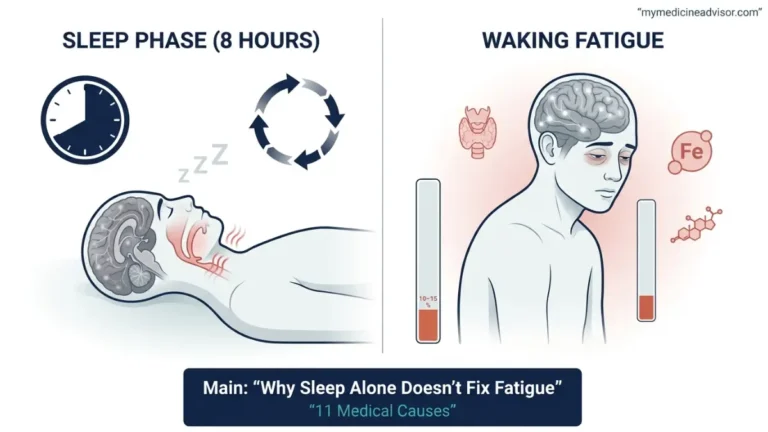
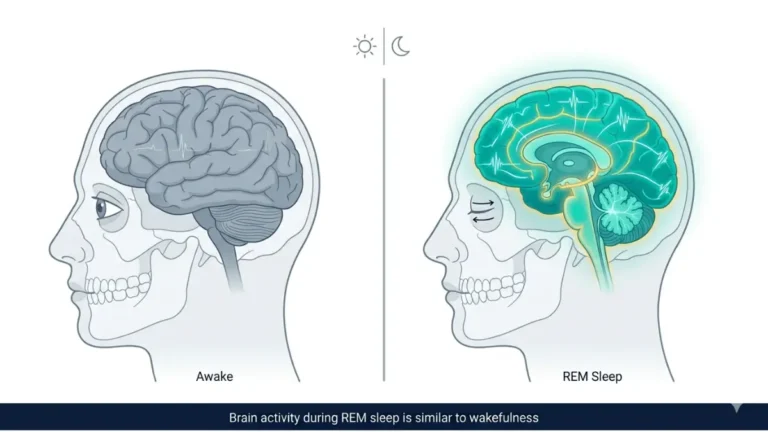
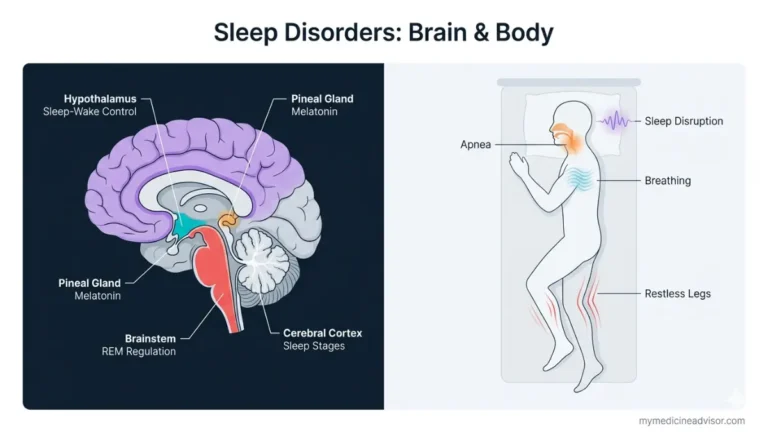
Sleepiness is the body pulling you toward sleep. Fatigue is broader—mental, physical, emotional—and it doesn’t always resolve with a long night. Research in sleep medicine has described “sleepy” and “fatigued” as distinct concepts rather than interchangeable ones.
So when someone says, “I slept, but I’m still wiped,” it’s not necessarily a contradiction. It may be an accurate description of the problem.

Why it feels different right now
Part of what makes this moment confusing is that many of the old explanations don’t fully fit. It’s not always a single crisis. Sometimes life looks “fine” from the outside. Sometimes work has even calmed down. Yet the body is acting like it’s bracing for impact.
There’s also a cultural whiplash underneath all of it: years of disruption, adaptation, and vigilance—followed by a loud insistence that everything is back to normal. People are expected to perform “normal” again while still carrying changes they can’t quite name.
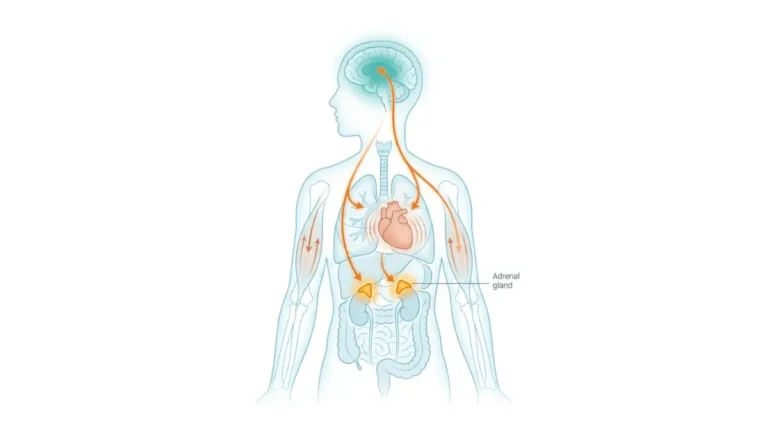
And then there’s the quiet possibility that lingers in the background for some: that an infection, an illness, or a stretch of repeated stress changed something about how the body spends energy. The CDC lists tiredness or fatigue that interferes with daily life—and symptoms that worsen after physical or mental effort—as commonly reported in Long COVID.
That doesn’t mean every tired person has Long COVID. It does mean the shared vocabulary around exhaustion has expanded, and more people are trying to locate themselves inside it.
How it shows up in real life
It often appears in ordinary moments, not dramatic ones.
You might notice it when:
- A simple errand feels oddly expensive, like it comes with a “recovery day.”
- You can focus at work, but feel strangely hollow afterward.
- You keep cancelling social plans—not because you don’t care, but because being “on” feels like lifting a weight.
- You rest all weekend, then feel a quiet dread on Sunday night because you’re not actually replenished.
This is where the tension peaks for many people: the fear that this isn’t just tiredness—it’s a new baseline. The thought can be quick and sharp: “What if I don’t bounce back?”
The calming truth is that bodies are not static, and exhaustion is one of the least specific signals a body can send. It can reflect stress, grief, sleep disruption, under-recovery, mood changes, medication effects, lingering illness, or a dozen other overlapping factors—some temporary, some treatable, some still being understood.
The careful thing clinicians emphasize
In careful conversations about fatigue, one theme comes up again and again: don’t force a single story onto a messy symptom.
Burnout, for example, has a popular meaning (a catch-all for being drained), but the World Health Organization defines burn-out specifically in the occupational context, tied to chronic workplace stress that hasn’t been successfully managed. Even that definition doesn’t cover every kind of depleted feeling people bring into their kitchens, commutes, and relationships.
Long COVID, similarly, is real for many people and still evolving as a category; the CDC notes that more than 200 symptoms have been identified, which hints at how wide the umbrella can be.
A grounded approach—without turning your life into a self-surveillance project—is to hold two ideas at once:
- This feeling deserves to be taken seriously.
- It may not have one neat cause, timeline, or label.
One honest limitation: even with good medical workups and emerging research, fatigue can remain frustratingly nonspecific. Sometimes clarity arrives in patterns over time, not in a single answer.
If you’re parenting through it
Parents often carry a particular kind of worry here: not just “What’s wrong with me?” but “What does my tiredness do to my kids?”
The gentlest framing is to treat this as information, not a personal failure. Kids don’t need a superhero parent who never gets depleted; they need an adult who can name reality without making it scary. That can sound like: “My energy is low today, so we’re doing a quieter night,” and letting that be enough.
If you’re co-parenting or caring for others, it can also help to stop negotiating every rest moment like it’s a luxury. When exhaustion becomes chronic, rest isn’t a reward—it’s part of the infrastructure that keeps a household humane.
What the near future may bring
The next stretch likely won’t be defined by one breakthrough answer. It will be defined by better language—and more permission to talk about what’s changed without turning it into panic.
Researchers are still watching post-viral syndromes, workplaces are still renegotiating boundaries, and families are still rebuilding routines that actually restore people instead of just pausing them. In the meantime, many readers may find relief in a quieter realization: if rest isn’t fixing how you feel, it doesn’t automatically mean you’re doing rest wrong.
It may mean the thing you’re calling “tired” is bigger than sleep—and your body is asking for a different kind of care, one that starts with taking the signal seriously and ends with you feeling like yourself again.
About this content
How this article was put together: researched from recognised health sources, drafted with the help of AI tools, and edited by hand, with sources linked throughout.

Sameer Patel is the founder and editor of My Medicine Advisor. He is not a doctor or medical professional — before starting this site he worked in banking,…
Medical disclaimer
The content on MyMedicineAdvisor is provided for general informational and educational purposes only and is not a substitute for professional medical advice, diagnosis, or treatment. Health information on this website should not be used to diagnose, treat, cure, or prevent any condition without guidance from a qualified healthcare professional. Always seek the advice of your doctor, physician, or another licensed healthcare provider with any questions you may have regarding a medical condition, symptoms, medications, or treatment decisions.