
On This Page – Quick Medical Summary
Took Tylenol and your AST came back high? Start here
A high AST after taking Tylenol (acetaminophen) has a clear path forward. What matters is how much you took, over how many days, and how high the number is.
Find your situation fast
- Took normal doses and got a mildly high result: read the dose-effect and AST-size sections.
- Caring for someone on daily pain medicine: read the hidden-acetaminophen section.
If you may have taken too much
Took more than the label allows, even spread over several days? Call Poison Help at 1-800-222-1222 now, even if you feel fine. If you’re still decoding the number itself, start with what a high AST result means.
ℹ️ Medical Disclaimer: This article explains acetaminophen and AST results for general education. It cannot diagnose liver injury, set your personal dose limit, or guide overdose treatment. For a possible overdose, contact Poison Help or emergency services; for dosing, liver test results or any prescribed medicine, ask a pharmacist, primary care physician or board-certified hepatologist before acting.
How acetaminophen can raise AST and ALT
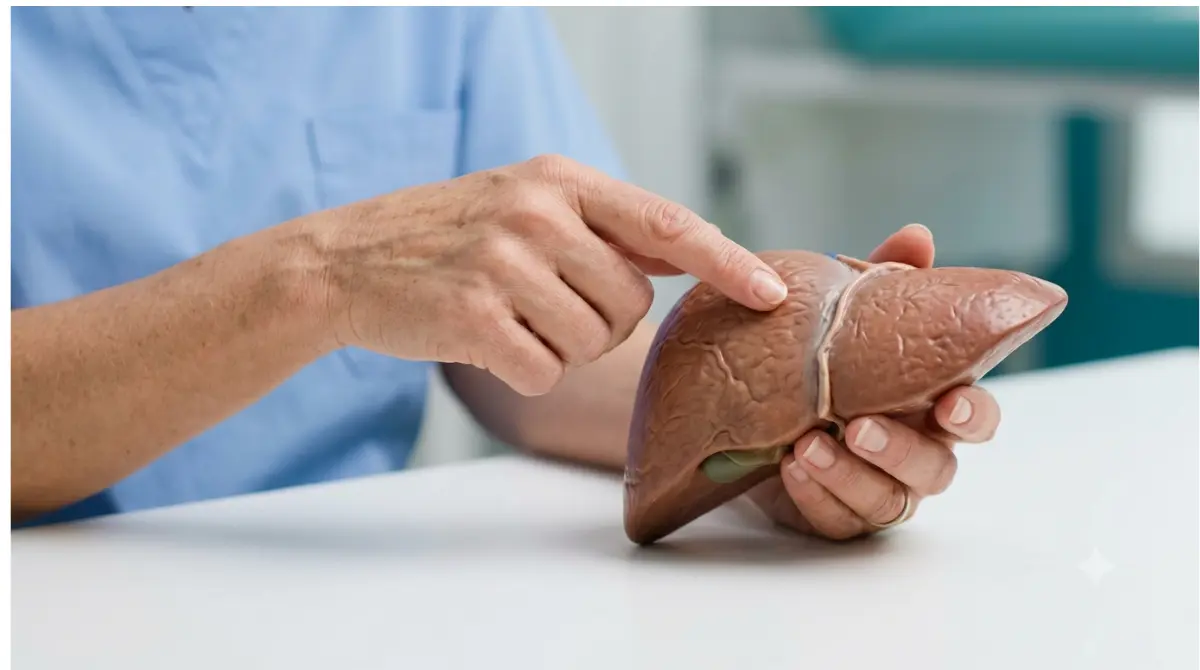
Your liver processes almost all the acetaminophen you swallow, so too much shows up on liver tests first.
What happens at normal doses
Per StatPearls, an NIH-hosted clinical review, about 90% becomes harmless compounds that leave in the urine. About 8% becomes a reactive byproduct called NAPQI, which the liver neutralizes with its antioxidant glutathione.
When the liver’s defenses run low
🔬 How It Works: When too much acetaminophen arrives, the safe pathways fill up and more NAPQI forms. Once glutathione runs out, NAPQI damages liver cells, which release AST and ALT into the blood. Fasting or poor nutrition can tip this balance sooner.
AST also comes from muscle and heart, so it’s read alongside ALT before the liver is blamed.
Can normal Tylenol doses raise your liver enzymes?

Yes, sometimes, even at label doses. Taking 4 grams a day can cause temporary liver-enzyme rises, usually after 3 to 7 days and rarely with symptoms.
What the 4-gram trial found
In a trial of 145 healthy adults taking 4 grams a day, 31% to 44% of the acetaminophen groups had ALT above three times normal, versus none on placebo. It tracked ALT, not AST, so evidence for AST at label doses is less direct.
📊 Clinical Data Point: Peak liver enzymes rose above three times normal in 39% of people taking 4 grams daily. Source: NIH’s LiverTox entry on acetaminophen.
Why the rise is usually temporary
These rises usually fade once acetaminophen stops, per LiverTox. Knowing when to repeat a liver function test helps separate a passing bump from a trend.
✅ Patient Action: Ask your primary care physician: “Could my acetaminophen use explain this, and when do we repeat the panel?”
Mild rise or liver injury? How the size of your AST matters
How far your AST rises, and when, separates a label-dose bump from poisoning.
Reading your result against your lab’s range
MedlinePlus lists a typical normal AST of 8 to 33 U/L, though each lab sets its own reference range. If yours is under three times the limit, see AST levels under three times normal.
Two very different patterns
| Pattern | What AST and ALT do | Timing | Key Clinical Detail |
|---|---|---|---|
| Daily use at label doses | Mild to moderate, often silent | Starts after 3–7 days | Usually settles; list your doses for your clinician |
| Overdose or repeated extra doses | Normal at first, then climbing; peaks often exceed 10,000 IU/L | Peaks at 72–96 hours | Treated as poisoning: Poison Help or ER |
| Any level plus yellow skin, confusion or bleeding | Varies | Any time | Symptoms outrank the number: same-day care |
Sources: NIH LiverTox; StatPearls (updated March 2026); MedlinePlus AST test reference.
🩺 Physician Note: StatPearls notes acetaminophen injury typically pushes aminotransferases above 3,000 IU/L with a rising INR, a clotting measure. Raised enzymes after repeated extra doses warrant the antidote, so seek urgent care.
How much acetaminophen is too much for your liver?
FDA’s maximum recommended adult dose of acetaminophen is 4,000 mg in 24 hours, from every medicine combined. The liver warning also flags:
- Taking it with other drugs that contain acetaminophen
- Having 3 or more alcoholic drinks every day while using it
The 4,000 mg label limit
Treat 4,000 mg as a ceiling, not a target; StatPearls’ review of acetaminophen toxicity lists 3 grams a day as the usual adult maximum.
When your clinician may set a lower limit
If you have liver disease or drink heavily, your clinician may set a lower total. Fasting, poor nutrition and seizure medicines such as carbamazepine can also raise risk.
✅ Patient Action: Ask your hepatologist: “Given my AST and my drinking, what daily acetaminophen limit is safe for me?”
Hidden acetaminophen and who faces higher risk
About half of US acetaminophen poisonings are unintentional, StatPearls reports.
Where acetaminophen hides
FDA’s advice on hidden acetaminophen points to cold, cough and flu products and prescription painkillers with codeine, oxycodone or hydrocodone. It notes prescription labels don’t always spell out “acetaminophen,” and advises against taking more than one OTC product containing it.
In a US study of acetaminophen-related acute liver failure, 38% of unintentional cases involved two or more acetaminophen products at once. Review other medicines that can raise liver enzymes too.
Alcohol and other risk factors
StatPearls adds that heavy drinking mainly raises risk alongside repeated extra doses, fasting or poor nutrition.
✅ Patient Action: Ask your pharmacist: “Which of my medicines contain acetaminophen, and what’s my daily total?”
Warning signs that need medical care today
Overdose symptoms may not appear for 12 hours or more, so don’t wait for them before acting.
Symptoms can be delayed
FDA lists these possible overdose symptoms:
- Nausea or vomiting
- Abdominal pain
- Confusion
- Yellowing of the skin or eyes (jaundice)
The full timeline is in our guide to acetaminophen liver damage symptoms.
Why the first hours matter
⚠️ Clinical Warning: If you may have taken too much, call Poison Help at 1-800-222-1222 or 911 now. The antidote, N-acetylcysteine, works best within 8 hours of an overdose. MedlinePlus acetaminophen overdose guidance explains what happens next.
Tylenol and high AST: quick answers
1. Can Tylenol cause high AST?
Yes. Label doses can cause temporary liver-enzyme rises; overdoses cause far larger ones. Ask your primary care physician to review your Tylenol doses.
2. How long until liver enzymes settle after stopping Tylenol?
Mild liver-enzyme rises from label doses usually fade once acetaminophen stops. Ask your primary care physician when to repeat the panel.
3. How much Tylenol is too much?
FDA’s adult maximum is 4,000 mg of acetaminophen in 24 hours from all products. Ask your pharmacist if a lower limit applies.
4. Can I take Tylenol with high AST?
With high AST, if you’ve exceeded the label limit, call Poison Help; otherwise ask your hepatologist for your limit.
5. What AST level is dangerous after a Tylenol overdose?
After a Tylenol overdose, AST often climbs into the thousands. Any raised AST after extra doses needs urgent care.
6. What are the first signs of Tylenol liver damage?
Tylenol liver damage may cause nausea, vomiting, abdominal pain, confusion or jaundice, but symptoms can take 12 hours or more to appear.
7. Can you drink alcohol while taking Tylenol?
The acetaminophen liver warning cautions against 3 or more alcoholic drinks daily. Ask your pharmacist whether any drinking is safe for you.
8. Which medicines contain hidden acetaminophen?
Many cold, cough and flu products and prescription painkillers with codeine, oxycodone or hydrocodone contain acetaminophen. Ask your pharmacist to check yours.
9. Should I tell my doctor about Tylenol before a liver test?
Yes. Recent acetaminophen use can explain raised liver enzymes, so tell the clinician ordering your liver panel how much Tylenol you took.
10. Does Tylenol raise AST or ALT more?
In an overdose both rise sharply; the main label-dose trial measured ALT, so less is known about AST at normal doses.
11. What should I do if I took too much Tylenol?
If you took too much Tylenol, call Poison Help at 1-800-222-1222 now. The antidote works best within 8 hours.
The one step to take today
Add up every milligram of acetaminophen from the last 24 hours, cold medicines and prescriptions included. Over the label limit? Call Poison Help now. If not, bring that total and your lab report to your primary care physician and ask: “Could this explain my AST, and when do we recheck?”
About this content
How this article was put together: researched from recognised health sources, drafted with the help of AI tools, and edited by hand, with sources linked throughout.

Sameer Patel is the founder and editor of My Medicine Advisor. He is not a doctor or medical professional — before starting this site he worked in banking,…
Medical disclaimer
The content on MyMedicineAdvisor is provided for general informational and educational purposes only and is not a substitute for professional medical advice, diagnosis, or treatment. Health information on this website should not be used to diagnose, treat, cure, or prevent any condition without guidance from a qualified healthcare professional. Always seek the advice of your doctor, physician, or another licensed healthcare provider with any questions you may have regarding a medical condition, symptoms, medications, or treatment decisions.