
On This Page – Quick Medical Summary
Can your medication be raising your ALT?
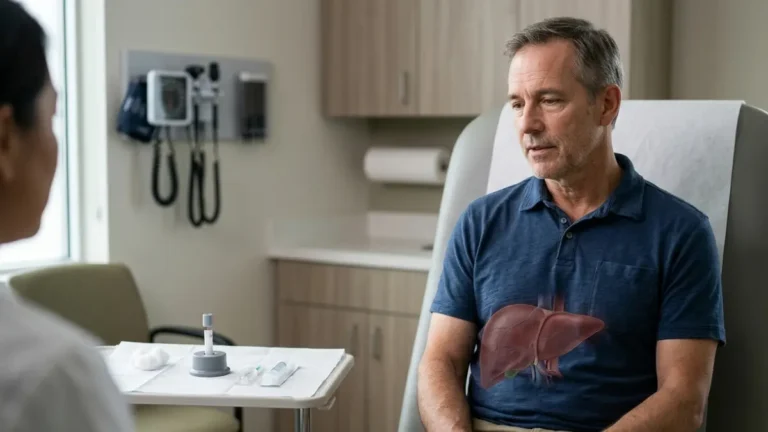
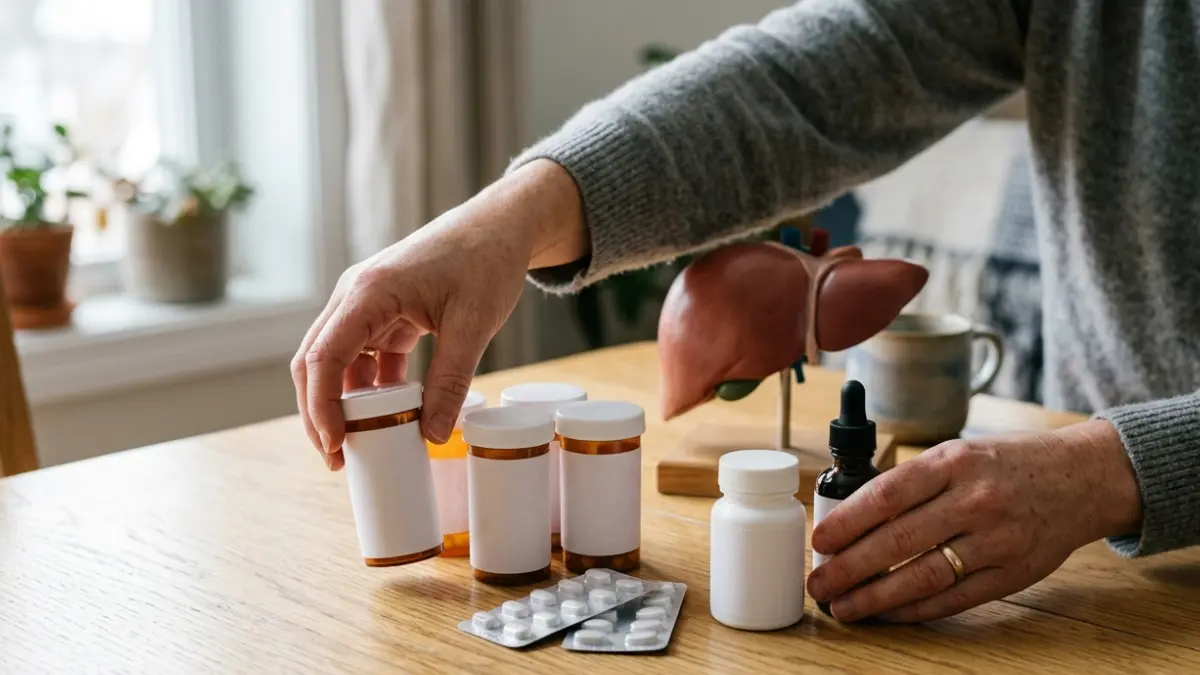
If your liver panel came back with a high ALT, your medicine cabinet is one of the first places worth checking. Many prescription drugs, over-the-counter pain relievers, and supplements can raise ALT (alanine aminotransferase), and many drug-related rises are mild.
The 12 common culprits are acetaminophen, NSAIDs, statins, amiodarone, amoxicillin-clavulanate, trimethoprim-sulfamethoxazole, nitrofurantoin, isoniazid, azole antifungals, valproate and other seizure drugs, methotrexate, and herbal supplements.
Find your situation:
- Pain reliever or heart medicine: see Section 3.
- Recent antibiotic, even one you’ve finished: see Section 4.
- Long-term prescription or supplement: see Section 5.
- Yellow skin, dark urine, or belly pain: skip to the warning signs now.
ℹ️ Medical Disclaimer: This article is general education about medications, lab results, and liver symptoms. It does not diagnose conditions, recommend treatment, or replace advice about starting, stopping, or dosing any medication. Before changing any medicine or acting on a lab result, speak with your prescribing physician, a board-certified gastroenterologist or hepatologist, or a pharmacist.
How medications push ALT above normal
ALT is an enzyme found mainly inside liver cells, and it leaks into the blood when those cells are stressed.
Predictable vs unpredictable liver reactions
🔬 How It Works: Some drugs harm the liver in a predictable, dose-related way. Acetaminophen is the classic example, and its injury shows up soon after too much is taken. Most other drugs cause idiosyncratic reactions: rare, unpredictable, and not tied to dose.
What counts as a high ALT
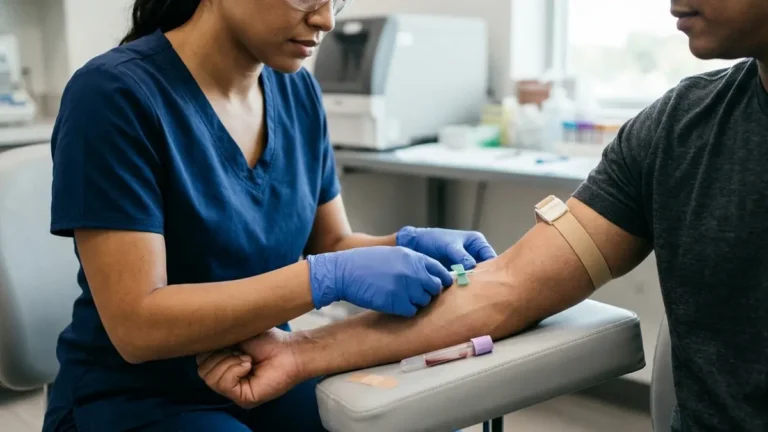
The American College of Gastroenterology guideline defines a truly healthy ALT as about 29–33 IU/L for men and 19–25 IU/L for women. Those cutoffs are lower than many lab reports use. When ALT rises out of proportion to alkaline phosphatase, doctors call it a hepatocellular pattern, and the AST-to-ALT ratio adds more clues.
If you’re still decoding the number itself, start with what your ALT number really tells you.
Pain relievers and heart drugs that raise ALT
Four widely used drugs in this group can raise ALT, though their risks differ sharply.
Acetaminophen (Tylenol)
Acetaminophen toxicity is the leading cause of acute liver failure in the US, according to NIH’s clinical review of acetaminophen toxicity. The danger comes from taking too much, including from stacking several products that all contain it.
⚠️ Clinical Warning: Many cold, flu, and sleep products also contain acetaminophen. Never exceed the label’s daily limit. Ask a pharmacist before combining products.
Statins: why routine liver testing was dropped
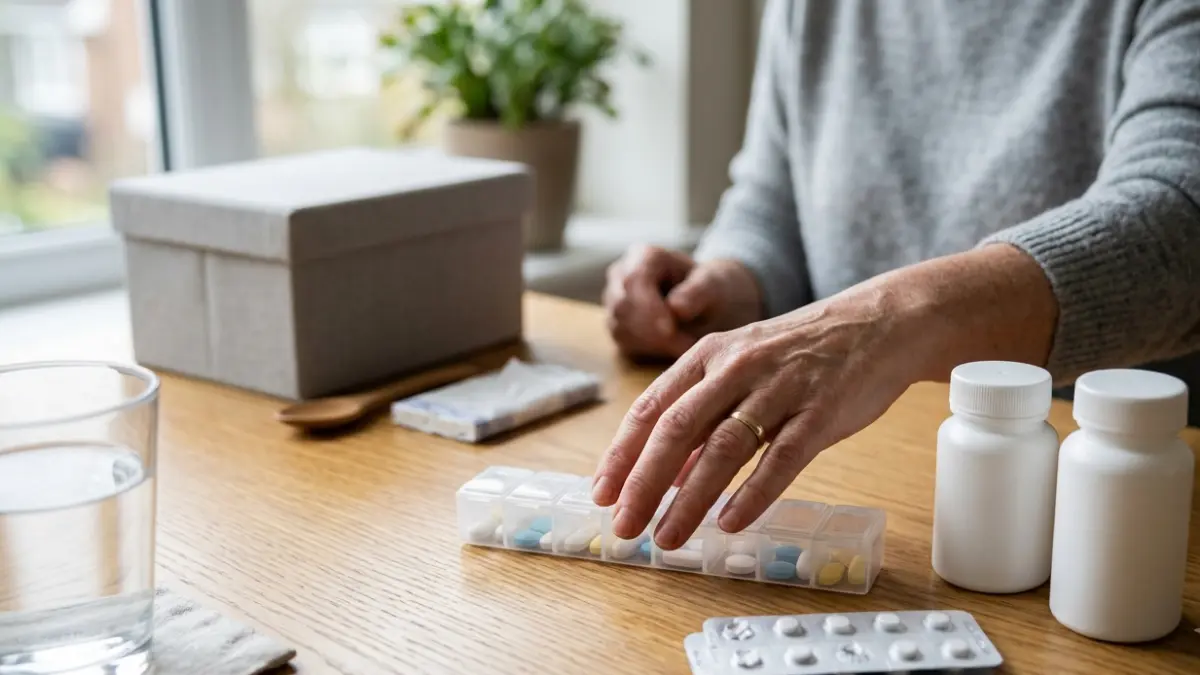
Statins can cause mild ALT rises. However, the FDA’s 2012 statin label update concluded that serious liver injury is rare and unpredictable. The FDA also removed routine periodic liver testing, keeping only a baseline test.
NSAIDs and amiodarone
LiverTox reports mild, symptom-free ALT rises in up to 18% of long-term NSAID users. Most of these rises cause no harm, and diclofenac and sulindac are the NSAIDs most often linked to actual liver injury. Symptom-free rises also occur in roughly a quarter of people taking amiodarone.
✅ Patient Action: Ask your pharmacist: “Do any of my prescriptions or over-the-counter products contain acetaminophen or an NSAID?”
Antibiotics and infection drugs linked to high ALT
A 2026 review found that antibiotics are the leading cause of drug-induced liver injury in Western countries.
Amoxicillin-clavulanate, the most common culprit
The NIH LiverTox entry on amoxicillin-clavulanate names it the most common cause of clinically apparent drug-induced liver injury in the US and Europe. If you took Augmentin, our Augmentin guide covers its other side effects.
📊 Clinical Data Point: In one prospective study, liver injury from amoxicillin-clavulanate occurred in about 1 of every 2,300 users. — Source: Björnsson, International Journal of Molecular Sciences, 2016
Why liver injury can appear after you finish the course
LiverTox describes a typical case in which itching and then jaundice began one to two weeks after a 10-day course ended. A finished antibiotic still counts.
TB and antifungal medications
Isoniazid, trimethoprim-sulfamethoxazole, and nitrofurantoin are among the drugs most often behind drug-related acute liver failure. In 2013, the FDA restricted oral ketoconazole because of potentially fatal liver injury.
Seizure drugs, methotrexate, and supplements to check
Long-term prescriptions and everyday supplements round out the list.
Long-term prescriptions that need monitoring
LiverTox notes that valproate effects range from minimal ALT rises to severe liver injury, usually starting one to three months into treatment. With long-term methotrexate, ALT rises occur in 15% to 50% of patients but are usually mild and self-limiting. Methotrexate-related scarring can also develop without large ALT changes, which is why doctors monitor more than ALT alone.
⚠️ Clinical Warning: Never stop a seizure medicine or methotrexate on your own because of a lab result. Your prescriber decides whether to adjust, monitor, or switch.
Herbal and dietary supplements
A 2026 review of drug-induced liver injury found that ashwagandha, turmeric, and green tea extract are increasingly implicated in the US. “Natural” does not mean liver-safe.
✅ Patient Action: Bring every supplement bottle to your appointment and ask: “Could any of these explain my ALT?”
12 culprits at a glance
| Medication | Type | Key Clinical Detail |
|---|---|---|
| Acetaminophen | Pain reliever | Leading US acute liver failure cause |
| NSAIDs | Pain reliever | Mild rises common |
| Statins | Cholesterol | Serious injury rare |
| Amiodarone | Heart rhythm | Symptom-free rises common |
| Amoxicillin-clavulanate | Antibiotic | Most common DILI cause |
| TMP-SMX | Antibiotic | Frequently implicated |
| Nitrofurantoin | Antibiotic | Linked to acute liver failure |
| Isoniazid | TB drug | Linked to acute liver failure |
| Oral ketoconazole | Antifungal | FDA-restricted 2013 |
| Valproate | Seizure drug | Onset 1–3 months |
| Methotrexate | Immune drug | Rises usually mild |
| Supplements | Herbal | Ashwagandha, turmeric, green tea |
Sources: NIH LiverTox; FDA Drug Safety Communications (2012, 2013); Mayo Clinic Proceedings (2014); PubMed DILI review (2026).
Is a medication-related ALT rise serious?
ALT alone doesn’t tell a clinician how serious a drug reaction is.
Mild bump vs real liver injury
The ACG guideline grades aminotransferase elevations as minimal, mild, moderate, or severe. It also recommends repeating an abnormal test to confirm it before a full workup. Compare your result with the normal ALT range for your age and sex.
Why bilirubin changes the picture
📊 Clinical Data Point: Drug-induced hepatocellular injury combined with jaundice carries about a 10% mortality rate, known as Hy’s law. — Source: Mayo Clinic Proceedings, 2014
That figure applies only to the uncommon cases where jaundice develops. It does not apply to a mild ALT bump found on routine blood work.
✅ Patient Action: Ask your primary care doctor: “Should we repeat this test, and should any medication change first?”
Warning signs that need a call to your doctor
Symptoms matter more than the number on your lab report.
Symptoms to report right away
FDA statin labeling tells patients to contact their doctor immediately if they notice:
- fatigue
- loss of appetite
- dark urine
- upper stomach pain
- jaundice (yellow skin or eyes)
These warning signs apply to any medication on this list.
⚠️ Clinical Warning: If you may have taken too much acetaminophen, call Poison Help at 1-800-222-1222 now, even without symptoms. The antidote works best within about eight hours.
Why not to stop your medicine on your own
Stopping a statin, seizure drug, or TB medicine can create a bigger risk than the lab value itself. To sort out what your symptoms might mean first, try our symptom checker.
Questions about medications and high ALT
1. Can Tylenol raise ALT?
Yes. Acetaminophen is the leading cause of US acute liver failure, mostly from taking too much. Ask your pharmacist to check all your products.
2. Do statins raise liver enzymes?
Statins can cause mild ALT rises, but the FDA found serious statin liver injury rare. Ask your prescriber before stopping one.
3. Can antibiotics raise ALT?
Yes. Amoxicillin-clavulanate is the most common cause of clinically apparent drug liver injury in the US. Tell your doctor about recent courses.
4. Can liver injury appear after finishing antibiotics?
Yes. Amoxicillin-clavulanate liver injury can begin one to two weeks after the course ends. Mention any finished antibiotics to your doctor.
5. Can supplements raise liver enzymes?
Yes. Ashwagandha, turmeric, and green tea extract are increasingly linked to liver injury. Bring your supplement bottles to your appointment.
6. Can ibuprofen raise ALT?
NSAIDs can cause mild, symptom-free ALT rises, and diclofenac and sulindac are the NSAIDs most linked to injury. Ask your pharmacist about yours.
7. What is a normal ALT level?
An ACG guideline defines a healthy ALT as about 29–33 IU/L for men and 19–25 IU/L for women.
8. What ALT level is dangerous?
Doctors weigh the degree of the rise, symptoms, and bilirubin together. High ALT with jaundice is the most serious pattern, so see your doctor promptly.
9. Should I stop my medication if ALT is high?
Not on your own. Stopping drugs like seizure medicines can be riskier than the lab result. Call your prescriber before changing anything.
10. What are symptoms of drug-induced liver damage?
Fatigue, loss of appetite, dark urine, upper stomach pain, and yellow skin or eyes. Report these to your doctor immediately.
11. Can a repeat ALT test come back different?
Guidelines recommend repeating an abnormal ALT test to confirm it before a full workup. Ask your doctor whether retesting fits your situation.
Your next step
A high ALT on a medication is a reason to review your medications, not to panic. Write down every prescription, over-the-counter product, and supplement you’ve taken in the past three months, including finished antibiotics. Bring that list to your next appointment.
About this content
How this article was put together: researched from recognised health sources, drafted with the help of AI tools, and edited by hand, with sources linked throughout.

Sameer Patel is the founder and editor of My Medicine Advisor. He is not a doctor or medical professional — before starting this site he worked in banking,…
Medical disclaimer
The content on MyMedicineAdvisor is provided for general informational and educational purposes only and is not a substitute for professional medical advice, diagnosis, or treatment. Health information on this website should not be used to diagnose, treat, cure, or prevent any condition without guidance from a qualified healthcare professional. Always seek the advice of your doctor, physician, or another licensed healthcare provider with any questions you may have regarding a medical condition, symptoms, medications, or treatment decisions.