

On This Page – Quick Medical Summary
Why a high ALT can point to iron overload
Why your doctor may mention iron

A high ALT means liver cells are releasing more of this enzyme than usual, and it has many possible causes. Iron overload is one of them: the AASLD guideline advises evaluating every patient with liver disease for hemochromatosis, a condition in which the body stores too much iron.
A new term on a lab report can feel alarming, but a high ALT does not mean you have it. New to the number? Start with what your ALT result measures.
What this article covers
Find your situation:
- High ALT, cause unknown: read on.
- Doctor mentioned iron or ferritin: jump to the iron-test section.
- Already diagnosed: see the liver-check and treatment sections.
- A relative has it: see “Testing relatives.”
ℹ️ Medical Disclaimer: This article explains how hemochromatosis relates to ALT; it does not diagnose you or direct your diagnosis, treatment, medication, procedures or insurance coverage. Consult a board-certified gastroenterologist or hepatologist before acting on anything here. In a medical emergency, call 911.
Can hemochromatosis cause high ALT?
Yes, hemochromatosis can raise ALT, but ALT alone cannot diagnose it. The condition occurs with and without raised liver enzymes, so iron tests and genetics settle the diagnosis.
How excess iron injures liver cells
🔬 How It Works: Extra iron is stored in the liver, heart and pancreas and can damage them. Damaged liver cells release ALT into the bloodstream, which is how iron overload can show up on a liver panel.
Who is most likely to have it
📊 Clinical Data Point: More than 650,000 non-Hispanic white people in the US, about 1 in 300, carry two copies of the C282Y gene change behind most cases. — Source: CDC Genomics blog on hemochromatosis, September 2020.
Symptoms typically begin after age 40, and about 10 years later in women, according to NIDDK.
Which iron tests matter more than ALT?
Doctors usually work through hemochromatosis testing in this order:
- Transferrin saturation and ferritin, measured together
- HFE gene test, if saturation is 45% or higher or ferritin exceeds the lab’s limit (AASLD)
- Liver assessment, if ALT or AST is raised
Transferrin saturation and ferritin: what the numbers mean
| Group | Transferrin saturation | Ferritin | Key Clinical Detail |
|---|---|---|---|
| Women | Above 45% | Above 200 µg/L | Lower cut-offs than men |
| Men and postmenopausal women | Above 50% | Above 300 µg/L | Both values required |
Source: EASL 2022 criteria for C282Y homozygotes, via a guideline review.
EASL notes saturation can also rise in advanced cirrhosis and acute liver injury.
When a gene test comes next
An HFE gene test shows whether you carry the changes behind most cases; EASL says other genotypes need MRI or biopsy confirmation. For how ALT is compared with AST, see our AST/ALT ratio guide.
✅ Patient Action: Ask your primary care physician or hepatologist whether transferrin saturation, ferritin and HFE testing fit your ALT result.
What a high ferritin plus high ALT can mea
A ferritin below 1,000 at diagnosis identifies low risk of advanced liver fibrosis (scarring) in hemochromatosis, according to the 2019 American College of Gastroenterology guideline.
The ferritin 1,000 mark
📊 Clinical Data Point: Among 163 Swiss patients already diagnosed with hemochromatosis, raised ALT was linked to a 10.1-fold higher risk of ferritin of 1,000 or more (95% CI 4.8–21.2). — Source: Swiss Medical Weekly, 2020.
That describes risk inside a diagnosed group; it does not mean a high ALT signals hemochromatosis.
When something else raises both numbers
Fatty liver disease and alcohol-related liver disease can also raise ferritin. Without a C282Y/C282Y or C282Y/H63D gene pattern, they are more common causes than hemochromatosis. Our guide on ALT in fatty liver disease covers the liver side.
How doctors check the liver when iron is high
The 2011 AASLD guideline recommended liver biopsy to stage the liver when ALT or AST is raised, or ferritin exceeds 1,000 µg/L, in C282Y homozygotes or compound heterozygotes.
Biopsy versus MRI iron imaging
The 2019 ACG guideline says MRI iron imaging (T2*) has eliminated the need for biopsy in most patients. The AASLD hemochromatosis practice guideline predates that shift.
Why fibrosis stage changes follow-up
EASL says fibrosis stage should be assessed at diagnosis, and people with advanced fibrosis should join a liver cancer screening program. That applies to advanced fibrosis, not to everyone with a high ALT.
✅ Patient Action: Ask a hepatologist: “What fibrosis stage am I, and do I need MRI imaging or a biopsy?”
Does treatment bring ALT back down?
In a small study of 22 newly diagnosed C282Y homozygotes, ALT and AST improved significantly with standard phlebotomy (eJHaem, 2023).
What phlebotomy involves
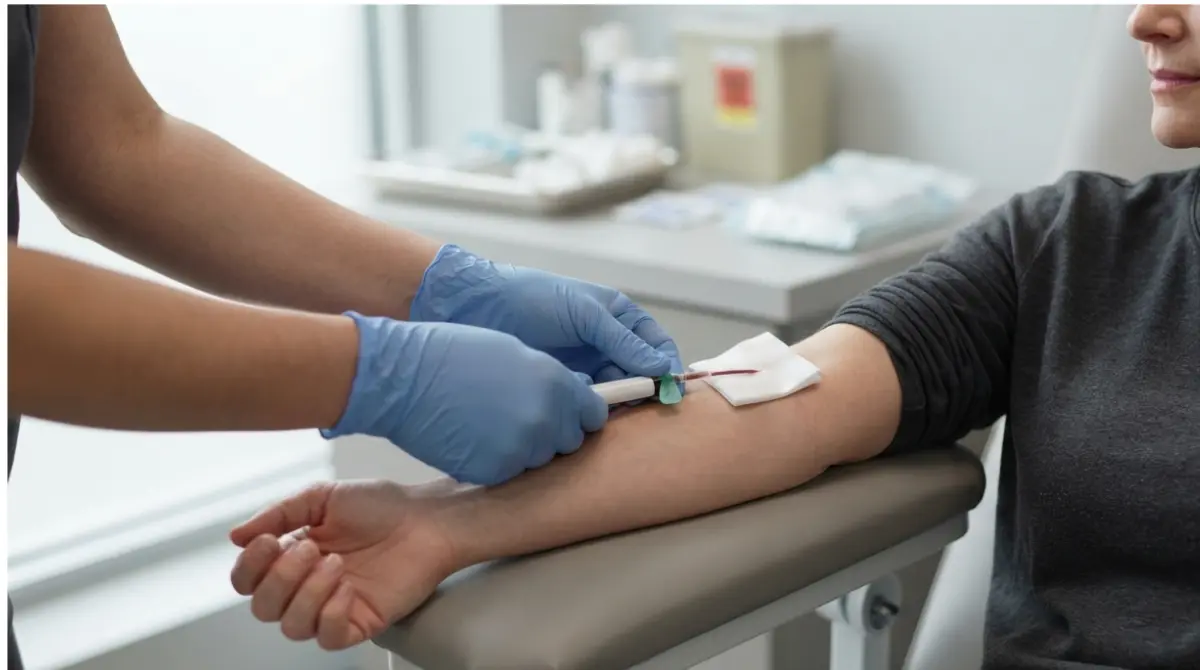
Phlebotomy lowers iron by removing about a pint of blood on a regular schedule, usually at a blood bank (NIDDK’s treatment overview). EASL targets ferritin below 50 µg/L at first, then below 100 µg/L; AASLD says 50 to 100.
What ALT does after treatment
Liver iron on MRI also matched healthy volunteers by five years in that study. The group was small, so your own response may differ.
What it can’t undo
When cirrhosis, liver failure or liver cancer is already present at diagnosis, phlebotomy may not restore health, NIDDK notes.
✅ Patient Action: Ask a hepatologist or hematologist: “What ferritin target and phlebotomy schedule suit my liver stage?”
Risk, alcohol and family history: what changes the picture
How often severe liver disease actually develops
📊 Clinical Data Point: Up to 10% of male C282Y homozygotes develop cirrhosis and/or liver cancer. — Source: CDC Genomics blog, September 2020.
Most men with two copies therefore do not; CDC says phlebotomy started before cirrhosis can prevent serious liver disease.
Alcohol and extra liver strain
Mayo Clinic notes alcohol greatly raises liver-damage risk in hemochromatosis; with existing liver disease, avoid it entirely. See how ALT changes after quitting alcohol.
Testing relatives
NIDDK advises that parents, siblings and children of someone with hemochromatosis be checked. Our Genetic Risk Assessment Tool can help you prepare family-history questions for a genetic counselor.
Hemochromatosis and ALT: common questions
1. Can hemochromatosis cause high ALT?
Yes. In hemochromatosis, iron can injure liver cells and raise ALT, but ALT alone cannot diagnose it; iron tests and genetics settle it.
2. Can you have hemochromatosis with normal ALT?
Yes. Hemochromatosis occurs with and without raised liver enzymes, so diagnosis rests on iron tests and genetics, not ALT.
3. What tests check for hemochromatosis?
Transferrin saturation and ferritin are the usual first hemochromatosis tests; abnormal results lead to HFE gene testing. Ask your primary care physician.
4. What transferrin saturation and ferritin levels suggest hemochromatosis?
For hemochromatosis in C282Y homozygotes, EASL cites ferritin above 200 µg/L in women or 300 µg/L in men and postmenopausal women, with raised saturation.
5. What ferritin level raises concern for liver damage?
In hemochromatosis, ferritin below 1,000 at diagnosis signals low advanced-fibrosis risk; above 1,000 with high ALT prompts liver staging. Ask a hepatologist.
6. Can fatty liver cause high ferritin along with high ALT?
Yes. Fatty and alcohol-related liver disease can raise ferritin and, without a C282Y/C282Y or C282Y/H63D pattern, are likelier than hemochromatosis.
7. Does treatment lower ALT in hemochromatosis?
In a small study of newly diagnosed C282Y homozygotes, ALT and AST improved significantly with phlebotomy for hemochromatosis. Ask a hepatologist.
8. What is phlebotomy for hemochromatosis?
Phlebotomy for hemochromatosis lowers iron by removing about a pint of blood regularly; a hepatologist or hematologist sets your schedule.
9. Can phlebotomy reverse cirrhosis?
In hemochromatosis, phlebotomy may not restore health when cirrhosis, liver failure or liver cancer is present at diagnosis. Ask a hepatologist.
10. Should family members be tested?
NIDDK advises that parents, siblings and children of someone with hemochromatosis be checked. Ask your primary care physician how.
11. Does alcohol worsen hemochromatosis liver damage?
Yes. Alcohol greatly raises liver-damage risk in hemochromatosis (Mayo Clinic); with existing liver disease, avoid it entirely. Ask a hepatologist.
What to do next if your ALT is high
Iron overload is one possible reason for a high ALT, and it is checked with transferrin saturation and ferritin, not ALT itself. If no one has checked your iron, ask your primary care physician whether those tests fit your ALT result. A single high ALT has several possible causes, so confirm yours first.
About this content
How this article was put together: researched from recognised health sources, drafted with the help of AI tools, and edited by hand, with sources linked throughout.

Sameer Patel is the founder and editor of My Medicine Advisor. He is not a doctor or medical professional — before starting this site he worked in banking,…
Medical disclaimer
The content on MyMedicineAdvisor is provided for general informational and educational purposes only and is not a substitute for professional medical advice, diagnosis, or treatment. Health information on this website should not be used to diagnose, treat, cure, or prevent any condition without guidance from a qualified healthcare professional. Always seek the advice of your doctor, physician, or another licensed healthcare provider with any questions you may have regarding a medical condition, symptoms, medications, or treatment decisions.