
On This Page – Quick Medical Summary
Yellow skin and high ALT: what it can mean
Yellow skin or eyes with a high ALT result can mean injured liver cells, a blocked bile duct, or both.
Find your situation:
- Confusion, marked drowsiness, slurred speech, or fever with upper-right belly pain: call 911 or go to the ER now.
- Yellow skin or eyes, otherwise feeling fine: contact a clinician right away.
- High ALT, normal-looking skin and eyes: read on to see how the two differ.
ALT marks liver-cell injury; the yellow color comes from bilirubin.
ℹ️ Medical Disclaimer: This article explains jaundice and liver blood tests for education. It doesn’t diagnose, choose treatment, or advise starting, stopping, or changing any medicine, procedure, or insurance decision. New yellowing needs evaluation by a primary care physician, gastroenterologist, or hepatologist; emergencies need emergency care.
Jaundice with high ALT: go now or call today?

Any new jaundice needs a clinician right away; a few signs mean emergency care.
Go to the ER or call 911 now if…
- Confusion, disorientation, slurred speech, or marked drowsiness appears with yellowing.
- Fever and upper-right belly pain appear with yellowing.
MedlinePlus warns liver-related confusion can worsen quickly into an emergency. StatPearls calls cholangitis, a bile-duct infection, life-threatening, and many people lack its classic fever, belly pain, and jaundice trio.
Contact a clinician right away, even if you feel fine
MedlinePlus advises contacting your provider if you develop jaundice. Mayo Clinic guidance adds vomiting, unexplained weight loss, stomach pain, easy bruising, or blood in the stool.
If someone else is confused or drowsy
Call 911 for them; MedlinePlus notes severe drowsiness can progress to unconsciousness.
✅ Patient Action: Ask the emergency physician: “Can you check my liver tests and bilirubin and image my bile ducts today?”
What yellow skin and a high ALT mean together
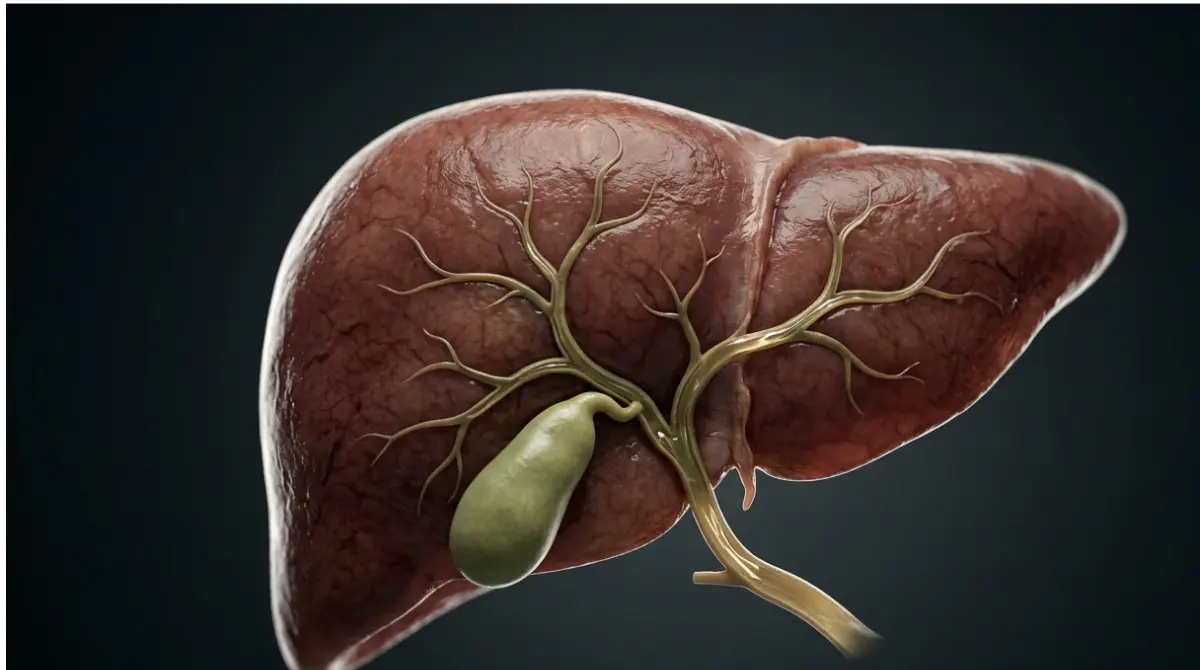
🔬 How It Works: ALT is an enzyme in liver cells; injured cells release it into the blood. Bilirubin is the yellow pigment from old red blood cells; the liver clears it into bile, so liver or bile-duct trouble lets it build up.
How high does bilirubin need to be to look yellow?
Jaundice usually becomes visible at roughly 2 to 3 mg/dL or higher, with the whites of the eyes yellowing first, per StatPearls’ hyperbilirubinemia review.
Two patterns: liver-cell injury vs. blocked bile flow
A 2007 Consultant review: when ALT and AST lead, suspect injured liver cells; when alkaline phosphatase and GGT lead, blocked bile flow. What each liver panel test measures explains more.
Jaundice with a normal ALT
The same review notes jaundice can occur with normal liver enzymes in isolated bilirubin-processing problems. See what your ALT number actually means.
What causes jaundice and high liver enzymes?
Per AAFP and the Merck Manual, three mechanisms can cause jaundice:
- Liver-cell injury: hepatitis, alcohol, some medicines, autoimmune disease.
- Blocked bile flow: gallstones, or tumors of the gallbladder or pancreas.
- Red-cell breakdown: hemolysis, which can cause jaundice without liver injury.
Blocked bile flow: gallstones and tumors
Dark urine and pale, clay-colored stools often accompany jaundice, and dark urine can appear before yellowing.
Hepatitis A: what CDC says about timing
📊 Clinical Data Point: Hepatitis A symptoms appear 2 to 7 weeks after exposure and mostly resolve within 2 months; some people feel sick up to 6 months. — Source: CDC, Symptoms of Hepatitis A, last updated May 2024.
✅ Patient Action: Ask a gastroenterologist: “Do my results look like liver-cell injury or blocked bile flow, and do I need an ultrasound?”
Can medicines or supplements cause both?
Yes. Certain medicines can injure the liver, MedlinePlus explains, and the Merck Manual adds herbal products.
Why doctors ask about every pill and supplement
The American College of Gastroenterology tells clinicians to review prescribed, over-the-counter, and complementary products when liver tests are abnormal. See medicines that can raise ALT.
Why high ALT plus jaundice raises concern for drug injury
In drug-safety research, the FDA flags ALT or AST at least 3 times the upper limit of normal plus bilirubin above 2 times, without bile blockage or another explanation, as a serious drug-injury signal. It’s a research rule, not a self-check.
What to bring to your appointment
⚠️ Clinical Warning: MedlinePlus calls acetaminophen a common cause of liver injury, especially above recommended doses, and says high-dose exposure needs emergency treatment.
✅ Patient Action: Bring a list of every medicine and supplement with start dates, then ask your pharmacist: “Could any of these affect my liver, and should I change anything?”
Which tests find the cause of jaundice?
Doctors usually start with blood tests and an abdominal ultrasound.
Blood tests that separate liver injury from blocked bile flow
Blood work typically splits bilirubin into direct and indirect forms and adds ALT, AST, alkaline phosphatase, and GGT. MedlinePlus notes lab ranges vary; see ALT normal range.
Ultrasound and other imaging
Ultrasound can show widened bile ducts and signs of cirrhosis. The American College of Gastroenterology guideline grades abnormal results and says some need immediate evaluation.
Questions to ask at your appointment
✅ Patient Action: Ask your primary care clinician: “Which tests will show whether this is liver-cell injury or a blocked bile duct, and when will I know?” Jot symptoms with the Symptom Checker first; it’s not for emergencies.
Mistakes that delay care for yellow skin
Skin tone and lighting can hide jaundice
Skin tone and lighting change how yellowing looks, so check the whites of your eyes in natural light, where it appears first.
Yellow skin without yellow eyes
Heavy beta-carotene intake, such as carrots, can turn skin yellow-orange without yellowing the eye whites, MedlinePlus notes. If the whites are yellow, treat it as jaundice.
Waiting for pain or fever
Painless yellowing still counts; the Merck Manual notes jaundice itself causes few other symptoms in adults.
✅ Patient Action: Ask your primary care clinician: “Should I be seen today?” Note when yellowing began and any dark urine or pale stools.
Jaundice and high liver enzymes: common questions
1. Can high ALT cause yellow skin?
ALT itself doesn’t turn skin yellow; bilirubin buildup does. Both can rise when the liver or bile ducts are affected.
2. At what bilirubin level does jaundice show?
Jaundice usually becomes visible at roughly 2 to 3 mg/dL or higher, with the whites of the eyes yellowing first.
3. Is jaundice with high liver enzymes an emergency?
Any new jaundice needs a clinician right away. Confusion, marked drowsiness, or fever with upper-right belly pain means calling 911 or going to the ER.
4. What causes jaundice and elevated liver enzymes?
Liver-cell injury (hepatitis, alcohol, medicines), blocked bile flow (gallstones, tumors), and red-cell breakdown. A clinician determines which applies to you.
5. Can you have jaundice with a normal ALT?
Yes. With an isolated bilirubin-processing problem, jaundice can occur with normal liver enzymes, so a normal ALT doesn’t make yellow skin harmless.
6. Does hepatitis A cause jaundice and high ALT?
Hepatitis A can cause jaundice, dark urine, and pale stools 2 to 7 weeks after exposure; most symptoms resolve within 2 months, per CDC.
7. Can medications or supplements cause jaundice and high liver enzymes?
Yes. Prescription, over-the-counter, and herbal products can injure the liver. Ask your prescriber or pharmacist before changing anything.
8. What tests find the cause of jaundice?
Doctors typically use blood tests (split bilirubin, ALT, AST, alkaline phosphatase, GGT) and an abdominal ultrasound; a clinician decides which you need.
9. Why does urine darken and stool turn pale with jaundice?
Darker urine and clay-colored stools often accompany jaundice, and dark urine can appear before yellowing. Report both to a clinician.
10. Is jaundice harder to see on darker skin?
Skin tone and lighting change how yellowing looks, so check the whites of your eyes in natural light, where it appears first.
11. Is yellow skin without yellow eyes jaundice?
Not necessarily; eating lots of beta-carotene can turn skin yellow-orange. If the whites of your eyes are yellow, treat it as jaundice.
New yellow skin or eyes always deserves a prompt call to a clinician. Confusion, marked drowsiness, or fever with upper-right belly pain means emergency care. Bring your medicine and supplement list, plus when yellowing began and any dark urine or pale stools.
About this content
How this article was put together: researched from recognised health sources, drafted with the help of AI tools, and edited by hand, with sources linked throughout.

Sameer Patel is the founder and editor of My Medicine Advisor. He is not a doctor or medical professional — before starting this site he worked in banking,…
Medical disclaimer
The content on MyMedicineAdvisor is provided for general informational and educational purposes only and is not a substitute for professional medical advice, diagnosis, or treatment. Health information on this website should not be used to diagnose, treat, cure, or prevent any condition without guidance from a qualified healthcare professional. Always seek the advice of your doctor, physician, or another licensed healthcare provider with any questions you may have regarding a medical condition, symptoms, medications, or treatment decisions.