

On This Page – Quick Medical Summary
The short answer
Yes. ALT is found mainly in the liver but also in muscle, so muscle injury can release it into the blood. A creatine kinase (CK) test helps show whether muscle is the source. For ranges and liver causes, see our guide to what your ALT result means.
Where to go next
- Worked out hard or hurt a muscle before your draw? Read the exercise section.
- Taking a statin or other medicine? Read the medicines section.
- Dark urine with severe pain or weakness? Go straight to the warning signs.
ℹ️ Medical Disclaimer: This article explains lab results for education. It does not diagnose conditions or recommend starting, stopping or changing any treatment or medication. Consult your primary care physician or a board-certified gastroenterologist or hepatologist before acting on a result, and seek urgent care for emergency symptoms.
Why a high ALT isn’t always about your liver
ALT lives inside cells, and muscle cells hold some too.
ALT in muscle vs liver
The StatPearls overview of the ALT test describes ALT as found predominantly in the liver but also in the kidneys, heart and muscle cells. Damaged muscle fibers can leak it into the blood.
Why AST is even less liver-specific
MedlinePlus notes that AST is found mainly in the liver but also in the heart and muscles.
🔬 How It Works: Enzymes like ALT stay inside healthy cells. When a cell is damaged, they spill into the bloodstream, where a blood test counts them without knowing which organ they came from.
How much can hard exercise raise ALT, and for how long?

Yes, intense exercise can raise both enzymes temporarily.
How high can it go?
📊 Clinical Data Point: Extreme physical exertion can reversibly raise ALT to roughly 2 to 2.2 times the normal limit — Source: StatPearls, Alanine Aminotransferase (ALT) Test, updated February 2024.
Why the AST/ALT pattern can mislead
A 2020 review of bodybuilding and aminotransferase elevations concluded the pattern doesn’t reliably separate muscle from liver injury, because it shifts with test timing. Our explainer on the AST/ALT ratio covers the ratio itself.
How long it takes to settle
ALT’s half-life is about 47 hours, versus roughly 18 for AST, so ALT clears more slowly. In one ultramarathon study, enzymes stayed above normal through day 11, and our piece on how long exercise keeps ALT elevated goes deeper.
✅ Patient Action: Ask your primary care physician whether to repeat ALT with a CK after several days off hard training. StatPearls advises avoiding intense exercise before testing.
How CK, GGT and bilirubin help tell muscle from liver
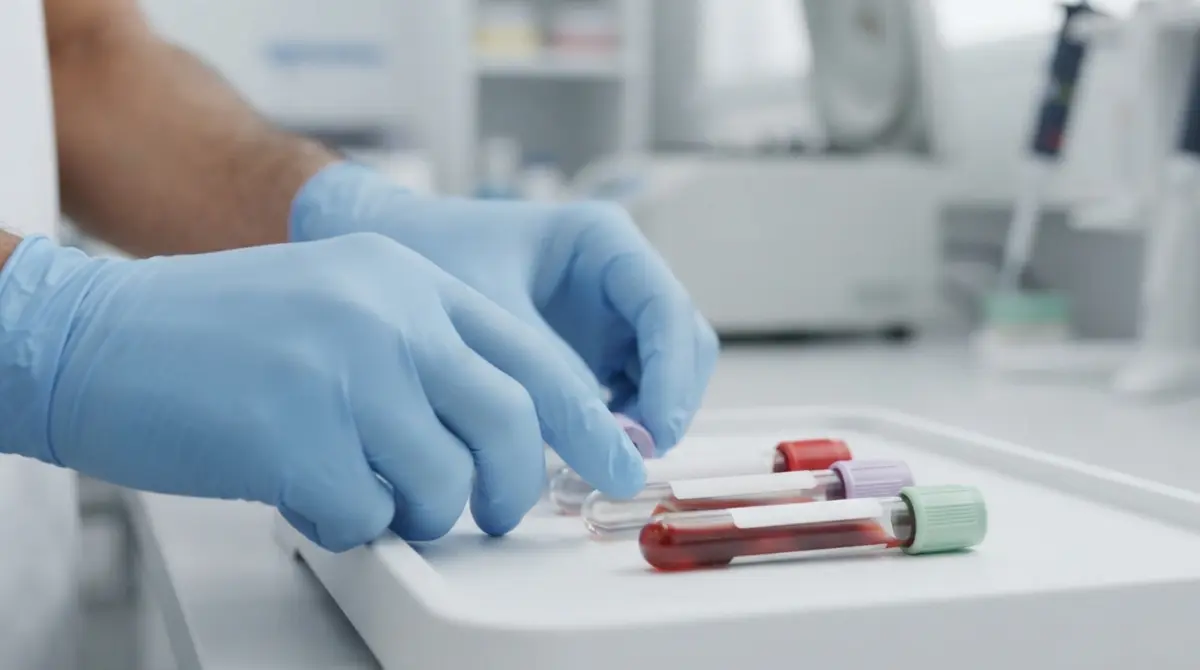
Check CK first, then GGT and bilirubin.
| Marker | What it suggests | Key Clinical Detail |
|---|---|---|
| CK | Muscle injury when high | Mainly in skeletal muscle; rises with strenuous exercise |
| GGT | Liver when high | Not found in muscle |
| Bilirubin | Liver or bile ducts when high | Not expected to rise from isolated muscle injury |
Sources: StatPearls, Creatine Phosphokinase; 2020 peer-reviewed review.
What CK shows
The StatPearls review of creatine kinase explains that CK leaks into the blood after muscle injury. Normal values vary with sex, age, muscle mass and activity.
What GGT and bilirubin add
Muscle alone shouldn’t raise either one, so a high value points toward the liver.
When CK is normal but ALT is high
Alcohol, fatty liver and hepatitis are common causes of high ALT, so a normal CK doesn’t clear the liver. Your clinician reads CK together with timing and other tests.
✅ Patient Action: Ask your primary care physician or a gastroenterologist whether GGT, bilirubin and a full liver panel are needed alongside CK.
When high CK is dangerous: rhabdomyolysis warning signs
A very high CK can signal rhabdomyolysis, the breakdown of skeletal muscle.
What CK level counts as rhabdomyolysis
Diagnosis typically needs CK above about five times the upper limit of normal, often over 1,000 IU/L, per the Merck Manual and StatPearls. Above 5,000 IU/L suggests severe disease, and a clinician must exclude other causes of a high CK.
Dark urine, severe pain, weakness
Dark, tea-colored urine, muscle pain and weakness are the classic signs, though fewer than 10% of patients have all three. Acute kidney injury is the most common complication.
⚠️ Clinical Warning: Dark urine with severe muscle pain or weakness needs urgent care. Don’t wait for repeat labs.
What to do
✅ Patient Action: Go to an emergency department or urgent care and ask the emergency physician whether CK, kidney function and electrolytes should be checked today.
Statins and other medicines that can raise CK or ALT
Some medicines raise CK, ALT or both.
Statins and CK
StatPearls notes statins can markedly raise CK, potentially leading to rhabdomyolysis, and that up to 5% of statin users develop ALT elevations. Read more in our guide to statins and liver enzymes.
Other drugs and conditions that raise CK
MedlinePlus lists drugs that raise CPK, including alcohol, fibrates, cocaine and steroids. Thyroid disorders can also raise it.
✅ Patient Action: Ask your prescriber or pharmacist whether any of your medicines could explain your CK or ALT. Don’t stop a prescribed medicine on your own.
When a high ALT is probably not just muscle
Muscle explains a high ALT only when the other clues fit.
Signs the liver may be involved
A raised GGT or bilirubin, or a very high ALT, points away from muscle alone. So does ALT that stays high after the muscle problem has resolved. MedlinePlus lists liver causes of high ALT, including hepatitis and certain medicines.
What to ask your doctor
✅ Patient Action: Ask your primary care physician or a gastroenterologist which tests would separate a liver cause from muscle, and when to repeat a liver function test.
Frequently asked questions about muscle injury, ALT and CK
1. Can muscle damage cause high ALT?
Yes. ALT is also found in muscle, so muscle injury can release it into the blood and raise your ALT result.
2. Can working out raise ALT and AST?
Yes. Intense exercise can temporarily raise both enzymes, so muscle injury from a hard workout can look like a liver problem on lab results.
3. Does AST or ALT rise more with muscle injury?
Neither pattern is reliable. A 2020 review found the AST/ALT pattern can’t separate muscle from liver injury, so CK helps. Ask your clinician.
4. What is a normal CK level?
It varies by lab, sex, age, muscle mass and activity, so compare your CK with the range printed on your own lab report.
5. How long does ALT stay high after a workout?
ALT clears slowly, with a half-life of about 47 hours; in one ultramarathon study, enzymes stayed high through day 11. Ask when to retest.
6. Can statins raise CK and ALT?
Yes, either can rise. Don’t stop a prescribed statin on your own; ask your prescriber whether it explains your results.
7. Can ALT be high with a normal CK?
Yes. Liver causes like alcohol, fatty liver and hepatitis are common, so your clinician reads CK with timing and other tests.
8. Why is my urine dark after exercise?
Dark urine can signal muscle breakdown. With severe pain or weakness, seek urgent medical care rather than waiting for repeat labs.
9. Should I avoid exercise before a liver blood test?
StatPearls advises avoiding intense exercise before ALT testing because it can raise results; ask your clinician how long to rest beforehand.
10. What ALT level suggests it’s not just muscle?
Raised GGT or bilirubin, or a very high or persistent ALT, point toward the liver rather than muscle alone; see your clinician.
11. When should I see a doctor for high ALT with muscle pain?
Seek urgent care for dark urine, severe pain or weakness. Otherwise ask your clinician about repeat ALT and CK if ALT stays high.
Your next step
Muscle injury can raise ALT, and CK is the fastest clue to the source. Dark urine with severe pain or weakness needs urgent care. Before your appointment, write down your recent workouts or injuries, your full medicine list including any statin, and the dates of your last ALT and CK results.
About this content
How this article was put together: researched from recognised health sources, drafted with the help of AI tools, and edited by hand, with sources linked throughout.

Sameer Patel is the founder and editor of My Medicine Advisor. He is not a doctor or medical professional — before starting this site he worked in banking,…
Medical disclaimer
The content on MyMedicineAdvisor is provided for general informational and educational purposes only and is not a substitute for professional medical advice, diagnosis, or treatment. Health information on this website should not be used to diagnose, treat, cure, or prevent any condition without guidance from a qualified healthcare professional. Always seek the advice of your doctor, physician, or another licensed healthcare provider with any questions you may have regarding a medical condition, symptoms, medications, or treatment decisions.