
On This Page – Quick Medical Summary
Is an ALT over 1,000 an emergency?
Yes. An ALT over 1,000 U/L signals fast-moving acute liver injury. It needs medical evaluation today, not at your next routine visit.
Go to the emergency room or call 911 now if the result comes with yellow skin or eyes, confusion, unusual sleepiness, easy bleeding, or vomiting blood. Call Poison Help at 1-800-222-1222 or go to the ER if you may have taken more acetaminophen than the label allows, even if you feel fine.
If you got this result from routine bloodwork
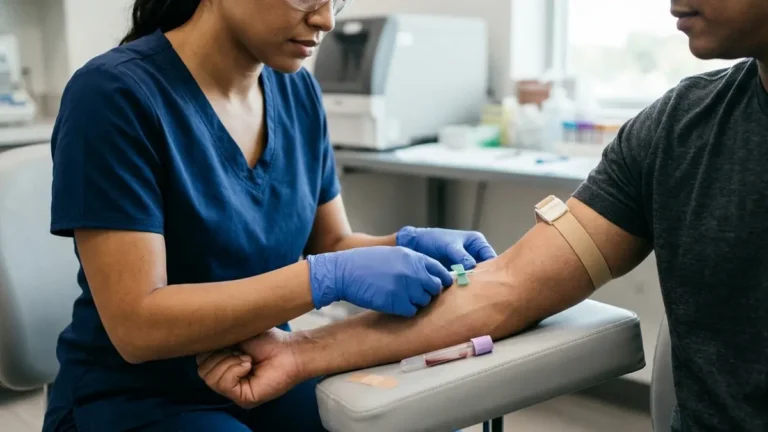
Call the clinician who ordered the test today. If you can’t reach them within a few hours, go to the ER.
If someone you love is already in the hospital
The care team is likely searching for the cause right now. The sections below explain what usually causes it and what gets tested.
ℹ️ Medical Disclaimer: This article is general education about lab results, emergency symptoms, medications, and diagnostic testing. It cannot diagnose you or replace medical care. Decisions about emergency care, testing, or treatment belong with an emergency physician, your ordering clinician, or a board-certified hepatologist (liver specialist).
How high is 1,000? What your ALT number means
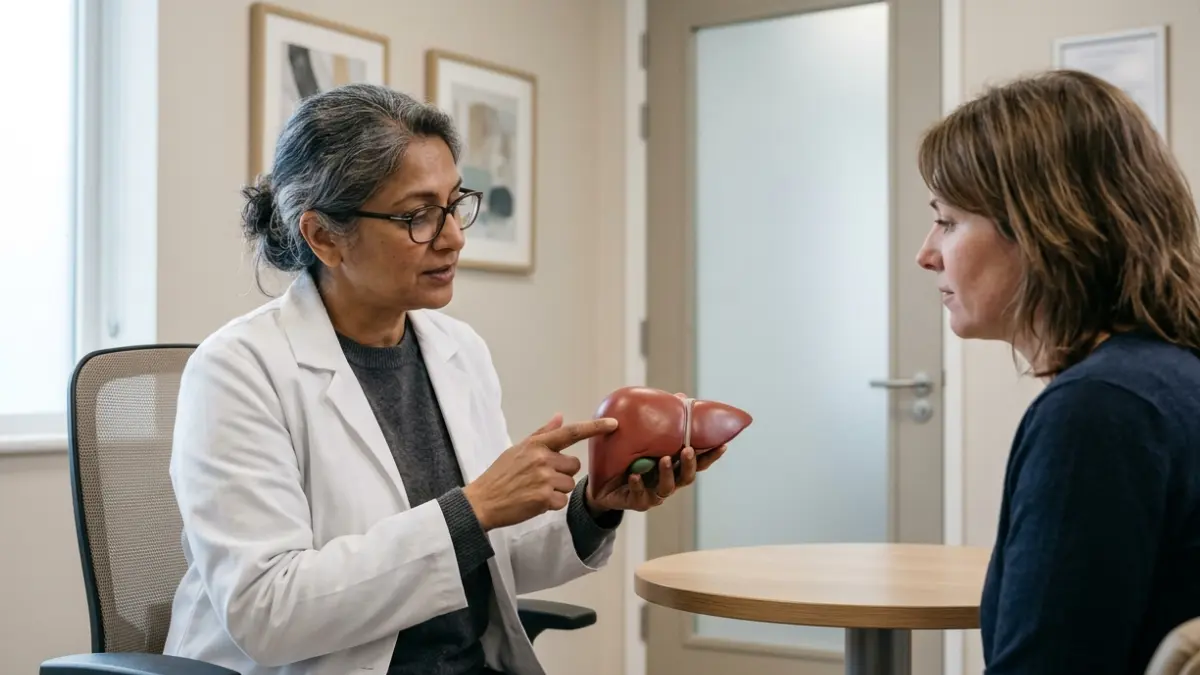
ALT (alanine aminotransferase) is an enzyme found mostly inside liver cells. When those cells are damaged, ALT leaks into the blood.
What a healthy ALT looks like
The American College of Gastroenterology guideline on abnormal liver tests puts a truly healthy ALT at about 29–33 U/L for men and 19–25 U/L for women. By that measure, 1,000 is roughly 30 to 50 times normal. The guideline calls anything above 15 times the upper limit of normal a severe elevation.
That’s a different situation from mildly high ALT results. For every range in between, see what your ALT number means at every level.
Why ALT spikes when liver cells are injured
🔬 How It Works: A sudden injury, such as lost blood flow, a toxic drug dose, or a virus, breaks open many liver cells at once and releases a flood of ALT. Doctors call this hepatocellular injury: ALT and AST rise far more than alkaline phosphatase.
The most common causes of ALT over 1,000
In a study of 287 adults with ALT above 1,000 at an Australian hospital network, four causes accounted for most cases.
| Cause | Share of cases | Key Clinical Detail |
|---|---|---|
| Ischemic hepatitis (“shock liver”) | 44% | Low blood flow to the liver during serious illness |
| Drugs or toxins | 19% | Acetaminophen is the usual culprit |
| Bile duct blockage | 16% | Includes common bile duct stones |
| Acute viral hepatitis | 7% | Hepatitis E is easy to miss |
Source: Australian hospital cohort of ALT above 1,000 (2013–2015). Shares vary by hospital and population.
Low blood flow to the liver (shock liver)
Shock liver happens when the liver is starved of blood. Low blood pressure, heart failure, and COPD were strong predictors of this cause.
📊 Clinical Data Point: Shock liver was the most common cause and was linked to high mortality. For context, the study’s strongest predictors of death were conditions like septic and cardiogenic shock. — Source: Australian retrospective cohort, PMC.
Medicines, viruses and bile duct stones
A second hospital study confirmed the same leading causes. It warned that bile duct stones and hepatitis E are easily missed, because their tests aren’t always in the first round.

Acetaminophen overdose: the cause you can’t wait on
Acetaminophen, found in Tylenol and many cold, flu, and prescription pain products, causes about half of acute liver failure cases in the United States.
⚠️ Clinical Warning: Once acetaminophen injury becomes liver failure, about 30% of patients die. An antidote exists and works best when started early, so a possible overdose is an emergency even without symptoms.
How accidental overdoses happen
US registry data on acetaminophen liver failure show nearly half of cases were unintentional. They came from overusing acetaminophen-containing products for pain, often several at once.
Why getting treated early matters
✅ Patient Action: Bring every medicine and supplement bottle from the past week. Ask the emergency physician: “Should my acetaminophen level be checked?”
If an overdose wasn’t accidental, call or text 988, the Suicide & Crisis Lifeline, while getting emergency care.
Symptoms with a high ALT that mean go to the ER now
A high ALT with these symptoms can mean the liver is starting to fail.
Signs your liver is struggling to function
- Jaundice: yellowing of the skin or the whites of the eyes
- Bruising or bleeding easily, or vomiting blood
- Swelling in the belly from fluid buildup
- Discomfort under the right ribs
Changes in thinking or behavior
New confusion or unusual sleepiness can signal hepatic encephalopathy, which is toxins building up because the liver can’t clear them. The ACG says acute hepatitis with a prolonged clotting time needs immediate referral to a liver specialist; that clotting time is measured by PT and INR tests. The same applies to encephalopathy. See the MedlinePlus overview of acute liver failure for more.
What doctors check first when ALT tops 1,000
The first job is finding the cause, because several are treatable when caught early.
Blood tests: acetaminophen level, hepatitis panel, INR
At severe levels, the ACG advises checking for acetaminophen toxicity and shock liver. Expect questions about every prescription, over-the-counter medicine, and supplement. Teams often add a viral hepatitis panel. They may also test for autoimmune hepatitis, or for Wilson disease in patients under 55.
Imaging for bile duct stones
Imaging such as an abdominal ultrasound checks for a blocked bile duct.
✅ Patient Action: Ask the hepatologist: “Have hepatitis E and a bile duct stone been ruled out?”
Can alcohol or fatty liver cause ALT over 1,000?
Alcohol-related hepatitis typically doesn’t. In that condition, ALT and AST usually stay at or below about 400 U/L.
Alcohol-related hepatitis numbers
NIH’s StatPearls review of alcohol-associated hepatitis notes that AST usually runs higher than ALT, with an AST/ALT ratio above 1.5. See how AST and ALT compare on your panel.
Fatty liver disease numbers
The ACG lists fatty liver among causes to evaluate in milder elevations. At severe levels, it adds acute causes like acetaminophen toxicity and shock liver to the search. A known drinking or fatty-liver history shouldn’t end the search.
Frequently asked questions about ALT over 1,000
1. Is ALT over 1000 dangerous?
Yes. An ALT over 1000 signals acute liver injury and needs same-day evaluation, or the ER if symptoms appear.
2. What is the most common cause of ALT over 1000?
In one 287-patient study, shock liver caused 44% of cases of ALT over 1000, followed by drugs or toxins at 19%.
3. Can a gallstone cause ALT over 1000?
Yes. Bile duct blockage caused 16% of cases of ALT over 1000 in one study, and stones can be missed early.
4. Can Tylenol cause ALT over 1000?
Yes. Acetaminophen causes about half of US acute liver failure. Call Poison Help or go to the ER for any possible overdose.
5. Can alcohol cause ALT over 1000?
Rarely on its own. In alcohol-associated hepatitis, ALT and AST typically stay at or below about 400 U/L.
6. Can fatty liver cause ALT over 1000?
Guidelines evaluate fatty liver mainly in milder elevations. With ALT over 1000, doctors also search for acetaminophen toxicity and shock liver.
7. What is a normal ALT level?
The ACG defines a healthy ALT as about 29–33 U/L for men and 19–25 U/L for women, far below 1000.
8. Should I go to the ER for ALT over 1000?
Go now for jaundice, confusion, bleeding, or possible acetaminophen overdose. Otherwise, contact your ordering clinician the same day.
9. What tests are done for ALT over 1000?
Expect an acetaminophen level, hepatitis panel, INR, and bile duct imaging. Ask your hepatologist which causes remain unexplained.
10. Can hepatitis E cause ALT over 1000?
Yes. Researchers flagged hepatitis E as an easily missed cause of ALT over 1000, because first-round tests may skip it.
11. Does ALT over 1000 mean liver failure?
Not by itself. Liver failure means clotting problems plus confusion; ALT measures injury, not function. Your hepatologist can explain your results.
Your next step
An ALT over 1,000 is a same-day problem, not a wait-and-see one. Get evaluated today, and go to the ER now for jaundice, confusion, or bleeding. Bring a complete medicine and supplement list, because it’s one of the first things the care team will ask about.
About this content
How this article was put together: researched from recognised health sources, drafted with the help of AI tools, and edited by hand, with sources linked throughout.

Sameer Patel is the founder and editor of My Medicine Advisor. He is not a doctor or medical professional — before starting this site he worked in banking,…
Medical disclaimer
The content on MyMedicineAdvisor is provided for general informational and educational purposes only and is not a substitute for professional medical advice, diagnosis, or treatment. Health information on this website should not be used to diagnose, treat, cure, or prevent any condition without guidance from a qualified healthcare professional. Always seek the advice of your doctor, physician, or another licensed healthcare provider with any questions you may have regarding a medical condition, symptoms, medications, or treatment decisions.