
On This Page – Quick Medical Summary
Your doctor ordered a comprehensive metabolic panel (CMP) and told you to come in “fasting” — and now you have questions. Can you drink water? Does black coffee count? What about your morning pills?
Here’s how to route yourself. If you mainly need to know how long to go without food, start with the fasting section just below. If your worry is coffee or water, skip to what you can drink. If you take daily medication or have diabetes, read the medication and special-situation sections before your appointment — and if you already slipped and ate something, there’s a section for that too.
A CMP is a routine blood test, the prep is straightforward, and this guide covers every step, with each figure tied to sources like MedlinePlus and the CDC.
ℹ️ Medical Disclaimer: This article is educational. It does not diagnose any condition, prescribe or adjust any medication, or replace the specific fasting and preparation instructions from your own provider or laboratory. Fasting rules, medication timing, and result interpretation can differ for your situation — especially if you have diabetes, take regular medication, or are pregnant. Before changing anything about your medications or prep, confirm with the clinician or lab who ordered your test.
Do you need to fast for a CMP test?
Usually, yes. Most labs ask you to fast for 8 to 12 hours before a CMP, and the main reason is the blood glucose (blood sugar) measurement built into the panel.
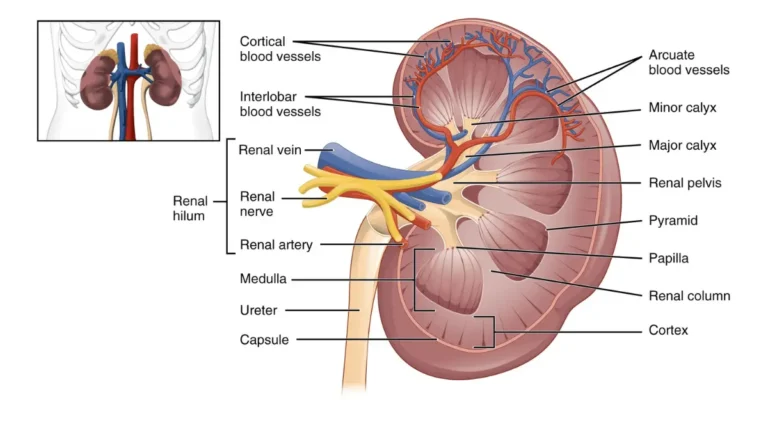
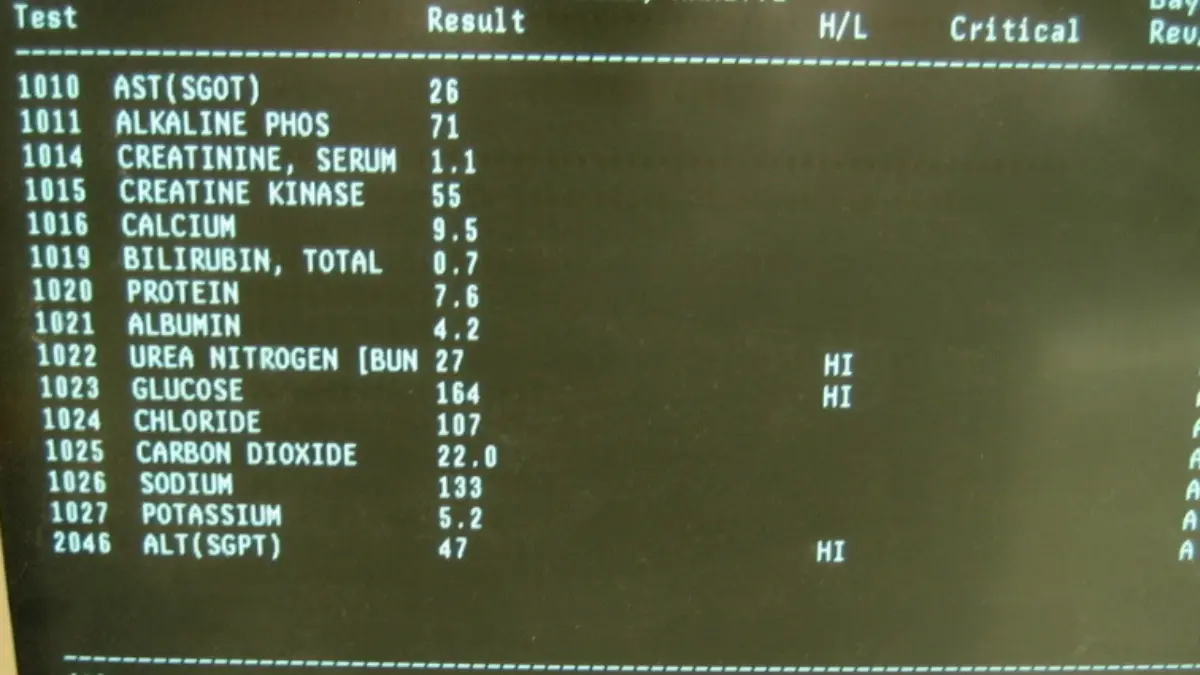
A CMP checks 14 substances — glucose, calcium, electrolytes, and markers of kidney and liver function — and you can see a full breakdown of the 14 things a CMP measures or what a comprehensive metabolic panel measures on MedlinePlus. For the fasting question specifically, our dedicated guide to whether you need to fast for a CMP goes deeper.
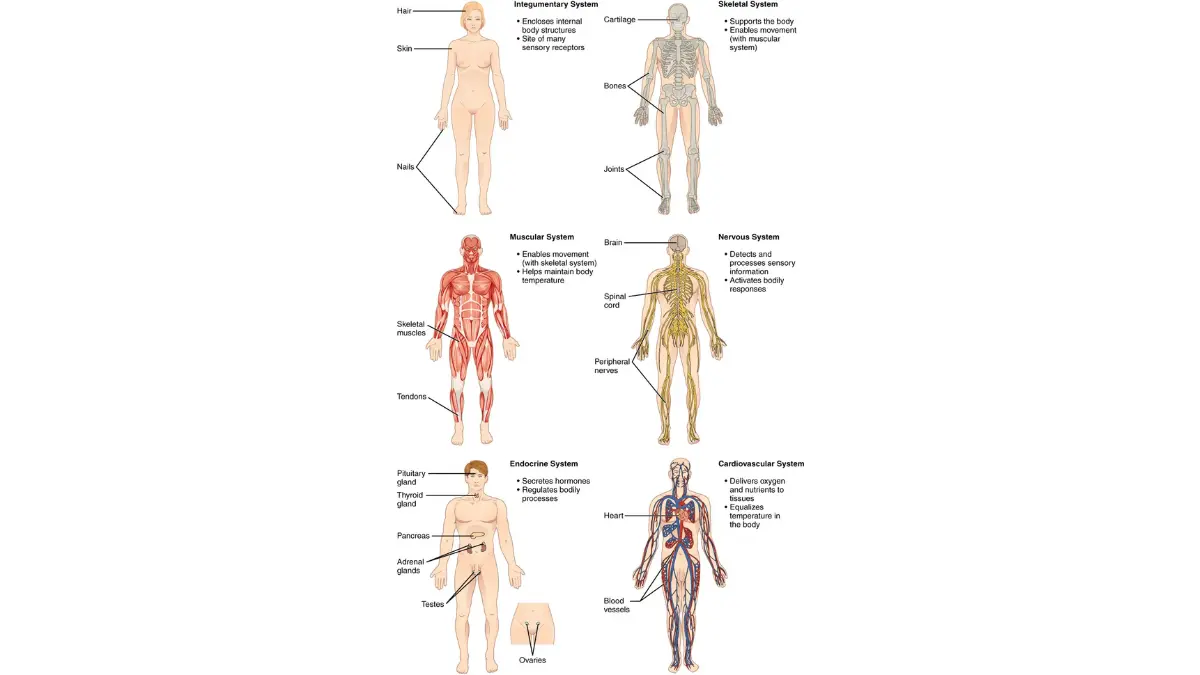
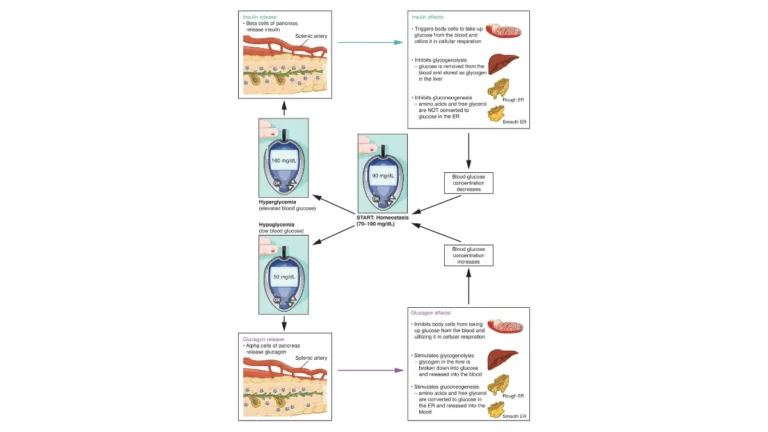
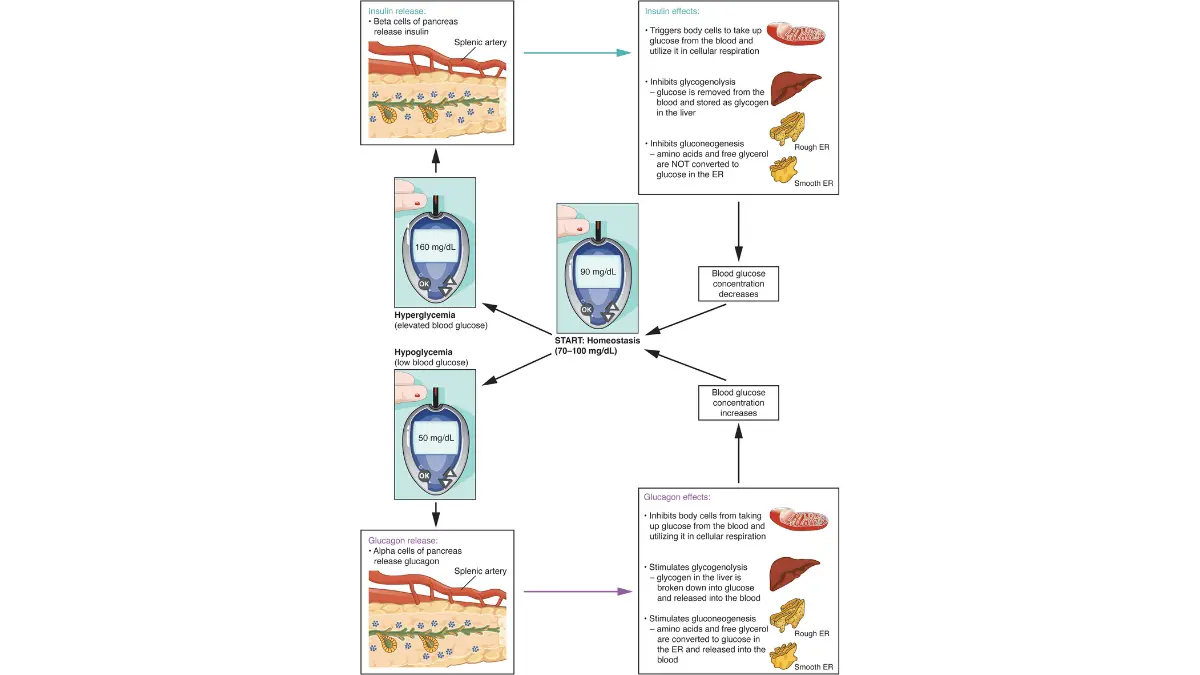
🔬 How It Works: When you eat, your body breaks food into sugar that enters your bloodstream and temporarily raises your blood glucose. Fasting lets that level settle to a baseline, so the result reflects your everyday metabolism rather than your last meal.
Why the glucose result matters
The glucose number is read against standard ranges, so a recent meal can distort it.
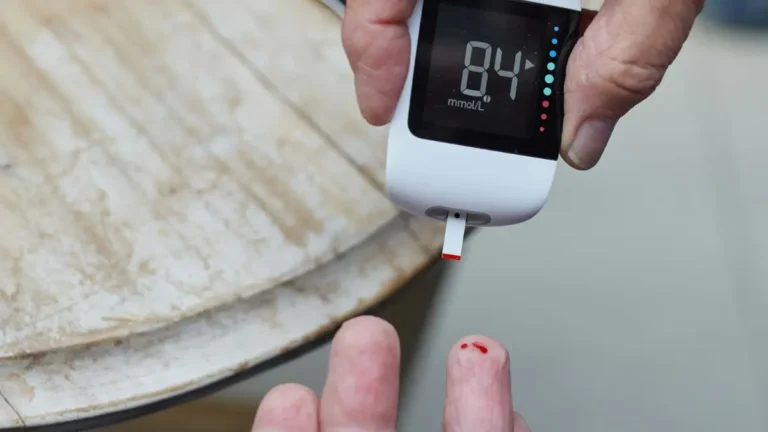
📊 Clinical Data Point: On a fasting test, a blood sugar of 99 mg/dL or below is normal, 100–125 mg/dL signals prediabetes, and 126 mg/dL or higher can indicate diabetes — Source: CDC, Diabetes Testing.
To see what a normal reading looks like, here’s how to read a normal fasting blood sugar; to switch between mg/dL and mmol/L, use the blood sugar converter. You can also check the CDC’s fasting blood sugar ranges directly.
When a CMP may not need fasting
Not every order requires it. If your provider wants the panel mainly to check kidney or liver function, they may accept a non-fasting sample — the instructions on your lab slip are the final word.
How long to fast and when to book your blood draw
Aim for the window your provider specifies — typically 8 to 12 hours, and sometimes 10 to 12 for a CMP. Here’s how to make that painless.
How to count your fasting window
The steps are simple:
- Confirm the exact fasting length on your lab order or with the office.
- Time your last meal so the clock reaches 8–12 hours by check-in.
- Drink plain water overnight and in the morning (more on that next).
- Don’t restart eating — or coffee — when you wake up, since that breaks the fast.
- Bring a snack for right after the blood draw.
Why a morning appointment is easiest
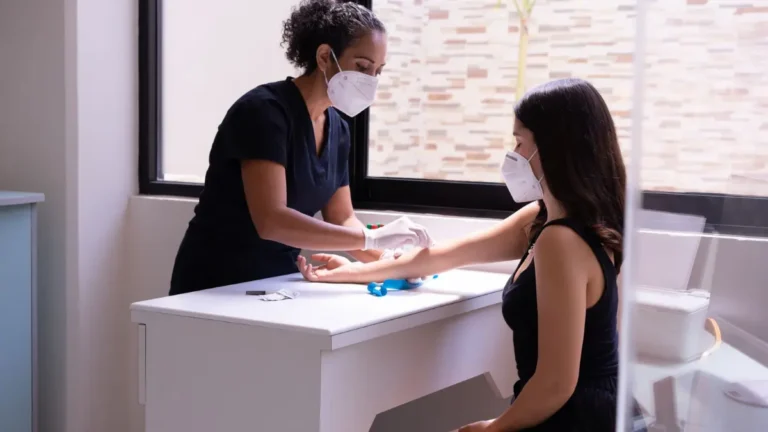
Book early. If you finish dinner by 8 p.m. and take a 7–8 a.m. slot, most of your fast happens while you sleep — and the draw itself is usually under five minutes and low-risk.
🩺 Physician Note: A common point of confusion is whether the hours you spend asleep “count.” They do — an overnight fast is exactly what these instructions assume, as long as you don’t break it with food or coffee on waking.
Water, coffee, and what you can drink while fasting
Plain water is not only allowed — it helps. Coffee, even black, is not.
Can you drink water before a CMP?
Yes. Plain water keeps you hydrated and your veins fuller, which often makes the draw faster and easier. Stick to plain, though — skip lemon, flavored, or sparkling water, which can contain sugars or sweeteners. MedlinePlus’s guidance on fasting for a blood test confirms water is the one drink allowed during the fast, and you can gauge your daily needs with the water intake calculator.
Can you drink black coffee before a CMP?
Skip it. Caffeine can affect some blood results, and coffee is a diuretic — it makes you urinate more, which can leave you slightly dehydrated and harder to draw from.
🔬 How It Works: Caffeine can briefly nudge blood sugar upward by prompting the release of stored glucose and stress hormones. That short-term shift is exactly what a fasting test is designed to avoid.
Some newer research suggests black coffee may not change certain results much — but labs still use a simple “water only” rule, and that’s the safe default.
Tea, juice, soda, and flavored water
All off-limits during the fast:
| Drink | Allowed while fasting? | Key clinical detail |
|---|---|---|
| Plain water | Yes | Keeps veins full for an easier draw |
| Black coffee | No | Caffeine can shift results; also a diuretic |
| Tea (all types) | No | Contains caffeine and plant compounds |
| Juice / soda / energy drinks | No | Added sugar raises blood glucose |
| Flavored or sparkling water | No | May contain sugar or sweeteners |
Source: fasting-test guidance from MedlinePlus and Cleveland Clinic.
Medications, supplements, and other fasting rules
Most people keep taking their regular medications before a fasting blood test — but confirm your specific ones first.
Should you take your medications?
Usually you can continue prescription and over-the-counter medicines unless your provider says otherwise. Tell whoever ordered the test about everything you take, including vitamins and supplements, since some can affect results. The exception worth asking about is medicine meant to be taken with food.
✅ Patient Action: Before your draw, ask the ordering provider or your pharmacist: “Should I take [your specific medication] on the morning of a fasting blood test, and does any of it need to be taken with food?”
Gum, smoking, exercise, and alcohol
A few other things break a fast or skew results:
- Chewing gum, even sugar-free — the chewing and sweeteners can affect readings
- Smoking or vaping — nicotine can shift glucose and other markers
- Strenuous exercise right before the draw
- Alcohol — if a cholesterol (lipid) panel is drawn at the same visit, you may need to avoid alcohol for about 24 hours
If you’re also having a CBC or other tests that day, prep can differ; how a CMP differs from a CBC explains what each one looks at.
What to do if you slip up or feel faint
Two common worries have simple answers: an accidental bite of food, and feeling light-headed.
If you accidentally ate or drank something
Tell the phlebotomist or the office — there’s no penalty for being honest. Depending on the test and what you had, they may run it with a note or ask you to reschedule so the result stays accurate.
Feeling light-headed after fasting
It’s common to feel a little woozy after a fasting draw, so bring a snack and eat as soon as you’re done. You can return to normal eating and drinking immediately after the sample is taken.
Results usually take a few days; here’s what to expect while waiting for blood test results.
When to check with your provider before fasting
Fasting is simple for most people, but a few situations call for a quick conversation first.
If you have diabetes or take insulin
Going without food can lower blood sugar too far — a state called hypoglycemia — which may cause dizziness, shakiness, or trouble concentrating.
⚠️ Clinical Warning: If you have diabetes or take insulin or other glucose-lowering medication, do not change your fasting or medication plan on your own. Skipping food while taking these can trigger low blood sugar. Your care team can tell you exactly how to time the test and your medication.
✅ Patient Action: Ask your prescribing clinician or endocrinologist: “Given my diabetes and current medications, how should I handle fasting and my medication schedule for this blood draw?”
Pregnancy, older adults, and repeat draws
If you’re pregnant, feel unwell while fasting, or have fainted during past draws, let the ordering provider know so they can adjust the plan. When in doubt, the person who ordered the test is the right one to ask.
Frequently asked questions about CMP prep
1. Do you have to fast for a CMP test?
Usually, yes. Most labs ask you to fast for 8 to 12 hours before a comprehensive metabolic panel, mainly because food raises the blood glucose measured in the panel. Some orders don’t require fasting, especially when only kidney or liver markers are needed. The instructions on your lab order are the final word on whether to fast.
2. How many hours should you fast before a CMP?
Typically 8 to 12 hours, and sometimes 10 to 12 for a CMP. Your provider sets the exact length based on your order. The easiest way to prepare is a morning blood draw after an overnight fast, so most of the fasting time passes while you sleep. Confirm your specific window with the office or your lab slip.
3. Can you drink water before a CMP blood test?
Yes. Plain water is allowed and encouraged while fasting for a CMP. It keeps you hydrated and your veins fuller, which can make the blood draw quicker and easier. Avoid lemon, flavored, or sparkling water, since these may contain sugar or sweeteners that can affect results. Stick to plain water only.
4. Can you drink black coffee before a CMP?
No. Even black coffee is best avoided while fasting for a CMP. Caffeine can shift some blood results, and coffee is a diuretic that can leave you mildly dehydrated and harder to draw from. Some research suggests black coffee has little effect on certain tests, but “water only” remains the safe rule.
5. Why do you need to fast for a metabolic panel?
Fasting mainly protects the accuracy of the blood glucose result in the panel. After you eat, sugar from food enters your bloodstream and temporarily raises glucose, which can blur the reading. An 8-to-12-hour fast lets glucose settle to a baseline that reflects your everyday metabolism rather than your last meal.
6. Can you take your medications before a fasting CMP?
Usually, yes — most prescription and over-the-counter medicines can be taken as normal, unless your provider says otherwise. The exception is medicine meant to be taken with food, which needs a plan. Always tell the ordering provider about every medication and supplement you take. Confirm your specific medications with your provider or pharmacist before the test.
7. Can you chew gum or smoke while fasting for bloodwork?
No. Chewing gum, even sugar-free, can affect results because chewing and sweeteners stimulate your system. Smoking or vaping is also off-limits, since nicotine can shift blood glucose and other markers. During the fasting window before your CMP, stick to plain water and avoid gum, tobacco, and strenuous exercise for the most accurate reading.
8. What should you do if you accidentally ate before the test?
Tell the phlebotomist or the office honestly. Depending on the test and what you ate or drank, they may run it with a note or ask you to reschedule so the result stays accurate. Being upfront prevents a misread, and there’s no penalty. When your CMP requires fasting, an honest heads-up is always the right move.
9. Can you drink tea or flavored water before a CMP?
No. Tea of all kinds — black, green, and herbal — contains caffeine or plant compounds that can affect results, so it’s off-limits while fasting for a CMP. Flavored and sparkling waters are also out, since they may contain sugar or sweeteners. Plain water is the only drink allowed during the fasting window.
10. When can you eat after your CMP blood draw?
Right away. Once the blood sample is taken, your fast is over and you can eat and drink normally. Because fasting can leave you light-headed, it helps to bring a snack and eat soon after the draw. Most CMP results come back within a few days, and your provider will review them with you.
11. Should people with diabetes prepare for a CMP differently?
Often, yes. Fasting while taking insulin or other glucose-lowering medication can cause low blood sugar, with symptoms like dizziness or shakiness. Don’t adjust your fasting or medication on your own. Ask your prescribing clinician or endocrinologist how to time the test and your medication safely before your CMP.
You’re ready for your CMP — here’s what’s next
Prep comes down to three things: fast for the 8-to-12-hour window your provider gives you, drink only plain water, and confirm your regular medications rather than guessing.
Book a morning slot, bring a snack for afterward, and be honest with the phlebotomist if anything went off-plan. None of it is complicated once you know the rules.
Once your results come back, the next step is understanding them — start with what your CMP results mean, your full guide to reading a comprehensive metabolic panel.
About this content
How this article was put together: researched from recognised health sources, drafted with the help of AI tools, and edited by hand, with sources linked throughout.

Sameer Patel is the founder and editor of My Medicine Advisor. He is not a doctor or medical professional — before starting this site he worked in banking,…
Medical disclaimer
The content on MyMedicineAdvisor is provided for general informational and educational purposes only and is not a substitute for professional medical advice, diagnosis, or treatment. Health information on this website should not be used to diagnose, treat, cure, or prevent any condition without guidance from a qualified healthcare professional. Always seek the advice of your doctor, physician, or another licensed healthcare provider with any questions you may have regarding a medical condition, symptoms, medications, or treatment decisions.