
On This Page – Quick Medical Summary
What it means when your CMP comes back abnormal
If your comprehensive metabolic panel came back with a value flagged high or low, take a breath — an abnormal result means one number fell outside your lab’s reference range, not that you have a disease. Many flagged values have ordinary explanations, and your provider reads the whole panel together before drawing any conclusion.
Where you are right now shapes what you need next:
- Worried about one flagged number? The next section explains how a result gets flagged.
- Trying to understand a marker? The organ-system section groups results by kidney, liver, blood sugar, and electrolytes.
- Not sure what to do? The next-steps section walks through it in order.
- Feeling unwell or afraid it’s urgent? The urgent-results section covers what needs prompt attention.
This guide explains how a comprehensive metabolic panel works and what an abnormal result does — and doesn’t — mean.
ℹ️ Medical Disclaimer: This article is educational. It does not diagnose disease, recommend treatment, or replace testing, medication, or procedure decisions made with a licensed clinician. Interpreting your comprehensive metabolic panel — and any follow-up testing or treatment — should be done with your ordering provider or a board-certified specialist such as a nephrologist, hepatologist, or endocrinologist. If you have the red-flag symptoms in the urgent-results section below, seek urgent care now rather than waiting.
How labs decide a CMP result is “abnormal”
A result is flagged abnormal when it falls outside the reference range your laboratory uses for that marker. That range is where most healthy people’s values land, so sitting just outside it is common and often not meaningful on its own — a reference range is set to capture the middle 95% of healthy people, so about 1 in 20 fall outside it normally.
Reference ranges vary from lab to lab
Different labs use different equipment, methods, and populations, so their ranges differ. The standard adult reference ranges below are a useful starting point, but the ranges printed on your own report are the ones that apply to you.
| CMP marker | Typical adult reference range | What it mainly reflects |
|---|---|---|
| Glucose | 70–100 mg/dL | Blood sugar |
| BUN | 6–20 mg/dL | Kidney function |
| Creatinine | 0.6–1.3 mg/dL | Kidney function |
| eGFR | Often reported with creatinine | Kidney function estimate |
| Sodium | 135–145 mEq/L | Fluid/electrolyte balance |
| Potassium | 3.7–5.2 mEq/L | Nerve, muscle, heart function |
| Chloride | 96–106 mEq/L | Fluid/electrolyte balance |
| CO2 (bicarbonate) | 23–29 mEq/L | Acid–base balance |
| Calcium | 8.5–10.2 mg/dL | Nerves, muscles, bones |
| Albumin | 3.4–5.4 g/dL | Protein made by the liver |
| Total protein | 6.0–8.3 g/dL | Overall protein |
| ALP | 20–130 U/L | Liver/bone |
| ALT | 4–36 U/L | Liver |
| AST | 8–33 U/L | Liver (and muscle) |
| Total bilirubin | 0.1–1.2 mg/dL | Liver |
Source: MedlinePlus (ranges via A.D.A.M. Medical Encyclopedia). Ranges vary slightly by lab, and normal creatinine can vary with age. A fuller breakdown of what each of the 14 CMP components measures can help you match a flag to its system.
Everyday things that shift your numbers
Food, hydration, medications, recent exercise, and pregnancy can all move CMP values without any underlying disease. That is why providers sometimes ask you to fast before the draw, and why they will ask what you took that morning. If you are unsure, this guide on whether you need to fast before a CMP covers it, and you can estimate your daily water needs with a quick tool.
What abnormal CMP results point to, by body system
Your provider reads the panel as a pattern, not fourteen separate verdicts — a single out-of-range value usually matters less than the overall picture and how it compares to past results. Grouping the markers by the system they reflect makes your report easier to read.
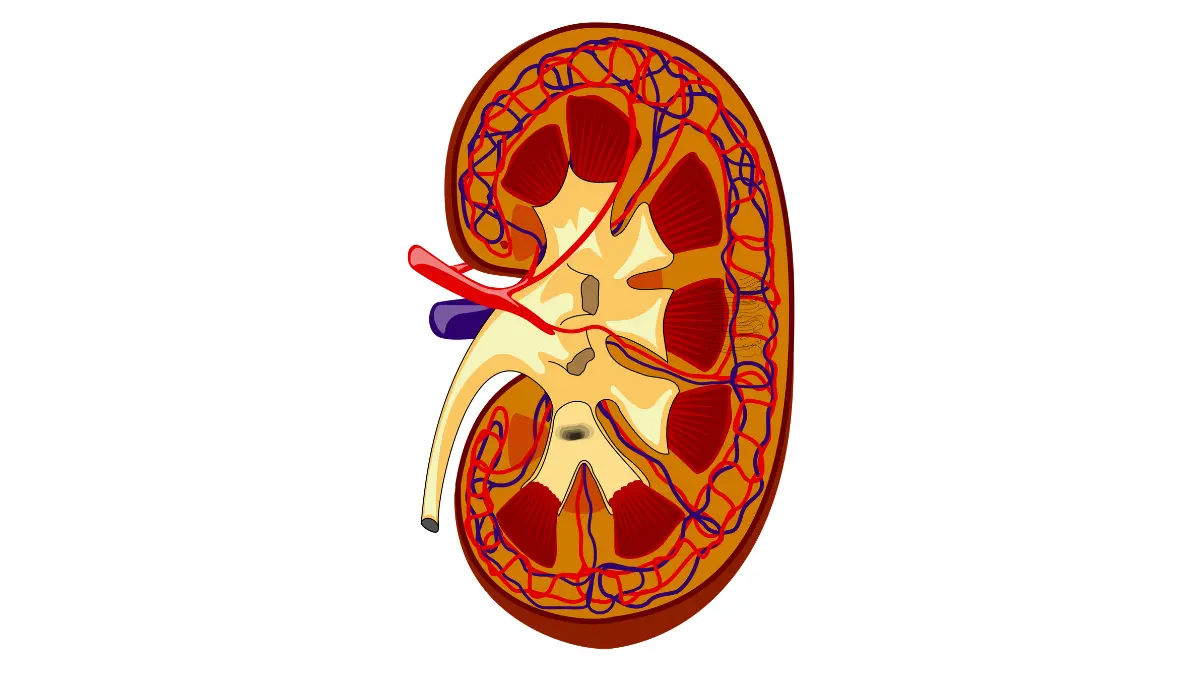
Kidney markers: BUN, creatinine, and eGFR
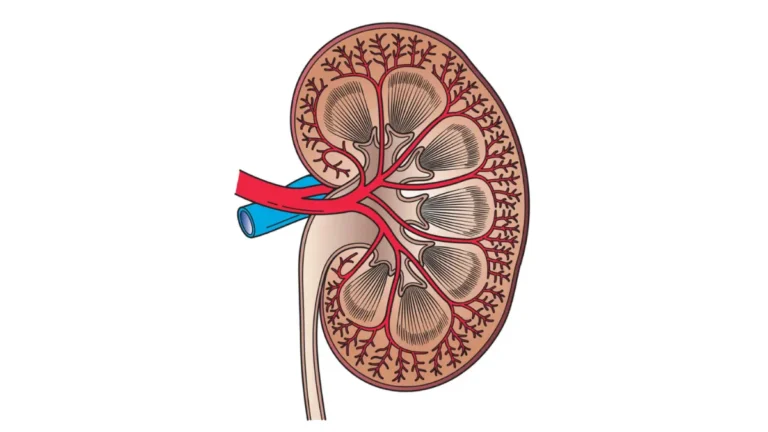
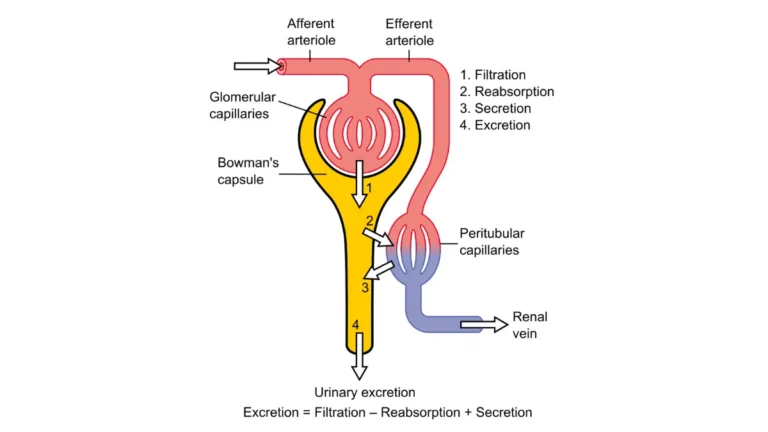
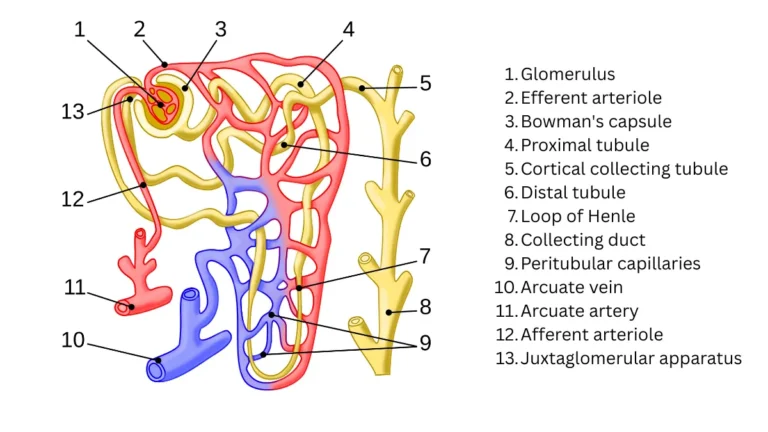
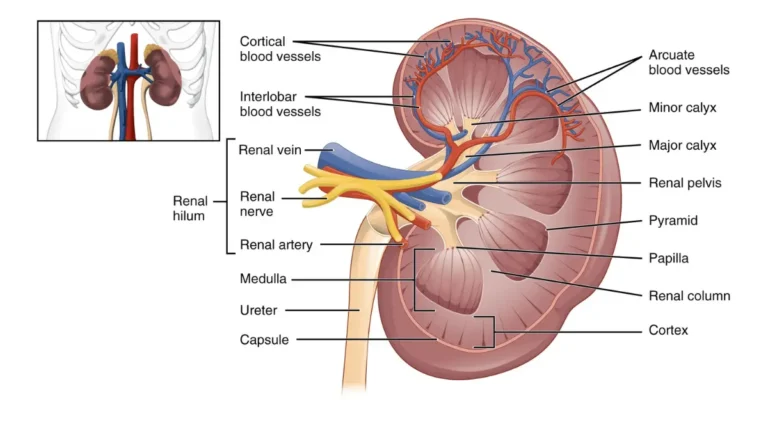
BUN and creatinine are waste products your kidneys filter out, so higher-than-normal levels can signal that the kidneys are not clearing them efficiently. Many reports also include eGFR, an estimate of kidney function calculated mainly from creatinine, age, sex, and body size. Dehydration, a high-protein meal, or certain medications can raise these too, which is why a single high reading is usually rechecked.
Liver markers: ALT, AST, ALP, and bilirubin
ALT, AST, ALP, and bilirubin reflect liver health, and mild elevations are common. Providers usually recheck them before ordering more tests; a deeper look at how to read liver function test results can add context.
🔬 How It Works: When liver cells are stressed or inflamed, enzymes such as ALT and AST leak into the bloodstream, so blood levels rise. AST also lives in muscle, which is why hard exercise alone can nudge it up without any liver problem.
Blood sugar: glucose
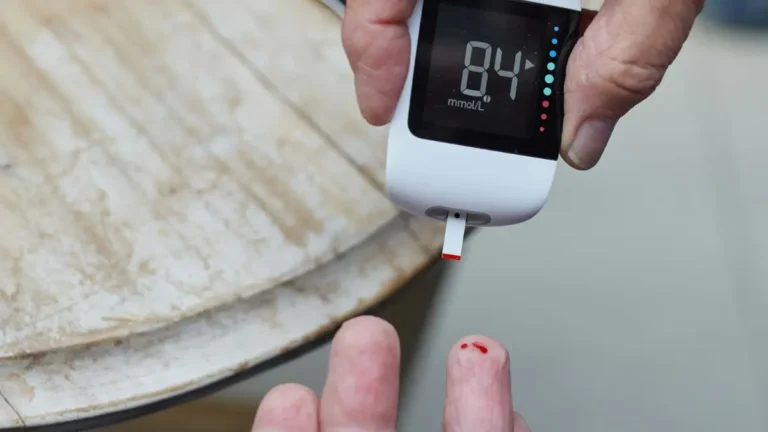
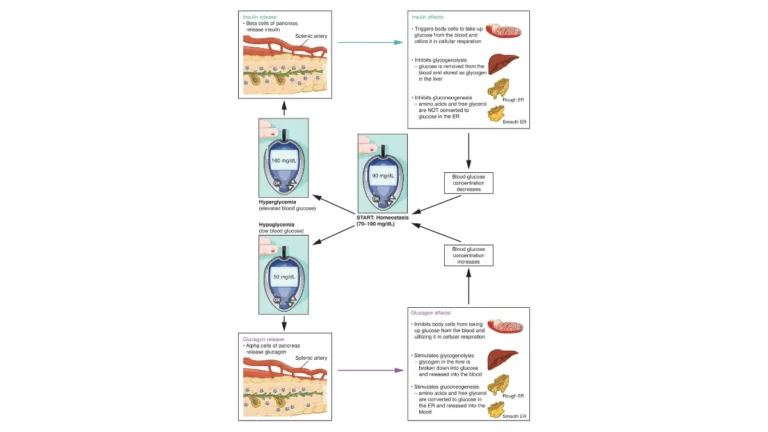
A high glucose value can point toward prediabetes or diabetes, but a comprehensive metabolic panel alone cannot diagnose diabetes. What you ate before the draw matters, so a non-fasting sample can read high on its own; understanding what an A1C result means and what’s checked next helps, and you can convert your blood sugar units if needed.
📊 Clinical Data Point: The CDC defines prediabetes as a fasting glucose of 100–125 mg/dL or an A1C of 5.7% to 6.4%. Confirmation uses a fasting glucose, an A1C, or an oral glucose tolerance test — not a CMP alone. — Source: CDC, 2025.
Electrolytes: sodium, potassium, chloride, and CO2
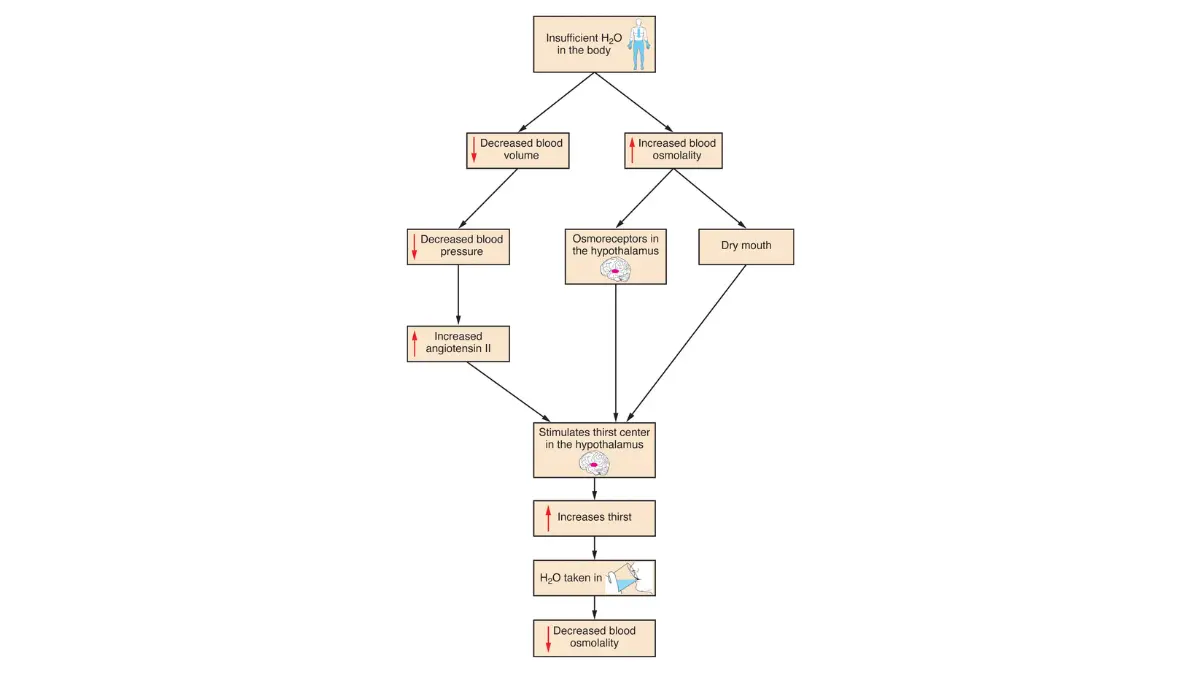
Sodium, potassium, chloride, and bicarbonate (CO2) control your fluid balance and help your nerves, muscles, and heart work properly. Small shifts often come from hydration, medications, or a recent illness. Larger or persistent changes get more attention because electrolytes affect heart and nervous-system function — if you have symptoms, you can check how your symptoms line up before your visit.
Your next steps after an abnormal CMP
Most abnormal results are handled calmly over the following days. A short, ordered plan helps you get answers without spiraling.
- Gather context. Note any medications, supplements, recent illness, hard workouts, and whether you fasted — all can affect results.
- Expect a possible recheck. Providers often repeat the test or order a targeted follow-up to see whether a value holds.
- Know the likely next tests. For high glucose, that may mean a fasting glucose, an A1C, or an oral glucose tolerance test; kidney or liver flags may lead to more specific tests. Preparing for a repeat draw is easier with these tips on how to prepare for a CMP.
- Book or confirm your follow-up so a professional can interpret the panel with your history.
When results usually come back
Comprehensive metabolic panel results are typically available within about one to three business days, depending on the lab. If you are watching a patient portal, knowing what to expect while waiting for results can save you days of worry.
Abnormal CMP results that need urgent attention
A small number of results are treated as emergencies — and the system is built to catch them for you. Understanding how that works can ease a lot of fear.
How labs handle “critical” (panic) values
Laboratories designate certain extreme results as critical values (also called panic values). When one appears, the lab flags it automatically and contacts the ordering provider directly, often within minutes. These thresholds vary meaningfully from lab to lab, so the exact cutoffs on your report may differ from any example.
As examples of levels many labs treat as critical, sodium below 120 or above 160 mmol/L, glucose below 50 or above 500 mg/dL, and potassium at or below 2.5 or at or above 6.5 mEq/L frequently appear on such lists. Your lab’s own cutoffs, and your provider’s judgment, are what matter for your result.
⚠️ Clinical Warning: Severe electrolyte disturbances can be dangerous. A very low sodium level can lead to seizures or loss of consciousness, and a very high potassium level can disturb heart rhythm. These are handled urgently by clinicians — do not try to interpret or correct them yourself.
Red-flag symptoms that mean seek care now
Numbers aside, how you feel matters. Seek urgent care if you have severe weakness, confusion, a fast or irregular heartbeat, fainting, or any symptom that feels severe or new. Do not wait for a routine appointment if you feel seriously unwell.
✅ Patient Action: If your portal shows a value marked “critical” and you have not heard from your provider’s office, call them the same day. If you have severe symptoms such as confusion, fainting, or an irregular heartbeat, seek emergency care right away.
Which specialist handles which abnormal result
If a flag needs more than a recheck, your provider may refer you to a specialist — a routine step, not a sign of the worst case. Which specialist depends on the pattern in your results.
Kidney markers to a nephrologist
Persistent issues with creatinine, BUN, or eGFR may lead to a nephrologist, a kidney specialist who can assess kidney function in depth and check for chronic kidney disease. They may order more specific kidney tests or imaging.
Liver markers to a hepatologist
Ongoing abnormal liver enzymes may lead to a hepatologist (a liver specialist) or a gastroenterologist. They look for causes from medications to fatty liver, and may use additional blood tests or imaging.
Blood sugar to an endocrinologist
Repeated high glucose or an abnormal A1C may lead to an endocrinologist, who manages diabetes and other metabolic conditions. Many blood-sugar issues are managed by primary care first, with referral only if needed.
✅ Patient Action: Ask a specific question — “Based on my pattern of results, do you recommend a referral, and if so, to which specialist and how soon?” Bring your dated results so trends are visible, and remember it is normal to ask questions or request a second opinion.
Questions to bring to your follow-up appointment
Walking in prepared turns an anxious appointment into a productive one. These questions cover what most people want to know.
A checklist you can save or print
- Which of my values were flagged, and by how much?
- Could a medication, my hydration, or what I ate explain any of them?
- Do we repeat the test, or move to a specific follow-up test?
- Do you see a trend compared with my last panel?
- Which result, if any, are you watching most closely, and why?
Why trends matter more than one number
A value that drifts across several tests can tell your provider more than any single reading. A one-time flag with no symptoms and no supporting results is often simply rechecked. Seen this way, an abnormal comprehensive metabolic panel result is the start of a conversation, not a verdict.
The bottom line on abnormal CMP results
An abnormal result on a comprehensive metabolic panel means one or more values fell outside your lab’s range — a prompt to look closer, not a diagnosis. Context, a possible recheck, and your provider’s read of the whole pattern determine what it actually means.
Your clearest next moves are to note which values were flagged, gather your medication and context details, and confirm a follow-up so a professional can interpret the panel with your history. For every marker in detail, see the complete guide to reading your CMP results.
Abnormal CMP results: frequently asked questions
1. What does it mean if my CMP results are abnormal?
An abnormal comprehensive metabolic panel result means at least one value fell outside your lab’s reference range. It may signal a health condition, but it often has an ordinary cause such as diet, hydration, medication, or recent exercise. A single flag rarely confirms anything on its own.
2. Should I worry about one abnormal CMP value?
Usually not on its own. A single out-of-range value on a comprehensive metabolic panel is common, and ranges are set so some healthy people fall just outside them. Your provider weighs the overall pattern, your symptoms, and past results. Discuss any flagged value with your provider.
3. Can dehydration cause abnormal CMP results?
Yes. Dehydration is one of several everyday factors — with medications, recent exercise, food, and pregnancy — that can move comprehensive metabolic panel values without any underlying disease. That is part of why a single high reading is often rechecked rather than acted on immediately.
4. Which CMP results point to kidney problems?
On a comprehensive metabolic panel, BUN and creatinine reflect kidney function, and many reports add eGFR, calculated mainly from creatinine. Higher creatinine or a lower eGFR can suggest the kidneys are not filtering efficiently, though dehydration and diet also affect them. Ask your provider what your values mean.
5. Which CMP results point to liver problems?
The liver markers on a comprehensive metabolic panel are ALT, AST, ALP, and bilirubin. When liver cells are stressed, enzymes leak into the blood and levels rise. AST also comes from muscle, so exercise can raise it without a liver issue. Discuss elevated liver values with your provider.
6. Does high glucose on a CMP mean I have diabetes?
No. A comprehensive metabolic panel can flag high glucose but cannot diagnose diabetes alone. The CDC defines prediabetes as a fasting glucose of 100–125 mg/dL or an A1C of 5.7% to 6.4%, and diagnosis is confirmed with a fasting glucose, an A1C, or an oral glucose tolerance test. Confirm any result with your provider.
7. Will my doctor repeat the test if it’s abnormal?
Often, yes. For an abnormal comprehensive metabolic panel, providers frequently repeat the test or order a targeted follow-up to see whether a value holds and to find a cause. What they choose depends on which marker was flagged and your overall health.
8. Which abnormal CMP results are a medical emergency?
Laboratories treat certain extreme comprehensive metabolic panel values as “critical,” flagging them and contacting your provider directly; exact thresholds vary by lab. Seek urgent care for symptoms such as severe weakness, confusion, fainting, or an irregular heartbeat. Contact your provider promptly about any value marked critical.
9. What specialist treats abnormal CMP results?
It depends on the pattern. Abnormal kidney markers on a comprehensive metabolic panel may lead to a nephrologist, abnormal liver enzymes to a hepatologist or gastroenterologist, and high glucose to an endocrinologist. Many results are managed by primary care first, with referral if needed. Ask your provider whether a referral is warranted.
10. Do I need to fast before a CMP?
Sometimes. Providers may ask you to fast before a comprehensive metabolic panel, mainly because eating affects glucose and some other values. Whether you need to fast depends on why the test was ordered, so follow your provider’s specific instructions.
11. What should I ask my doctor about abnormal CMP results?
Ask which comprehensive metabolic panel values were flagged and by how much, whether a medication or hydration could explain them, whether you need a repeat or a specific follow-up test, and whether your results show a trend compared with previous panels.
About this content
How this article was put together: researched from recognised health sources, drafted with the help of AI tools, and edited by hand, with sources linked throughout.

Sameer Patel is the founder and editor of My Medicine Advisor. He is not a doctor or medical professional — before starting this site he worked in banking,…
Medical disclaimer
The content on MyMedicineAdvisor is provided for general informational and educational purposes only and is not a substitute for professional medical advice, diagnosis, or treatment. Health information on this website should not be used to diagnose, treat, cure, or prevent any condition without guidance from a qualified healthcare professional. Always seek the advice of your doctor, physician, or another licensed healthcare provider with any questions you may have regarding a medical condition, symptoms, medications, or treatment decisions.