On This Page – Quick Medical Summary
Jennifer sat in her doctor’s office, staring at her lab results. Her HbA1c level was 6.1%. “What does this mean?” she asked nervously. Her physician explained she was in the prediabetes zone and immediately ordered follow-up tests to assess her overall metabolic health.
If your HbA1c result falls between 5.7% and 6.4%, your doctor will typically check your fasting glucose, order an oral glucose tolerance test, evaluate your lipid panel, monitor blood pressure, and assess kidney function through microalbumin testing. These follow-up tests help determine your diabetes risk and guide treatment decisions based on the latest 2026 American Diabetes Association guidelines.
This comprehensive guide explains exactly what happens after you receive HbA1c results in the prediabetes range. You’ll learn which additional tests doctors order, what those results mean, and the evidence-based protocols used to prevent progression to type 2 diabetes. We’ll also cover the realistic timelines for improvement and what you can do starting today.
According to the CDC’s National Diabetes Statistics Report, approximately 98 million American adults—38% of the U.S. population—have prediabetes, yet more than 80% don’t know they have it. The 5.7-6.4% HbA1c range represents a critical window where intervention can reverse course and prevent diabetes entirely.
Understanding your A1C test results is the first step toward taking control of your metabolic health. Whether you’re newly diagnosed with prediabetes or monitoring existing levels, knowing what comes next empowers you to make informed decisions with your healthcare team.
Understanding Your Hba1c Results
What Your HbA1c Result Actually Means (2026 Reference Ranges)
How the HbA1c Test Works
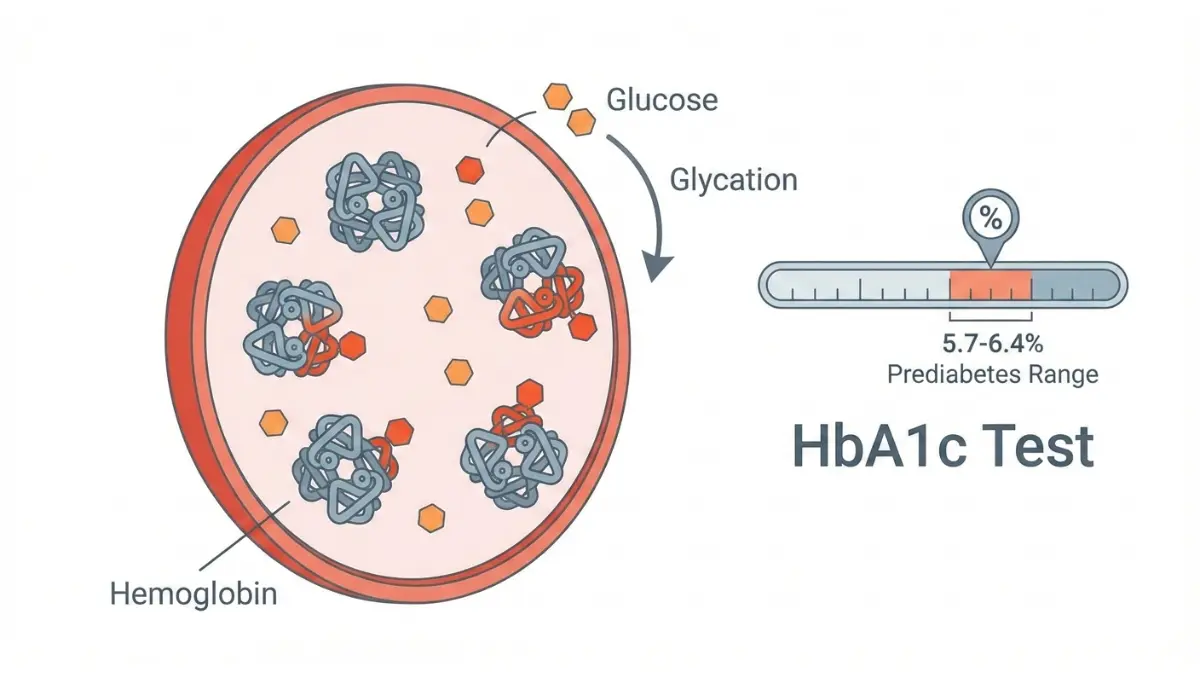
The HbA1c test measures the percentage of your hemoglobin proteins that have glucose attached to them. Because red blood cells live approximately 120 days, this test provides a snapshot of your average blood sugar levels over the past 2-3 months. Unlike a fasting glucose test that captures a single moment in time, the A1C test reveals your overall glycemic control patterns.
Your body constantly produces new red blood cells while old ones die off. The higher your blood sugar runs during those months, the more glucose binds to hemoglobin. This makes HbA1c the gold standard for diabetes diagnosis and monitoring, as outlined in the National Institute of Diabetes and Digestive and Kidney Diseases clinical guidelines.
2026 ADA Classification Chart
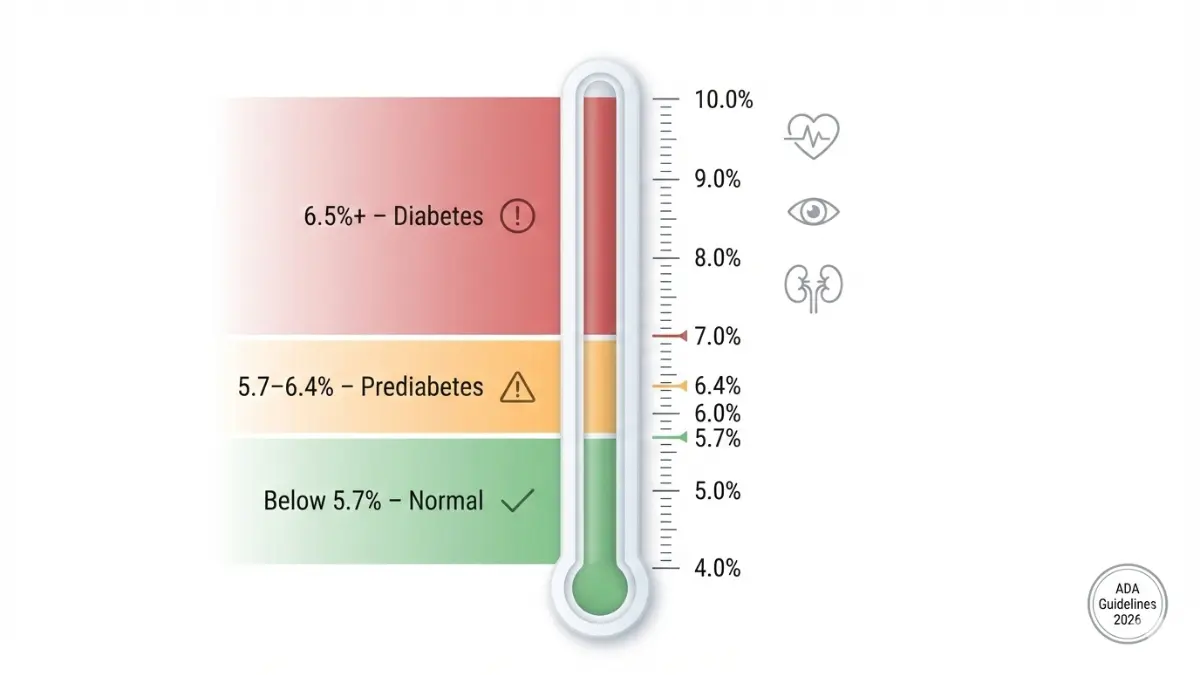
The American Diabetes Association updated their diagnostic criteria to reflect the latest research on diabetes progression. Here’s what your A1C levels mean:
| HbA1c Range | Classification | Diabetes Risk | Action Required |
|---|---|---|---|
| Below 5.7% | Normal | Low | Routine screening every 3 years |
| 5.7% – 6.4% | Prediabetes | High (up to 50% in 10 years) | Immediate intervention |
| 6.5% or higher | Diabetes | Diagnosis confirmed | Treatment initiation |
| 7.0% or higher | Uncontrolled diabetes | Very high complication risk | Intensive management |
These thresholds are based on extensive population studies showing increased retinopathy (eye damage) risk above 6.5%. The prediabetes range identifies individuals who need intervention before irreversible complications develop.
Why the 5.7-6.4% Range Is Critical
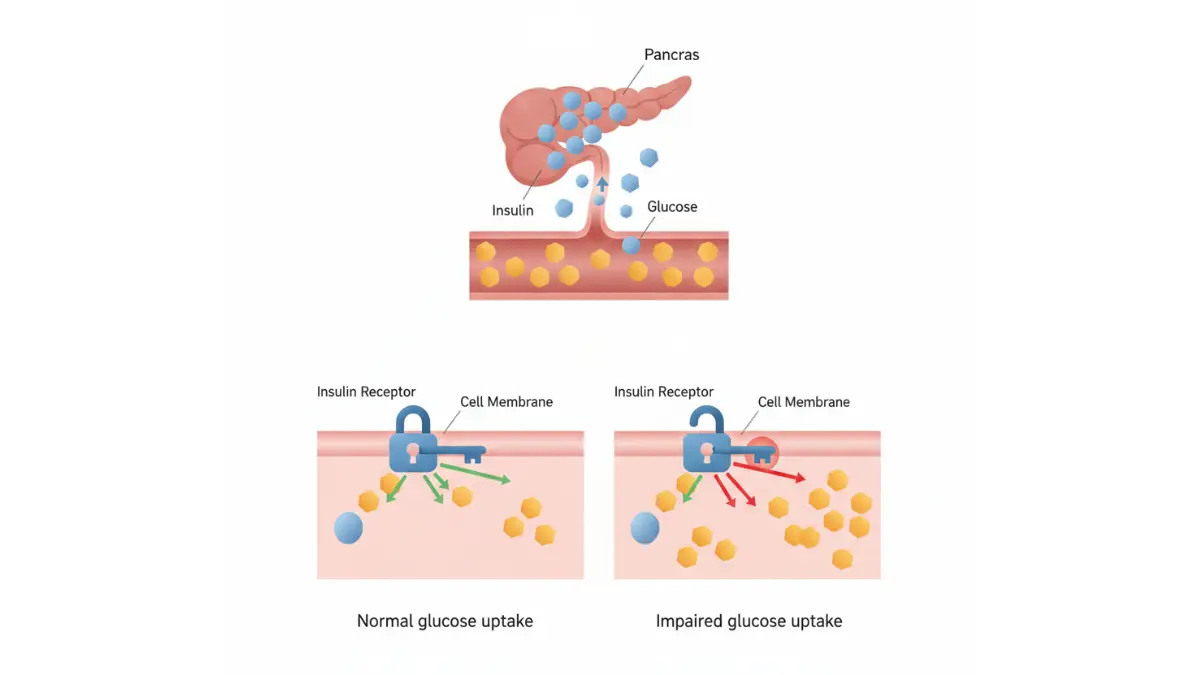
The prediabetes zone represents your body’s failing ability to regulate blood sugar effectively. At this stage, your pancreas still produces insulin, but your cells have developed insulin resistance. Think of it like a key that doesn’t fit the lock quite right anymore.
Research from Harvard Medical School’s Joslin Diabetes Center shows this is the most crucial intervention window. Studies demonstrate that intensive lifestyle modification during prediabetes can reduce diabetes progression by 58%—better than any medication currently available. The earlier you catch it in this range, the easier reversal becomes.
Many patients like Jennifer discover their prediabetes accidentally during routine checkups. Others notice subtle symptoms like increased thirst, frequent urination, or unexplained fatigue. If you’re experiencing these signs, our Symptom Checker can help identify patterns worth discussing with your doctor.
HbA1c vs Fasting Glucose: Key Differences
Your doctor may order both tests because they measure different things. Fasting glucose captures your blood sugar after 8-12 hours without food—essentially a snapshot of how well your liver regulates overnight glucose production. HbA1c shows your 3-month average, revealing patterns that single tests miss.
You can have normal fasting glucose but elevated HbA1c if your blood sugar spikes after meals. Conversely, some people have high fasting glucose but normal A1C levels if post-meal control is good. This is why doctors use both tests together for accurate diagnosis.
The blood sugar converter tool helps you understand how these measurements relate. A 6.0% HbA1c roughly corresponds to an average blood glucose of 126 mg/dL, but individual variation exists based on red blood cell lifespan and other factors.
What Doctors Check Next – The Medical Protocol
The Complete Follow-Up Protocol After Your HbA1c Result
For HbA1c 5.7-6.4% (Prediabetes Range)
When your A1C test lands in the prediabetes zone, physicians follow a standardized protocol to assess your complete metabolic picture. This isn’t just about confirming diabetes risk—it’s about identifying all cardiovascular factors that cluster together.
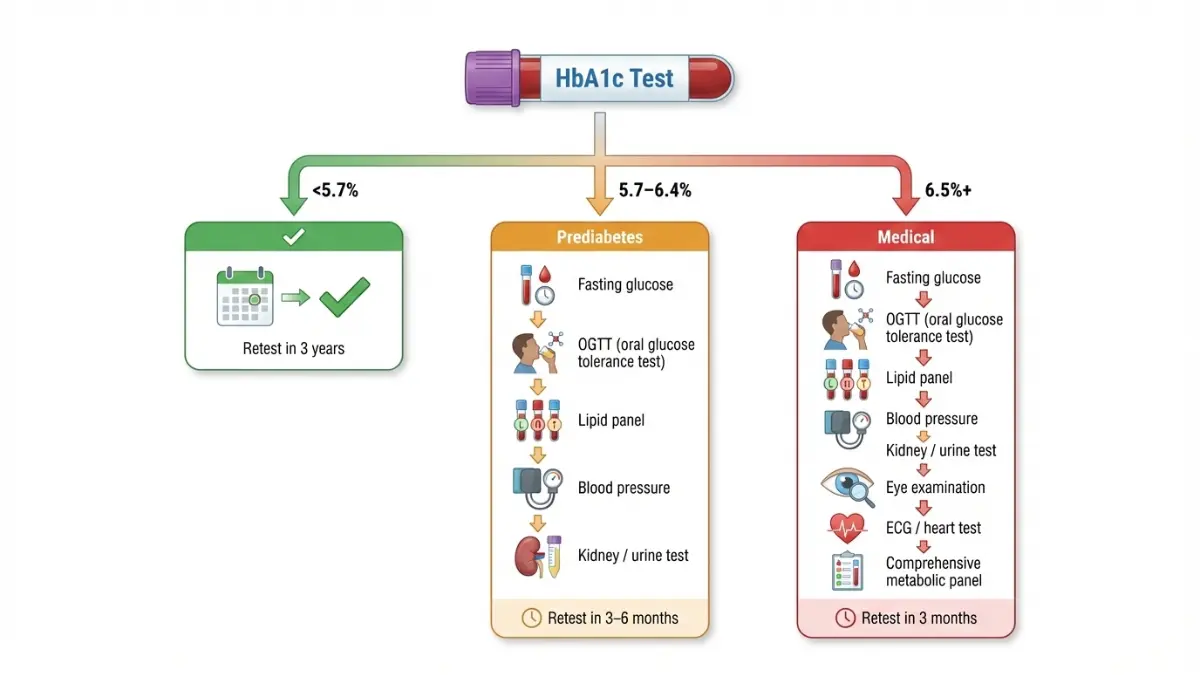
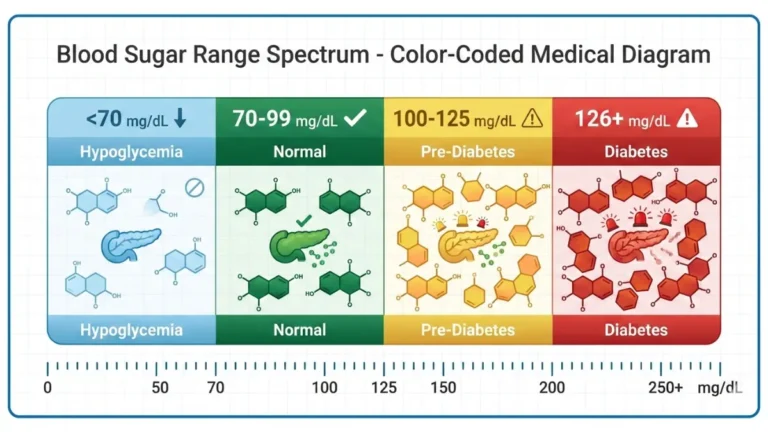
Fasting Glucose Confirmation Test Your doctor will order a fasting plasma glucose test to verify the HbA1c finding. You’ll need to fast for 8-12 hours before the blood draw. A result of 100-125 mg/dL confirms prediabetes, while 126 mg/dL or higher on two separate occasions confirms diabetes diagnosis. This dual-testing approach reduces false positives from lab errors or temporary elevations.
Oral Glucose Tolerance Test (OGTT) If results are borderline or you have additional risk factors, expect a 2-hour OGTT. You’ll drink a glucose solution, then blood draws measure how efficiently your body processes sugar. According to CDC diabetes screening recommendations, this test catches cases that HbA1c alone might miss, especially in younger adults or those with recent blood loss.
Lipid Panel Screening Prediabetes and abnormal cholesterol travel together. Your doctor will check total cholesterol, LDL, HDL, and triglycerides. Elevated triglycerides above 150 mg/dL combined with low HDL below 40 mg/dL signals metabolic syndrome—a cluster of conditions that dramatically increase heart disease risk. Many patients need to understand their lipid results alongside glucose management.
Blood Pressure Monitoring Insulin resistance affects blood vessel function, often causing hypertension. Expect your physician to check blood pressure at every visit and possibly recommend home monitoring. The target is below 130/80 mmHg for those with prediabetes. Using a heart rate zone calculator during exercise helps ensure you’re training at intensities that improve both cardiovascular fitness and insulin sensitivity.
Real Patient Case: Marcus, age 42, came in with an HbA1c of 6.2%. His follow-up revealed fasting glucose of 118 mg/dL, triglycerides of 210 mg/dL, and blood pressure of 138/88 mmHg. This complete picture shifted his treatment from simple diet advice to a comprehensive metabolic intervention program, including medication for cholesterol.
For HbA1c 6.5%+ (Diabetes Range)
Once HbA1c reaches 6.5% or higher, the diagnostic protocol expands significantly to screen for early complications.
Comprehensive Metabolic Panel This blood test evaluates kidney function (creatinine, eGFR), liver enzymes, and electrolyte balance. Diabetes can silently damage kidneys for years before symptoms appear. The National Kidney Foundation guidelines recommend annual screening for anyone with diabetes.
Microalbumin Urine Test This sensitive test detects tiny amounts of protein leaking into urine—the earliest sign of diabetic kidney disease. Normal is less than 30 mg/g creatinine. Results between 30-300 mg/g indicate early damage that’s still reversible with aggressive blood sugar and blood pressure control.
Eye Examination Referral Your doctor will refer you to an ophthalmologist for dilated retinal examination. Diabetic retinopathy causes no symptoms in early stages but can lead to blindness if untreated. Annual screening catches problems when laser treatment is most effective.
Cardiovascular Risk Assessment Diabetes doubles heart disease risk. Expect discussions about statin therapy regardless of cholesterol levels, aspirin for primary prevention (if benefits outweigh bleeding risks), and possibly advanced cardiac testing like coronary calcium scoring in higher-risk patients.
Real Patient Case: Patricia received a 7.1% HbA1c diagnosis at age 55. Her follow-up testing revealed stage 2 kidney disease (eGFR 68), early retinopathy in her left eye, and severely elevated LDL cholesterol at 165 mg/dL. Early detection allowed her team to start medications that prevented progression over the next 18 months.
For HbA1c Below 5.7% (Normal Range)
Even with normal results, screening frequency depends on risk factors. If you have a family history of diabetes, are overweight (check your status with our BMI calculator), or have a history of gestational diabetes, your doctor may recommend annual testing instead of the standard 3-year interval.
The American Diabetes Association standards now suggest screening starting at age 35 for all adults, or younger if you have multiple risk factors. Prevention is always easier than reversal.
Timeline: When You’ll Get These Tests
| Initial HbA1c Result | Follow-Up Tests | Timing | Retest HbA1c |
|---|---|---|---|
| 5.7-6.4% (Prediabetes) | Fasting glucose, lipid panel, BP check | Within 2 weeks | 3-6 months |
| 6.5-6.9% (Diabetes) | Full metabolic panel, urine microalbumin, eye exam | Within 1 week | 3 months |
| 7.0%+ (Uncontrolled) | All above plus cardiac evaluation | Immediate | Monthly until controlled |
How To Lower Your Hba1c (Evidence-based 2026)
Proven Strategies to Lower HbA1c: What Works in 2026
Dietary Interventions That Move the Needle
The strongest evidence for HbA1c reduction comes from structured dietary patterns, not generic “eat healthy” advice. The NIH-funded Diabetes Prevention Program demonstrated that specific eating strategies cut diabetes risk by 58% over three years.
Mediterranean Diet Evidence: Studies published in 2025 show this pattern reduces HbA1c by 0.3-0.5% in 12 weeks without calorie counting. Focus on olive oil, fatty fish, nuts, vegetables, and whole grains while limiting red meat and processed foods. The emphasis on anti-inflammatory fats directly improves insulin sensitivity at the cellular level.
Low-Carbohydrate Approaches: Reducing total carbohydrate intake to 50-130 grams daily (versus the typical 250+ grams) produces HbA1c reductions of 0.6-0.9% within 3 months. This works by decreasing glucose load, forcing your body to burn fat for fuel. Our macro calculator helps determine your personalized carbohydrate targets based on activity level and goals.
Meal Timing Strategies: Time-restricted eating (consuming all meals within an 8-10 hour window) activates cellular cleanup processes that improve insulin response. Research shows this approach drops HbA1c by 0.4% even without changing food choices, though combining both methods maximizes results. The intermittent fasting calculator provides customized eating windows based on your schedule.
Expected Reduction: Dietary intervention alone typically produces 0.5-1.2% HbA1c decrease in 3 months. Someone starting at 6.3% can realistically reach 5.5% through committed nutritional changes.
Exercise Protocol for HbA1c Reduction
Physical activity improves insulin sensitivity through multiple mechanisms: increased glucose uptake by muscles, enhanced mitochondrial function, and reduction of inflammatory markers. The effects are dose-dependent—more activity equals better results.
HIIT vs Steady-State Cardio: High-intensity interval training (alternating 30-second sprints with 1-minute recovery periods) produces superior HbA1c reductions compared to moderate continuous exercise. A meta-analysis in the Journal of Diabetes Research found HIIT lowered A1C levels by 0.6% versus 0.3% for traditional cardio in 12 weeks.
Resistance Training Benefits: Lifting weights builds muscle mass, which acts as a glucose “sink” that lowers blood sugar even at rest. Studies show combining strength training with aerobic exercise reduces HbA1c by 0.7-0.9%—better than either alone. Aim for 2-3 sessions weekly targeting all major muscle groups.
Frequency and Duration Guidelines: The American Diabetes Association recommends 150 minutes of moderate activity weekly, spread across at least 3 days with no more than 2 consecutive days off. This consistency prevents the insulin sensitivity improvements from wearing off. Use our pace calculator to set appropriate walking or running speeds that keep you in the target zone.
Expected Reduction: A comprehensive exercise program combining cardio and resistance training typically decreases HbA1c by 0.5-0.7% over 12-16 weeks. Results appear fastest in those starting from the most sedentary baseline.
Medication Options: When Lifestyle Isn’t Enough
Metformin for Prediabetes (2026 Recommendations): The latest guidelines from diabetes.org now support metformin for prediabetes patients with HbA1c 6.0-6.4%, BMI over 35, or under age 60 with additional risk factors. This medication reduces diabetes progression by 31% and causes modest weight loss (4-6 pounds on average). Side effects like stomach upset usually resolve within 2-3 weeks.
GLP-1 Agonist Updates: Medications like semaglutide (Ozempic, Wegovy) and tirzepatide (Mounjaro) now have FDA approval for prediabetes in patients with obesity. These produce dramatic HbA1c reductions of 1.5-2.0% while causing 10-15% weight loss. Cost and insurance coverage remain barriers, but biosimilar versions launching in 2026 improve access.
When Doctors Prescribe: If lifestyle changes don’t reduce HbA1c by at least 0.5% within 3-6 months, or if you start with A1C levels above 6.8%, most endocrinologists recommend adding medication. The goal isn’t to replace lifestyle changes but to accelerate results while habits solidify.
Timeline: Realistic Expectations
Understanding what’s achievable prevents frustration and helps you stay committed. Here’s what evidence-based interventions typically produce:
| Intervention | Expected HbA1c Reduction | Timeline | Success Rate |
|---|---|---|---|
| Mediterranean diet alone | 0.3-0.5% | 12 weeks | 65% compliance |
| Low-carb diet (<100g/day) | 0.6-0.9% | 12 weeks | 55% compliance |
| Exercise program (cardio + weights) | 0.5-0.7% | 16 weeks | 70% compliance |
| Combined diet + exercise | 0.8-1.5% | 12 weeks | 45% full compliance |
| Metformin addition | 0.6-0.8% | 8 weeks | 80% tolerance |
| GLP-1 agonist | 1.5-2.0% | 12 weeks | 85% tolerance |
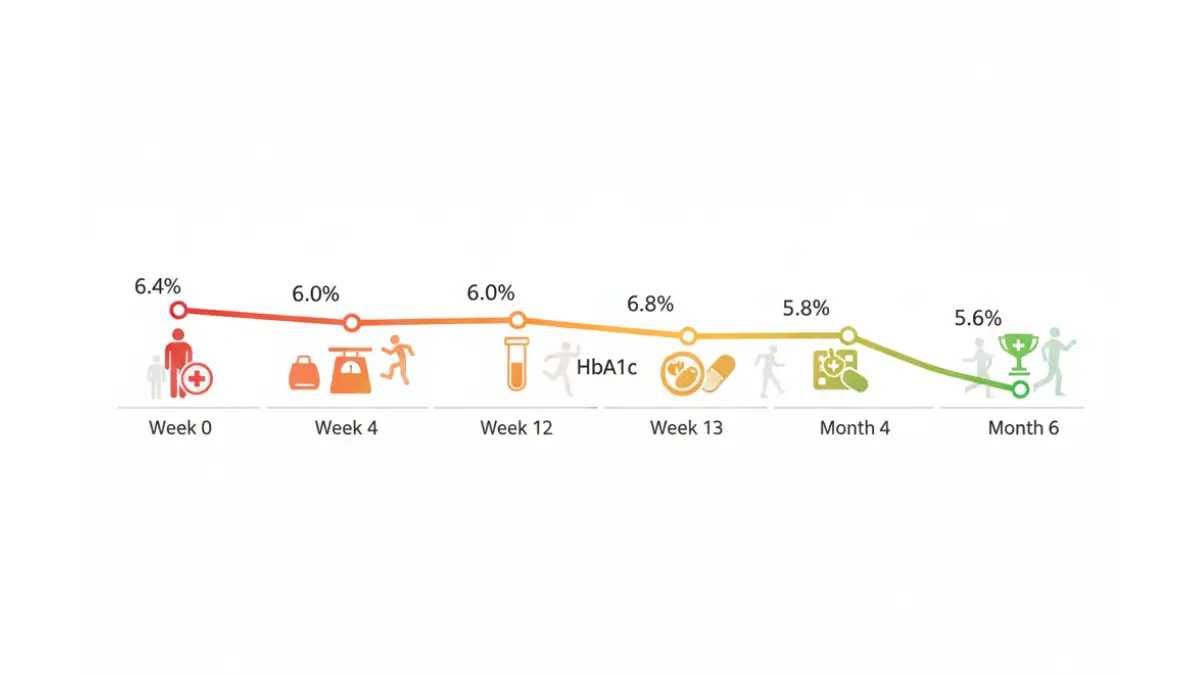
Real Patient Case: David started at 6.8% HbA1c with no prior interventions. He implemented a low-carb approach using our keto calculator for meal planning, added 4 days weekly of combined cardio and weights, and started metformin. His 3-month retest showed 5.9%—a 0.9% drop that moved him out of the diabetes range entirely. By month 6, he reached 5.6% and discontinued medication while maintaining lifestyle changes.
Most patients see measurable improvement in 8-12 weeks, but full results may take 4-6 months. HbA1c reflects a 90-day average, so even perfect compliance today won’t show in your numbers until enough time passes for new red blood cells to replace old ones. Monitoring your calorie deficit ensures you’re creating the conditions for success during this period.
Monitoring & Long-term Management
HbA1c Testing Frequency & Long-Term Tracking (2026 Standards)
How Often Should You Retest?
Testing frequency depends entirely on your current HbA1c level, treatment intensity, and how quickly you’re making changes. The American Diabetes Association’s 2026 standards provide clear guidance:
| Current HbA1c Status | Retest Frequency | Rationale | Insurance Coverage |
|---|---|---|---|
| Below 5.7% (normal, no risk factors) | Every 3 years | Routine screening | Preventive benefit |
| Below 5.7% (with risk factors) | Annually | Early detection | Usually covered |
| 5.7-6.4% (prediabetes, stable) | Every 6 months | Monitor progression | Covered with diagnosis code |
| 5.7-6.4% (active intervention) | Every 3 months | Track intervention effectiveness | Covered |
| 6.5%+ (diabetes, stable on meds) | Every 3-6 months | Ensure continued control | Standard diabetes care |
| 7.0%+ or medication changes | Every 3 months | Aggressive monitoring | Required for med management |
If you’re implementing lifestyle changes or adjusting medications, quarterly testing provides the feedback you need to stay motivated. Seeing that 6.2% drop to 5.8% validates your efforts and guides your physician’s treatment decisions. Medicare and most commercial insurance cover HbA1c testing when medically necessary with proper diagnostic codes.
Home HbA1c Testing: 2026 Options
Recent FDA approvals expanded home testing options, though accuracy concerns remain. The A1CNow+ system provides results in 5 minutes using a finger stick, with accuracy within 0.5% of lab values in validation studies. Cost runs $40-70 per test kit without insurance coverage.
When Home Testing Makes Sense: Convenient for tracking trends between doctor visits, especially if you’re highly motivated and making rapid changes. However, never use home tests for initial diagnosis—only laboratory-drawn HbA1c results with quality control meet diagnostic standards outlined in clinical laboratory guidelines.
Limitations to Know: Home tests can give falsely high or low readings with certain conditions affecting red blood cells (anemia, recent blood transfusion, hemoglobin variants). Always confirm significant changes with your doctor’s lab. Think of home testing as a trend tool, not a diagnostic replacement.
Beyond HbA1c: Complete Metabolic Monitoring
HbA1c tells you average blood sugar but misses important details. Someone with stable glucose all day has the same A1C as someone with dangerous highs and lows that average out. This is where additional monitoring fills gaps.
Continuous Glucose Monitors (CGM): Devices like Dexcom G7 and FreeStyle Libre 3 track glucose every 1-5 minutes, revealing patterns HbA1c can’t detect. The 2026 Medicare expansion now covers CGM for prediabetes patients with HbA1c 5.7-6.4% if prescribed by an endocrinologist. Real-time feedback showing how specific foods spike your glucose drives behavior change better than any abstract A1C number.
Comprehensive Tracking Strategy: Your physician should monitor multiple markers together, creating a complete metabolic picture. This includes fasting glucose monthly during active intervention, lipid panels every 6 months, annual microalbumin testing once you reach diabetes diagnosis, and quarterly checks of liver and kidney function if taking medications.
Many patients benefit from tracking body composition alongside HbA1c. Muscle gain improves insulin sensitivity even if weight remains stable. Our body fat calculator and ideal weight calculator help monitor progress beyond the scale.
The Genetic Risk Assessment Tool identifies hereditary factors that might require more aggressive monitoring. If you have first-degree relatives with diabetes, your screening should start earlier and occur more frequently regardless of current HbA1c levels.
Frequently Asked Questions About HbA1c Results
1. Can stress raise my HbA1c?
Yes—chronic stress elevates cortisol, which increases blood sugar and insulin resistance, potentially raising HbA1c by 0.2-0.5% over months.
2. Does HbA1c vary by age?
Normal ranges remain the same, but average levels increase slightly with age due to declining pancreatic function and muscle loss.
3. How accurate is the HbA1c test?
Laboratory HbA1c tests are accurate within ±0.5%, though conditions affecting red blood cells (anemia, recent transfusion) can skew results.
4. Can I lower HbA1c in 2 weeks?
No—HbA1c reflects 3-month average blood sugar. Significant changes require 8-12 weeks minimum to appear in test results.
5. Is 5.8% HbA1c bad?
It’s in the prediabetes range (5.7-6.4%), indicating elevated diabetes risk but excellent reversal potential with lifestyle intervention.
6. What foods lower HbA1c fast?
No single food lowers HbA1c, but patterns like Mediterranean diet or low-carb approaches reduce levels by 0.5-1.0% in 12 weeks.
7. Should I fast before HbA1c test?
No—unlike fasting glucose tests, HbA1c measures 3-month averages, so recent meals don’t affect results. No preparation needed.
8. Can medications affect HbA1c results?
Vitamin C supplements, aspirin, and opioids can slightly lower results; iron supplementation may raise them. Inform your doctor of all medications.
9. Is HbA1c 6.3% reversible?
Absolutely—studies show 60% of people with prediabetes (5.7-6.4%) return to normal levels with intensive lifestyle modification within 6-12 months.
10. How long until HbA1c improves?
Expect measurable change in 8-12 weeks with consistent intervention. Full reversal from 6.3% to below 5.7% typically takes 4-9 months.
11. Do I need medication at 6.0% HbA1c?
Not usually—lifestyle intervention is first-line treatment for prediabetes. Metformin considered if BMI over 35, age under 60, or no improvement after 3-6 months.
Take Control of Your HbA1c Today
Your HbA1c result between 5.7% and 6.4% represents a critical window where action creates lasting change. Unlike many health conditions that develop silently until damage is done, prediabetes gives you clear warning and proven tools to reverse course.
The follow-up tests your doctor orders—fasting glucose, lipid panels, blood pressure checks, and kidney function monitoring—create a complete picture of your metabolic health. These aren’t just numbers on a page; they’re your roadmap to prevention. Every 0.5% reduction in HbA1c cuts your diabetes risk significantly and protects against heart disease, kidney failure, and vision loss.
Start with the intervention that feels most achievable. Whether that’s using our water intake calculator to improve hydration, our protein calculator to optimize nutrition, or simply walking 30 minutes daily using our pace calculator, small consistent changes compound into remarkable results.
Remember Jennifer from the opening? Six months after her 6.1% diagnosis, her HbA1c dropped to 5.4% through Mediterranean diet adoption and regular exercise. Marcus went from 6.2% to 5.6% in four months. Patricia’s 7.1% decreased to 6.3% within three months, preventing further kidney damage. These aren’t exceptional cases—they’re what happens when early detection meets evidence-based intervention.
Your numbers don’t define you, but they do inform your next steps. Work with your healthcare team, track your progress, and trust the process. For related blood test interpretation, explore our comprehensive guides on TSH levels, CBC test results, and liver function tests.
Next Steps: Use our interactive tools to begin tracking your health metrics, schedule your follow-up appointments, and implement the evidence-based strategies outlined in this guide. Your prediabetes diagnosis is not a life sentence—it’s an opportunity.
Medical disclaimer
The content on MyMedicineAdvisor is provided for general informational and educational purposes only and is not a substitute for professional medical advice, diagnosis, or treatment. Health information on this website should not be used to diagnose, treat, cure, or prevent any condition without guidance from a qualified healthcare professional. Always seek the advice of your doctor, physician, or another licensed healthcare provider with any questions you may have regarding a medical condition, symptoms, medications, or treatment decisions.