What Is “Ozempic Face”?
What Is Ozempic Face and Why Does It Happen?
“Ozempic Face” describes visible facial changes—including gaunt cheeks, sunken temples, sagging skin, and pronounced wrinkles—that can occur after rapid weight loss, particularly in people using GLP-1 receptor agonist medications like semaglutide. While the term went viral on social media and has been viewed millions of times on TikTok, it is not a medical diagnosis or a direct side effect of the medication itself.
Understanding Ozempic and Semaglutide
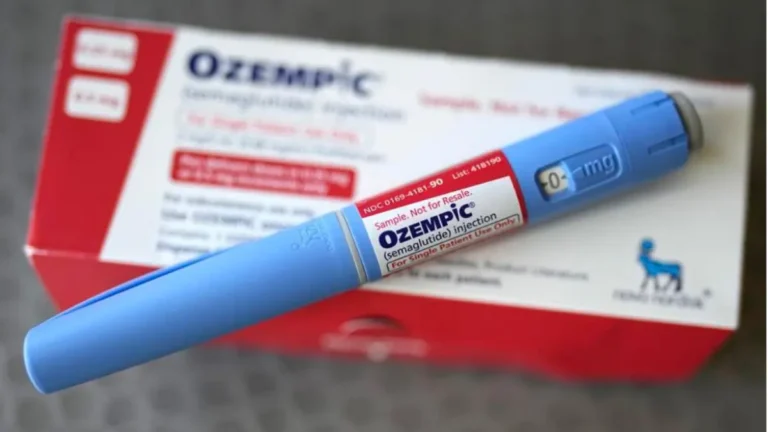
Ozempic (semaglutide) is an injectable medication approved by the FDA in December 2017 as an adjunct to diet and exercise for improving blood sugar control in adults with type 2 diabetes. It belongs to a class of drugs called GLP-1 receptor agonists, which work by mimicking the glucagon-like peptide-1 hormone that regulates appetite, slows gastric emptying, and enhances insulin secretion while reducing glucagon release. Although Ozempic is FDA-approved for diabetes management, many people use it off-label for weight loss, achieving dramatic results—often losing 15% or more of their body weight within months.
For individuals seeking to understand their starting point before or during treatment, tools like the BMI calculator and body fat percentage calculator can provide valuable baseline metrics.
Defining “Ozempic Face”
The term “Ozempic Face” is a colloquial expression coined by the media and popularized on social platforms to describe facial aging that accelerates with rapid fat loss. According to endocrinologist Dr. Vinni Makin from Cleveland Clinic, the condition is “characterized by gauntness, sunken cheeks, new wrinkles and loose skin on the face and neck”. Research published in the National Institutes of Health database describes it as “exaggerated volume loss from semaglutide therapy, resulting in advanced facial aging”.
Key features include:
- Hollowed or sunken cheeks and temples
- Sagging skin around the jawline and neck
- Increased lines, wrinkles, and deepened nasolabial folds
- Thinning lips and loss of overall facial fullness
- A tired, aged, or gaunt appearance
Ozempic Face vs. Traditional Facial Aging
| Feature | Ozempic Face | Traditional Aging |
|---|---|---|
| Primary Cause | Rapid fat loss from weight-loss medication or diet | Gradual collagen/elastin breakdown over decades |
| Onset Speed | Weeks to months | Years to decades |
| Facial Volume Loss | Pronounced, especially in cheeks and temples | Gradual, diffuse |
| Skin Laxity | Sudden sagging due to lack of time for skin retraction | Progressive loss of elasticity |
| Reversibility | Potentially reversible with fillers, slower weight loss, or weight regain | Largely irreversible without intervention |
Why the Term Went Viral
The phrase “Ozempic Face” exploded across social media in 2023, with the hashtag #ozempicface generating over 2.3 million views on TikTok. Celebrities and influencers publicly discussing their weight-loss journeys, combined with dramatic before-and-after photos, fueled widespread curiosity and concern. The trend coincided with surging demand for GLP-1 medications and growing awareness of their cosmetic side effects. This cultural moment has driven millions to search for answers about prevention, treatment, and whether the changes are permanent.
For those interested in tracking their weight loss progress or understanding their calorie deficit while using these medications, evidence-based tools can support safer, more gradual results.
Disclaimer: This article is for educational purposes only. It is not medical advice. Always consult a qualified healthcare provider before starting or stopping any medication.
Why Does Ozempic Change Facial Appearance?
The Science Behind Rapid Weight Loss and Facial Fat
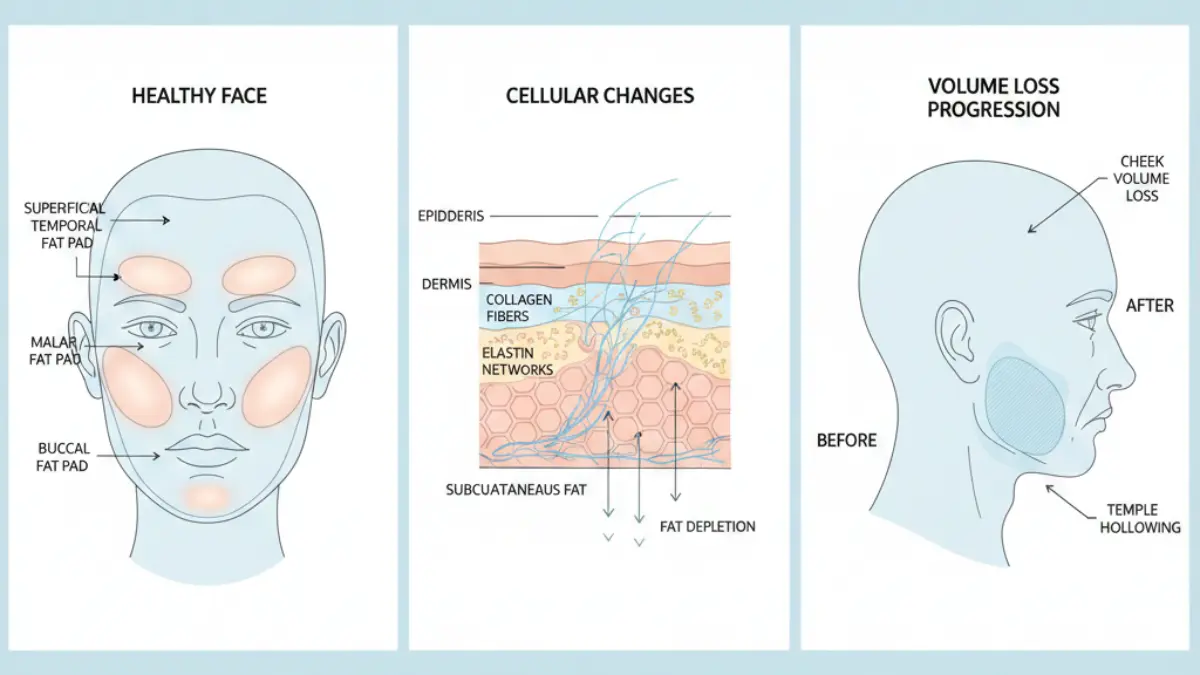
When you lose weight quickly—whether through medications like semaglutide, bariatric surgery, or extreme calorie restriction—your body burns fat from all areas, including delicate facial fat compartments that provide structure and youthful contours. Research published by the National Institutes of Health found that patients experiencing massive weight loss showed an average 41.8% reduction in the superficial temporal fat pad and a striking 69.9% decrease in cheek fat volume within just 9.4 months. These facial fat pads—organized into superficial and deep layers—are critical scaffolding that support your skin and maintain fullness in areas like the cheeks, temples, and jawline.
Unlike gradual weight loss, rapid fat reduction doesn’t give your skin adequate time to contract and adapt, leaving excess loose skin that sags and wrinkles. For individuals tracking their weight loss journey, tools like the weight loss calculator can help monitor the pace of change and support a more controlled approach.
Collagen, Elastin, and Skin Retraction: What Happens Beneath the Surface
Your skin’s ability to “snap back” after weight loss depends heavily on collagen and elastin—structural proteins that provide firmness and elasticity. Studies analyzing skin from patients with massive weight loss reveal significantly thinner and less dense collagen fibers in both the papillary and reticular dermis, along with damaged elastic fiber networks. According to research from government health databases, rapid fat loss outpaces the skin’s ability to produce new collagen and elastin, causing it to lose firmness and take on a crepey, aged appearance.
Obesity itself alters the extracellular matrix by changing collagen III expression, and while weight loss can reverse some dermatological conditions by improving collagen production, the speed of fat reduction determines whether skin has time to regenerate properly. Younger individuals under 40 typically have more elastic skin and a higher likelihood of natural retraction, whereas older patients face greater risk of permanent sagging because their skin has already lost baseline elasticity. Understanding your body composition with tools like the body fat percentage calculator can provide insight into how much fat you’re losing and at what rate.
Does Ozempic “Target” the Face? Understanding Fat Distribution
Ozempic does not selectively attack facial fat—this is a common misconception. GLP-1 receptor agonists like semaglutide promote overall fat loss by suppressing appetite, slowing gastric emptying, and enhancing metabolic function. However, facial fat loss becomes highly noticeable because the face contains relatively small, delicate fat compartments compared to the abdomen, thighs, or hips. Research suggests that superficial fat compartments shrink before deeper layers during rapid weight loss, which contributes to the hollowed, aged appearance known as “pseudoptosis”.
The dramatic visibility of facial changes—combined with the drug’s efficiency (patients lose an average of 10% or more of their body weight, with some dropping over 15%)—makes “Ozempic Face” appear as though the medication directly targets the face, when in reality it’s a consequence of systemic fat reduction happening faster than the skin can adapt.
Weight Loss Side Effects vs. True Ozempic Side Effects
It’s critical to distinguish between side effects of the medication itself and consequences of rapid weight loss. Ozempic’s FDA-approved purpose is managing blood sugar in type 2 diabetes, with weight loss being a secondary benefit. The medication’s true side effects include nausea, vomiting, diarrhea, and constipation—not facial sagging. “Ozempic Face” is more accurately described as a complication of accelerated fat loss rather than a pharmacological effect of semaglutide.
Comparison: Ozempic, Wegovy, and Other GLP-1 Medications
| Medication | Active Ingredient | FDA Approval | Primary Use | Typical Weight Loss | Facial Change Risk |
|---|---|---|---|---|---|
| Ozempic | Semaglutide (0.5-1 mg) | Type 2 diabetes | Blood sugar control | 5-10% body weight | Moderate to high with rapid loss |
| Wegovy | Semaglutide (2.4 mg) | Chronic weight management | Obesity treatment | 10-15%+ body weight | High due to higher dosing |
| Mounjaro | Tirzepatide | Type 2 diabetes | Blood sugar control | 15-20%+ body weight | Very high with aggressive loss |
| Saxenda | Liraglutide | Chronic weight management | Obesity treatment | 5-8% body weight | Moderate |
Who Is at Highest Risk for Ozempic Face?
Not everyone experiences dramatic facial changes, but certain factors significantly increase your risk:
- Age over 40: Reduced skin elasticity and slower collagen regeneration make older adults more vulnerable to sagging and volume loss.
- Rapid weight loss (more than 1-2 kg per week): Losing weight too quickly prevents skin retraction and accelerates facial aging.
- Higher starting BMI: Individuals with more total fat to lose may experience more pronounced facial deflation. Using a BMI calculator before starting treatment establishes a baseline.
- Genetics and facial structure: People with naturally rounder faces or certain bone structures may show more visible hollowing as fat is lost.
- Previous sun damage or smoking history: These factors compromise skin quality and reduce elasticity, worsening the appearance of volume loss.
Understanding your baseline metrics with tools like the ideal weight calculator can help you and your healthcare provider set realistic, safer weight loss targets.
Signs, Symptoms, and Real Patient Stories
Early Warning Signs of Ozempic Face
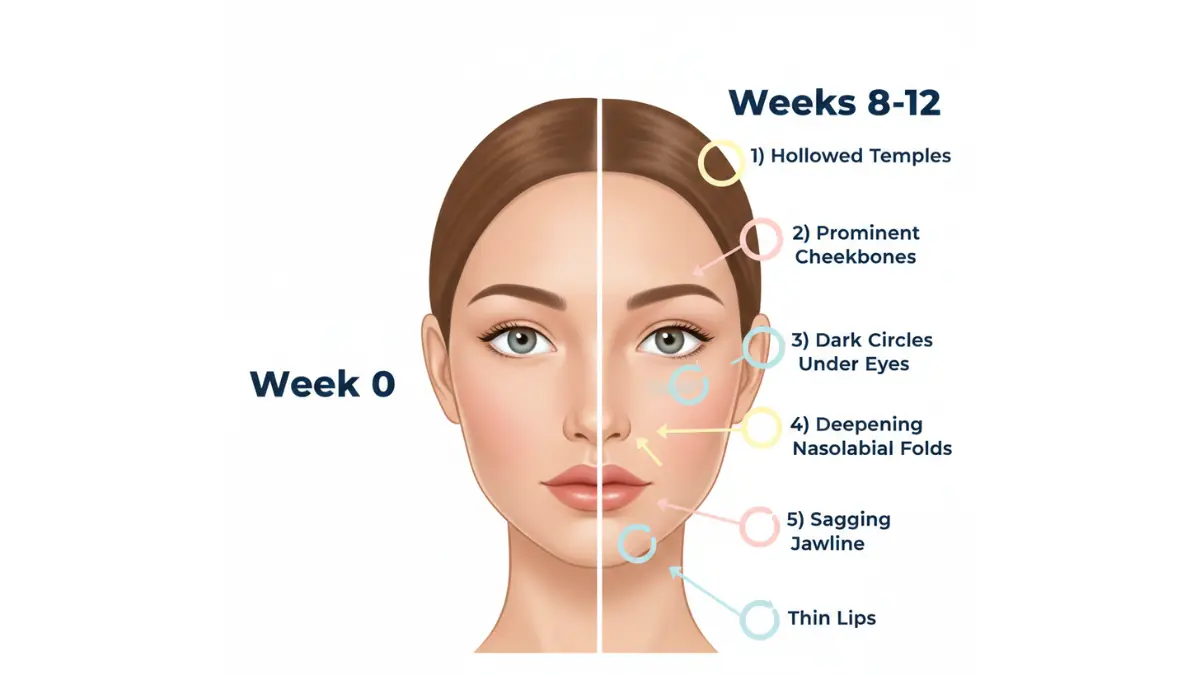
Facial changes typically become noticeable after losing 15–20 pounds or approximately 10–20% of total body weight, though this varies by individual. According to clinical observations shared by UCLA Health, the faster you lose weight and the more you lose, the more likely you are to notice facial alterations. Early indicators include cheekbones and facial bones becoming more prominent, dark circles developing under the eyes, and skin beginning to droop around the cheeks and jawline. Monitoring your weight loss pace with a weight loss calculator can help you recognize when changes might begin to occur.
Physical Changes: What to Watch For
The hallmark symptoms of “Ozempic Face” involve progressive volume loss and visible aging across multiple facial zones:
- Hollowed or sunken cheeks and temples: Loss of subcutaneous fat creates a gaunt, skeletal appearance as facial bones become more visible.
- Sagging skin around the jawline and neck: Excess loose skin that hasn’t retracted forms jowls and a “turkey neck” appearance.
- Increased lines and wrinkles: Nasolabial folds (lines from nose to mouth) deepen significantly, and new creases appear around the mouth, forehead, and eyes.
- Thinning lips: Reduced fat in the perioral area causes lips to lose fullness and definition.
- Sunken, hollow eyes: Under-eye areas develop pronounced shadows and a tired, aged look.
- Loss of youthful contours: The overall face loses its fullness, smoothness, and three-dimensional shape.
Facial Changes by Severity and Timeline
| Severity | Timeline | Key Features | Impact on Appearance |
|---|---|---|---|
| Mild | 1–3 months, 5–10 lbs lost | Slight hollowing in cheeks, subtle darkening under eyes | Face looks thinner but still healthy |
| Moderate | 3–6 months, 10–20 lbs lost | Visible cheekbone prominence, deepened nasolabial folds, mild sagging | Noticeable aging, tired appearance |
| Severe | 6+ months, 20+ lbs lost | Pronounced sunken cheeks and temples, significant jowls, crepey skin, dramatic wrinkling | Gaunt, aged appearance; psychological distress common |
Real Patient Stories: Voices from Around the World
Sarah, 44, United Kingdom: After three months on semaglutide, Sarah reported that her cheeks appeared sunken, her face looked perpetually tired, and she described herself as “prematurely aged.” She shared that the psychological impact of these cosmetic changes outweighed her satisfaction with her 18-pound weight loss. Understanding her BMI before and during treatment might have helped her set more realistic expectations.
Maria, 52, United States: Although not obese before starting treatment, Maria noticed progressive aging signs during eight months of semaglutide therapy. Clinical evaluation revealed pronounced nasolabial folds, deep labiomental creases, and significant laxity in the neck region, making her appear older than before treatment and raising serious concerns about continuing the medication despite its metabolic benefits.
Jennifer, 38, United States: Reflecting on photos shared by a friend, Jennifer recalled, “Everything just kind of sagged and felt very loose. I no longer had cheeks, and there was a lot of loose skin under my neck. It looked like I had melted. It was terrifying. Seeing how my face had changed was disheartening—I felt I looked much older than my age”.
These real-world accounts highlight the emotional and social toll of rapid facial changes, underscoring the importance of balanced weight loss approaches and realistic goal-setting with tools like the ideal weight calculator.
Key Takeaway: Facial changes from rapid weight loss are not merely cosmetic—they can significantly affect self-esteem, mental health, and quality of life. Recognizing early signs and seeking timely intervention can help mitigate these effects.
Risks, Long-Term Impact, and What Science Says
Is Ozempic Face a Health Risk or Cosmetic Concern Only?
“Ozempic Face” is primarily a cosmetic issue, but its psychological and social consequences can significantly impact quality of life and mental health. A systematic review published in the National Institutes of Health database emphasizes that exploring the psychosocial impact of advanced facial aging from GLP-1 receptor agonists—particularly among vulnerable populations with elevated BMI, comorbidities, or body dysmorphia—is critically important. Patients frequently express dissatisfaction because rapid facial changes conflict with their anticipated benefits of improved health and appearance, creating emotional distress that can undermine treatment adherence and overall well-being.
While the physical changes themselves are not medically dangerous, the social stigma, self-esteem challenges, and emotional toll warrant serious clinical attention.
Risks of Rapid vs. Gradual Weight Loss
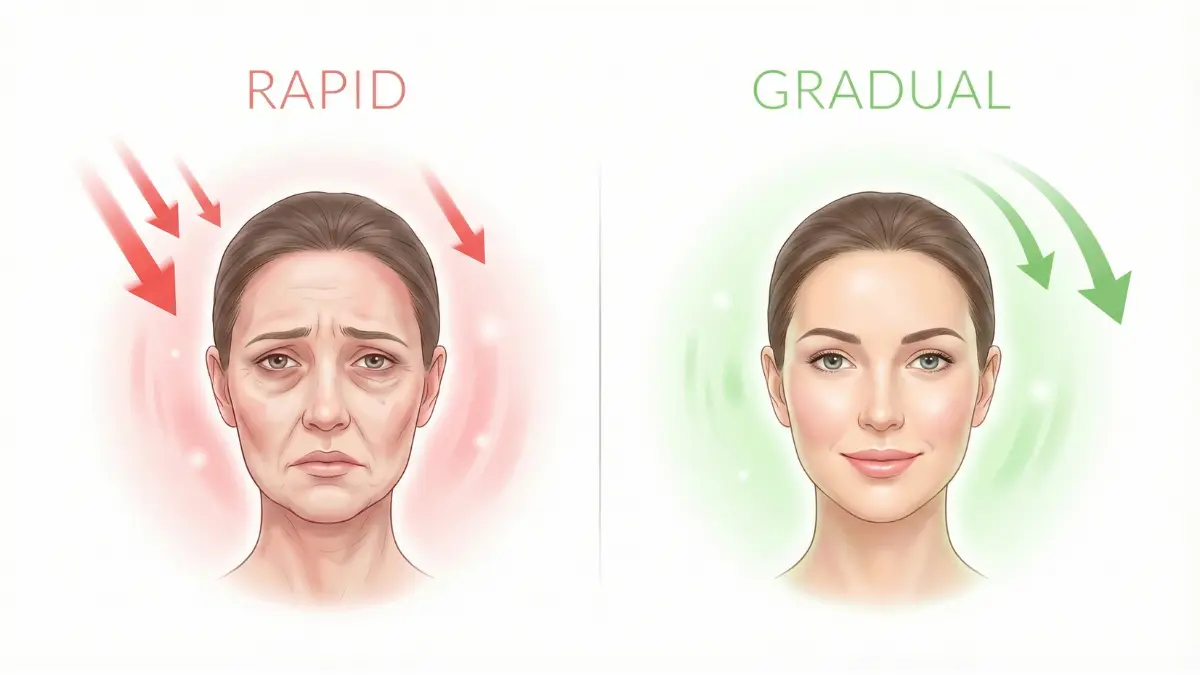
The speed at which you lose weight fundamentally determines your risk for facial aging and skin complications:
- Rapid weight loss (more than 1–2 kg per week): Causes accelerated fat depletion from critical facial areas like the midface, temples, and periorbital regions, with the skin unable to retract in time, resulting in pronounced sagging, hollowing, and visible aging. Research from government health sources found that patients who underwent massive weight loss showed significant increases in perceived facial age—from an average of 40.8 years before weight loss to 43.7 years after—with older individuals over 40 experiencing the most dramatic changes.
- Gradual weight loss (0.5–1 kg per week): Allows skin time to adapt and produce new collagen and elastin, significantly reducing the risk of sagging and facial deflation. Using tools like the calorie deficit calculator and macro calculator can help you pace weight loss more safely and sustainably.
- Metabolic and psychological risks: Beyond appearance, rapid weight loss can disrupt metabolic balance, reduce muscle mass, impair nutrient absorption, and trigger anxiety, depression, or body image disorders.
Clinical Data at a Glance: Evidence Summary
| Study Type | Key Finding | Evidence Strength | Source |
|---|---|---|---|
| Systematic Review | Semaglutide causes exaggerated facial volume loss and advanced facial aging | High (multiple studies analyzed) | NIH Database |
| Prospective Cohort | 41.8% reduction in temporal fat, 69.9% decrease in cheek fat within 9.4 months | High (quantitative imaging data) | NIH Research |
| Clinical Observation | Facial aging accelerates in patients >40 years; perceived age increases by 2.9 years on average | Moderate to High | NIH Study |
| Case Reports | Patients report dissatisfaction, emotional distress, and body dysmorphia post-weight loss | Moderate (qualitative data) | Dermatology Times |
Is Facial Change Reversible After Stopping Ozempic?
The reversibility of “Ozempic Face” depends largely on whether you regain weight or pursue cosmetic interventions. According to WebMD, most people who stop taking GLP-1 drugs like Ozempic will regain most—if not all—of the weight they lost, and if you regain your lost weight, your facial appearance will likely return to what it was before treatment. However, if you maintain your weight loss without intervention, facial hollowing and sagging will persist and may even worsen with natural aging.
International expert consensus suggests that while some minor improvement in skin tone may occur naturally after stopping the medication (due to stabilization of weight and slight collagen remodeling), significant structural changes—such as deep volume loss and advanced skin laxity—require active treatment with fillers, fat grafting, or surgical procedures to restore a youthful appearance. For those looking to maintain stable weight without facial complications, consulting healthcare providers about pacing and using tools like the intermittent fasting calculator may support more gradual approaches.
Secondary Adverse Effects: Beyond Facial Changes
While facial aging is the most visible consequence, rapid weight loss from semaglutide can also cause:
- Skin rashes and redness: Especially in areas where loose skin folds and friction increases
- Accelerated body aging: Loss of breast volume, abdominal skin laxity, and formation of a ptotic pannus (hanging skin flap) that interferes with exercise, intimacy, and clothing fit
- Mental health challenges: Anxiety, depression, and body dysmorphia related to dramatic appearance changes
Key Takeaway: Facial changes from rapid weight loss are not automatically reversible without intervention. A balanced approach that prioritizes gradual weight loss, proper nutrition, and early cosmetic consultation can mitigate long-term risks and improve patient satisfaction.
Clinical Prevention & Advanced Treatments
How to Prevent or Fix Ozempic Face
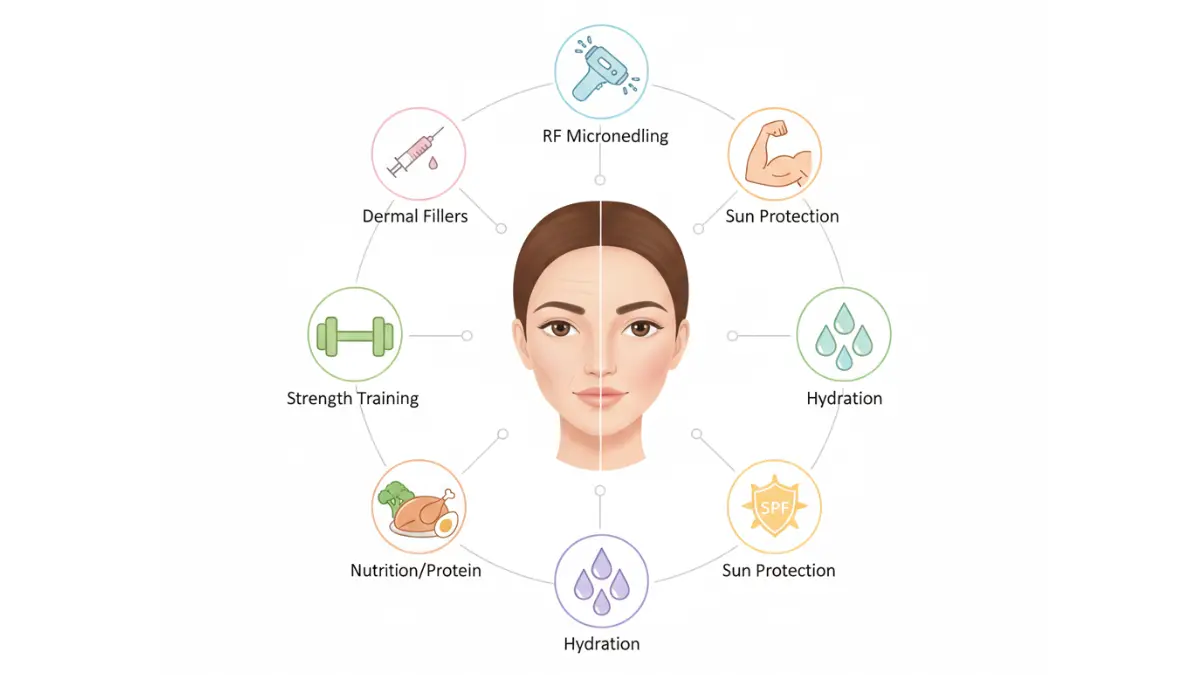
Preventing and treating “Ozempic Face” requires a multi-faceted approach combining lifestyle modifications, nutritional optimization, and, when necessary, advanced cosmetic interventions. According to experts from Cleveland Clinic, the most effective prevention strategy is slowing your rate of weight loss to give your skin adequate time to adapt and produce new collagen. International dermatology and plastic surgery consensus panels emphasize that early intervention and personalized care plans significantly improve patient outcomes and satisfaction.
Lifestyle Changes to Minimize Facial Loss
Gradual, controlled weight loss is the cornerstone of prevention. Aiming for 0.5–1 kg per week allows skin to retract naturally and preserves critical facial fat pads. Tools like the weight loss calculator and calorie deficit calculator help you establish realistic, sustainable weight loss pacing that minimizes facial aging risks.
Optimize protein intake: Consuming 1.2–1.6 grams of protein per kilogram of body weight daily supports collagen synthesis, muscle preservation, and skin elasticity. High-quality sources include lean meats, fish, eggs, legumes, and nuts. Using a protein intake calculator and macro calculator ensures you meet your body’s specific nutritional needs during weight loss.
Stay hydrated: Drinking 8–10 glasses of water daily improves skin hydration, elasticity, and overall appearance. Research shows that proper hydration supports the skin’s ability to maintain plasticity and return to its original shape after stretching. Tracking your needs with a water intake calculator can help maintain optimal hydration levels.
Sun protection: Daily use of broad-spectrum SPF 30+ sunscreen prevents UV-induced collagen breakdown and protects already-vulnerable skin from accelerated aging.
Strength training and resistance exercise: Studies published in the National Institutes of Health database demonstrate that resistance training significantly increases dermal thickness, improves skin elasticity, and enhances upper dermal structure by reducing inflammatory markers and increasing extracellular matrix components like collagen. Twelve weeks of resistance training improved skin elasticity, dermal thickness, and overall facial firmness in aging adults. For personalized fitness tracking, tools like the heart rate zone calculator can optimize your workout intensity.
Facial muscle exercises: Emerging research suggests that facial muscle exercises can increase muscle thickness and cross-sectional area, contributing to firmer, more elastic skin and facial rejuvenation. While more studies are needed, early evidence indicates that regular facial muscle training may help counteract volume loss.
Surgical vs. Non-Surgical Interventions: Evidence-Rated Options
Treatment Deep Dive: Fillers and Collagen Stimulators
Dermal fillers are the most popular first-line treatment for “Ozempic Face”. Hyaluronic acid-based fillers like Juvederm and Restylane provide immediate volume by attracting and binding water molecules, restoring fullness to hollowed cheeks, temples, and under-eye areas. Results appear instantly and last 6–18 months depending on the filler type and injection site.
Sculptra, containing poly-L-lactic acid, works differently by stimulating your body’s natural collagen production over several months. Unlike instant fillers, Sculptra requires multiple treatment sessions spaced 4–6 weeks apart but delivers gradual, natural-looking results that can last two years or more. Many practitioners combine both approaches—using hyaluronic acid fillers for immediate correction and Sculptra for long-term structural support.
Advanced Non-Surgical Options: RF Microneedling and Skin Tightening
Radiofrequency (RF) microneedling has emerged as one of the most effective non-surgical treatments for loose, sagging skin associated with rapid weight loss. The procedure uses ultra-fine needles combined with controlled radiofrequency energy to heat deeper skin layers, triggering natural collagen and elastin production. Research shows that RF microneedling significantly improves skin firmness, tightens jawlines and cheeks, and enhances overall facial structure without surgery or downtime. Most patients see noticeable improvement after 1–3 sessions, with optimal results developing over 3–6 months.
Emerging science published in government health databases suggests that GLP-1 receptor agonists may actually delay systemic aging by reducing inflammation and advanced glycation end products (AGEs), which could benefit skin health at the cellular level—though more research is needed to understand why facial aging appears accelerated despite these anti-aging effects.
Insurance Coverage and Cost Considerations
Most insurance plans classify facial rejuvenation procedures as cosmetic and do not cover them. However, according to guidance from health policy experts, if excess facial skin causes functional impairment (chronic pain, recurrent infections, or breathing obstruction), reconstructive procedures may qualify for partial coverage. Similarly, panniculectomy (removal of excess abdominal skin after massive weight loss) is sometimes covered when the pannus causes pain, immobility, or hygiene issues.
Regional considerations vary significantly:
- United States: Most cosmetic procedures require out-of-pocket payment; reconstructive surgeries post-trauma or mastectomy are typically covered.
- United Kingdom and Australia: Public healthcare rarely covers cosmetic interventions unless medically necessary; private insurance may offer limited coverage.
- India and Asia: Most insurers exclude purely aesthetic procedures but may cover congenital defect corrections or functional surgeries.
For personalized cost planning and treatment timelines, consulting with board-certified dermatologists or plastic surgeons is essential.
Multi-Expert Global Consensus Panel Recommendations
Leading dermatologists, plastic surgeons, and endocrinologists from the United States, United Kingdom, Australia, and Europe agree on the following best practices for managing “Ozempic Face”:
- Prioritize prevention: Gradual weight loss (0.5–1 kg/week), high protein intake, hydration, sun protection, and resistance training are first-line strategies.
- Early intervention: Address facial changes at the first signs with minimally invasive treatments before sagging becomes severe.
- Combination therapies: Pairing fillers with collagen stimulators (Sculptra) and RF microneedling yields the most natural, long-lasting results.
- Patient education: Set realistic expectations about weight loss pace, cosmetic outcomes, and treatment options from the start of GLP-1 therapy.
For comprehensive support throughout your weight loss journey, explore health tips and evidence-based tools at MyMedicineAdvisor.
What This Means For You + Actionable Steps
What To Do if You Notice Ozempic Face
If you’re experiencing facial changes while using semaglutide or other GLP-1 medications, taking prompt action can help minimize long-term effects and restore your confidence. According to dermatologists at Healthline, working with a healthcare provider from the very start of your weight loss journey—especially if you’re concerned about facial aging—allows for proactive interventions that reduce the severity of “Ozempic Face”.
When to See a Doctor: Next Steps Checklist
Act immediately if you notice any of the following signs:
- Hollowing in the cheeks or temples that makes your face appear gaunt or aged
- Sagging skin around the jawline, neck, or under the eyes that wasn’t present before weight loss
- Deepening wrinkles or new nasolabial folds that age your appearance significantly
- Emotional distress or declining self-esteem due to facial changes
Questions to ask your healthcare provider:
- Should I adjust my Ozempic dosage to slow down my weight loss?
- What dietary or lifestyle changes can help preserve my facial volume?
- Am I a candidate for dermal fillers, RF microneedling, or other cosmetic treatments?
- How can I track my weight loss pace more safely using tools like the calorie deficit calculator or BMI calculator?
- When is the right time to consult a board-certified dermatologist or plastic surgeon?
Recent research published in the National Institutes of Health database shows a 1,400% surge in interest in facial volume restoration procedures between June 2022 and June 2025, correlating directly with increased GLP-1 medication use. This highlights the growing recognition of “Ozempic Face” as a real concern requiring clinical attention.
Key Takeaways: Summary Table
| Topic | Key Points | Action Steps |
|---|---|---|
| What It Is | Facial volume loss, sagging skin, and accelerated aging from rapid weight loss | Learn the signs early; understand it’s not a direct drug side effect |
| Why It Happens | Rapid fat loss outpaces skin’s ability to retract; loss of collagen and elastin | Aim for gradual weight loss (0.5–1 kg/week); use weight loss calculator |
| Who Is at Risk | Age 40+, rapid weight loss, higher BMI, poor skin elasticity | Monitor your baseline with body fat calculator |
| Prevention | Protein, hydration, sun protection, strength training, slow weight loss | Use protein intake calculator and macro calculator |
| Treatment Options | Fillers, Sculptra, RF microneedling, fat grafting, facelifts | Consult board-certified specialist early; combine approaches for best results |
| Reversibility | Partial with weight regain; treatments needed for sustained correction | Start interventions during weight loss for natural results |
What This Means For You: Empowering Your Health Journey
“Ozempic Face” is a real and often distressing consequence of rapid weight loss, but it is not inevitable. By prioritizing gradual, sustainable weight loss, optimizing your nutrition with adequate protein and hydration, engaging in strength training to preserve muscle and skin elasticity, and seeking early cosmetic intervention when needed, you can achieve your health goals without sacrificing your appearance or self-confidence.
According to expert consensus, the most successful outcomes occur when patients start aesthetic treatments during their weight loss journey rather than waiting until the end. As leading dermatologist Dr. MJ emphasizes, “It’s much more harmonious if you do it all alongside the weight loss journey”. This proactive approach leads to more natural, stable, and satisfying results.
For comprehensive support on your health journey, explore evidence-based resources at MyMedicineAdvisor, including health tips and tools designed to help you monitor progress safely and effectively.
Latest Research Update: November 2025
New data released in November 2025 confirms that searches for “Ozempic face” and related facial volume restoration procedures have surged by over 1,400% since mid-2022, with peak interest occurring in early 2025 as GLP-1 medications reached record prescription levels. This trend underscores the urgent need for patient education, early intervention strategies, and integrated care models that address both metabolic health and aesthetic outcomes.
Emotional Well-Being and Support
Beyond the physical changes, “Ozempic Face” can trigger anxiety, depression, and body image concerns that deserve serious attention. Many patients report feeling torn between the health benefits of weight loss and the emotional distress of looking older or feeling less attractive. If facial changes are affecting your mental health or quality of life, speaking openly with your healthcare provider, seeking support from a mental health professional, or connecting with others who’ve had similar experiences can be profoundly helpful.
Remember: your health journey should enhance your well-being, not diminish it. By staying informed, setting realistic expectations, and advocating for comprehensive care that addresses both your metabolic and aesthetic needs, you can navigate this challenge successfully.
Frequently Asked Questions About Ozempic Face
1. Does everyone on Ozempic get “Ozempic Face”?
2. Can you avoid Ozempic Face?
3. Is Ozempic Face permanent?
4. How long does it take for Ozempic Face to appear?
5. What are the main symptoms of Ozempic Face?
6. Does Ozempic specifically target facial fat?
7. What treatments work best for Ozempic Face?
8. Is Ozempic Face dangerous or just cosmetic?
9. Are there non-surgical options to fix Ozempic Face?
10. Does insurance cover treatments for Ozempic Face?
11. What’s the best way to prevent Ozempic Face before starting treatment?
Work with your healthcare provider to set gradual weight loss goals, optimize protein intake (use a protein calculator), stay hydrated (use a water intake calculator), and plan early cosmetic interventions if needed.
Disclaimer: This article is for educational purposes only. It is not medical advice. Always consult a qualified healthcare provider before starting or stopping any medication or treatment.
About this content
How this article was put together: researched from recognised health sources, drafted with the help of AI tools, and edited by hand, with sources linked throughout.

Sameer Patel is the founder and editor of My Medicine Advisor. He is not a doctor or medical professional — before starting this site he worked in banking,…
Medical disclaimer
The content on MyMedicineAdvisor is provided for general informational and educational purposes only and is not a substitute for professional medical advice, diagnosis, or treatment. Health information on this website should not be used to diagnose, treat, cure, or prevent any condition without guidance from a qualified healthcare professional. Always seek the advice of your doctor, physician, or another licensed healthcare provider with any questions you may have regarding a medical condition, symptoms, medications, or treatment decisions.