

On This Page – Quick Medical Summary
Why your “liver test” may be about muscle
A high AST on your blood work does not always mean liver trouble. AST is stored in several organs, including skeletal muscle, so rhabdomyolysis (the breakdown of muscle tissue) can raise it. For the wider picture, see what a high AST result can mean.
Start here if you have symptoms now
Seek emergency care for dark urine, very little urine, or severe muscle pain after exertion or injury. That applies to you or to someone you are caring for. If you feel well and are holding a lab result, read on to see how clinicians tell muscle from liver.
ℹ️ Medical Disclaimer: This article cannot diagnose you. Diagnosis, treatment (such as IV fluids) and any medicine change belong to a licensed clinician: an emergency physician for urgent symptoms, or a primary care physician for a high AST without symptoms. In an emergency, call your local emergency number.
Why muscle breakdown raises AST
Yes, rhabdomyolysis can raise aspartate aminotransferase (AST), because skeletal muscle cells store AST and release it into the blood when they break down.
Where AST and ALT are stored
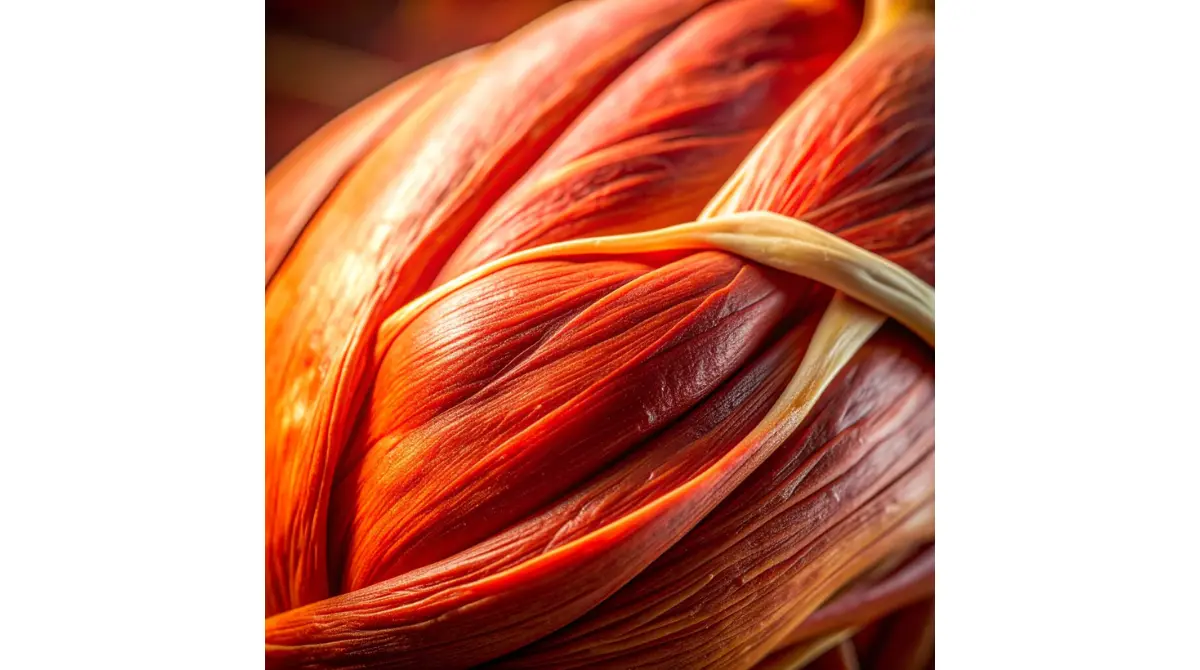
🔬 How It Works: Damaged muscle cells leak AST into the blood. ALT is mostly a liver enzyme, 5 to 10 times more abundant there than in muscle, but ALT is also present in muscle and can rise.
How often AST is high in rhabdomyolysis
📊 Clinical Data Point: In a hospital cohort study, 93.1% of rhabdomyolysis patients had an abnormal AST (above 40 U/L).
A normal AST does not rule it out. AST usually runs higher than ALT (median ratio 2.5 in a 165-patient cohort, Korean Journal of Gastroenterology, 2019). See high AST with a normal ALT.
How long AST stays high
AST fell in step with creatine kinase (CK) over six days; ALT did not.
Muscle or liver? What the other blood tests show
Clinicians compare creatine kinase (CK) with GGT, bilirubin and ALT, because the pattern separates muscle from liver.
Pattern table: muscle versus liver
| Marker | What the pattern suggests |
|---|---|
| CK | Above 5 times the upper limit of normal is the usual threshold |
| AST above ALT | Typical, but the AST/ALT ratio cannot separate it from alcohol-related liver disease |
| GGT or bilirubin | GGT is not found in muscle; either one raised alongside high enzymes suggests liver involvement |
| ALT above 800 U/L | Inconsistent with muscle injury alone; consider a liver work-up |
Sources: Merck Manual Professional (CK); Korean Journal of Gastroenterology, 2019 (AST/ALT); Lim 2020 (GGT, bilirubin, ALT).
When ALT, GGT or bilirubin point to the liver
The last two rows call for a liver work-up.
Can rhabdomyolysis damage the liver?
Usually not: AST rises from muscle, though muscle and liver problems can coexist.
✅ Patient Action: Ask your primary care physician: “Which results point to muscle, which to liver, and do I need CK and kidney tests?”
Warning signs of rhabdomyolysis after exercise or injury
Dark urine is the sign most people can check, but you can have rhabdomyolysis without it.
The classic signs, and why many people lack all three
The classic signs are muscle pain, weakness and dark, red or cola-colored urine, sometimes with less urine, according to MedlinePlus. Fewer than 10% of patients have all three (Merck Manual Professional), so waiting for all of them can cost time.
Situations that raise the risk
Risk rises after crush injury, severe exertion such as marathon running, seizures, extremes of body temperature, lengthy surgery, severe dehydration, or taking statins and certain other drugs.
When to go to the ER for muscle breakdown
Seek emergency care for dark urine, very little urine, or severe muscle pain after exertion or injury.
Symptoms that should not wait
⚠️ Clinical Warning: Prompt treatment lowers the risk of permanent kidney damage (MedlinePlus). Do not wait for blood tests: go to the nearest emergency room or call your local emergency number.
- Dark, red or cola-colored urine
- Little or no urine
- Severe muscle pain, swelling or weakness after exertion or injury
What the ER checks and how it is treated
Treatment is IV fluids, correcting potassium and calcium, and dialysis for some (MedlinePlus). IV fluids are the cornerstone, yet a systematic review found no formal guideline or randomized trial.
✅ Patient Action: Tell the emergency physician what preceded your symptoms (exertion, injury, seizure, surgery, medicine) and ask: “Do I need kidney and electrolyte tests, and IV fluids?”
How rhabdomyolysis can harm your kidneys and body chemistry
Rhabdomyolysis harms the body through what damaged muscle releases.
Kidney injury
🔬 How It Works: Damaged muscle releases myoglobin; the kidneys filter it, and its breakdown products can injure kidney cells (MedlinePlus).
Acute kidney injury is the most common systemic complication, and it is more likely with dehydration or sepsis (Merck Manual Professional).
Potassium, calcium and blood pressure problems
MedlinePlus lists harmful blood chemical imbalances and shock among the complications.
What recovery can look like
Outcome depends on kidney damage. Milder cases may return to normal activity within a few weeks to a month; some people keep fatigue and muscle pain (MedlinePlus).
✅ Patient Action: If kidney tests were abnormal, ask a nephrologist (kidney specialist): “Are my kidney tests normal again, and when can I return to hard exercise?”
What to do after a high AST result and muscle strain
Your next step depends on symptoms and the other liver markers.
If you feel fine but your AST is high
Clinicians are advised to consider rhabdomyolysis first when AST rises after suspected muscle injury (Korean Journal of Gastroenterology, 2019). A CK test helps check; see CK and ALT after muscle injury. If ALT, GGT or bilirubin are also raised, ask about a liver work-up and read about jaundice with high liver enzymes.
✅ Patient Action: Ask your primary care physician: “Should I have CK and kidney tests, and should we repeat my liver enzymes?”
Reducing your risk
MedlinePlus advises drinking plenty of fluids after strenuous exercise and avoiding medicines that may cause rhabdomyolysis. Never stop a prescribed medicine without asking your clinician.
Rhabdomyolysis and AST questions, answered
1. Can rhabdomyolysis cause high AST?
Yes. Damaged muscle releases AST, so rhabdomyolysis often raises it; in one study, 93.1% of patients had an abnormal AST.
2. Why does muscle breakdown raise AST?
AST is stored inside skeletal muscle cells, so when rhabdomyolysis damages them, the enzyme leaks into the blood.
3. Does a normal AST rule out rhabdomyolysis?
No. Most rhabdomyolysis patients in one study had abnormal AST, but not all, and CK is the key test. Ask your clinician about CK.
4. Is AST higher than ALT in rhabdomyolysis?
Usually, yes. AST typically rises higher than ALT in rhabdomyolysis; one cohort’s median AST/ALT ratio at peak AST was 2.5.
5. How can I tell if high AST is from muscle or liver?
In rhabdomyolysis, CK points to muscle, while raised GGT or bilirubin points to liver. Your clinician interprets the full pattern.
6. What are the warning signs of rhabdomyolysis?
Severe muscle pain, weakness, and dark, red or cola-colored urine, sometimes with less urine. Many patients with rhabdomyolysis lack all three.
7. When should I go to the ER for rhabdomyolysis?
Seek emergency care for dark urine, very little urine, or severe muscle pain after exertion or injury; rhabdomyolysis can harm the kidneys.
8. Can rhabdomyolysis damage the liver?
High AST in rhabdomyolysis usually reflects muscle, not liver injury, but high ALT, GGT or bilirubin can signal separate liver disease. See your clinician.
9. How long does AST stay high after rhabdomyolysis?
In one hospital study of rhabdomyolysis, AST fell alongside CK over the first six days. Your clinician will repeat blood tests.
10. How is rhabdomyolysis treated?
Rhabdomyolysis treatment usually means IV fluids and correcting potassium and calcium levels; some need dialysis. Your care team decides.
11. Can rhabdomyolysis be prevented?
Drink plenty of fluids after strenuous exercise and avoid medicines that may cause rhabdomyolysis. Never stop a prescribed medicine without asking your clinician.
Bottom line: act on symptoms, not just the AST number
If you have dark urine, very little urine, or severe muscle pain after exertion or injury, seek emergency care now. If you feel well but your AST is high, ask your primary care physician about CK and repeat tests. If ALT, GGT or bilirubin are raised too, ask about a liver work-up.
About this content
How this article was put together: researched from recognised health sources, drafted with the help of AI tools, and edited by hand, with sources linked throughout.

Sameer Patel is the founder and editor of My Medicine Advisor. He is not a doctor or medical professional — before starting this site he worked in banking,…
Medical disclaimer
The content on MyMedicineAdvisor is provided for general informational and educational purposes only and is not a substitute for professional medical advice, diagnosis, or treatment. Health information on this website should not be used to diagnose, treat, cure, or prevent any condition without guidance from a qualified healthcare professional. Always seek the advice of your doctor, physician, or another licensed healthcare provider with any questions you may have regarding a medical condition, symptoms, medications, or treatment decisions.