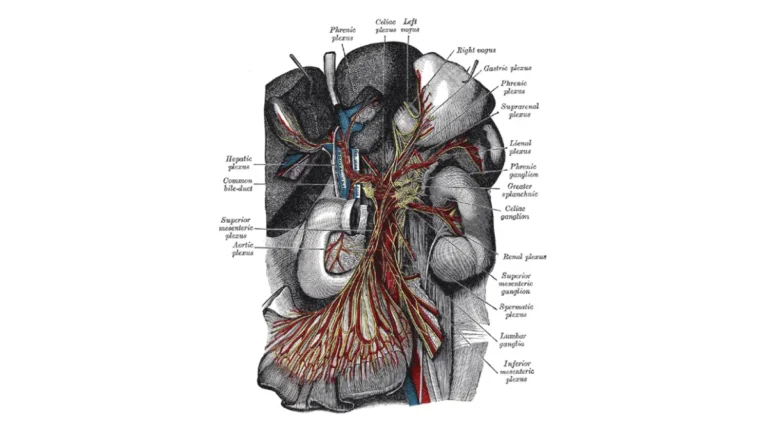
How Doctors Manage Severe Pancreatic Cancer Pain
Pancreatic cancer pain often needs more than pills. A celiac plexus block can ease it — but it won't extend survival. Here's what each option really does.

Pancreatic cancer pain often needs more than pills. A celiac plexus block can ease it — but it won't extend survival. Here's what each option really does.
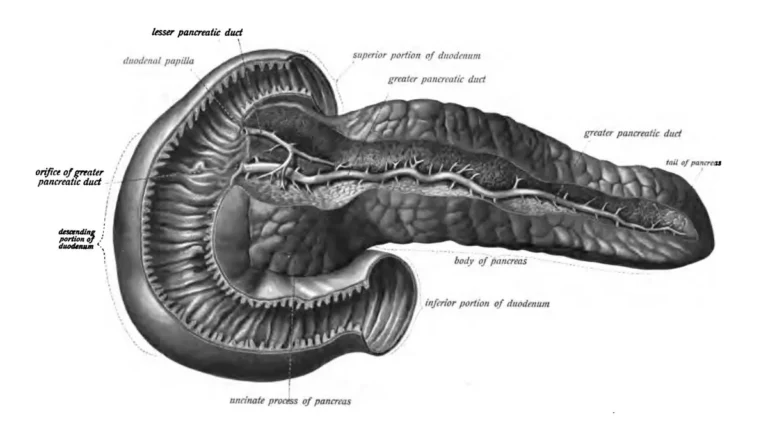
Pancreatic cancer can block the gut two ways—at the stomach's outlet or lower in the bowel. Know the signs, the red flags, and what eases it.
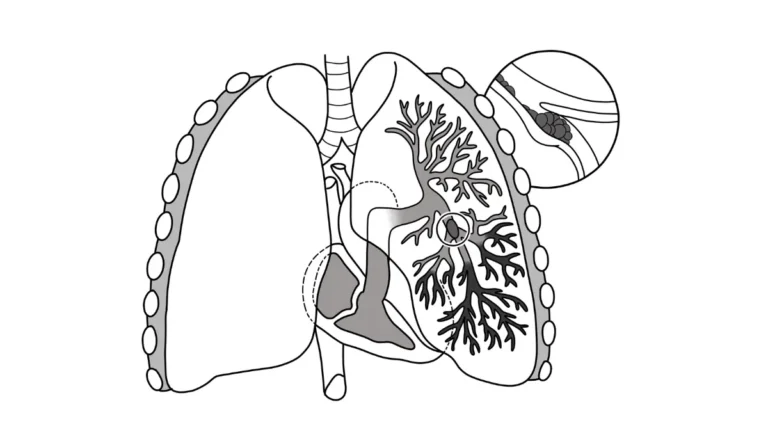
Pancreatic cancer blood clots affect about 1 in 5 patients—the highest rate of any cancer. Here's why they happen, the warning signs, and when to act.
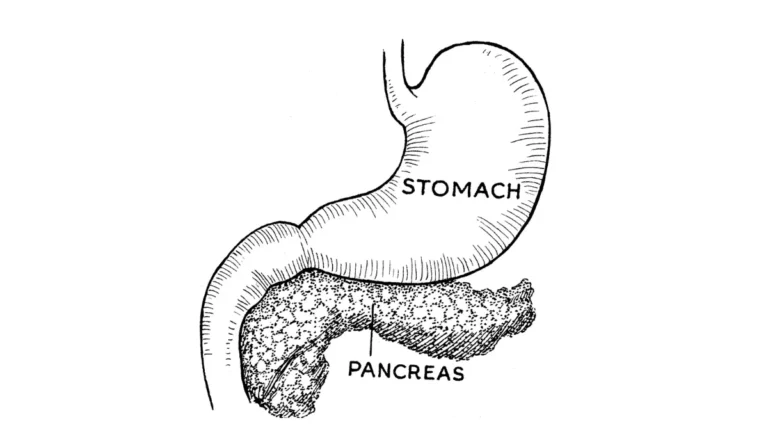
Pancreatic cancer clinical trials increasingly target KRAS — found in over 90% of tumors — so biomarker testing can open doors to new studies.
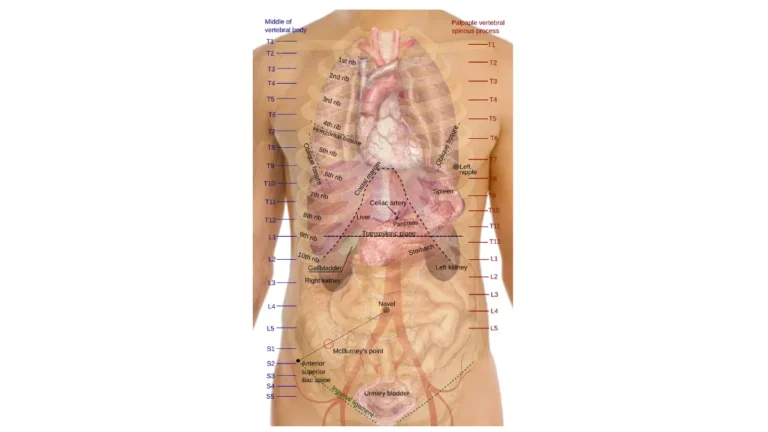
A pancreatic cancer mRNA vaccine is showing early promise in trials, but it is not yet approved. Here is what the research shows — and doesn't.
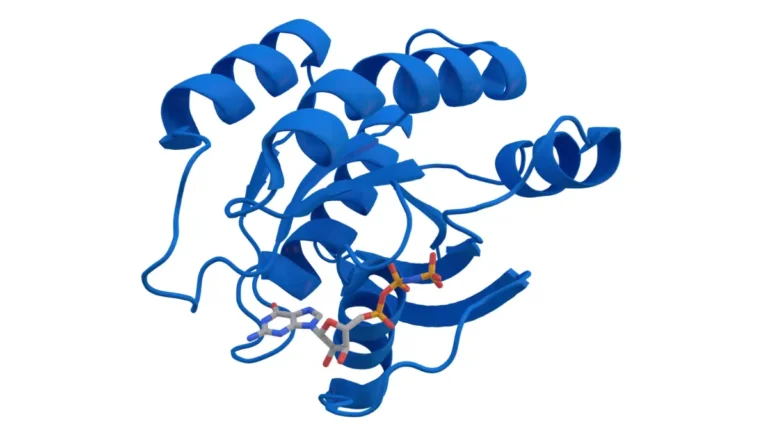
KRAS pancreatic cancer treatment just reached a turning point: drugs targeting the gene behind 90% of these tumors are now showing real benefit in trials.
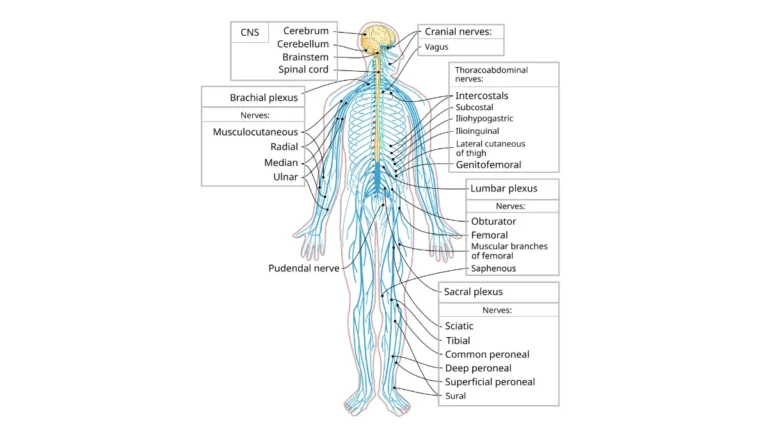
Pancreatic cancer chemo side effects vary by regimen—and fatigue affects over 80% of people on chemo. Here's what's common, what's serious, and what helps.
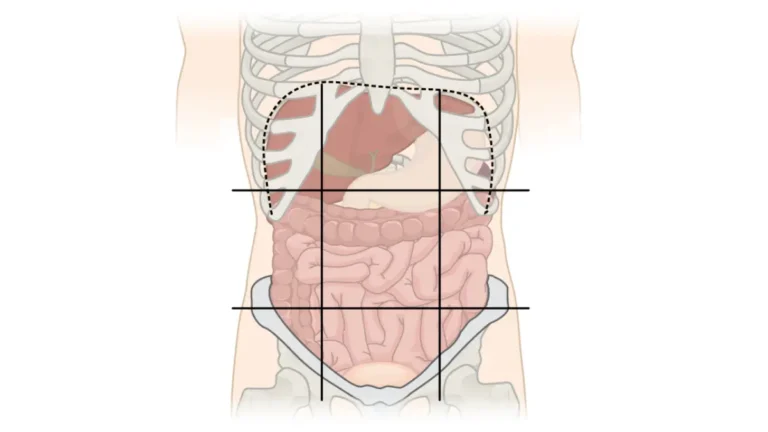
FOLFIRINOX vs. gemcitabine isn't simply 'stronger wins'—the four-drug regimen works better but hits harder, and fitness decides which your team picks.
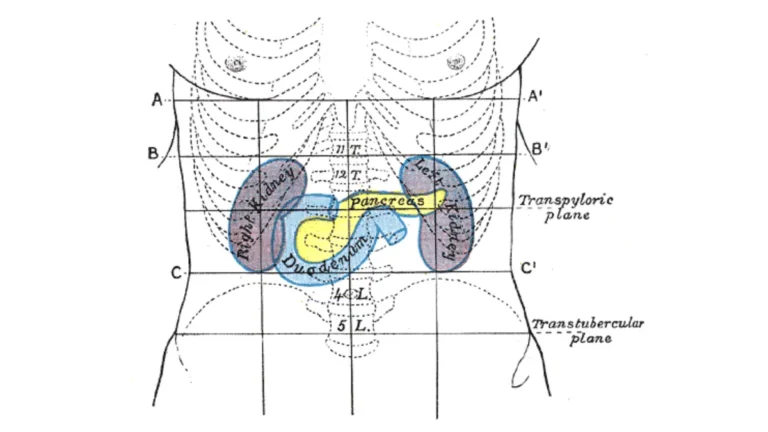
Whipple procedure recovery is demanding but well-charted — and where you have surgery matters: high-volume centers report far lower complication rates.
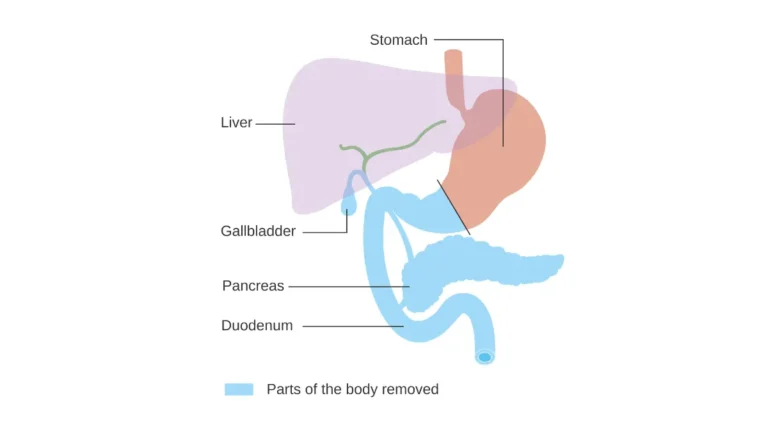
Pancreatic cancer treatment is chosen by stage and whether surgery is possible—from the Whipple procedure to chemo regimens like FOLFIRINOX and NALIRIFOX.
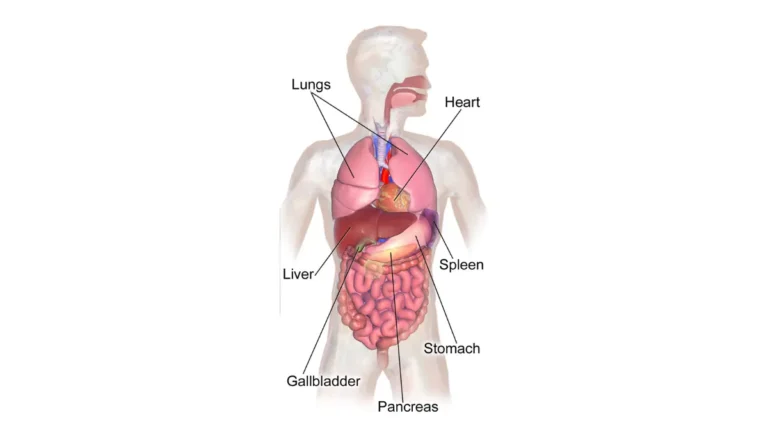
End-stage pancreatic cancer means the disease has spread beyond the pancreas. Here's what symptoms, the final days, and hospice support really look like.