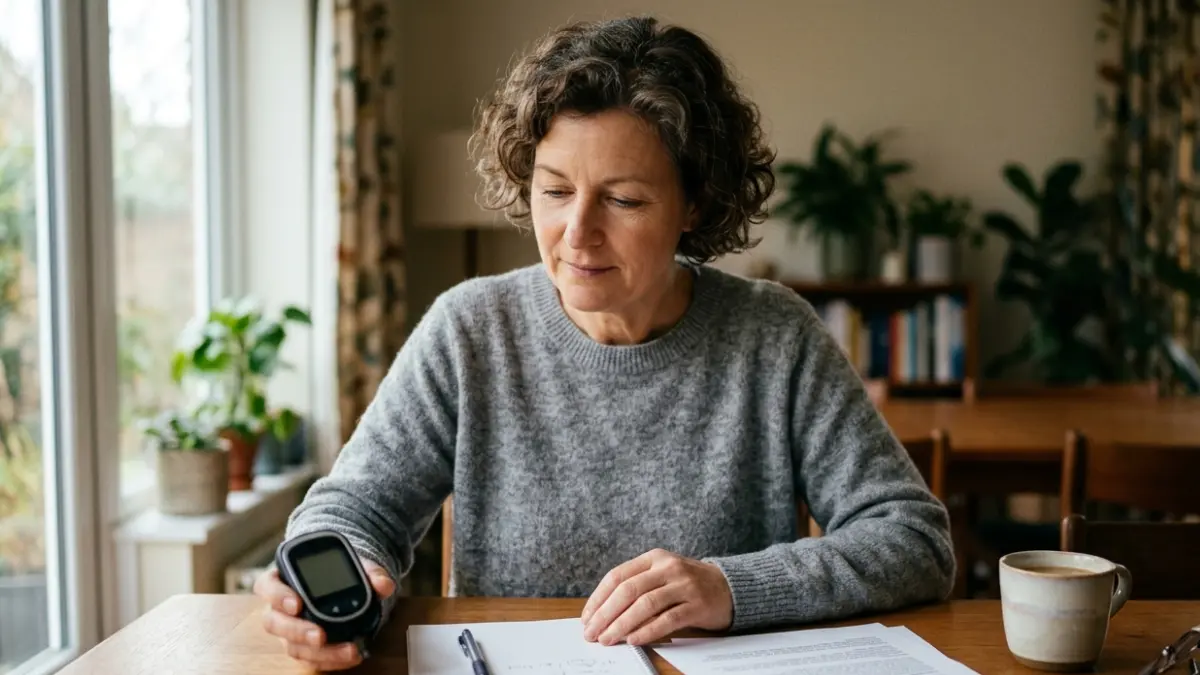
What Your A1C Looks Like as an Average Blood Sugar
A1C to average blood sugar rests on a single 2008 equation from 507 people. Strong across a group, looser for any one person — and few pages say so.

A1C to average blood sugar rests on a single 2008 equation from 507 people. Strong across a group, looser for any one person — and few pages say so.

A1C vs time in range is not a contest — the 2026 Standards set a goal for each. One shows your average; the other shows how your days actually went.

A1C vs fasting glucose can point opposite ways and both be correct. A fasting 126 mg/dL meets the diagnostic threshold on its own.
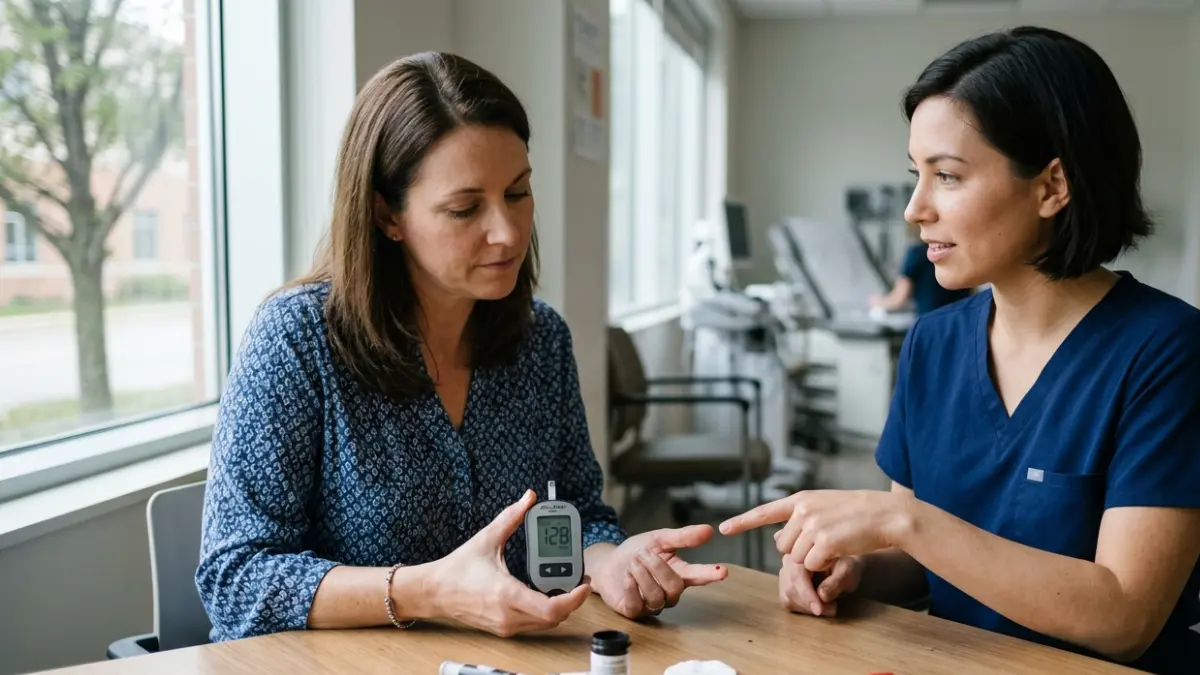
A1C doesn't match your meter? FDA requires your own device's real accuracy figures on the box you already own, and a persistent gap is worth reporting.

A1C 6.5 or higher opens a Medicare education benefit fewer than 5% of beneficiaries use in their first year. Most are never told it exists.

Do you fast for an A1C? No — and fasting you weren't asked to do can change how a glucose result drawn from the same needle gets read.
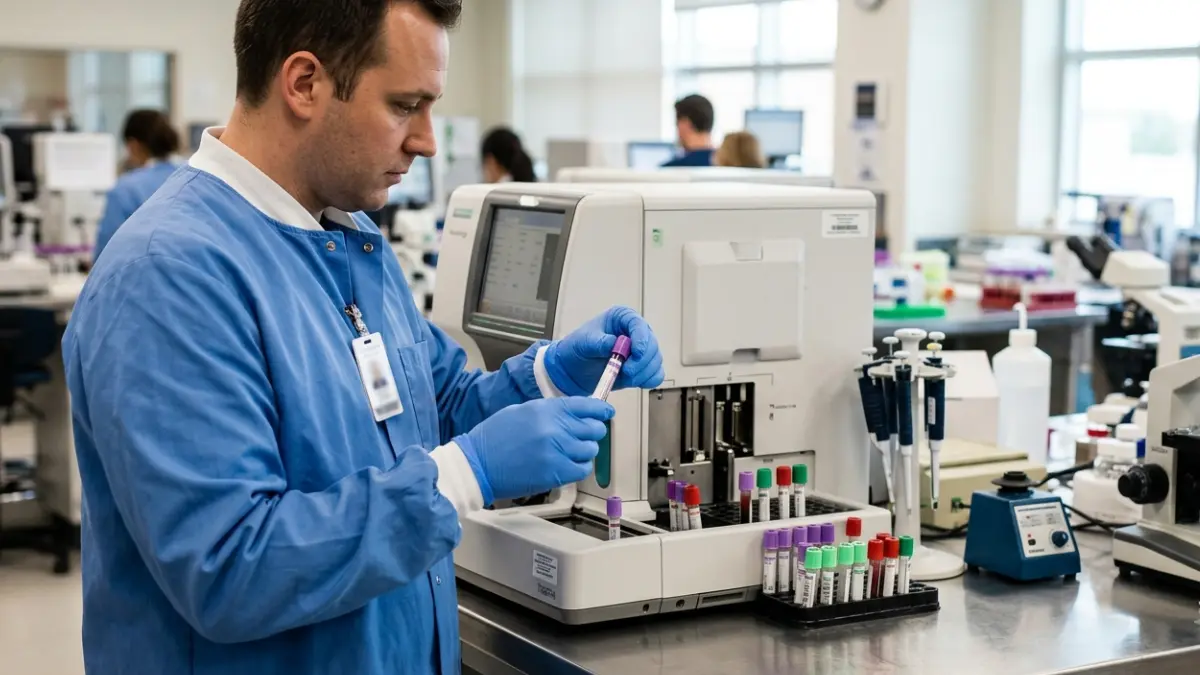
A1C test accuracy is not one number: about 7% of people worldwide carry a hemoglobin variant, and only some assay methods are affected by it.

A normal A1C level is below 5.7%. About 7% of the world carries a hemoglobin variant that can shift the number without the blood sugar moving.

A1C chart numbers do two different jobs. 5.7 and 6.5 diagnose; 7.0 is a target for someone already diagnosed. The same 6.5 sits on both lists.
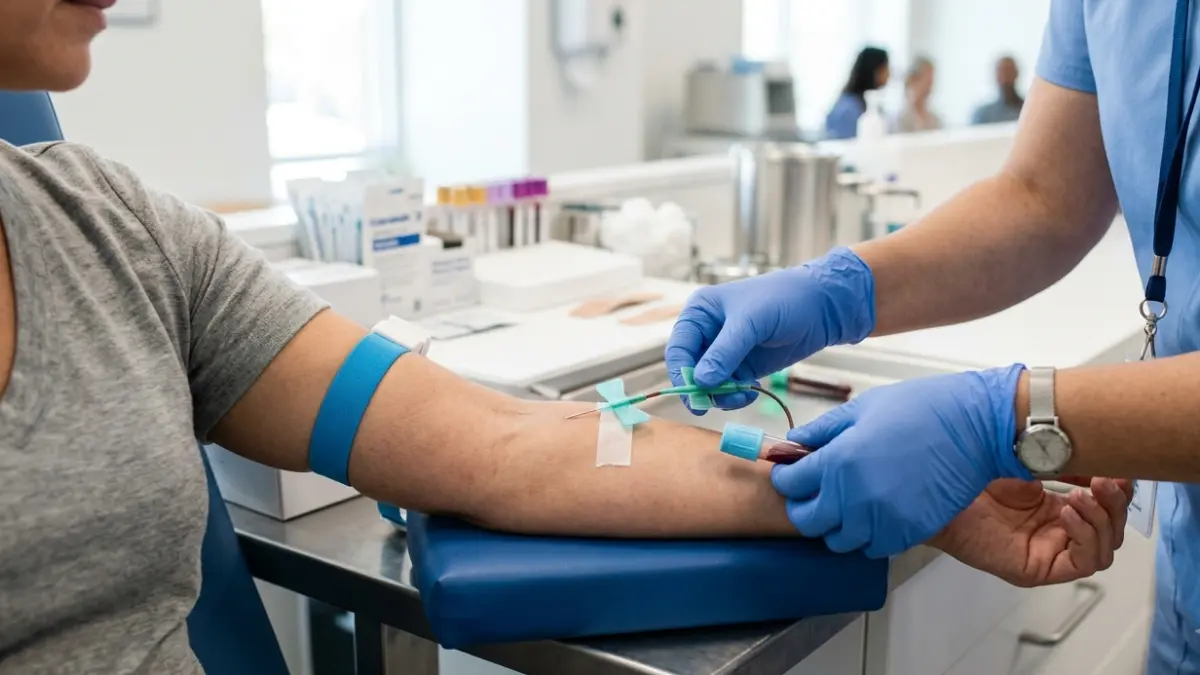
Your A1C is a measurement, and measurements carry a margin. A result reported as 6.8% can come back between 6.4% and 7.2% on the same blood sample.