
An Oral PCSK9 Inhibitor Now Exists, and Statins Still Come First
Oral PCSK9 inhibitors used to mean injections. The guideline your clinician follows was published four months before the first tablet was approved.

Oral PCSK9 inhibitors used to mean injections. The guideline your clinician follows was published four months before the first tablet was approved.
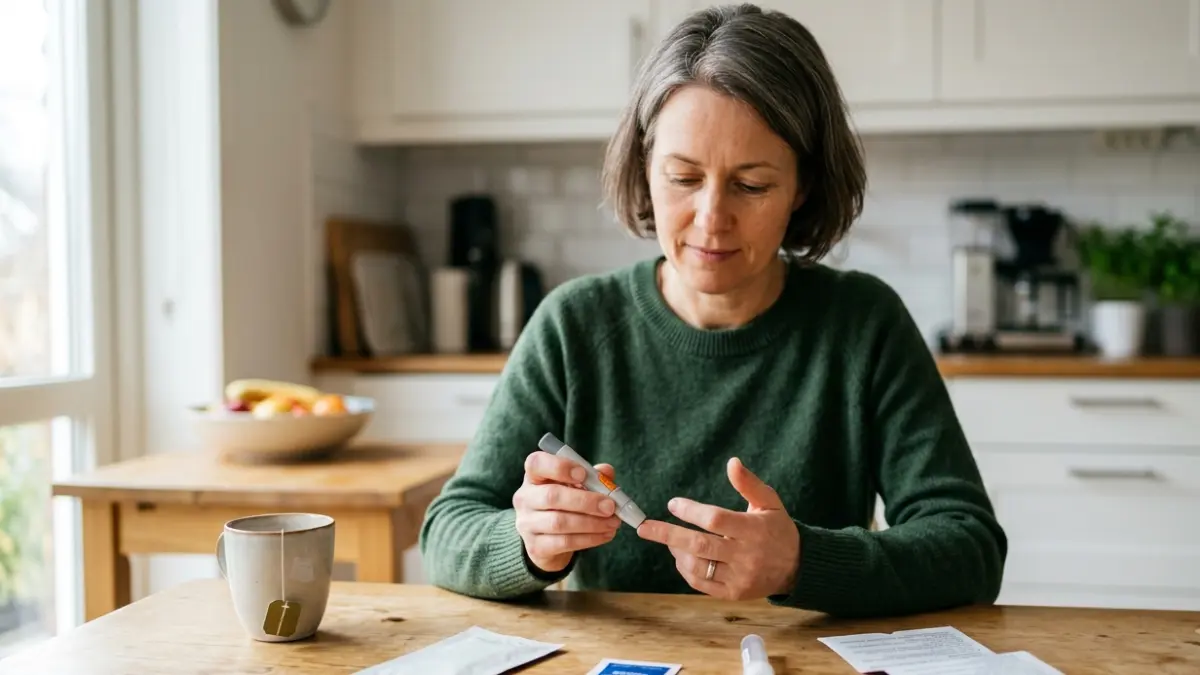
At-home cholesterol test accuracy is one question; who is accountable for your number is another. A firm that only mails your sample is not the lab.
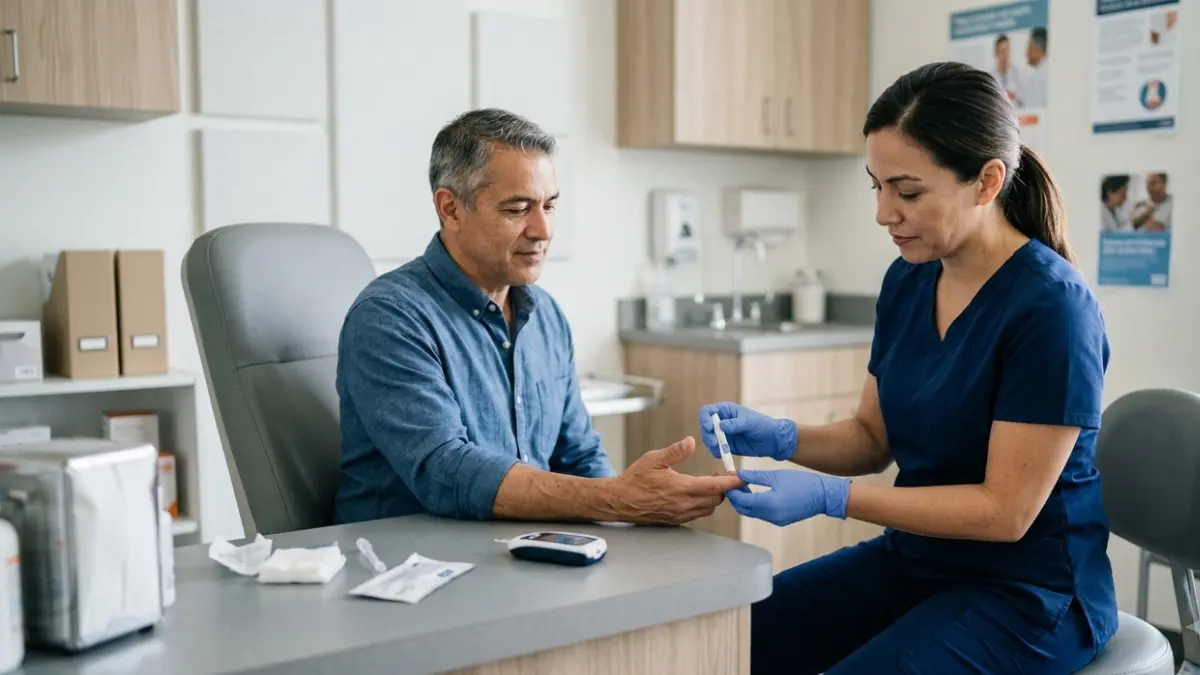
Walk-in cholesterol testing is federally categorized as waived: simple and low-risk, but as the CDC puts it, not error-proof. Here is what to ask.

Cholesterol testing in older adults measures what it always did. What changed is the risk those same numbers describe, and who reads them with you.

A cholesterol test for children is not a nutrition assessment. It looks for a condition a child is born with, in a window puberty makes necessary.

Help a parent understand cholesterol results and one fact reframes it: two labs' reports cannot be compared, and "normal" is the lab's word, not a target.

Familial hypercholesterolemia signs hinge on a calculated LDL, not a measured one - and a particle the panel skips is counted inside that number.

Cholesterol test in the emergency room? The standard screening indications are family history and risk assessment - not one is an emergency.
High cholesterol symptoms are the wrong thing to wait for. The CDC finds no warning signs at all, so here is what a body can show and what to do instead.

Triglycerides over 500 sit in the very high band, where risk rises with the level. What changes at 1,000 is what treatment is actually aiming at.