

On This Page – Quick Medical Summary
What to do first about a triglyceride result over 500
If you are unwell right now — sudden, severe pain in your upper abdomen, especially with vomiting — stop reading and get medical care today. Tell whoever sees you what your triglycerides over 500 result was.
If you feel fine, which most people with this result do, you are not in an emergency. You have a number that raises a risk, and a conversation to book.
What this page covers:
- Feel well — sections two and three, on what the number does and does not predict
- Result above 1,000 — section four, on what current guidance says changes there
- Wondering why it is so high — section five, the most useful question to bring to an appointment
- Reading someone else’s report, or had pancreatitis before — section six, plus our guide to helping a parent make sense of blood test results
- Other values flagged — our guide to what each flag on a lipid panel means
This is one of the few lipid panel numbers that changes what a clinician does in the near term rather than over years. That is why it frightens, and why the honest answer is more specific than the two you will find most easily.
ℹ️ Medical Disclaimer: This article is general health education about a laboratory result: it does not diagnose pancreatitis, does not recommend or adjust any medication, diet, or supplement, and does not replace assessment by a clinician who can see your full history. Decisions about testing, treatment, and urgency belong to a licensed clinician — a primary care physician, or a gastroenterologist or lipid specialist. If you may be acutely unwell, seek emergency care rather than reading further.
What a triglyceride reading over 500 actually means
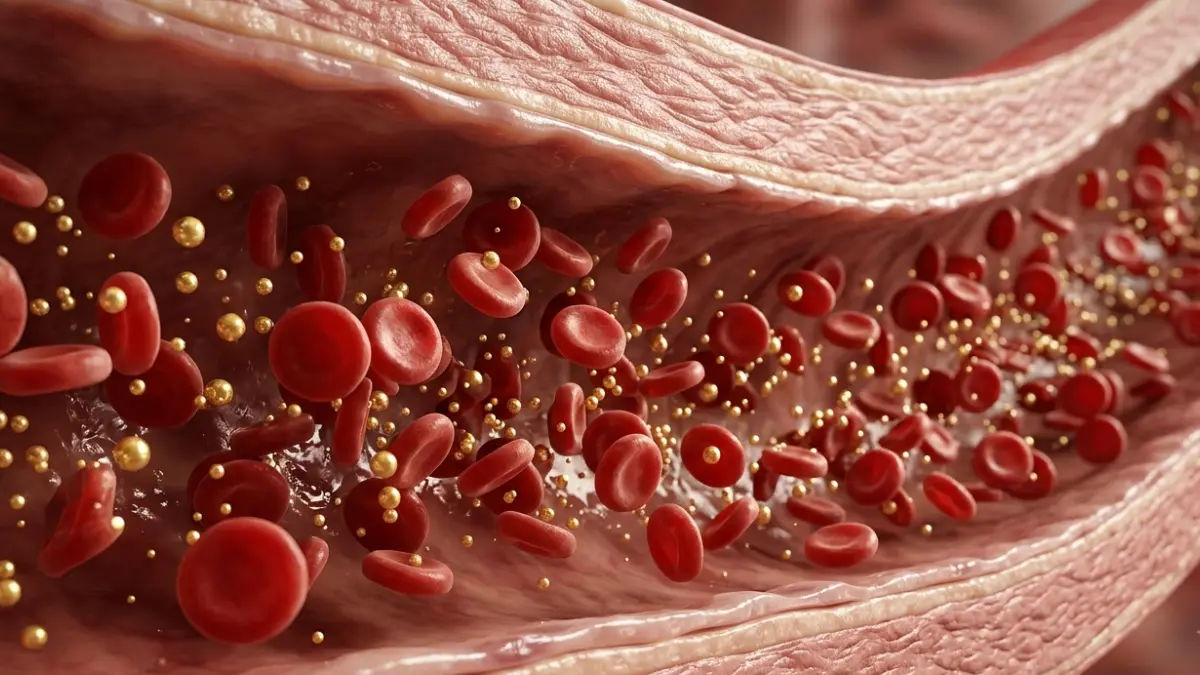
A result above 500 mg/dL falls into the band the National Heart, Lung, and Blood Institute calls very high in its guide to high blood triglycerides. Below it sit healthy (under 150 mg/dL for adults), borderline high (150 to 199 mg/dL), and high (200 to 499 mg/dL). Where your other values fall is covered in our guide to reading normal lipid panel results.
Why one reading is not a diagnosis
NHLBI describes a diagnosis of high blood triglycerides as resting on fasting triglyceride levels that are regularly 150 mg/dL or higher — not on a single result.
That cuts both ways: a very high reading is not automatically your baseline, and a lower repeat does not cancel the first one. Our guide to how often a lipid panel should be repeated covers timing, and if your report showed no LDL number, that blank has the same cause.
Why you probably feel completely normal
NHLBI states plainly that high blood triglycerides usually do not cause any symptoms. Feeling well is the norm here, not a reprieve — which is why this was found on a blood test rather than because something hurt.
How much does a number over 500 raise the risk
Risk rises as the level rises, and it does not switch on at a particular number. That is the correction that matters most, because the two most visible answers online both describe a starting line.
Where the numbers sit higher up
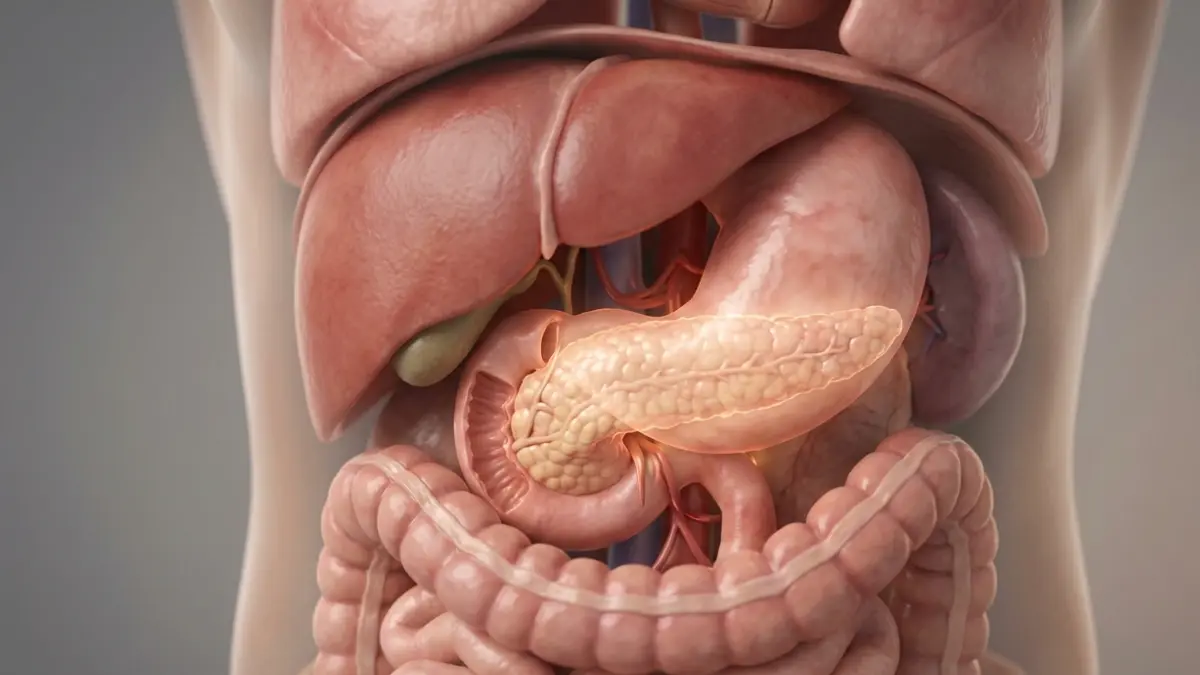
A clinical review hosted by the National Library of Medicine, on how triglycerides and pancreatitis are connected, puts the risk of acute pancreatitis as particularly elevated once levels exceed 1,000 to 2,000 mg/dL. It estimates prevalence at approximately 10% in the 1,000 to 1,999 mg/dL band and approximately 20% above 2,000 mg/dL, presenting both as estimates. Even well above your band, then, most people do not develop pancreatitis.
📊 Clinical Data Point: Hypertriglyceridemia is the third leading cause of acute pancreatitis after alcohol and gallstones, accounting for an estimated 5% to 25% of episodes — Source: Endotext, Pancreatitis Secondary to Hypertriglyceridemia, National Library of Medicine Bookshelf, updated September 2025.
Why two people with the same result differ
The same review states that susceptibility varies: some patients with levels above 10,000 mg/dL do not develop pancreatitis, while some with levels between 400 and 1,000 mg/dL do.
That sentence is why no number marks a threshold — and why a page claiming the danger begins at a specific figure is asserting something the evidence does not support, in either direction.
| Where the number sits | What the current review says about pancreatitis risk | What the number does not tell you |
|---|---|---|
| 200–499 mg/dL | cardiovascular risk is the usual concern here | — |
| Above 500 mg/dL | risk of a sudden pancreas inflammation rises | whether it will happen, or when |
| 1,000–1,999 mg/dL | particularly elevated; roughly one in ten affected | which individuals |
| Above 2,000 mg/dL | roughly one in five affected | why susceptibility varies so widely |
Source: Endotext, National Library of Medicine Bookshelf, updated September 2025. Estimates, not individual predictions. Key clinical detail: the third column is what no single result can fill.
🔬 How It Works: The mechanism is not fully understood. The leading idea is that when triglyceride-rich particles meet pancreatic lipase in the small blood vessels of the pancreas, the fats break down into free fatty acids and related compounds that can injure the tissue. High levels of chylomicrons, the largest of those particles, may also thicken blood flow through those vessels.
✅ Patient Action: Ask your primary care physician, or a lipid specialist if you are referred to one: “Given my level, is the main concern my cardiovascular risk, my pancreas, or both?”
Which values are measured and which are worked out is covered in our guide to what a lipid panel measures.
What the 2026 guideline changed about high triglycerides
The 2026 dyslipidemia guideline retired and replaced the 2018 blood cholesterol guideline, and the rename was deliberate: triglycerides are addressed directly rather than as a footnote. Our guide to what the new cholesterol guidelines changed covers the wider shift.
Its summary for clinicians states that where triglycerides are persistently elevated, statin therapy remains the foundation of drug treatment alongside lifestyle change, to reduce cardiovascular risk. It then says something separate: treatment to prevent pancreatitis may also include triglyceride-lowering therapy, especially at or above 1,000 mg/dL.
So one number is managed for two reasons, and the balance shifts as the level climbs. Which therapies apply to you is a prescribing decision — this page names no drug and no dose.
Why the number got this high, and why that matters more
The most useful question about a very high result is not how high it is, but what put it there — because that is usually the part that can change.
The tendency plus the trigger
The clinical review describes the common pattern as a background genetic tendency that on its own produces readings of 150 to 500 mg/dL, pushed higher by something stacked on top. Contributors it lists include poorly controlled diabetes, obesity, pregnancy, kidney disease, an underactive thyroid, and alcohol.
NHLBI’s list is similar, and also names medicines used to treat breast cancer, HIV, and blood pressure — with its own qualifier on the last, which it describes as not often, and usually mild. If blood sugar is part of your picture, our guide to what doctors check after an HbA1c in the 5.7 to 6.4 range is relevant.

What usually happens when the trigger is removed
Here is the part worth holding onto: the review states that when the secondary cause is successfully treated or the contributing drug is stopped, very high levels typically return to that mild-to-moderate range.
🔬 How It Works: Triglycerides fall quickly when a person stops eating — the review notes a drop of roughly half within 24 hours. A level measured during an illness can therefore understate someone’s usual baseline, which is why the timing of the draw is worth mentioning.
One thing to skip meanwhile: NHLBI states that over-the-counter omega-3 dietary supplements are not FDA-approved to treat high triglyceride levels, and the review notes omega-3 does not lower triglycerides in the rare inherited form of the condition and may raise them. Fish oil is the most heavily marketed product to anyone with this result, and we do not recommend it. Prescription forms are a different thing, decided by a prescriber.
✅ Patient Action: Ask your primary care physician: “Could any of my conditions or current medicines be pushing this up, and is any of that reversible?” Bring your full medication list, including anything over the counter.
The fuller picture of what pushes a triglyceride number up is covered separately.
What makes this urgent, and it is not the number
Urgency is decided by how you feel and by what a clinician finds — separate questions from the one your lab report answered.

Sudden, severe pain is a reason to be seen now
MedlinePlus describes the symptoms that prompt clinicians to order a lipase test, the blood test used to diagnose acute pancreatitis, as beginning with pain in the abdomen that may spread to the lower back, often with nausea and vomiting.
That is the presentation, stated once. This page deliberately gives you no checklist to score yourself against, because the risk of a checklist is that someone who does not tick enough boxes decides to wait. Sudden severe abdominal pain, with a known very high triglyceride level, is a reason to seek emergency care and say both things out loud.
⚠️ Clinical Warning: Do not use a normal enzyme result to rule this out yourself. The clinical review notes that very high triglyceride levels can interfere with the blood tests for amylase and lipase and produce inaccurately low readings, which is why a clinician should not exclude pancreatitis on a low enzyme result alone. That is a reason to be assessed properly, not to self-diagnose.
There is real reassurance alongside that: MedlinePlus describes acute pancreatitis as a sudden, short-term condition that can usually be cured with treatment.
If it has happened before, or if you are pregnant
The review notes that when the underlying high triglycerides are not addressed, repeat episodes can occur and can lead to lasting pancreatic damage. That makes the cause-finding conversation more important after an episode, not less.
If you are pregnant, say so early: the same review identifies high triglycerides as the leading cause of acute pancreatitis in pregnancy, making this a conversation for your obstetric team too. Our guide to what to do after a high lipid result covers the next month.
What this page cannot tell you about your own result
It cannot tell you whether you will develop pancreatitis, because susceptibility varies more than any single number captures. It cannot tell you what your treatment should be, or whether today’s discomfort is related — only an examination can.
Three questions worth asking
- “Is my level being treated for cardiovascular risk, pancreatitis risk, or both?”
- “What do you think pushed it this high, and can any of it be reversed?”
- “If I ever get sudden severe abdominal pain, do you want me to go straight to emergency care and tell them my triglyceride level?”
Bring your report with its date, your full medication and supplement list, and whether you had eaten or been unwell when the blood was drawn. If you are wondering how these conditions differ, our comparison of pancreatitis and pancreatic cancer sets them apart. NHLBI adds that genetic testing may be considered where there has been pancreatitis or very high triglycerides without diabetes or obesity, or a close blood relative with either — worth raising if that describes your family.
Frequently asked questions
1. Is a triglyceride level over 500 a medical emergency?
Not on its own. A result above 500 mg/dL raises the risk of acute pancreatitis, but it is a risk marker rather than an event, and most people at this level feel completely well. What makes the situation urgent is sudden severe abdominal pain, which is a reason to seek emergency care rather than wait for an appointment.
2. Do high triglycerides cause symptoms?
Usually not. NHLBI states that high blood triglycerides typically cause no symptoms at all, which is why this result is almost always found on a blood test rather than because something felt wrong. Feeling fine is the normal experience at this level and does not mean the number can be left alone, so keep the appointment you booked.
What the number is really telling you
A result above 500 mg/dL tells a clinician how much room there is to work with, and how quickly they want to look at the causes. It does not tell either of you what today holds.
That distinction is the whole of it. The number belongs to a conversation about why it rose and what can be undone; how you feel belongs to a faster process. Treating them as one question is the mistake the most visible pages here make.
For the rest of the report the number arrived on, our pillar guide covers which lipid panel values are measured and which are worked out.
About this content
How this article was put together: researched from recognised health sources, drafted with the help of AI tools, and edited by hand, with sources linked throughout.

Sameer Patel is the founder and editor of My Medicine Advisor. He is not a doctor or medical professional — before starting this site he worked in banking,…
Medical disclaimer
The content on MyMedicineAdvisor is provided for general informational and educational purposes only and is not a substitute for professional medical advice, diagnosis, or treatment. Health information on this website should not be used to diagnose, treat, cure, or prevent any condition without guidance from a qualified healthcare professional. Always seek the advice of your doctor, physician, or another licensed healthcare provider with any questions you may have regarding a medical condition, symptoms, medications, or treatment decisions.