
On This Page – Quick Medical Summary
Your parent’s blood work came back flagged — start here
Your parent hands you a lab printout — or you ask to see it — and there it is: a tidy column of numbers, a few marked with a small H or L. The first feeling is usually worry, and the first job is working out what any of it means.
Where you go next depends on your situation:
- Just want to read the report? Start with what a CMP measures, below.
- One number is flagged and you’re anxious? Jump to why older adults get flagged and which results need follow-up.
- Your parent has troubling symptoms right now? Go straight to when a result needs prompt care.
A comprehensive metabolic panel (CMP) is a routine blood test that measures 14 substances reflecting blood sugar, kidney and liver function, protein, and electrolytes. A single flagged value is usually a reason to ask good questions, not to panic. This guide walks through how to help a parent understand blood tests one calm step at a time, and pairs with our understanding a comprehensive metabolic panel overview for the full picture.
ℹ️ Medical Disclaimer: This article is general health education — not a diagnosis, treatment plan, or substitute for professional care. It does not interpret your parent’s specific results, recommend or adjust any medication, or replace guidance about testing, procedures, or insurance. Your parent’s results must be interpreted by their own physician in the context of their history, symptoms, and medications; consult their primary care provider or the relevant specialist before acting on anything here.
What a CMP measures and how to read the report together
A CMP looks like a wall of abbreviations, but every line follows the same structure.
The five things on every result line
Each row of a CMP report shows five things: the test name (like BUN, ALT, or glucose); your parent’s measured result; the unit (for example, mg/dL); the lab’s reference range; and a flag — usually H or L — when the value falls outside that range.
Once you can see those five columns, the page becomes readable. Our guide to reading a CMP report line by line walks through a full sample.
The 14 substances, grouped
The panel measures 14 substances in a few families: blood glucose; kidney markers (BUN, creatinine, and calculated eGFR); liver markers (ALT, AST, ALP, bilirubin); proteins (albumin and total protein); calcium; and the electrolytes sodium, potassium, chloride, and bicarbonate. Together they give a broad read on metabolism, kidney and liver function, and fluid balance, per the NIH’s overview of the comprehensive metabolic panel. For the target numbers each value should fall within, see our full CMP normal-range chart.
Why the normal range differs between labs
Here’s the point that prevents a lot of needless worry: reference ranges are set by each lab and can vary by the method and population used. The range printed on your parent’s own report — not a number from a website — is the one that applies to their result.
Why older adults get flagged when nothing may be wrong
This is where a lot of caregiver panic starts — and where a little physiology helps.
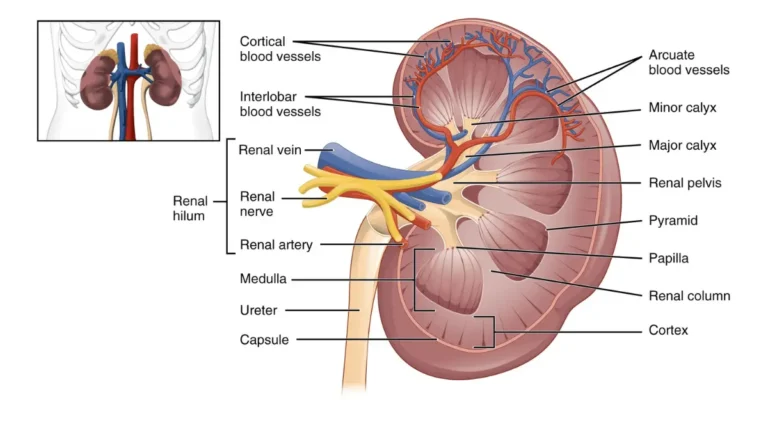
Kidney numbers: muscle mass, creatinine, and eGFR
🔬 How It Works: Creatinine is a waste product muscles make as they break down, and healthy kidneys filter it out. Because it comes from muscle, someone with less muscle — common with age — produces less creatinine, which can make kidney filtering look better on paper than it truly is.
The NIH’s creatinine test page notes that a loss of muscle from age or illness changes how the result should be read. Separately, eGFR — the calculated filtering estimate — also tends to decline gradually with normal aging.
Why a normal creatinine isn’t automatically reassuring
⚠️ Clinical Warning: In an older parent with reduced muscle mass, a creatinine value inside the “normal” range can still accompany meaningfully reduced kidney function. A normal-looking kidney number isn’t an all-clear on its own.
🩺 Physician Note: Kidney-function guidance highlights that creatinine-based eGFR can overestimate true function in older adults with low muscle mass — one reason clinicians may add a cystatin C test to clarify borderline results.
Trends matter more than any single value
A stable number across years reads very differently from a steady downward drift. Our explainer on what BUN, creatinine, and eGFR measure and our guide to how CMP ranges shift with age both dig into this.
✅ Patient Action: Ask the provider: “Given my parent’s age and muscle mass, does this eGFR reflect their real kidney function, or would a cystatin C test give a clearer picture?”
Which flagged results usually need follow-up soon
A single mildly abnormal value is rarely an emergency, but every flag deserves a review with the provider — the question is how urgently.
One flag versus a pattern
Context changes everything: whether it’s one value or several, mildly or markedly out of range, new or long-standing. A lone borderline result often just gets re-checked; a cluster pointing the same direction gets more attention. Our overview of what abnormal CMP results can mean breaks this down.
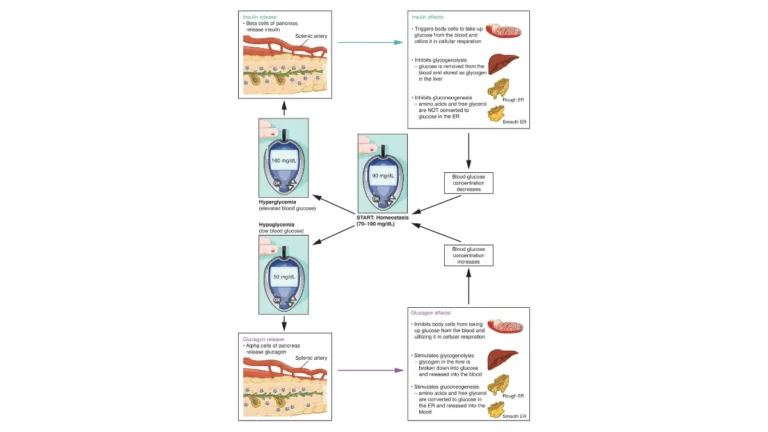
A high glucose flag: what it can and can’t tell you
A high glucose reading can flag blood sugar worth investigating, but a CMP can’t diagnose diabetes on its own and contains no A1c.
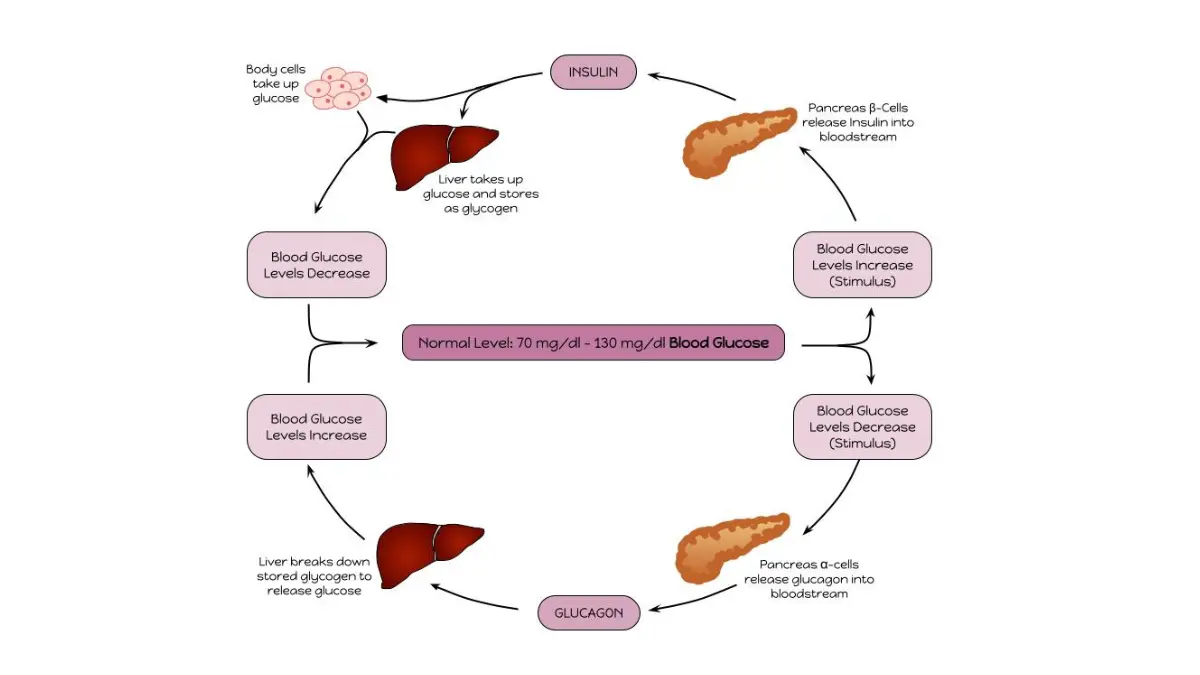
📊 Clinical Data Point: A fasting glucose of 70–99 mg/dL is the typical normal range; 100–125 mg/dL falls in the prediabetes range; and 126 mg/dL or higher, confirmed on a repeat test, meets the threshold for diabetes. — Source: CDC and the American Diabetes Association, 2026.
Confirming a diagnosis needs repeat or additional testing, as the CDC’s guidance on blood sugar testing explains and our article on whether a CMP can flag diabetes covers.
Small single-value flags that are often minor
Slightly high liver enzymes or a marginally off electrolyte are common and frequently reflect medications, hydration, or a recent illness. They still belong on the list of things to raise.

✅ Patient Action: Ask which flagged values the provider wants to re-test and by when, and whether any of your parent’s medications could be affecting the numbers.
How to help your parent prepare for the follow-up visit
Worry turns into progress once there’s a plan for the appointment.
What to bring
Bring three things: the printed results, a current list of your parent’s medications and supplements, and a short note of any new symptoms with rough dates. That trio answers most of what a provider will ask.
Questions worth asking the provider
- Which flagged values do you want to re-test, and by when?
- Could any of my parent’s medications explain these numbers?
- Does my parent’s age change how you read the kidney or other results?
- What’s the plan if a value stays abnormal?
Getting permission to be involved
Your parent generally needs to authorize the practice to share information with you — often through a signed release or patient-portal proxy access. Ask the clinic what form they use. Attending the visit together, with your parent’s consent, is usually the simplest route. For a related caregiver walkthrough, see our guide to helping a parent prepare for a colonoscopy.
✅ Patient Action: Write your questions down before the visit and hand a copy to your parent, so nothing gets lost in the moment.
When your parent is anxious, dismissive, or won’t let you help
The hardest part often isn’t the numbers — it’s the relationship around them.
If your parent is frightened
Meet the fear before the facts. Acknowledge that it’s unsettling, then focus on one worry at a time rather than the whole page. “Let’s just ask about the kidney number” is easier to hear than a full audit.
If your parent insists everything’s fine
You can’t force engagement, and pushing often backfires. Offering to come along “just to take notes” sidesteps a standoff while keeping you in the room. Sometimes the provider is the neutral voice your parent will actually hear.
If your parent won’t share the results
Respect that it’s their choice. Stay available, offer to help write down questions, and don’t insist on the numbers. Letting the clinician be the messenger, rather than you, often lowers the pressure and opens the door later.
When a result or your parent’s symptoms need prompt care
Most flags can wait for a scheduled visit — a few can’t, and you don’t have to catch those alone.
How labs handle dangerous values
🔬 How It Works: Under U.S. rules dating to the Clinical Laboratory Improvement Amendments of 1988, laboratories must keep written procedures to flag critical, life-threatening results and notify the ordering provider directly — so the most dangerous values rarely wait for an appointment.
Our reference on which CMP values are considered critical lists the kinds of results that trigger that call.
Symptoms that mean call now
⚠️ Clinical Warning: Regardless of the numbers, certain symptoms need urgent attention on their own — new confusion, severe weakness or fainting, chest pain, trouble breathing, or the shakiness, sweating, and disorientation of very low blood sugar. If your parent has these, call their provider’s urgent line or 911 rather than waiting to interpret the report.
If you’re unsure whether a symptom warrants a call, our symptom checker can help you think it through — it’s a guide, not a diagnosis.
✅ Patient Action: Keep the clinic’s after-hours number and the nearest urgent care or ER address somewhere easy to find.
Common questions about helping a parent with blood test results
1. What does it mean when a blood test result is flagged high or low?
A flag — usually H or L — means the value sits outside your lab’s reference range for that test. It’s a prompt to look closer, not a diagnosis. A single mildly flagged CMP result often just gets re-checked or monitored.
2. Does one abnormal CMP result mean my parent has a disease?
Not usually. One abnormal CMP value can reflect hydration, timing, medications, or lab variation as easily as illness, and often needs a repeat test before it means anything. Review which flags matter with your parent’s primary care provider first.
3. Why is my elderly parent’s eGFR or creatinine flagged?
Creatinine comes from muscle, so age-related muscle loss lowers it — sometimes making eGFR look better than kidney function truly is, while eGFR also declines with age. A flagged kidney value needs a clinician’s read, sometimes with a cystatin C test to clarify it.
4. Are blood test reference ranges the same at every lab?
No. Reference ranges are set by each laboratory and differ by method and population, so the range printed on your parent’s own report is the one that applies. Comparing their number to a range from another lab or a website can mislead.
5. Can a CMP tell if my parent has diabetes?
A CMP measures glucose, which can flag high blood sugar, but it can’t diagnose diabetes on its own and has no A1c. Diagnosis needs confirmatory testing — a repeat fasting glucose, an A1c, or a tolerance test. Ask your parent’s provider which follow-up they recommend.
6. What blood test results are considered a medical emergency?
Labs must flag critically abnormal, life-threatening values and notify the ordering provider directly, so the most dangerous results rarely wait. Regardless of numbers, symptoms like confusion, chest pain, or trouble breathing warrant urgent care — when unsure, call your parent’s provider’s urgent line.
7. What questions should I ask my parent’s doctor about their blood work?
To help a parent understand blood tests, ask which flagged values need re-testing and by when, whether medications affect them, whether age changes how the kidney numbers are read, and the plan if a value stays abnormal. Bring the report and a medication list.
8. How do I get permission to talk to my parent’s doctor?
Your parent generally needs to authorize the practice to share information with you, often via a signed release or patient-portal proxy access. Ask the clinic what form they use. Attending the visit together, with their consent, is usually the simplest route.
9. My parent won’t let me see their results — what can I do?
Respect that it’s their decision. Offer to attend the appointment, help write questions, or simply be available — without insisting on the numbers. Letting the provider be the messenger, rather than you, sometimes lowers the pressure and opens the door.
10. Should I be worried about a slightly high liver enzyme on my parent’s test?
A mildly high ALT or AST is common and often reflects medications, alcohol, fatty liver, or a recent illness rather than serious disease — but a pattern or large rise matters more than one small flag. Ask the provider whether it needs rechecking.
11. How often should an older adult get a CMP?
There’s no single schedule — frequency depends on your parent’s conditions, medications, and their provider’s judgment, from yearly at a checkup to more often when monitoring a condition or drug. Their primary care provider sets the interval.
Helping without having to be a doctor
You don’t have to decode every number on your parent’s report — you have to help them get it read by the right person, and show up for the parts that matter. That means understanding the layout, knowing which flags tend to need follow-up, preparing good questions, and recognizing when a symptom means calling now.
The interpretation belongs to your parent’s provider, who reads each value against their history, medications, and prior results. Your job is quieter and just as valuable: helping a worried parent feel less alone with a page of numbers. For the full marker-by-marker picture, our comprehensive metabolic panel overview is a good next read.
About this content
How this article was put together: researched from recognised health sources, drafted with the help of AI tools, and edited by hand, with sources linked throughout.

Sameer Patel is the founder and editor of My Medicine Advisor. He is not a doctor or medical professional — before starting this site he worked in banking,…
Medical disclaimer
The content on MyMedicineAdvisor is provided for general informational and educational purposes only and is not a substitute for professional medical advice, diagnosis, or treatment. Health information on this website should not be used to diagnose, treat, cure, or prevent any condition without guidance from a qualified healthcare professional. Always seek the advice of your doctor, physician, or another licensed healthcare provider with any questions you may have regarding a medical condition, symptoms, medications, or treatment decisions.