
On This Page – Quick Medical Summary
You booked a free annual physical, gave a few tubes of blood, and weeks later an unexpected bill landed in your inbox. You did nothing wrong — and in most cases, neither did the billing office. The confusion comes from a gap almost no one explains: your “free” checkup covers a specific visit, not automatically every test run that day. This guide untangles all three reasons your bloodwork can turn into a charge — and exactly what to do about it.
Where you land here depends on your situation. If you were healthy and billed anyway, sections two and three explain why a routine panel was never guaranteed free. If you live with a known condition like diabetes or high blood pressure, section four shows how that re-codes your labs. If you already hold a bill, sections five and seven cover the network trap and how to push back. If you just want to prevent this next time, section six is your script.
ℹ️ Medical Disclaimer: This article is general educational information about health insurance, medical billing, and preventive screening — not medical, legal, tax, or financial advice. Coverage rules and billing outcomes depend on your specific health plan, your provider, and how a service is coded, and they change over time. Before acting on a bill or a coverage question, confirm the details with your insurer and your provider’s billing office, and discuss any question about whether a test is medically appropriate with your own physician.
What “free preventive care” actually covers
Federal law requires most health plans to cover a specific set of preventive services with no copay, coinsurance, or deductible — but that protection attaches to a defined list, not to everything done at a checkout. That single distinction is why a front desk can hand you an invoice after a visit you were told was free.
The list your plan must cover for free
Under Section 2713 of the Affordable Care Act, non-grandfathered plans must fully cover services graded “A” or “B” by the U.S. Preventive Services Task Force, vaccines recommended by the CDC’s immunization committee, and added preventive services for women and children. There are roughly 50 such graded recommendations. HealthCare.gov publishes the full no-cost list for adults, and its own fine print is the key: coverage applies when care comes from an in-network provider, and a $0 price isn’t guaranteed in every case.
Why the visit can be free but a test isn’t
Your wellness visit and your blood work are separate billable events. If the office visit and a preventive service are billed separately, your plan can’t charge you for the covered service — but it can still apply cost-sharing to the visit itself, or to any test that falls outside the protected list.
Why a comprehensive metabolic panel often isn’t “preventive”
Here is the piece almost no competitor connects: a comprehensive metabolic panel is not a recommended screening test, so it was never federally guaranteed to be free.
The CMP isn’t on the screening list
The 14-marker panel checks kidney function, liver enzymes, electrolytes, and blood sugar. But it isn’t a graded USPSTF screen, and the evidence for routine screening panels in healthy, symptom-free adults is thin.
🩺 Physician Note: For symptom-free adults, major clinical references find no evidence base for ordering a routine CMP as a general screen. That doesn’t mean the test is useless — it means “free preventive care” rules don’t automatically cover it, and whether your plan does is a plan-by-plan question about CMP coverage.
The one exception: glucose and diabetes
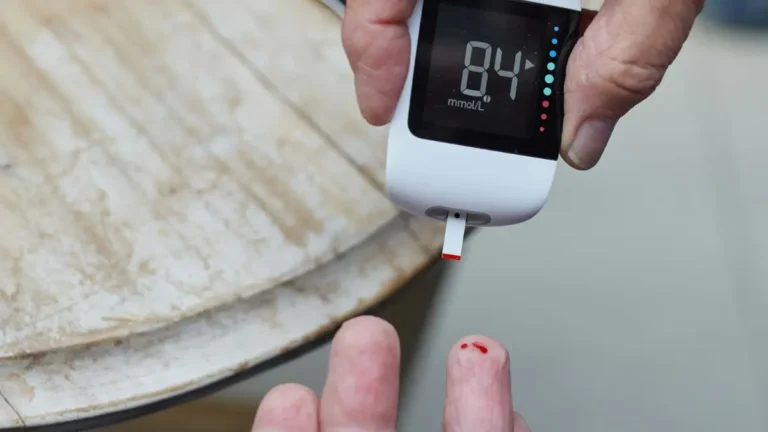
One CMP marker can qualify as preventive. The Task Force recommends screening for prediabetes and type 2 diabetes in adults aged 35 to 70 who are overweight or have obesity — a “B” recommendation repeated about every three years, per the CDC’s diabetes screening guidance. Meet that profile and your glucose result may be covered as a screen; if you don’t, it may not.
✅ Patient Action: Before your next visit, check whether you fit the diabetes-screening profile. Use the BMI calculator to see if your BMI is 25 or higher — combined with an age of 35 to 70, that’s the profile under which a glucose screen is usually covered at no cost.
📊 Clinical Data Point: In 2018, U.S. patients with employer coverage were billed an estimated $75.6 million to $219 million for preventive services that should have been free, and roughly 1 in 4 people received an unexpected charge — Source: Boston University School of Public Health, published in Preventive Medicine (2021). Annual wellness visits drove more than a third of those costs.
How a checkup “flips” from preventive to diagnostic
The exam can look identical in the room, yet the billing code decides who pays.
Preventive vs diagnostic: it’s the code
Preventive care screens someone with no symptoms and no known problem. Diagnostic care investigates a symptom or monitors an existing condition — and diagnostic services are subject to your normal copay, coinsurance, and deductible.
🔬 How It Works: Every service leaves your visit as a code. A screening code means “no known problem” and triggers no-cost coverage; a diagnostic code means “investigating something” and routes the charge through your cost-sharing. Same blood draw, different code, different bill — see how medical billing codes work for the mechanics.
A known condition can re-code your labs
If your chart shows diabetes, thyroid disease, or kidney problems, labs tied to those conditions are usually diagnostic, not preventive. In one widely reported case, a routine-looking physical produced a lab bill of about $1,430 after the insurer sided with the provider that the tests counted as diagnostic — because they monitored an existing prescription, which the provider said isn’t a wellness benefit under the health law.
Even a symptom you mention can add a charge
Raising a new concern mid-visit can trigger a separate, billable office visit. In another reported case, a patient owed roughly $67 after a brief discussion prompted by a depression-screening questionnaire.
⚠️ Clinical Warning: Don’t stay silent about real symptoms to avoid a charge. A missed diagnosis costs far more than a copay; raise concerns honestly, and ask whether they can be billed as a separate visit.
Where your blood was sent — and the No Surprises Act myth
A second, hidden cause has nothing to do with coding: where your blood physically went.
Your sample may go to an outside lab
Many offices ship blood to a reference lab like Quest or Labcorp, or to a hospital lab, each billing under its own tax ID. That lab can be out-of-network even when your doctor is in-network — and hospital labs typically charge far more than independent labs for the identical test. Comparing hospital versus independent lab pricing can reveal large gaps for the same panel.

What the No Surprises Act does and doesn’t cover
Many people assume a federal law erases these bills. It helps less than you’d hope.
The No Surprises Act, effective January 2022, bans surprise balance bills for most out-of-network emergency care, for out-of-network clinicians at in-network facilities (including lab and radiology services), and for out-of-network air ambulances, according to CMS. It does not apply to a test that was correctly coded diagnostic, to normal deductible charges, or to many non-hospital settings. For example, a diagnostic panel run by an in-network lab and applied to your deductible is standard cost-sharing, not a banned surprise bill. You can review your rights under the No Surprises Act directly — in short, it targets network surprises, not the preventive-versus-diagnostic gap behind most of these lab bills.
How to keep your next physical from generating a bill
You can lower the odds of a surprise with a few sentences, before and during the appointment. The goal is to keep the wellness visit and any problem-focused care cleanly separated on the bill.
Before the visit: set expectations
- Tell the scheduler and front desk the visit is for preventive wellness only.
- Ask which screenings are covered at no cost for your age and plan.
During the visit: ask the one question
- To raise a health concern, ask directly: “Does discussing this today change my visit from preventive to diagnostic?” If yes, ask whether it can be a separate appointment.
For the labs: confirm coding and network
- Ask how each test will be coded — screening or diagnostic.
- Ask where your blood is sent, and confirm that lab is in your network.
✅ Patient Action: Before you leave the lab, get the name of the facility processing your blood and confirm it’s in-network. A one-minute question at the desk prevents the out-of-network lab charge that surprises people weeks later.
For a planned panel with no covered screening indication, paying a known cash price can sometimes beat an unpredictable diagnostic bill; compare the self-pay cost of a CMP first. Direct-to-consumer lab services are one option here.
Already got the bill? Your options for appealing
A bill in hand is not the last word — start methodically, not anxiously.
Get the itemized bill and check the codes
Request an itemized bill and your Explanation of Benefits, then compare the codes. If a service was coded diagnostic that you believe should have been preventive, that’s your opening.
Call, then appeal in writing
Call the billing office and your insurer to ask why a preventive code wasn’t used. If you disagree with the answer, file your plan’s internal appeal. Appeals sometimes succeed and sometimes don’t — but an unreviewed bill you simply pay is one you can’t recover.
If you’re self-pay: the good-faith estimate
If you’re uninsured or paying cash, you’re entitled to a good-faith estimate before care, and you can dispute a final bill that runs at least $400 above it, per CMS.
✅ Patient Action: If the dispute turns on whether a test was medically necessary as a screen, ask the ordering clinician — your primary care physician — one question: “Can you document whether this was ordered as screening or to investigate a condition?”
Frequently asked questions about preventive blood work bills
1. Why did I get a bill for a “free” annual physical?
Your free annual physical covers a specific preventive visit, not automatically every test performed. A surprise bill for preventive blood work usually appears because a lab fell outside the protected no-cost list, was coded diagnostic, or was processed by an out-of-network lab. Confirm the details with your insurer and billing office.
2. Is a comprehensive metabolic panel covered as preventive care?
A comprehensive metabolic panel isn’t a graded USPSTF screening test, so it isn’t federally guaranteed to be free — some plans cover routine panels as a benefit, others don’t. Whether a surprise bill for preventive blood work applies depends on your specific plan and how the test is coded. Check with your insurer to confirm.
3. What’s the difference between preventive and diagnostic blood work?
Preventive blood work screens a person with no symptoms and no known condition, and is typically covered at no cost. Diagnostic blood work investigates a symptom or monitors a known condition, and is subject to your copay, coinsurance, and deductible. The same draw can be either, depending on the code.
4. Does having diabetes or high blood pressure make my labs diagnostic?
Often, yes. If your chart shows a condition like diabetes, thyroid disease, or kidney problems, labs tied to monitoring it are usually billed diagnostic rather than preventive — which is why a surprise bill for preventive blood work is common for people managing chronic conditions. Ask your clinician and billing office how each test is coded.
5. Does the No Surprises Act cover my surprise lab bill?
Usually not. The No Surprises Act bans out-of-network surprise balance bills for emergencies, out-of-network providers at in-network facilities, and air ambulances — not a correctly coded diagnostic test or normal deductible charges, which is the gap behind most preventive blood work bills. Review your rights through CMS for your situation.
6. Why was my blood sent to a different lab and billed separately?
Many clinics send samples to a reference lab such as Quest or Labcorp, or to a hospital lab, each billing under its own tax ID. That lab may be out-of-network even if your doctor isn’t, producing a separate charge. Ask where your blood goes and confirm the lab is in-network.
7. How do I keep my next physical from being billed as diagnostic?
Tell the scheduler the visit is preventive-only, ask which screenings are covered for your age and plan, and ask whether raising a concern converts the visit to diagnostic. Confirm how labs are coded and where they’re sent — these steps reduce the chance of a surprise bill for preventive blood work.
8. Can I appeal a bill for preventive blood work?
Yes. Request an itemized bill and your Explanation of Benefits, compare the codes, and call your insurer and billing office to ask why a preventive code wasn’t used. If you disagree, file your plan’s internal appeal, and confirm your options with your insurer before paying.
9. How common is it to be billed for “free” preventive care?
It’s not rare. Research found U.S. patients with employer coverage were billed an estimated $75.6 million to $219 million in one year for preventive services that should have been free, with roughly 1 in 4 people receiving an unexpected charge — annual wellness visits drove the largest share.
10. What is a good-faith estimate, and when do I get one?
If you’re uninsured or paying cash, you’re entitled to a good-faith estimate of your costs before care. If the final bill runs at least $400 above that estimate, you can dispute it through the federal process. This protection is separate from a surprise bill for preventive blood work under insurance.
11. Should I avoid mentioning symptoms so my visit stays free?
No. Withholding real symptoms to dodge a charge risks a missed diagnosis that costs far more than a copay. Raise concerns honestly, then ask whether they can be billed as a separate visit to keep your preventive care protected — and discuss any symptom with your physician.
The bottom line on preventive blood work bills
A surprise bill after a free physical usually comes down to three things: your visit and your labs are billed separately, a comprehensive metabolic panel isn’t a guaranteed-free screen, and coding or an out-of-network lab can shift the cost to you. None of it means you did something wrong — and much of it is preventable with a few questions asked at the right moment.
Your next step: keep the pre-appointment script handy, and if you want to understand what the panel measures, read understanding your CMP results or the plain-language overview of what a comprehensive metabolic panel tests.
About this content
How this article was put together: researched from recognised health sources, drafted with the help of AI tools, and edited by hand, with sources linked throughout.

Sameer Patel is the founder and editor of My Medicine Advisor. He is not a doctor or medical professional — before starting this site he worked in banking,…
Medical disclaimer
The content on MyMedicineAdvisor is provided for general informational and educational purposes only and is not a substitute for professional medical advice, diagnosis, or treatment. Health information on this website should not be used to diagnose, treat, cure, or prevent any condition without guidance from a qualified healthcare professional. Always seek the advice of your doctor, physician, or another licensed healthcare provider with any questions you may have regarding a medical condition, symptoms, medications, or treatment decisions.