
On This Page – Quick Medical Summary
Are your CMP results actually an emergency? Start here
You opened your lab portal, saw a flag on your comprehensive metabolic panel, and now you’re deciding whether it waits for your next appointment or needs attention tonight. If you have severe symptoms right now — chest palpitations, fainting or near-fainting, a seizure, new confusion, or trouble breathing — call 911 or go to the emergency room instead of interpreting numbers. If you only see a flagged value and feel physically well, you’re in the right place: most abnormal CMP results are not emergencies, but a specific few can be, and this guide shows you which.
If you have these symptoms right now, don’t wait
A critical value is dangerous because of what it can do to your heart, brain, or breathing, and those effects show up as symptoms, not as a number you decode. Chest fluttering, a racing heartbeat, passing out, a seizure, sudden confusion, severe weakness, or shortness of breath all mean go now, regardless of what your report says.
If you only have a flagged number and you feel fine
A flag alone is not the same as an emergency — many flagged values are only mildly outside normal and are handled at routine follow-up, as our guide to what abnormal CMP results actually mean explains. For general, non-emergency symptom questions, our symptom checker can help you organize what to raise with your clinician, though it is not a substitute for emergency care.
ℹ️ Medical Disclaimer: This article is general health education, not medical advice, and it does not diagnose any condition, recommend any treatment or medication, or interpret your individual results. Critical value thresholds, symptoms, and next steps vary by person and by laboratory. For any result you’re worried about, contact the clinician who ordered your test; for severe symptoms, call 911 or go to the emergency room. Always rely on your own lab report and your healthcare professional over any general figure published online.
What makes a CMP result a “critical value”?
A critical value (or “panic value”) is a result far enough outside the normal range that it may signal a life-threatening problem needing immediate action, which is why laboratories treat it differently from an ordinary abnormal result. On a CMP, these emergencies cluster in the electrolytes (potassium, sodium, calcium, and CO2) and in glucose — a subset of the 14 substances listed in our overview of the components of a CMP.
Out of range vs. seriously abnormal vs. critical
Results fall in three tiers: slightly out of range (often followed up routinely), seriously abnormal (warrants prompt attention), and critical (a level a lab must report urgently). A portal flag only tells you a value left the normal range printed in our guide to normal CMP reference ranges — not which tier you’re in.
Which CMP markers actually have emergency cutoffs
Not every CMP marker has an established emergency threshold. The values on hospital critical-value lists are consistently the electrolytes and glucose; adult liver enzymes and proteins generally do not carry a standardized critical cutoff, though very abnormal results still need timely evaluation.
🔬 How It Works: Electrolytes and glucose earn emergency thresholds because they directly govern how your heart beats, how your nerves fire, and how your brain manages fluid. When they swing far enough, the body can’t compensate — which is why a lab flags them for an immediate call rather than a routine note.
Why critical values are lab-specific
There is no single universal “emergency number” — each laboratory sets its own thresholds, and they differ measurably between labs. One survey of laboratory practice found the low critical limit for sodium ranged from 110 to 130 mmol/L, which is why the ranges below are shown as ranges rather than fixed figures.
The critical CMP values, marker by marker
Below are the CMP markers that carry recognized emergency thresholds, shown as the ranges reported across major reference-laboratory critical-value lists. Compare only against the ranges printed on your own report, because your lab defines its own cutoffs.
| CMP marker | Typical normal range | Critical low (approx.) | Critical high (approx.) | Why it can be an emergency |
|---|---|---|---|---|
| Potassium | 3.5–5.1 mEq/L | ≤ 2.5–3.0 mEq/L | ≥ 6.0–6.5 mEq/L | Dangerous heart rhythms, cardiac arrest |
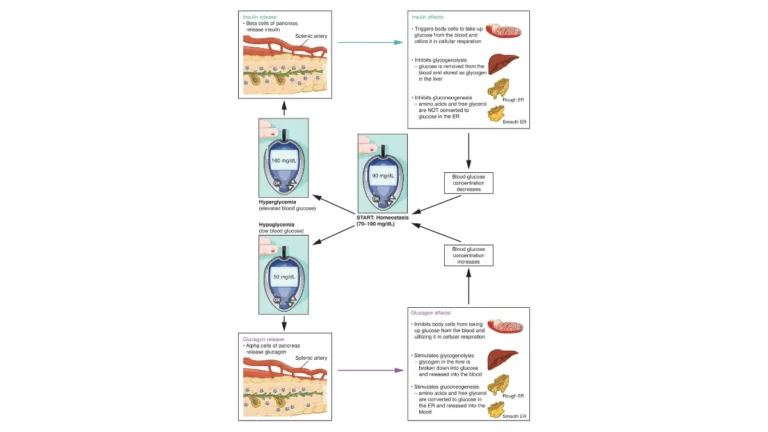
| Glucose (adult) | 70–99 mg/dL (fasting) | ≤ 40–55 mg/dL | ≥ 400–500 mg/dL | Loss of consciousness, seizure; diabetic crisis |
| Sodium | 135–145 mmol/L | ≤ 120–125 mmol/L | ≥ 155–160 mmol/L | Brain swelling, seizures, confusion, coma |
| Calcium (total) | ~8.5–10.5 mg/dL | ≤ 6.0–7.0 mg/dL | ≥ 13.0–14.0 mg/dL | Muscle spasms, heart-rhythm changes, coma |
| CO2 (bicarbonate) | ~22–29 mmol/L | ≤ 10–15 mmol/L | ≥ 40 mmol/L | Severe acid–base imbalance |
Source: ranges compiled from published critical-value lists including Mayo Clinic Laboratories, University of Rochester Medical Center, and Brown University Health. Cutoffs vary by laboratory; adult ranges shown.
Potassium: the most dangerous CMP number
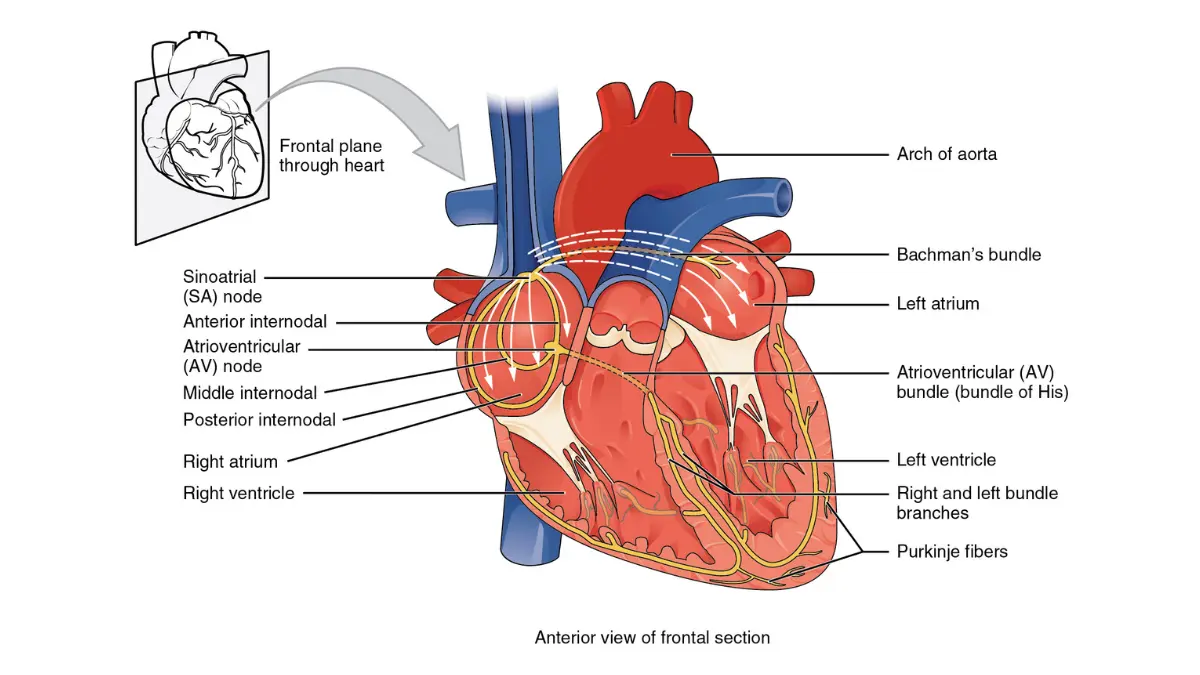
Potassium is the CMP value most tied to sudden, life-threatening risk, because it controls the electrical signaling of your heart. Severely high potassium — hyperkalemia — can trigger fatal arrhythmias, and severely low potassium can too; our guide covers what causes high potassium on a CMP.
📊 Clinical Data Point: Reference-lab critical thresholds for potassium commonly sit at roughly ≤ 2.5–3.0 mEq/L (low) and ≥ 6.0–6.5 mEq/L (high), against a normal range near 3.5–5.1 mEq/L — Source: Mayo Clinic Laboratories and Brown University Health critical-value lists; MedlinePlus (normal range).
Glucose, sodium, and calcium critical values
Very low glucose can cause confusion, seizure, or loss of consciousness, and very high glucose points toward a diabetic crisis — see what a high glucose result means and our blood sugar converter for mg/dL and mmol/L. Sodium extremes threaten the brain, while calcium extremes affect nerves, muscles, and heart rhythm, as covered in our article on total protein and calcium on a CMP.
CO2 (bicarbonate)
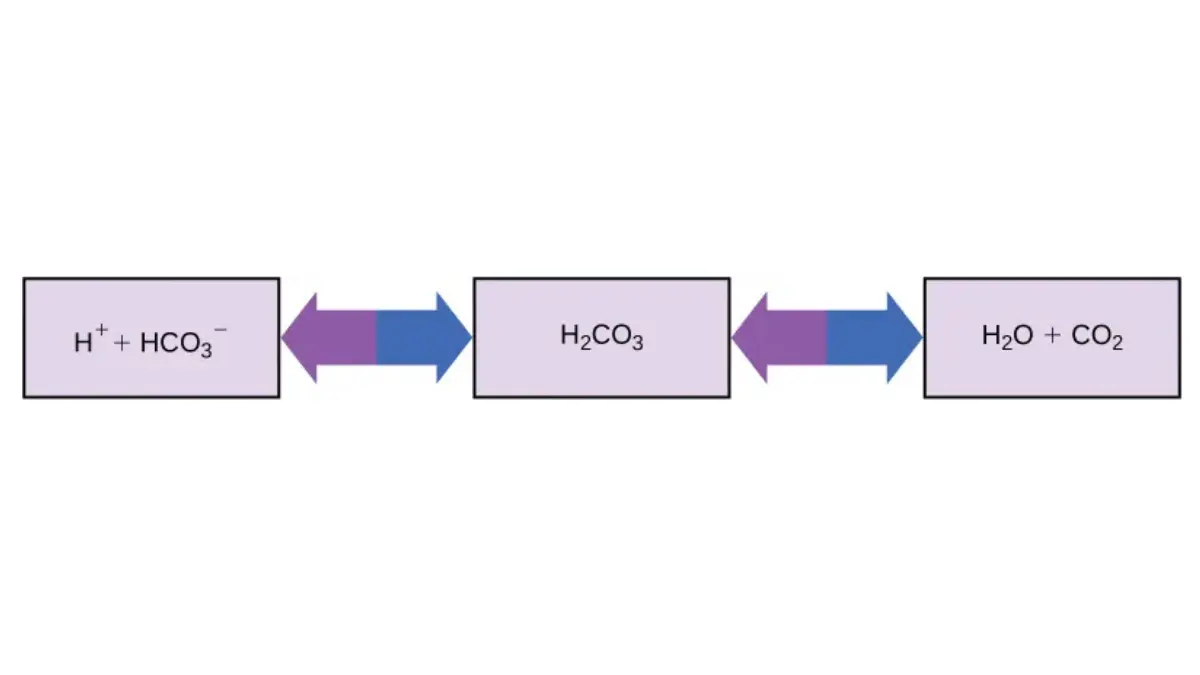
CO2 on a CMP reflects your blood’s acid–base balance rather than the air you breathe. A very low or very high value can signal severe metabolic acidosis or alkalosis, usually alongside another serious problem the whole panel is pointing toward.
Markers with no standard emergency threshold
Kidney markers like BUN and creatinine usually lack a single universal panic value — a markedly high creatinine is urgent but read in clinical context, as our guide to CMP kidney markers explains. Adult liver enzymes and proteins generally are not on critical-value lists either, though very high liver enzymes still warrant prompt evaluation.
⚠️ Clinical Warning: These ranges are general reference points, not a personal threshold. A number can be an emergency at a milder level than shown if you have symptoms, and your lab’s cutoffs may differ — compare only against your own report, and let symptoms drive whether you seek immediate care.
Emergency symptoms that can go with critical CMP values
Because you may see a flagged result before any clinician calls, it helps to know the symptoms that turn an abnormal value into an emergency — these are what should move you to act.
High or low potassium: heart-rhythm warning signs
Dangerous potassium is often quiet until it is severe, which is exactly why the number carries weight. When symptoms appear they can include palpitations, marked weakness, tingling, or trouble breathing — MedlinePlus advises contacting a provider right away for high potassium warning signs, and low potassium can also disturb heart rhythm, as in its overview of low potassium symptoms.
Low sodium: confusion, seizures, collapse
Severely low sodium threatens the brain, with symptoms from headache and confusion to seizures and coma, and a sudden drop is more dangerous than a slow one. MedlinePlus notes a sodium level that falls too far can be a life-threatening emergency; confusion or a seizure with an abnormal sodium result is an immediate 911 situation.
Very high or low blood sugar
Very low blood sugar can cause shakiness, sweating, confusion, and, if severe, loss of consciousness or a seizure; very high blood sugar can cause intense thirst, frequent urination, nausea, and rapid breathing signaling a diabetic emergency. For where a normal reading sits, see our guide to a normal blood sugar result.
When symptoms beat the numbers
⚠️ Clinical Warning: Chest palpitations, fainting, a seizure, new confusion, severe weakness, or trouble breathing mean call 911 or go to the emergency room — no matter what any number says or doesn’t say. A value can lag behind how you feel, and dangerous potassium in particular can be present with few symptoms until it is severe.
Flagged “high” vs. a true critical value: how to tell
No — a portal “H” or “L” flag is not automatically a critical value. A true critical result triggers a required, immediate phone call to the clinician who ordered your test, so it is not designed to sit silently in a portal overnight. Understanding this can lower a lot of unnecessary panic while still leaving room to act on how you feel.
The lab is required to call for a true critical value
Reporting critical results quickly is a formal patient-safety requirement, not a courtesy. Under the Joint Commission’s National Patient Safety Goal on critical results, laboratories must communicate a critical value promptly to the ordering or responsible provider.
📊 Clinical Data Point: Guideline consensus is that critical values should generally be notified within about one hour of identification, after the lab confirms the result — Source: Joint Commission National Patient Safety Goal NPSG.02.03.01; published summaries of laboratory critical-value guidelines (via NIH/NCBI).
Why a silent “H” flag is usually not the same thing
Portals often show “H” or “L” for values only mildly outside normal and not critical; those flags are common, and many resolve with a simple recheck or a routine conversation at your next visit. Flags mark “outside normal,” while critical values mark “call immediately” — the two are not the same tier.
When you should act even if no one called
The notification system is a safety net, not a guarantee, so “no one called” is not proof you are fine. If you have symptoms, or you are higher-risk — living with kidney disease or diabetes, or taking diuretics or certain blood-pressure medicines — contact your clinician proactively, and if severe symptoms appear, seek emergency care regardless of whether a call came.
What to do if you think your CMP result is an emergency
If a result has you worried, a short, ordered plan beats spiraling on a search engine.
Step 1: Match your symptoms to the red flags
Ask first how you feel, not just what the number says. Palpitations, fainting, seizure, new confusion, severe weakness, or trouble breathing point toward emergency care immediately; if you feel well and only have a flagged value, you likely have time to make a call rather than a trip to the ER.
Step 2: Call the right person
For severe symptoms, call 911 or go to the emergency room; for an abnormal-but-stable result with no severe symptoms, contact the clinician who ordered the test or an after-hours nurse line. Your ordering clinician has the full context of your history and can tell you whether a value needs the ER, an urgent recheck, or routine follow-up.
Step 3: What to have ready and what to ask
✅ Patient Action: When you reach your ordering clinician or a nurse line, have your lab report and current medication list in front of you, and ask three specific questions: which value is abnormal, how far outside the range it is, and whether it needs the emergency room, an urgent recheck, or routine follow-up.
Writing the answers down helps you act calmly and gives you a clear record if you do need further care.
Why critical values are treated as emergencies
Critical values exist because a handful of blood chemistry problems can cause serious harm quickly if untreated — and catching them early is precisely what makes them manageable.
What untreated critical values can lead to
Severe potassium and calcium disturbances can cause dangerous heart rhythms, and severe potassium extremes can progress to cardiac arrest; severely low sodium can cause brain swelling, seizures, and lasting injury, with a sudden drop more dangerous than a gradual one. The reassuring flip side is that these are treatable when identified in time, which is the entire reason the critical-value system and its mandatory call exist.
Who is at higher risk
Some people are more prone to dangerous electrolyte swings and should be especially attentive to abnormal results: those with kidney disease, diabetes, or heart failure, older adults, and anyone taking diuretics, ACE inhibitors, or ARBs. If you live with a condition that raises your risk, a useful standing question for your clinician is how often your CMP should be rechecked and which symptoms should send you to urgent care.
Critical CMP values: frequently asked questions
1. What is considered a critical value on a blood test?
A critical value, or “panic value,” is a result far enough outside the normal range that it may indicate a life-threatening problem and requires a lab to notify your clinician immediately. On a CMP these cluster in the electrolytes and glucose. Your ordering clinician interprets what any critical result means for you.
2. What potassium level is a medical emergency?
Reference-lab critical thresholds for potassium commonly fall at roughly ≤ 2.5–3.0 mEq/L (low) or ≥ 6.0–6.5 mEq/L (high), against a normal range near 3.5–5.1 mEq/L, though cutoffs vary by lab. Dangerous potassium can be present with few symptoms, so any result near these ranges needs prompt medical attention.
3. What blood sugar level is a medical emergency?
Critical glucose thresholds on reference-lab lists commonly sit around ≤ 40–55 mg/dL (low) or ≥ 400–500 mg/dL (high), versus a normal fasting range of 70–99 mg/dL, with exact cutoffs varying by lab. Both extremes can be dangerous, and severe symptoms with an abnormal glucose reading warrant immediate care.
4. What sodium level is dangerous?
Critical sodium thresholds are commonly around ≤ 120–125 mmol/L (low) or ≥ 155–160 mmol/L (high), against a normal range of 135–145 mmol/L, and they vary by laboratory. A sudden drop is more dangerous than a gradual one, and confusion or a seizure with abnormal sodium is a 911 situation.
5. Can a CMP show a life-threatening problem?
Yes. A CMP can reveal life-threatening problems, mainly through severe electrolyte disturbances — potassium, sodium, and calcium — and through extreme blood sugar. These are the critical CMP values that laboratories are required to report urgently so your clinician can act quickly.
6. If my result is flagged high, will the lab call me?
For a true critical value, the lab is required to notify the clinician who ordered your test promptly — usually within about an hour, after confirming the result. A silent “H” or “L” flag is often only mildly abnormal, not critical; even so, if you have symptoms, seek care regardless of whether a call came.
7. Which CMP markers don’t have emergency thresholds?
Adult liver enzymes and proteins generally do not carry standardized critical cutoffs, and kidney markers like BUN and creatinine usually lack a single universal panic value. Very abnormal results in these still need timely evaluation, read in the context of your whole panel and history.
8. What symptoms mean a CMP abnormality is an emergency?
Chest palpitations, fainting, a seizure, new confusion, severe weakness, or trouble breathing can turn an abnormal CMP into an emergency, and these symptoms outrank any number. If you have them, call 911 or go to the emergency room rather than waiting to interpret your results.
9. Should I go to the ER for an abnormal CMP?
Go to the ER or call 911 if you have severe symptoms such as palpitations, fainting, seizure, confusion, or trouble breathing. If you feel well and only have a flagged value, contact the clinician who ordered the test instead; they can tell you whether it needs the ER, an urgent recheck, or routine follow-up.
10. How fast does a lab report a critical value?
Guideline consensus is that critical values should generally be reported within about one hour of being identified, after the laboratory confirms the result. This reflects patient-safety requirements for urgent notification of the ordering provider, though exact timing and workflow vary by laboratory.
11. Are critical values the same at every lab?
No. Each laboratory sets its own critical thresholds, and they differ measurably between labs. That is why the ranges in this guide are shown as ranges rather than fixed numbers — always compare your result to the ranges printed on your own report.
The bottom line on critical CMP values
Three ideas keep you safe: compare your numbers only to your own report, treat the electrolytes and glucose as the CMP’s genuinely emergency-relevant markers, and let symptoms override numbers every time. A true critical value triggers a required call to your clinician, but how you feel is always the faster signal. For the full picture of every value on your panel, see our complete guide to understanding your comprehensive metabolic panel results — and for any result you’re unsure about, the clinician who ordered your test, not any figure online including this one, is the authority on what it means for you.
About this content
How this article was put together: researched from recognised health sources, drafted with the help of AI tools, and edited by hand, with sources linked throughout.

Sameer Patel is the founder and editor of My Medicine Advisor. He is not a doctor or medical professional — before starting this site he worked in banking,…
Medical disclaimer
The content on MyMedicineAdvisor is provided for general informational and educational purposes only and is not a substitute for professional medical advice, diagnosis, or treatment. Health information on this website should not be used to diagnose, treat, cure, or prevent any condition without guidance from a qualified healthcare professional. Always seek the advice of your doctor, physician, or another licensed healthcare provider with any questions you may have regarding a medical condition, symptoms, medications, or treatment decisions.