
On This Page – Quick Medical Summary
Seeing low albumin flagged on your blood work can be unsettling, especially if you don’t know what albumin is or why it’s on the panel. Here’s the reassuring part first: albumin is a protein your liver makes, and a low reading is almost always a clue pointing toward something treatable — not a diagnosis on its own.
Where you are right now shapes what matters most on this page. If you just got a routine comprehensive metabolic panel back and albumin was the only odd number, start with what counts as low and the four things that cause it. If you’re caring for someone with a known liver or kidney condition, the causes and the “what it means” section will be most useful. If you’re mostly worried the number signals something serious, skip ahead — we cover that honestly.
This guide walks through what albumin does, why it drops, whether one low value is dangerous, and the specific questions worth asking your clinician.
ℹ️ Medical Disclaimer: This article is general health education — not a diagnosis, treatment plan, or medication guidance — and it doesn’t replace care from a licensed professional. A low albumin result can stem from many different conditions, and only a physician who can see your full history and other results can interpret your specific numbers, order the right follow-up, and advise on treatment. If you have severe or sudden swelling, shortness of breath, chest pain, or confusion, seek emergency care. Consult a board-certified physician — your primary care provider, and a hepatologist or nephrologist if liver or kidney disease is suspected — before acting on anything here.
What is a normal albumin level — and what counts as low?
What’s the normal albumin range?
A normal serum albumin level is typically 3.4 to 5.4 g/dL, according to the National Library of Medicine’s albumin blood test page. Some labs report a slightly different band, such as 3.5 to 5.5 g/dL, so always read the reference range printed beside your own result.
A value below your lab’s range is called hypoalbuminemia. There isn’t one universal cutoff — a reading just under the range means something different from a markedly low one, which is why context matters more than a single decimal point.
📊 Clinical Data Point: Normal serum albumin is about 3.4–5.4 g/dL — Source: MedlinePlus, National Library of Medicine (reviewed 2025). Ranges vary slightly by laboratory.
Albumin vs. total protein: what’s the difference?
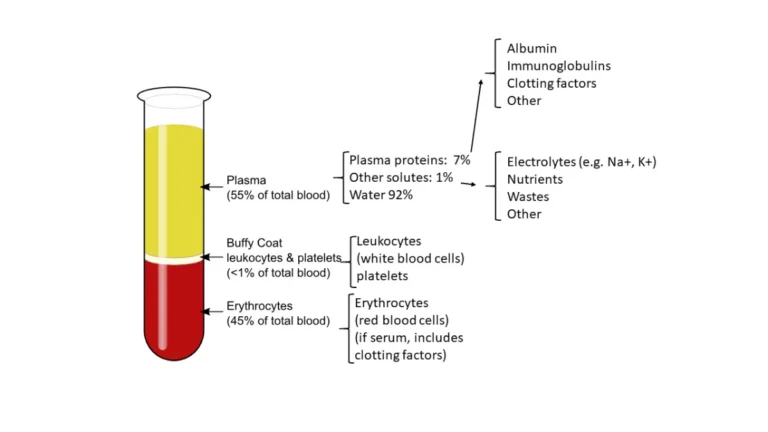
Your panel usually lists albumin and total protein as separate lines. Total protein is albumin plus all your other blood proteins (mostly globulins), so albumin is one component of that larger number.
That’s also why both can appear next to an albumin/globulin (A/G) ratio. If you want to see how these fit together, our guide to total protein and the albumin/globulin ratio breaks it down.
What albumin does — and why the number changes slowly
Albumin’s two main jobs
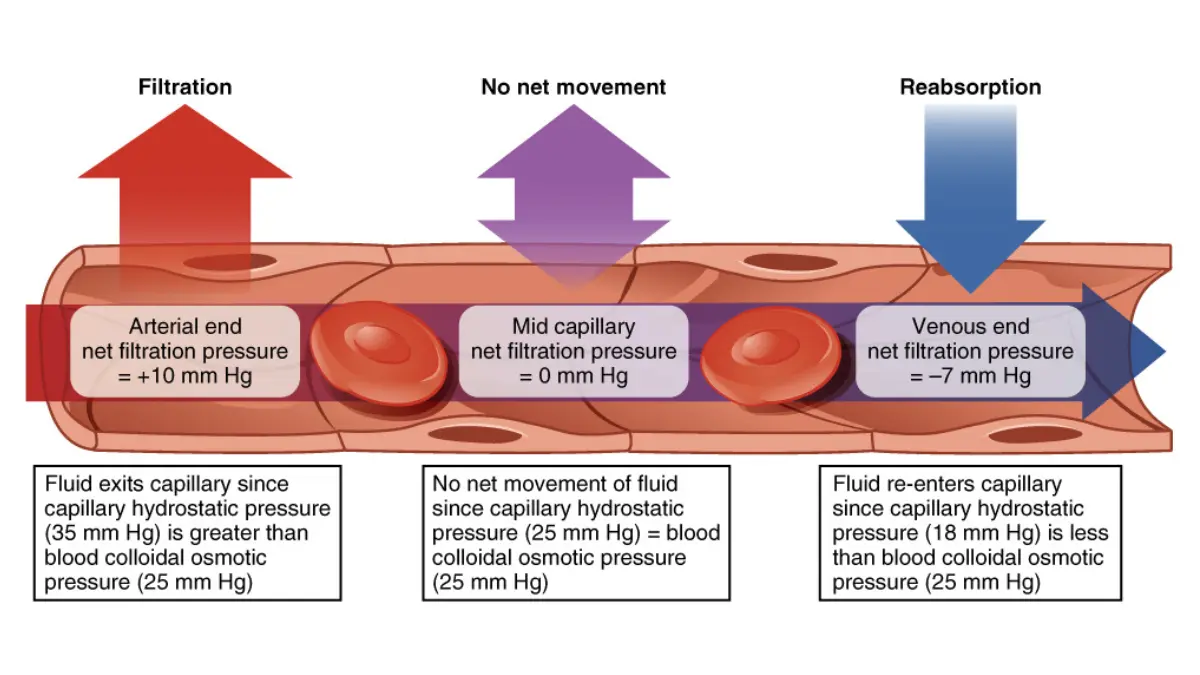
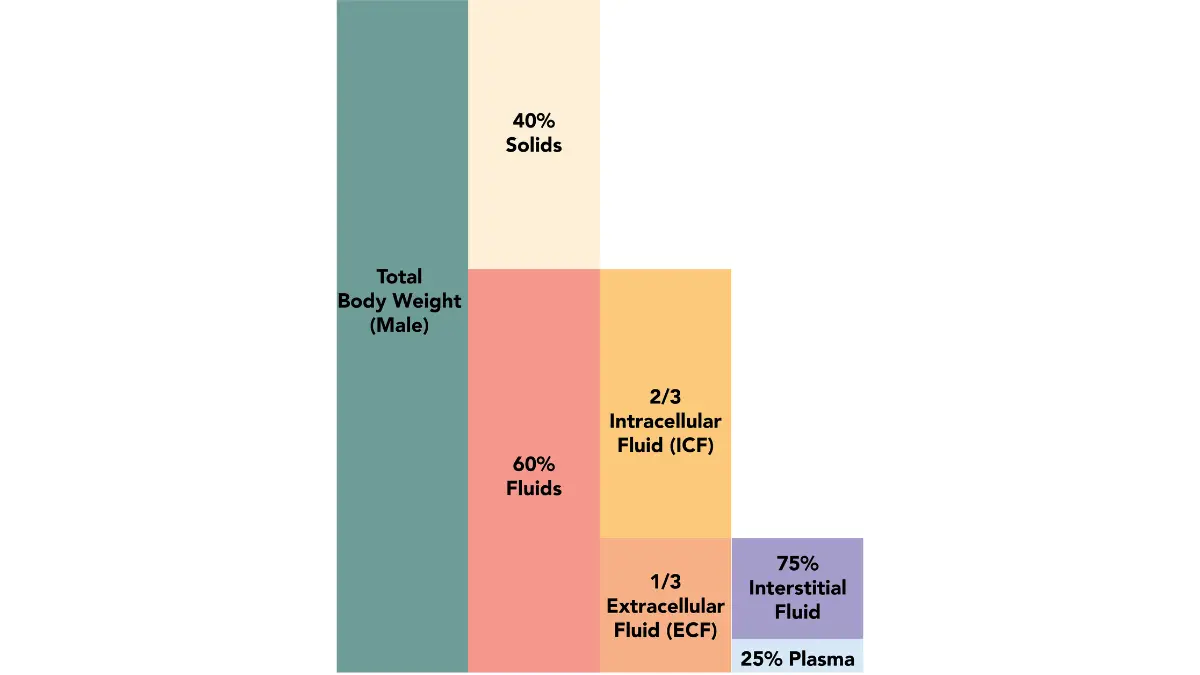
Albumin has two main jobs, and both explain why a low level matters. First, it holds fluid inside your blood vessels through a pull called oncotic pressure. Second, it works like a transport truck, carrying hormones, calcium, bilirubin, fatty acids, and many medications through your bloodstream.
🔬 How It Works: Think of albumin as a sponge dissolved in your blood. Because these large protein molecules can’t easily leak out of your vessels, they hold water in alongside them — that’s oncotic pressure. When albumin drops far enough, the pull weakens and fluid can seep into surrounding tissue, which is one reason swelling can appear.
Why levels usually change slowly
Albumin is made exclusively by the liver and has a half-life of about 21 days, per the StatPearls clinical review on hypoalbuminemia. Because it turns over that slowly, a single low reading usually reflects weeks of activity rather than something that happened yesterday.
There’s an important exception. In serious acute illness, albumin can fall quickly as it shifts out of the bloodstream and into tissues, so the same number can mean different things depending on whether you’re otherwise well or acutely unwell.
📊 Clinical Data Point: Albumin’s half-life is roughly 21 days, and it is synthesized exclusively by the liver — Source: StatPearls, NCBI/NIH (2023).
What causes low albumin? The four mechanisms
Low albumin (hypoalbuminemia) arises through four main mechanisms: your liver makes less of it, your body loses it, it shifts out of the bloodstream, or you take in or absorb too little protein.
| Mechanism | Example causes | What a clinician may check |
|---|---|---|
| Less production | Cirrhosis, advanced liver disease | Liver enzymes, imaging |
| Increased loss | Nephrotic syndrome (urine loss), protein-losing gut conditions | Urine protein (UACR), GI workup |
| Redistribution / inflammation | Infection, sepsis, major inflammation | CRP and other inflammatory markers |
| Low intake / absorption | Malnutrition, malabsorption | Diet history, nutrition review |
Mechanisms per StatPearls (NCBI/NIH) and MedlinePlus (National Library of Medicine).
Decreased production (liver disease)
When the liver is damaged — as in cirrhosis — it makes less albumin; you can read more in MedlinePlus’s cirrhosis guide. A low level often shows up alongside abnormal liver enzymes, so it’s worth reviewing your liver enzymes such as ALT, AST, and bilirubin on the same panel.
Increased loss (kidneys and gut)
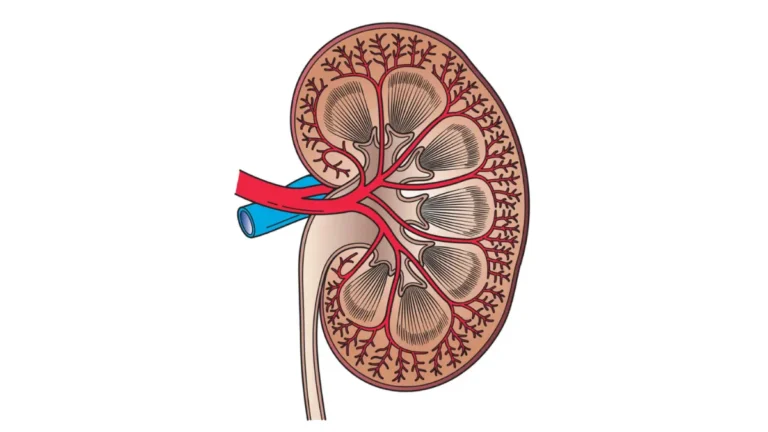
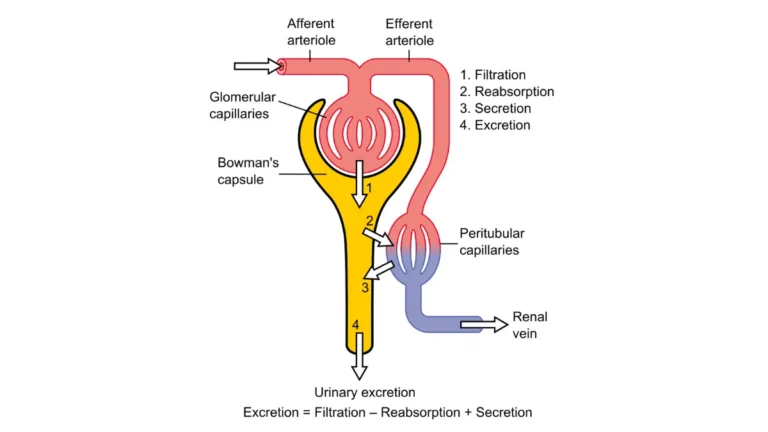
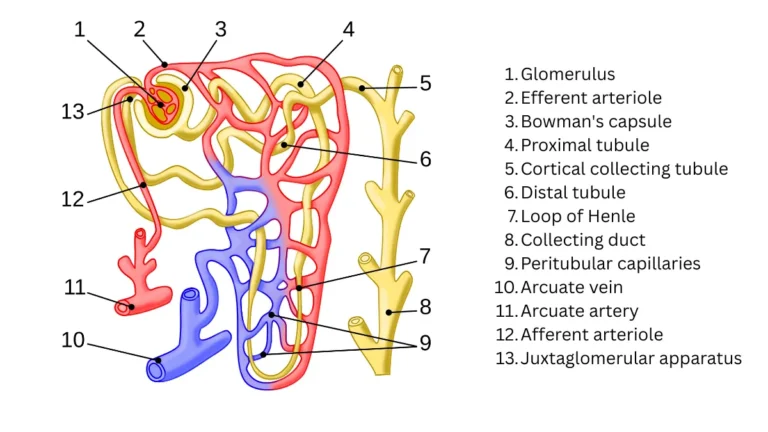
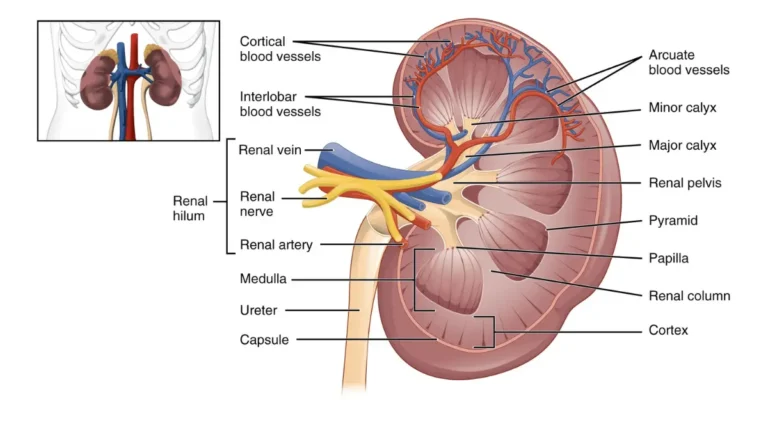
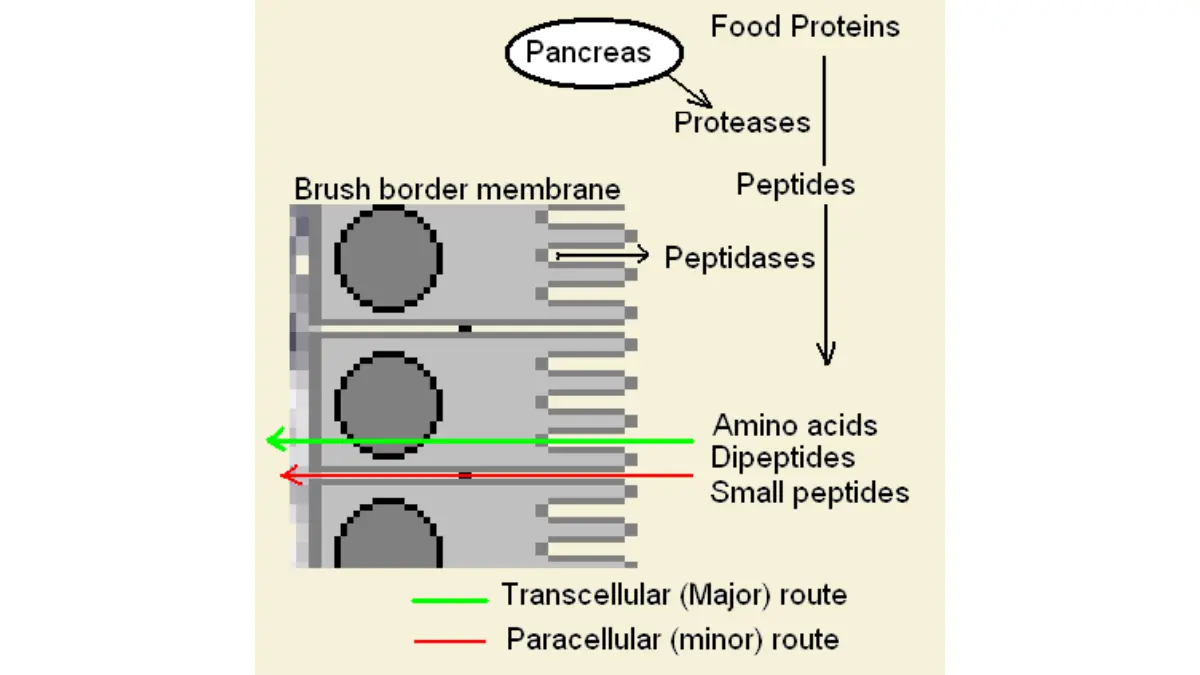
Healthy kidneys keep protein in your blood; when they’re damaged, albumin can leak into your urine. That’s the mechanism behind nephrotic syndrome, which is why a urine protein test and your kidney markers like BUN and creatinine help pin down the cause. The gut can also lose protein in certain intestinal conditions.
Redistribution and inflammation
Albumin is a negative acute phase reactant — meaning it falls when the body is inflamed, independent of nutrition.
🩺 Physician Note: A common point of confusion is treating low albumin as a nutrition problem by default. Current understanding is that inflammation from an infection or illness can lower albumin on its own, so a temporary sickness can transiently drop the number even in someone who eats well.
🔬 How It Works: During inflammation, the liver shifts toward making defense proteins and dials albumin back, while leaky vessels let albumin escape into tissues. Both effects push the blood level down until the underlying process settles.
Poor intake or absorption
Finally, not eating enough protein — or not absorbing it well — leaves the liver short on raw material. Normal pregnancy also lowers albumin modestly, which is expected rather than alarming.
✅ Patient Action: Ask your primary care provider whether your low albumin should be worked up with liver enzymes, a urine protein test (UACR), and inflammatory markers. That trio usually points to which of the four mechanisms is at play.
Symptoms of low albumin (and why you may have none)
Symptoms that can appear
Here’s something many articles skip: low albumin itself often causes no symptoms, and when signs do appear, they usually reflect the underlying condition rather than the albumin number.
When symptoms are present, they can include:
- Swelling (edema) in the legs, ankles, or feet, or fluid in the abdomen (ascites) with liver disease
- Fatigue or weakness
- Gradual muscle loss
- Slower wound healing
Why low albumin often causes no symptoms
🩺 Physician Note: A widely repeated claim is that low albumin reliably causes swelling. In practice, edema doesn’t track the albumin number closely and usually needs additional factors — such as salt retention, heart failure, or kidney disease — so plenty of people with low albumin have no swelling at all.
Because symptoms follow the cause, the presence or absence of swelling doesn’t tell you how low your albumin is. If you’re trying to make sense of what you’re feeling, you can run your symptoms through our symptom checker, but pair it with an actual medical evaluation.
⚠️ Clinical Warning: Sudden or significant swelling combined with shortness of breath or chest pain is not something to watch at home. It can signal a heart, kidney, or liver problem behind the low albumin and warrants urgent medical evaluation.
Is low albumin serious? What your result means
What a low result does — and doesn’t — tell you
Low albumin is usually a marker of an underlying condition rather than a disease in itself, so its seriousness depends on the cause, how low the level is, and the rest of your clinical picture.
A low reading tells your clinician to look for a reason — it doesn’t, by itself, name that reason or predict your future. The same number can be mild and temporary, such as during a passing illness, or a sign of something that needs attention, like ongoing liver or kidney disease.
Doctors also pay attention to low albumin because it’s common in people who are hospitalized or seriously ill, where it reflects how the body is coping overall. In the context of a routine result in someone who feels well, it’s typically a prompt for follow-up rather than a cause for alarm.
🩺 Physician Note: What low albumin can’t do is stand alone. It’s interpreted alongside liver tests, kidney tests, inflammatory markers, and your symptoms — never treated as a diagnosis on its own.
When to follow up with your doctor
The right next step is a conversation with your provider, ideally with your full panel in hand.
✅ Patient Action: Bring your complete CMP to your appointment and ask directly: “What’s the most likely cause of my low albumin, and what tests or referral do we need to confirm and address it?” If liver or kidney disease is suspected, ask whether you should see a hepatologist or nephrologist.
How low albumin is treated — and where diet fits in
Treating the underlying cause
There’s no single treatment that “raises albumin” directly — the real fix is treating whatever is driving it down. If the cause is liver disease, kidney disease, inflammation, or malabsorption, managing that condition is what allows albumin to recover.
That’s why the same low number leads to very different plans: what helps one person’s albumin does nothing for another’s if the causes differ.
Where protein and diet fit
Protein nutrition matters most when low intake or malnutrition is the driver. Eating enough protein gives the liver the raw material it needs — but if your kidneys or liver are the problem, loading up on protein isn’t a cure and can even be inappropriate, so it should be guided by your clinician.
For a general starting estimate of your daily needs, you can use our protein intake calculator.
✅ Patient Action: Ask your provider whether your low albumin is diet-related. If it is, request a referral to a registered dietitian for a plan matched to your situation.
Frequently asked questions about low albumin
1. What is a normal albumin level?
A normal albumin level is generally 3.4 to 5.4 g/dL, though your lab’s reference range may differ slightly — some use 3.5 to 5.5 g/dL. Always read the range printed next to your own result. A value below your lab’s range is called hypoalbuminemia, and how far below matters more than a single borderline reading.
2. Is low albumin serious?
Low albumin is usually a marker of an underlying condition rather than a disease itself, so its seriousness depends on the cause, how low it is, and your overall picture. A mildly low value during a passing illness differs from persistently low albumin with liver or kidney disease. Your clinician interprets it alongside your other results.
3. What are the symptoms of low albumin?
Low albumin often causes no symptoms on its own. When signs appear, they usually reflect the underlying cause and can include swelling (edema) in the legs, ankles, or abdomen, fatigue, gradual muscle loss, and slower wound healing. Swelling doesn’t reliably track the albumin number, so many people with low albumin feel completely normal.
4. How is low albumin treated?
There’s no treatment that raises albumin directly; the goal is to treat whatever is lowering it — liver disease, kidney disease, inflammation, or poor nutrition. When low protein intake is the cause, eating enough protein helps. Because the right approach depends entirely on the cause, treatment should be guided by your clinician.
5. Does low albumin mean I have liver disease?
Not necessarily. Reduced liver production is only one of four mechanisms behind low albumin; kidney loss, inflammation, and poor intake are the others. Because the liver makes albumin, a low level can accompany liver problems, but it can’t confirm them. Liver enzymes and other tests are needed to sort this out with your clinician.
6. Does low albumin mean kidney disease?
Sometimes. Damaged kidneys can leak albumin into the urine, as happens in nephrotic syndrome — but that’s one of several possible causes, not a certainty. A urine protein test and kidney markers like BUN and creatinine help clarify whether your kidneys are involved. Your clinician can interpret these together.
7. Can diet or dehydration affect albumin?
Yes. Not eating enough protein, or not absorbing it well, can lower albumin because the liver runs short on raw material, and normal pregnancy lowers it modestly. Dehydration tends to concentrate the blood and more often raises albumin readings, so a low value usually points elsewhere. Your provider can help identify the cause.
8. What foods help raise albumin levels?
When low protein intake is the cause, protein-containing foods give the liver material to make albumin. But food only helps if diet is the actual problem — if your liver or kidneys are driving the low level, eating more protein won’t fix it and may even need limiting. Ask your clinician or a dietitian for guidance.
9. What’s the difference between albumin and total protein?
Total protein is the sum of all proteins in your blood — albumin plus globulins — and albumin is the single largest component of that total. Your panel may also show an albumin/globulin (A/G) ratio comparing the two. Seeing both lets your clinician tell whether a change comes from albumin, globulins, or both.
10. How quickly can albumin levels change?
Albumin turns over slowly, with a half-life of about 21 days, so a single low reading usually reflects weeks of activity rather than a sudden change. The exception is serious acute illness, when albumin can drop quickly as it shifts out of the bloodstream. Context — whether you’re well or acutely ill — matters.
11. Should I worry about one slightly low reading?
A single, slightly low albumin is common and often not concerning, especially right after an illness or if your lab’s range runs high. What matters more is how far below range it is, whether it stays low on a recheck, and your other results. Your clinician can decide whether follow-up is needed.
The bottom line on a low albumin result
A low albumin result is best understood as a signpost, not a verdict. It usually points to one of four things — reduced liver production, loss through the kidneys or gut, inflammation, or too little protein — and the number’s meaning depends entirely on which one is at play and on the rest of your health.
The most useful thing you can do is get the cause identified rather than fixate on the value itself. Bring your full panel to your provider, and if other numbers are flagged too, our guide to making sense of an abnormal CMP can help you prepare for that conversation.
Want a head start? You can download our one-page list of questions to ask your doctor about a low albumin result before your appointment.
About this content
How this article was put together: researched from recognised health sources, drafted with the help of AI tools, and edited by hand, with sources linked throughout.

Sameer Patel is the founder and editor of My Medicine Advisor. He is not a doctor or medical professional — before starting this site he worked in banking,…
Medical disclaimer
The content on MyMedicineAdvisor is provided for general informational and educational purposes only and is not a substitute for professional medical advice, diagnosis, or treatment. Health information on this website should not be used to diagnose, treat, cure, or prevent any condition without guidance from a qualified healthcare professional. Always seek the advice of your doctor, physician, or another licensed healthcare provider with any questions you may have regarding a medical condition, symptoms, medications, or treatment decisions.