
On This Page – Quick Medical Summary
If you have just opened your blood test results and one of the kidney numbers is flagged, this is written for you. A comprehensive metabolic panel checks your kidneys through three values: BUN, creatinine, and eGFR. Together they estimate how well your kidneys filter waste from your blood.
Here is how to find what you need:
- If you want to know what each number means, start with the three-marker breakdown below.
- If you are comparing your result to “normal,” skip to the reference-range table.
- If a value is flagged and you are deciding what to do next, the interpretation and next-step sections are for you.
One promise before we start: every range here is cited to a named medical authority, and a single out-of-range value is not a diagnosis. Your kidneys are read as a pattern — across all three markers and over time — not from one number on one day. This page is one part of your full comprehensive metabolic panel results, and you can pair it with a full walkthrough of your CMP results.
ℹ️ Medical Disclaimer: This article is educational. It does not diagnose kidney disease, recommend treatment or medication, or replace testing and advice from your own clinician. Reference ranges, kidney-disease staging, and result interpretation vary by individual, laboratory, and medical history. Before acting on any result, discuss your specific numbers with a board-certified physician or a nephrologist.
The three kidney markers on a CMP
A CMP shows how well your kidneys are filtering blood through three markers — BUN, creatinine, and eGFR — that are read together rather than one at a time.
What BUN measures
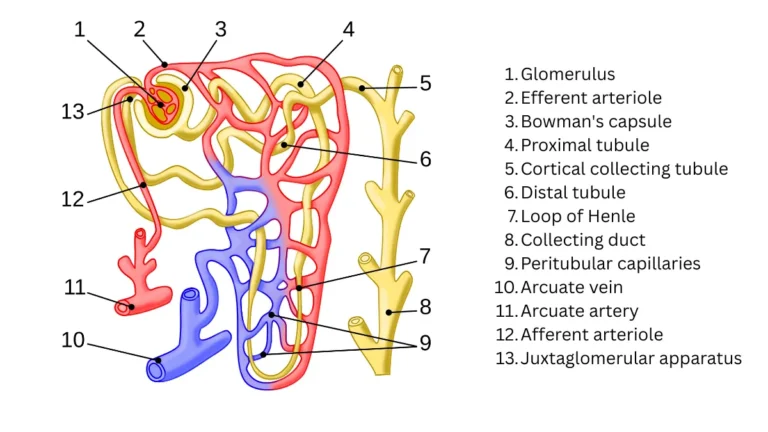
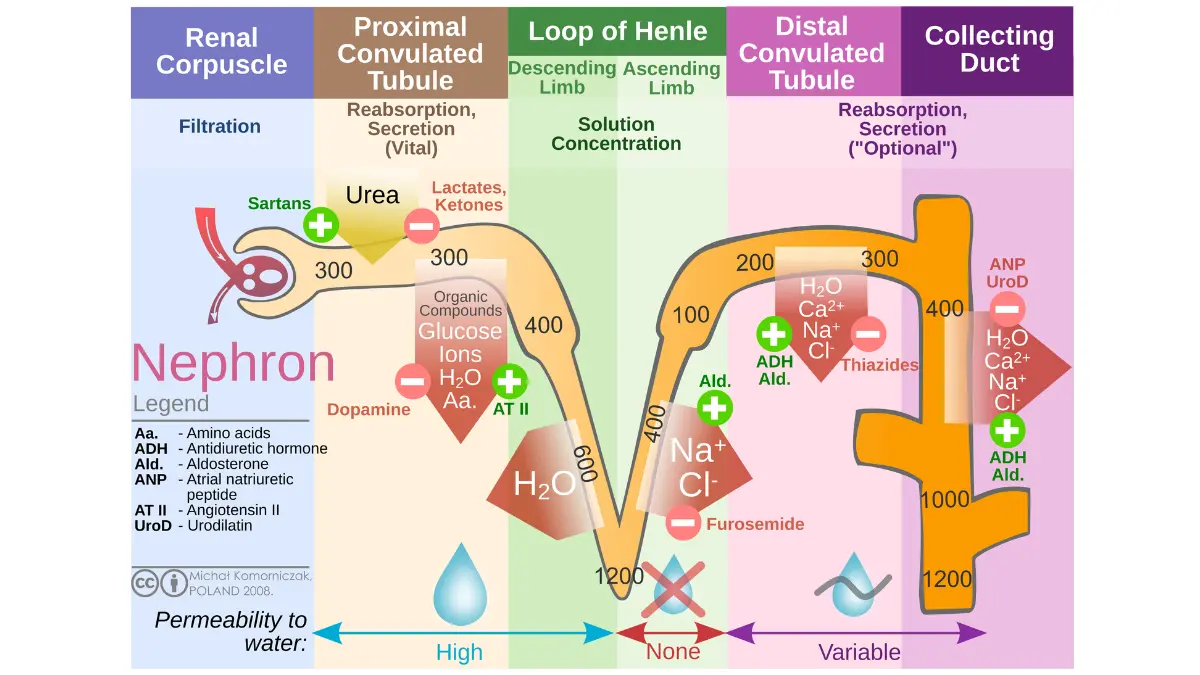
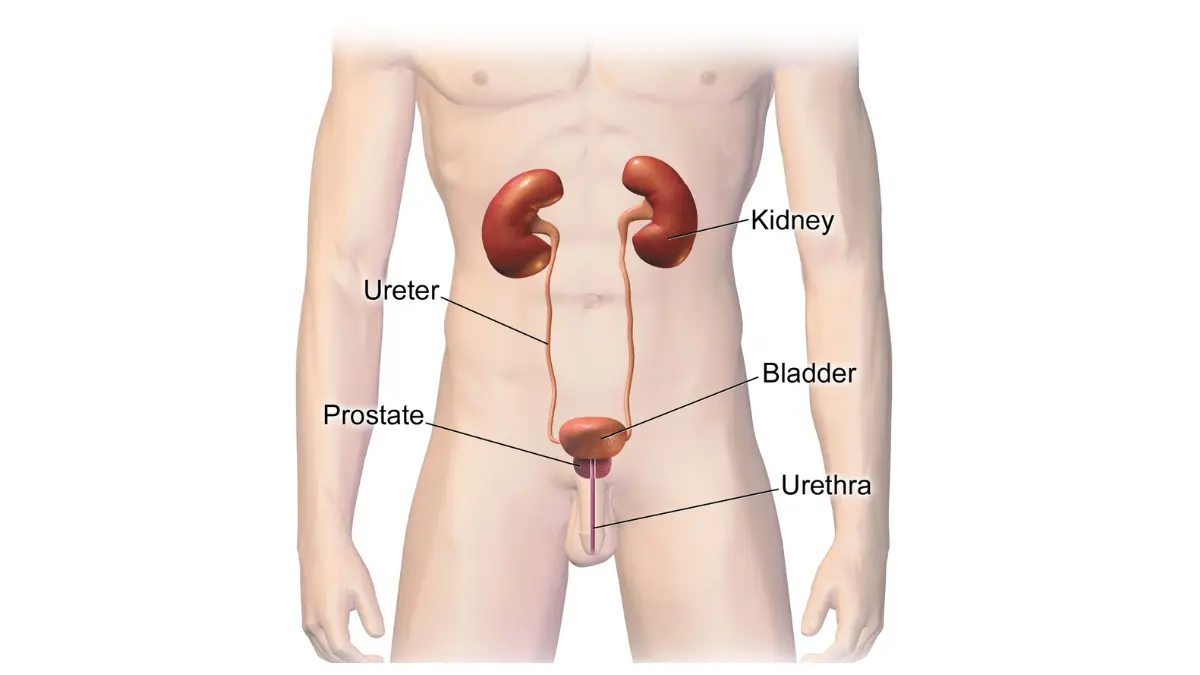
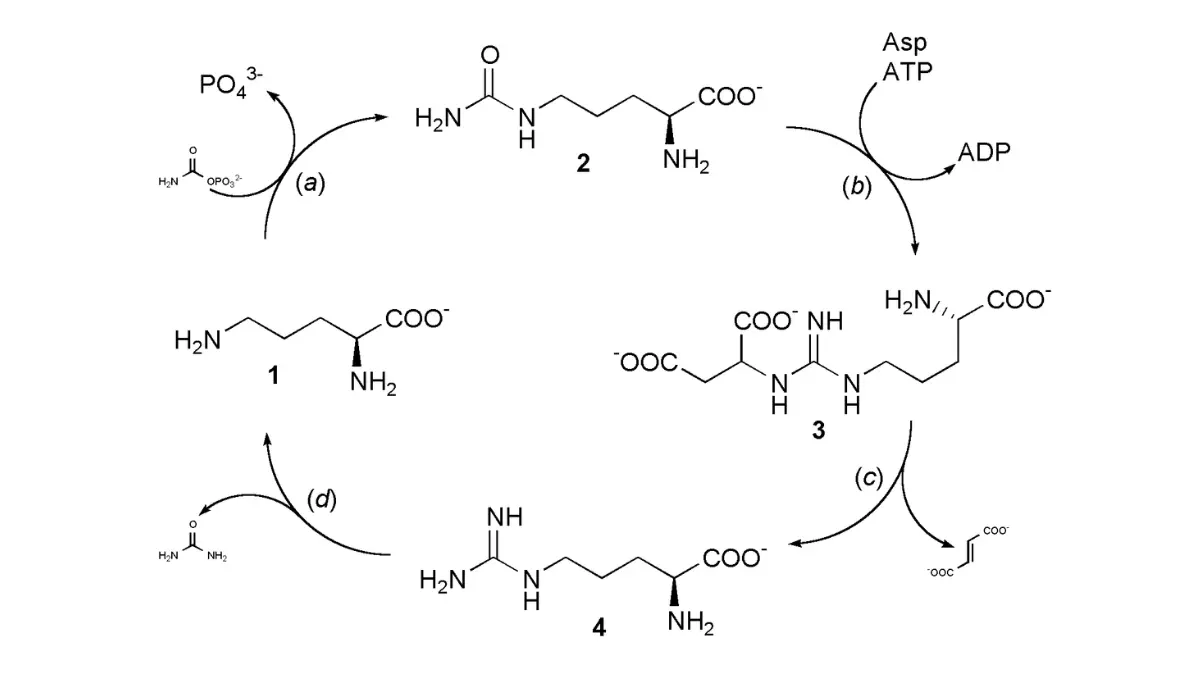
Blood urea nitrogen measures urea nitrogen, a waste product your liver makes as it breaks down protein. Healthy kidneys filter most of it out, so the amount left in your blood is a rough signal of how well they are working.
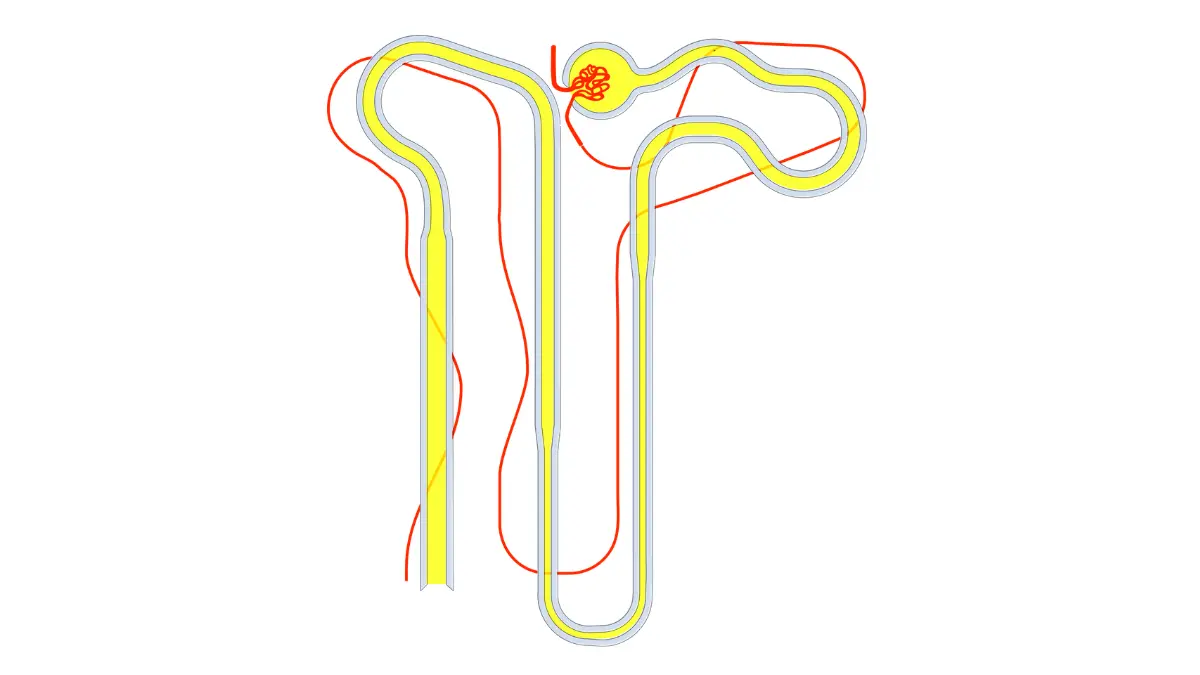
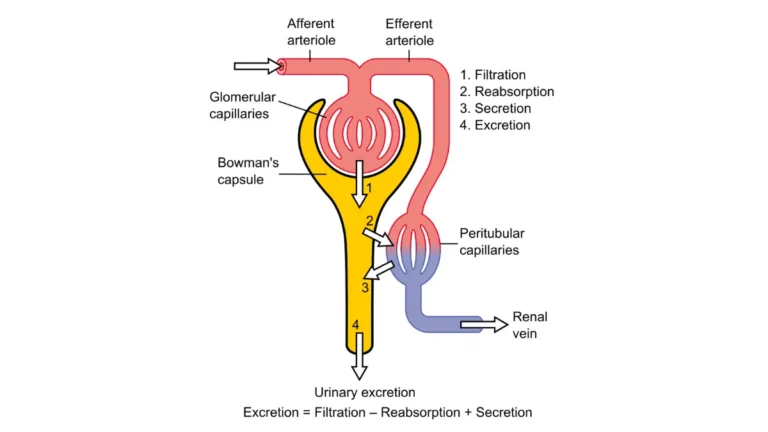
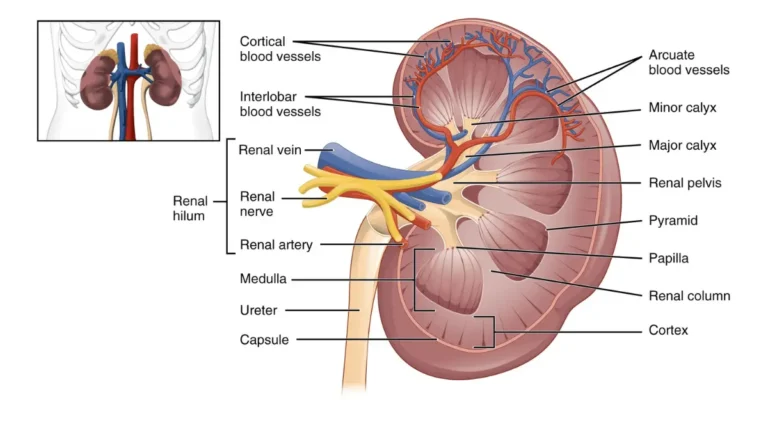
🔬 How It Works: Your body turns dietary protein into waste, including urea. Blood carries urea to your kidneys, which filter it and pass it into urine. When filtering slows, more urea stays in the blood — which is what the BUN test detects.
What creatinine measures
Creatinine is a waste product your muscles produce as they use energy, and your kidneys clear it at a fairly steady rate. Because production stays relatively constant, a rising blood creatinine often reflects slower kidney filtering.
What eGFR is
eGFR, or estimated glomerular filtration rate, is not a separate blood draw — it is a number calculated from your creatinine along with your age, sex, and body size. It estimates how much blood your kidneys filter each minute, and it is the single value most often used to describe overall kidney function.
Normal ranges for BUN, creatinine, and eGFR
Here are the typical adult reference ranges for the three kidney markers, though your own laboratory’s stated range always governs.
| Marker | Typical adult reference range | Key clinical detail |
|---|---|---|
| BUN | About 6–20 mg/dL | Shifts with hydration and dietary protein, not kidney function alone |
| Creatinine | ~0.7–1.3 mg/dL (men); ~0.5–0.95 mg/dL (women) | Women often lower due to less muscle mass |
| eGFR | Above 60 mL/min/1.73 m² is generally normal | An estimate, read together with the other two markers |
Reference ranges from MedlinePlus (U.S. National Library of Medicine) and the National Kidney Foundation. Your laboratory’s own range governs.
📊 Clinical Data Point: A normal BUN is generally about 6–20 mg/dL, and a normal creatinine is roughly 0.7–1.3 mg/dL for men and 0.5–0.95 mg/dL for women. — Source: MedlinePlus, U.S. National Library of Medicine.
Normal BUN range
You can see the reference range for a BUN blood test in detail at MedlinePlus. Values just outside it are common and often benign, which is why BUN is read alongside creatinine.
Normal creatinine range (and why it differs by sex)
Men and women have different reference ranges because creatinine comes from muscle, and men on average carry more muscle mass. You can review typical creatinine levels for men and women at MedlinePlus.
What eGFR number is considered normal
An eGFR above 60 mL/min/1.73 m² is generally considered normal kidney function. Because ranges and equations vary, focus on trends over time and your own lab’s reporting rather than a single value. For the wider panel, see the complete CMP reference ranges.
What high or low kidney markers can mean
An out-of-range value has more than one possible explanation, and context usually matters more than the number itself.
When BUN is high or low
A high BUN can mean reduced kidney filtering, but it can also come from dehydration, a high-protein diet, gastrointestinal bleeding, or certain medications. A low BUN can occur with liver disease or low protein intake. Because BUN moves so easily, a high BUN with a normal creatinine often points toward dehydration or reduced blood flow to the kidneys rather than kidney damage.
🩺 Physician Note: A common point of confusion is treating a single high BUN as proof of kidney disease. Because BUN rises with dehydration, a high-protein diet, and some medications, standard practice is to interpret it together with creatinine and eGFR rather than on its own.
When creatinine is high
A high creatinine can reflect slower filtering, but muscle mass, dehydration, intense exercise, and urinary blockage can also raise it. This is one reason a very muscular person may sit at the high end of normal without any kidney disease. If a low BUN points elsewhere, your liver function test results may be the more relevant read, and other out-of-range CMP values can add context.
Why one abnormal value isn’t a diagnosis
Kidney function is judged from the pattern across all three markers and from how they change over time, not from one flagged result.
✅ Patient Action: If one kidney value is flagged, ask your provider: “Given my other results and history, is this likely a real change in kidney function or a temporary or confounded reading, and should we recheck it?”
eGFR and the stages of kidney function
An eGFR below 60 is not automatically kidney disease — it has to persist for three months or more, and higher eGFRs count as disease only when there are other signs of kidney damage.
What eGFR below 60 means (and the three-month rule)
An eGFR above 60 mL/min/1.73 m² generally reflects normal function. Chronic kidney disease is defined when eGFR stays below 60 for three months or more, or when eGFR is above 60 but there is kidney damage such as protein in the urine. Because eGFR is an estimate rather than an exact measurement, a single low reading is not the whole story.
📊 Clinical Data Point: An eGFR below 60 mL/min/1.73 m² that lasts three months or more indicates chronic kidney disease; an eGFR above 60 with signs of kidney damage, such as protein in the urine, also qualifies. — Source: National Kidney Foundation.
The stages of kidney function at a glance
| Stage | eGFR (mL/min/1.73 m²) | Key clinical detail |
|---|---|---|
| G1 | 90 or above | Counts as CKD only with other kidney-damage markers |
| G2 | 60–89 | Counts as CKD only with other kidney-damage markers |
| G3a | 45–59 | Mild-to-moderate reduction in filtering |
| G3b | 30–44 | Moderate-to-severe reduction |
| G4 | 15–29 | Severe reduction |
| G5 | Below 15 | Kidney failure |
Staging framework from KDIGO, as summarized by the NIDDK and National Kidney Foundation.
Why eGFR no longer uses race
In 2021, kidney experts recommended a race-free eGFR equation, which most U.S. labs now use, and pairing creatinine with cystatin C improves accuracy near important decision points. Because the equation changed, some people’s reported eGFR shifted. You can read how eGFR is calculated and read and more on the current race-free eGFR equation at the NIDDK.
✅ Patient Action: If your eGFR is under 60, ask: “Is this a one-time reading or a persistent trend, do I have protein in my urine, and what stage — if any — does that put me in?” Direct staging questions to your primary care provider or a nephrologist.
What to do if your kidney markers are out of range
A flagged kidney value is a prompt to gather context, not a verdict — and much of that context you can check yourself.
Before you worry: check the confounders
Several everyday factors move these numbers without any kidney disease:
- Hydration — being dehydrated can raise BUN
- A recent high-protein meal or heavy exercise
- Higher muscle mass, which raises creatinine
- New or changed medications
You can estimate your daily fluid needs and check your typical protein intake to see whether either might have affected your result.
Questions to bring to your doctor
Bring the actual numbers with their reference ranges, and ask whether the result fits your history or looks like a new change worth rechecking.
When a retest makes sense
A single mildly out-of-range value with an obvious cause is often rechecked rather than treated. If a repeat CMP is ordered, confirm whether you need to fast before a repeat test.
✅ Patient Action: Before your appointment, note your hydration, recent diet, exercise, and any new medications from the days before the test, and bring the printed results so you and your provider can see the trend rather than one isolated number.
When abnormal kidney markers need prompt attention
Early kidney disease is usually silent, so symptoms are not a reliable early-warning system — which is exactly why the blood test matters.
Signs that warrant prompt medical attention
A lab value on its own does not define an emergency, but certain symptoms alongside abnormal kidney results should not wait for a routine appointment. These include a sharp drop in how much you urinate, marked new swelling in the legs, ankles, or face, shortness of breath, new confusion or trouble concentrating, and persistent nausea or vomiting.
⚠️ Clinical Warning: Sharply reduced urination, sudden marked swelling, shortness of breath, or new confusion — especially alongside abnormal kidney results — warrant urgent medical evaluation rather than waiting. A single number does not make an emergency, but these symptoms together with abnormal results do.
Results that are less likely to be an emergency
A mildly out-of-range value with an obvious confounder, such as dehydration, and no symptoms is commonly rechecked rather than acted on immediately. Because early kidney disease often causes no symptoms at all, a normal-feeling body is not proof that a flagged result can be ignored — it is a reason to follow up calmly.
Frequently asked questions about kidney markers on a CMP
1. What does a CMP show about your kidneys?
A comprehensive metabolic panel shows your kidney function through three markers: BUN, creatinine, and eGFR. BUN and creatinine are waste products your kidneys filter, and eGFR estimates your filtering rate from your creatinine. No single value is a diagnosis, so review your full results and history with your clinician.
2. What are the three kidney markers on a CMP?
The three kidney markers on a CMP are BUN, a protein-breakdown waste product; creatinine, a muscle waste product your kidneys clear; and eGFR, a filtering estimate calculated from your creatinine plus your age, sex, and body size. eGFR is a calculation, not a separate blood draw.
3. What is a normal BUN level?
A normal BUN level is generally about 6 to 20 mg/dL, though ranges vary by laboratory. A high BUN can reflect dehydration, a high-protein diet, or reduced kidney filtering, so it is read alongside creatinine and eGFR. Use your lab’s stated range and confirm any concern with your provider.
4. What is a normal creatinine level?
A normal creatinine level is roughly 0.7 to 1.3 mg/dL for men and 0.5 to 0.95 mg/dL for women, who often run lower because of less muscle mass. Ranges vary by lab, and non-kidney factors can raise creatinine, so interpret your result in context with your clinician.
5. What does eGFR mean on a blood test?
eGFR on a blood test estimates how well your kidneys filter, calculated from your creatinine, age, sex, and body size and reported in mL/min/1.73 m². An eGFR above 60 is generally considered normal kidney function. Because it is an estimate rather than an exact measurement, it is read alongside your other results.
6. Is an eGFR below 60 always kidney disease?
An eGFR below 60 is not always kidney disease. It indicates chronic kidney disease only when it persists for three months or more; a higher eGFR counts as disease when other damage, such as protein in the urine, is present. Your clinician confirms whether a low reading is truly persistent.
7. What does a high BUN-to-creatinine ratio mean?
A high BUN-to-creatinine ratio — a raised BUN with a relatively normal creatinine — often points toward dehydration or reduced blood flow to the kidneys rather than kidney damage. A low ratio can reflect liver issues or low protein intake. Your provider interprets the ratio together with your other results.
8. Can dehydration affect kidney markers on a CMP?
Yes. Dehydration can raise BUN and shift the balance between BUN and creatinine, making kidney function look worse than it is. This is one reason an isolated abnormal kidney marker is often rechecked after hydration is corrected. Confirm any concerning result with your clinician before drawing conclusions.
9. Does muscle mass affect creatinine levels?
Yes. Creatinine comes from normal muscle metabolism, so people with more muscle mass tend to have higher creatinine, and those with less tend to have lower — part of why male and female reference ranges differ. Interpret your creatinine against your own lab’s range.
10. Why did my eGFR calculation stop using race?
In 2021, kidney experts recommended a race-free eGFR equation, which most U.S. labs now use, and pairing creatinine with cystatin C improves accuracy near decision thresholds. Because the equation changed, some people’s reported eGFR shifted. Ask your provider which equation your laboratory currently uses.
11. Should I worry about one abnormal kidney result?
Usually one abnormal kidney result is not a diagnosis. Hydration, diet, muscle mass, and medications can move BUN, creatinine, and eGFR, and trends over time matter more than a single reading. Bring the result to your clinician to decide whether a recheck or further testing is needed.
Reading your kidney numbers with confidence
Your kidney markers on a CMP are meant to be read together: BUN and creatinine as waste products your kidneys filter, and eGFR as the estimate that ties them into an overall picture. Reference ranges vary by laboratory, everyday factors like hydration and muscle mass move these numbers, and persistence over time matters far more than any single flagged value.
That means you are not powerless in front of your results. You can check the common confounders, bring your printed numbers and their trend to your appointment, and ask specific questions about whether a value is a real change. When you are ready, you can explore the other markers your CMP measures to understand the full panel.
About this content
How this article was put together: researched from recognised health sources, drafted with the help of AI tools, and edited by hand, with sources linked throughout.

Sameer Patel is the founder and editor of My Medicine Advisor. He is not a doctor or medical professional — before starting this site he worked in banking,…
Medical disclaimer
The content on MyMedicineAdvisor is provided for general informational and educational purposes only and is not a substitute for professional medical advice, diagnosis, or treatment. Health information on this website should not be used to diagnose, treat, cure, or prevent any condition without guidance from a qualified healthcare professional. Always seek the advice of your doctor, physician, or another licensed healthcare provider with any questions you may have regarding a medical condition, symptoms, medications, or treatment decisions.