
On This Page – Quick Medical Summary
You opened your results, saw an H or L next to a number, and your stomach dropped before anyone explained what it meant. That reaction is normal, and learning how to read a comprehensive metabolic panel starts with one fact that changes everything: your doctor reads the whole pattern, not a single number.
Where you are right now shapes what you need. If a value is flagged and you feel fine, the sections on pattern-reading and what throws results off are for you. If you’re staring at a high glucose number, skip ahead to what that figure really signals. If your kidney or liver markers are flagged, the organ-cluster section walks through how those are read together. If you have symptoms alongside your results, you can check your symptoms and raise them at your visit.
This guide teaches the method clinicians actually use, then points you to the one conversation that interprets your specific numbers. For the full test-by-test breakdown, see your complete comprehensive metabolic panel results guide.
ℹ️ Medical Disclaimer: This article explains how a comprehensive metabolic panel is read; it does not diagnose disease, interpret your individual results, recommend or adjust treatment, prescribe medication, or replace testing your provider orders. The reference ranges and diagnostic thresholds here are general education from the cited authorities. Discuss any flagged or abnormal result with a board-certified physician — usually your primary care provider — before drawing conclusions or making changes.
The four body systems a CMP actually measures
A comprehensive metabolic panel measures 14 substances in one blood draw, and clinicians sort them into four groups before reading a single value. Grouping the list is the first step in making sense of it.
The 14 tests break down as:
- Blood sugar and calcium: glucose and calcium
- Kidney and electrolytes: BUN, creatinine, sodium, potassium, chloride, bicarbonate (CO₂)
- Liver function: ALT, AST, ALP, bilirubin
- Protein status: albumin and total protein
📊 Clinical Data Point: A CMP measures 14 substances; a basic metabolic panel (BMP) includes only 8 of them, leaving out the liver enzymes and proteins — Source: MedlinePlus (U.S. National Library of Medicine), 2025.
Blood sugar and minerals: glucose and calcium
Glucose reflects your blood sugar at the moment of the draw. Calcium supports how your nerves, muscles, and heart work, sitting on the panel as a mineral check rather than a metabolism marker.
Kidney and electrolyte balance
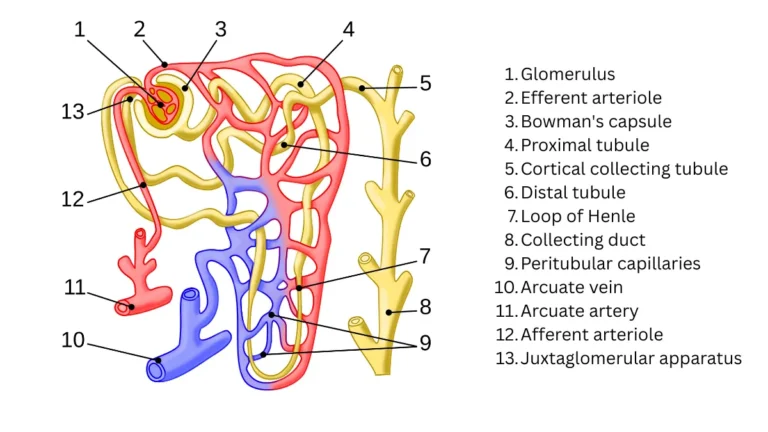
BUN and creatinine are waste products your kidneys filter from the blood. The four electrolytes track fluid balance and whether your blood is too acidic or alkaline, so providers read them as a set rather than one at a time.
Liver enzymes and proteins
ALT, AST, and ALP are enzymes tied to the liver and bile ducts, while albumin and total protein reflect what your liver builds and carries. You can see each one explained in the 14 components a CMP includes, or read the National Library of Medicine’s overview of the CMP.
How doctors actually read the panel, step by step
To read a comprehensive metabolic panel, clinicians work through a consistent method rather than reacting to the first flag they see:
- Group the 14 results into the four systems above.
- Read each system as a cluster, not as isolated numbers.
- Weigh the direction and size of any abnormal value, plus its H/L flag.
- Compare each result against your own prior results.
- Factor in context — fasting, hydration, medications, and sample handling.
- Decide whether to reassure, recheck, or investigate further.
Read clusters, not single values
A reference range represents the values found in the central 95% of a healthy population, which means about 1 in 20 healthy people fall outside a given range by definition. So one lone flag says far less than several related markers moving the same direction.
🩺 Physician Note: Laboratory results drive a large share of clinical decisions, yet minor high/low flags often outnumber the truly meaningful abnormalities. Current practice emphasizes reading the panel as a pattern alongside your symptoms and history — not treating each line as a verdict.
Weigh direction, size, and flags
A value barely outside its range reads very differently from one that is markedly abnormal. Providers weigh how far off a result is, which direction it moved, and whether nearby markers agree.
Compare against your own baseline
A creatinine of 1.3 mg/dL may be normal for a muscular person but a red flag for someone whose prior readings were 0.8. This is why using the same lab and tracking the normal range for each CMP test over time matters more than any single snapshot. You can read more at the National Library of Medicine’s guide to understanding lab results.
What the glucose number really tells you
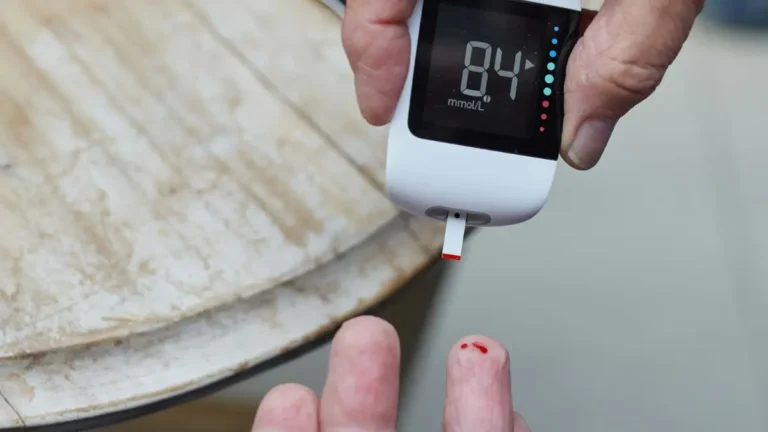
Glucose is the number that worries people most, and it is only interpretable if you know whether you fasted. On a fasting draw, a normal glucose is 70–99 mg/dL, 100–125 mg/dL falls in the prediabetes range, and 126 mg/dL or higher — confirmed on a separate day — points toward diabetes.
📊 Clinical Data Point: Fasting glucose 70–99 mg/dL is normal, 100–125 mg/dL indicates prediabetes, and ≥126 mg/dL (confirmed on a separate day) meets the threshold for diabetes; an A1C of 5.7–6.4% signals prediabetes and ≥6.5% signals diabetes — Source: CDC and the American Diabetes Association, Standards of Care in Diabetes (2026).
Fasting vs. non-fasting glucose
If you ate before the draw, your glucose runs higher and can’t be read against fasting cut-offs. Checking whether you needed to fast before a CMP is the first thing to confirm before reacting to the number.
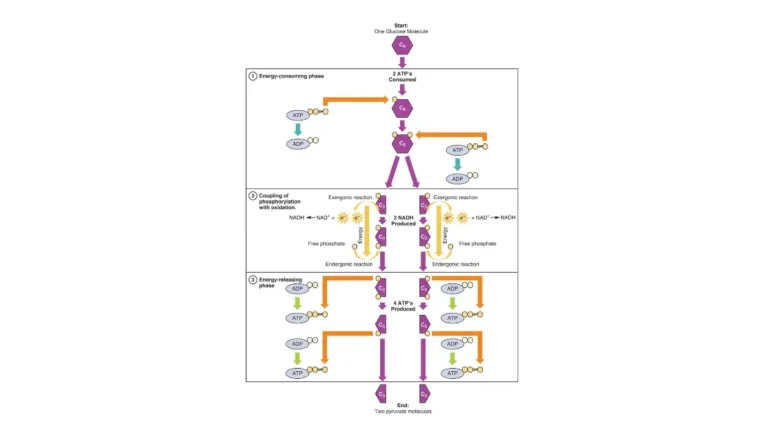
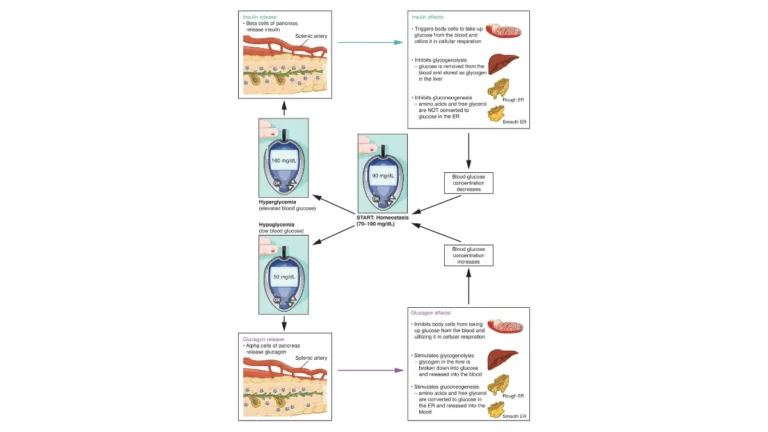
🔬 How It Works: After you eat, your gut absorbs sugar and blood glucose rises for a few hours until insulin moves it into cells. A fasting draw removes that spike so the number reflects your baseline — which is why fasting and non-fasting results aren’t comparable.
When a number points to prediabetes or diabetes
A single elevated reading is a signal to confirm, not a diagnosis. Providers repeat the test or add an A1C, and you can review what a normal fasting blood sugar looks like and what doctors check after a borderline A1C for the next steps.
✅ Patient Action: Ask your primary care provider two things — was my sample truly fasting, and do you want a confirmatory fasting glucose or A1C before making any diagnosis? For how testing is confirmed, see the CDC’s guidance on diabetes testing.
Reading the kidney and liver clues together
Kidney and liver markers are where a flagged CMP most often sends people searching, and both are read as clusters against your history rather than one value at a time.
Kidney markers: BUN and creatinine
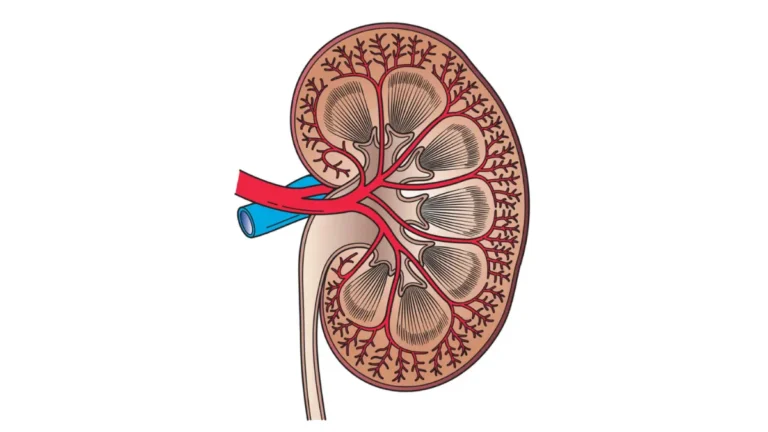
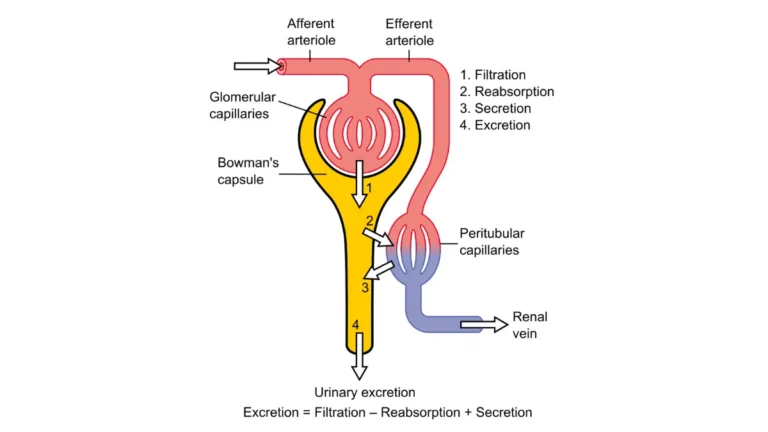
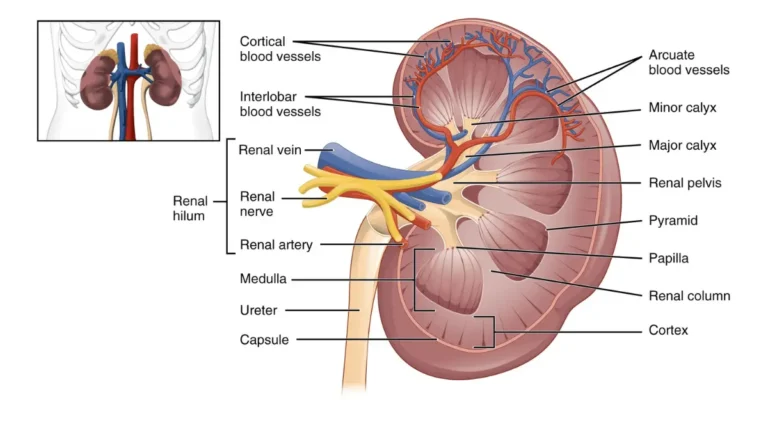
BUN and creatinine both reflect how well your kidneys filter waste, so providers read them together and alongside your estimated filtration rate (eGFR) and prior results. A higher-than-normal level can point to reduced kidney function, but dehydration, a high-protein meal, or certain medications can raise them in the short term.
🔬 How It Works: Your kidneys continuously filter creatinine and urea out of the blood. When filtering slows, these waste products build up — which is why rising levels, especially compared with your own baseline, prompt a closer look.
Liver markers: ALT, AST, and ALP
ALT and AST are enzymes released when liver cells are injured, while ALP and bilirubin relate to the bile ducts. One mildly elevated enzyme rarely means the same thing as several liver markers rising together, which is the pattern a provider watches for. You can walk through each value in how to read your liver function results.
✅ Patient Action: If a kidney or liver marker is flagged, ask your provider whether it represents a change from your previous results and whether a repeat test in a few weeks is the right next step.
Why one out-of-range value usually isn’t an emergency
A single flagged value on a comprehensive metabolic panel usually is not a diagnosis — it means one result sat outside a statistical range built from healthy people. Because about 1 in 20 healthy people fall outside any given range, a lone flag is common and often harmless.
Everyday things that nudge your numbers
A recent meal, dehydration, hard exercise, some medications, or even a sample handled roughly can move a value in a perfectly healthy person. This is why providers ask about your day before reacting, and why understanding what abnormal CMP results can mean starts with context, not alarm.
When a result does deserve prompt attention
Not every flag is minor. A markedly abnormal value, several related markers off together, or a result paired with real symptoms warrants prompt provider contact rather than waiting.
⚠️ Clinical Warning: A value your lab marks critical needs same-day medical attention, and severe symptoms such as confusion, chest pain, or trouble breathing warrant emergency care regardless of what a number says. Let your provider set the urgency — the stretch while you wait for results is often the hardest part.
What to bring to your doctor’s appointment
The most useful next step after reading your panel is turning it into a focused conversation. A little preparation makes a short visit far more productive.
List your out-of-range values
Before your appointment, write down every value flagged H or L, along with the result and — if you have them — your previous numbers for the same tests. Trend matters more than a single snapshot, so prior results give your provider context a one-time reading can’t.
The one question worth asking first
Lead with a single prioritizing question rather than a list of worries: which of these, if any, actually need action, and could a medication, my hydration, or how I prepared for the test explain them? That framing gets you to the answer that matters fastest.
✅ Patient Action: Bring a short written list of your flagged values and their trend, and open the visit with that one question your provider can act on.
Comprehensive metabolic panel: frequently asked questions
1. What does a comprehensive metabolic panel test for?
A comprehensive metabolic panel tests 14 substances reflecting four areas of health: blood sugar (glucose), kidney function and electrolytes, liver function, and protein status. Together they give your provider a wide-angle view of your metabolism and how key organs are working, which is why it’s a common routine and diagnostic blood test.
2. What is the most important number on a CMP?
There isn’t a single most important number on a comprehensive metabolic panel. Providers read the 14 results as a pattern across systems and against your own history, because one value rarely tells the whole story. A marker only becomes meaningful once it’s weighed alongside related results, your symptoms, and prior tests.
3. Should I worry about one high or low value?
Usually not on its own. Because reference ranges are built so about 1 in 20 healthy people fall outside them, a single flagged value is common and often harmless. A recent meal, dehydration, exercise, or medication can nudge a result. Discuss any flagged value with your provider to confirm what it means for you.
4. What fasting glucose is normal on a CMP?
On a fasting comprehensive metabolic panel, a normal glucose is 70–99 mg/dL. A result of 100–125 mg/dL falls in the prediabetes range, and 126 mg/dL or higher, confirmed on a separate day, meets the threshold for diabetes. A single high reading needs confirmation, so review it with your primary care provider.
5. Do I need to fast before a comprehensive metabolic panel?
Often yes, especially for an accurate glucose result, and standard fasting is usually 8 hours or more. Fasting matters because eating raises blood sugar for hours, making glucose impossible to compare against fasting cut-offs. Follow the specific instructions on your lab order, since not every CMP is drawn fasting.
6. What do BUN and creatinine show on a CMP?
BUN and creatinine are waste products your kidneys filter, so they reflect how well your kidneys clear the blood. Higher-than-normal levels can point to reduced kidney function, but dehydration, a high-protein meal, or some medications can raise them temporarily. Providers read them together and against your baseline, so confirm findings with your provider.
7. What do high liver enzymes (ALT and AST) mean?
ALT and AST are enzymes released when liver cells are injured, so elevated levels on a comprehensive metabolic panel can signal liver stress. One mildly high enzyme is read differently from several liver markers rising together, which is the pattern that matters. Because many things affect these values, discuss elevated results with your provider.
8. What’s the difference between a CMP and a BMP?
A comprehensive metabolic panel measures 14 substances, while a basic metabolic panel (BMP) includes 8 of those same tests. The main difference is that a BMP leaves out the liver enzymes and proteins, so a CMP adds a look at liver function. Your provider chooses based on what they need to check.
9. Can dehydration affect my CMP results?
Yes. Dehydration can concentrate your blood and push several comprehensive metabolic panel values — including sodium, BUN, and creatinine — outside their ranges in a healthy person. Other everyday factors like a recent meal, hard exercise, or medications can do the same. Mention how you prepared and how hydrated you were when reviewing results.
10. How soon should I see my doctor about abnormal CMP results?
It depends on how far off the value is. Mild flags are usually fine to raise at your next visit, while a markedly abnormal result, several related markers off, or results with symptoms warrant prompt contact. A value your lab marks critical needs same-day attention. Let your provider set the urgency for your situation.
11. Are reference ranges the same at every lab?
No. Different labs use different instruments and methods, so reference ranges vary, and ranges also shift with age and sex. Always compare your result to the range printed on your own report, not one you find elsewhere. For tracking trends over time, try to use the same lab for repeat testing.
The pattern matters more than any single number
One value outside its range on a comprehensive metabolic panel is rarely a diagnosis. Your provider reads all 14 results as a pattern — weighing direction, size, related markers, and how today’s numbers compare with your own history — before drawing any conclusion.
That’s also the mindset that turns anxiety into a plan. Note the results that sit outside their range, bring your prior numbers if you have them, and open your visit with the one question that sorts what needs action from what doesn’t. For the full test-by-test walkthrough, your complete CMP results guide covers each marker in plain language.
About this content
How this article was put together: researched from recognised health sources, drafted with the help of AI tools, and edited by hand, with sources linked throughout.

Sameer Patel is the founder and editor of My Medicine Advisor. He is not a doctor or medical professional — before starting this site he worked in banking,…
Medical disclaimer
The content on MyMedicineAdvisor is provided for general informational and educational purposes only and is not a substitute for professional medical advice, diagnosis, or treatment. Health information on this website should not be used to diagnose, treat, cure, or prevent any condition without guidance from a qualified healthcare professional. Always seek the advice of your doctor, physician, or another licensed healthcare provider with any questions you may have regarding a medical condition, symptoms, medications, or treatment decisions.